REVIEW · ARUSHA
Tanzania Classic Safari – 7 Days
Book on Viator →Operated by Arusha Trips | Adventurous Tanzania Safari's · Bookable on Viator
Seven days, one wildlife mission. This Tanzania Classic Safari is built around the best chance to spot the Great Migration, with multiple nights in Serengeti plus a Big Five day at Ngorongoro. It is not a year-round trip, because the herds go where they go.
I like two things a lot. First, the pacing gives you real odds: you are not rushing through Serengeti in one day. Second, the human side matters here, and the operator’s guides show up as names you’ll recognize from past trips, like Isaac and Innocent, plus strong planning support from people such as Lex.
One consideration: migration timing drives the whole experience, and the booking is non-refundable. If your dates are flexible, that’s a plus; if your calendar is locked, you’ll want to confirm the best season before you commit.
In This Review
- Key Highlights at a Glance
- Seven Days Aimed at the Great Migration (But You Must Pick the Right Time)
- Price and Value: What $8,900 Per Person Covers
- Day 1: Arusha Arrival With a Real Intro to the Program
- Tarangire National Park: Big Elephants and Ancient Baobab Trees
- Serengeti National Park: Why Two Days (and a Camp Inside) Improve Your Odds
- Ngorongoro Crater: The Big Five Shot From Down in the Bowl
- Mto wa Mbu: A Gentle Finish Day After the Safari Intensity
- What Private Transport and a Pro Guide Actually Change
- Lodges and Meals: Comfort That Keeps You Functional at Sunrise
- Getting the Most From Your Wildlife Days (Without Overthinking It)
- Who Should Book This Tanzania Classic Safari?
- Should You Book This Safari?
- FAQ
- How long is the Tanzania Classic Safari?
- Where does the safari start and end?
- Is pickup included?
- What’s included in the price?
- Which parks and areas are visited?
- Is this safari available year-round?
- What is not included?
Key Highlights at a Glance
- Multiple Serengeti days to improve your odds of seeing migration action
- Sunrise safari drives when animals are often most active
- Ngorongoro Crater for a strong Big Five shot, including rhino
- Tarangire elephants and baobab trees for a different feel than the Serengeti
- Private setup with professional guidance, pickup offered, and park fees handled
Seven Days Aimed at the Great Migration (But You Must Pick the Right Time)
The headline is simple: you are traveling for wildlife drama, specifically the Great Migration. The trip is designed to chase the movement across several areas of Serengeti National Park, based on where the herds are when you go. That is why the operator flags that it is not available year-round and asks you to time it right.
This is also why the schedule matters. You get more than one safari day in Serengeti, and you stay in the park area at a tented camp (central Serengeti). That extra time changes how often you get that stop-you-in-your-tracks moment, because you are not limited to one single lighting window and one single patch of grass.
If you go in the correct season, you are basically setting yourself up for more chances at the same headline: wildebeest and other migration-following predators doing their thing. If you go at the wrong time, you will still see great safari wildlife, but you may miss the specific migration “headline” you came for.
A few more Arusha tours and experiences worth a look
Price and Value: What $8,900 Per Person Covers
At $8,900 per person, you should look at value the way a safari accountant would. The big wins are that park fees and taxes are included, along with accommodations and all meals listed in the itinerary (6 breakfasts, 5 lunches, 5 dinners). You also get a professional safari guide and private transportation, so you are not piecing together logistics mid-trip.
What is not included is also important: travel insurance and the visa. Also, the experience is listed as non-refundable and not changeable for any reason. In plain terms, you are buying certainty of service, not a flexible plan you can easily adjust later.
If you like the idea of paying once and letting the operator handle permits, meals, and vehicle/guide time, this pricing structure can feel clean. If you are the type who enjoys constant control or last-minute date changes, you’ll need to be comfortable making the call early.
Day 1: Arusha Arrival With a Real Intro to the Program
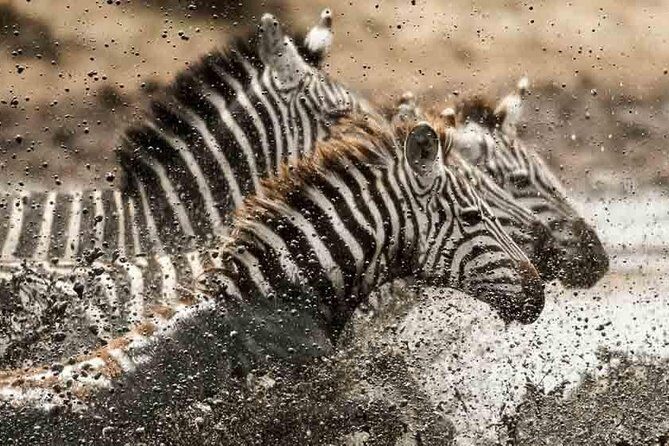
Your trip starts in Arusha, and you are met right when you step out of Kilimanjaro Airport. A driver is waiting, you get taken to your lodge, and you have a warm welcome that helps you shake off travel fatigue.
On the way in, you might catch early glimpses of the Tanzanian scenery and possibly views of Kilimanjaro. Then you get a short briefing for what comes next, plus a local drink while you get your bearings. This matters more than it sounds, because safari days start early and you’ll be grateful to understand the flow before you’re half-awake at sunrise.
Tarangire National Park: Big Elephants and Ancient Baobab Trees
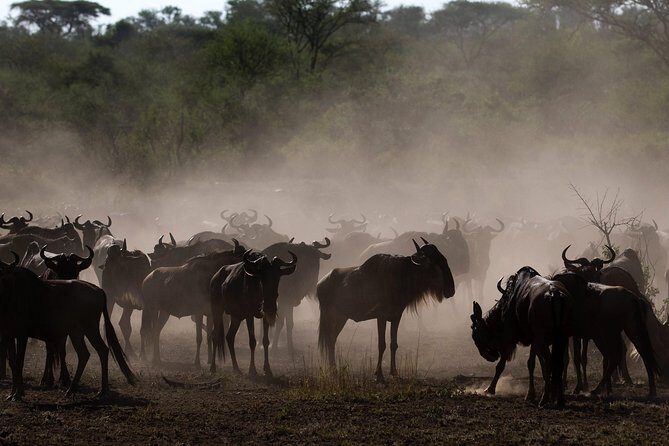
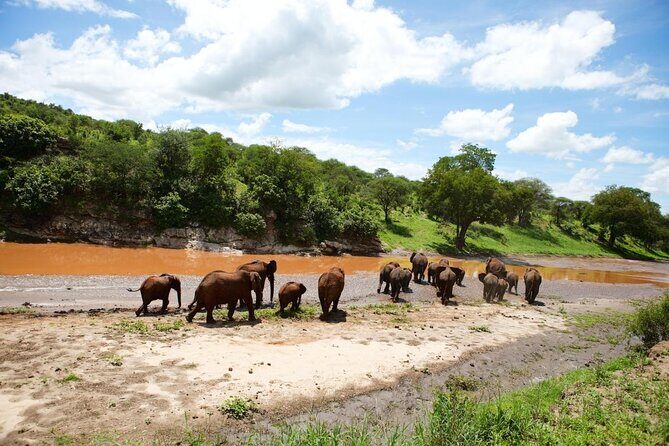
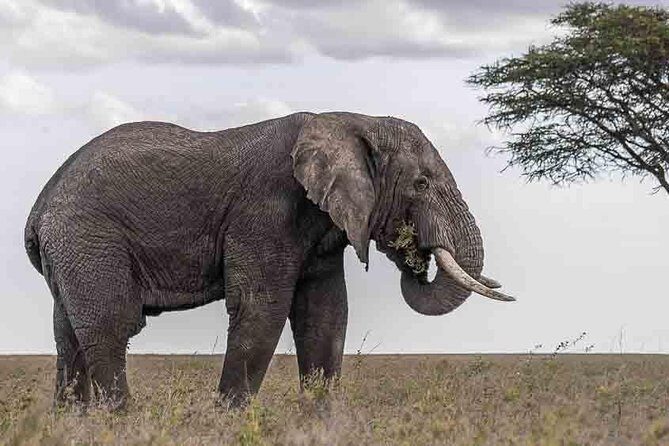
Tarangire National Park is one of those stops that feels instantly memorable for two reasons: elephants and baobab trees. It is known for large herds of big elephants, and for those massive, ancient baobabs that look like they were built by time itself.
The park is named after the Tarangire River, which flows through the area and supports wildlife year-round. That detail changes the kind of animal sightings you might expect. You are not just viewing animals on a dry stroll; you’re watching them use a more dependable food and water source throughout the year.
Practically, this day works well because it gives you a different safari mood than Serengeti. Tarangire can feel like its own mini-world, with its own rhythm, and it helps you ramp up before the main Serengeti push.
Serengeti National Park: Why Two Days (and a Camp Inside) Improve Your Odds
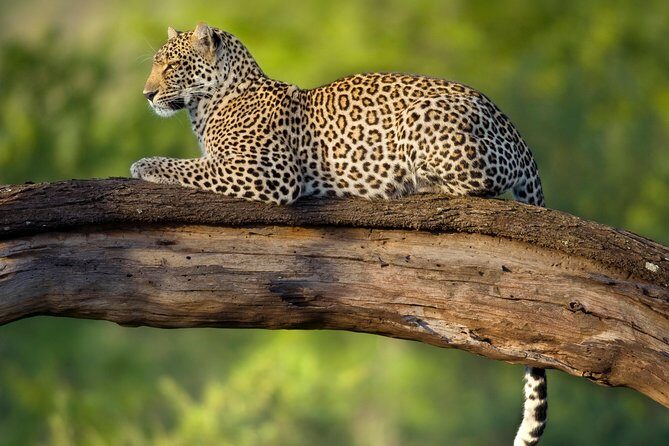
Serengeti is the main stage, and the plan deliberately gives you more than one act. You start with an early morning safari day, then you spend the night at a tented camp in central Serengeti. That location choice is more than comfort; it reduces wasted transfer time and keeps your safari schedule tight.
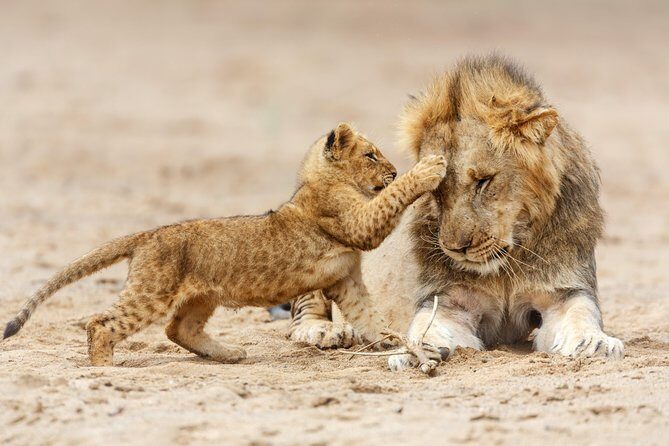
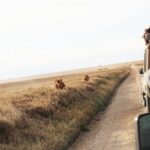
On day two in Serengeti, you get the sunrise safari approach. Sunrise drives are where you often catch more active wildlife. Lions, cheetahs, leopards, hyenas, and plenty of other animals are part of the picture, because this is prime hunting and moving time.
The rest of the day is about exploring different areas of the park so you can maximize encounters. This is where the migration idea becomes real. Depending on the migration’s location during your season, you may find yourself in several areas of Serengeti rather than sticking to one “fixed” route.
If you care about seeing predators during prime hours, this pacing is exactly what you want. It also makes the “Great Migration” goal more achievable, since herds and predator activity shift, and your chances improve when you are not locked to a single day.
A few more Arusha tours and experiences worth a look
Ngorongoro Crater: The Big Five Shot From Down in the Bowl
Ngorongoro Crater is a safari day that feels different the moment you drive toward it. You take an early breakfast, then head to the crater via a steep and narrow road. It is described as bumpy, adventurous, and part of the fun if you’re okay with rougher driving.
As you descend, the scenery shifts from forested slopes toward savannah. Then comes the key moment: down in the crater, animals can often be spotted from a distance. That matters because the crater environment concentrates wildlife, and you can scan more efficiently than in some open-country settings.
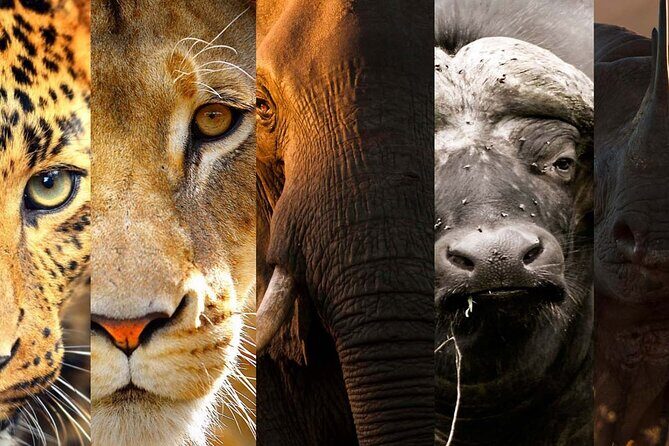
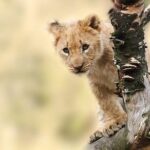
This is your best chance at the Big Five: lion, elephant, buffalo, rhino, and the leopard—especially rhino. The plan specifically notes that the chances of seeing the endangered rhino are highest here. Even if you do not see every species in one day, the crater experience is about the density and the setting, not just a checklist.
Afterward, you drive on to your next lodge, arriving late afternoon or early evening. It gives you a clear finish line for the day, which helps after an early start and a long crater drive.
Mto wa Mbu: A Gentle Finish Day After the Safari Intensity
By the time you reach Mto wa Mbu, the core wildlife chase is over. This last day is structured so you can either relax at the lodge and recover, or add an extra activity to experience more of Tanzania.
That choice is valuable because safari rhythm can be intense: early mornings, long sight drives, and lots of standing and scanning. Having at least one slower day keeps the trip from ending with you mentally crashing on the way to the airport.
At the end of the day, you take your flight home—or you could continue onward, including the option to go to Zanzibar. You’re not trapped into a single ending, which is a nice touch if you’re building a bigger East Africa plan.
What Private Transport and a Pro Guide Actually Change
This is a private safari setup, meaning it is only your group. That has real effects on your experience: your guide can adjust pacing to your sighting level and your comfort, instead of working around a mixed group schedule.
You also get professional guiding and private transportation. For you, that means less time worrying about how to interpret what you’re seeing and more time focusing on the wildlife. A strong guide also helps you understand animal behavior quickly, which turns a long drive into something purposeful.
The planning support also shows up in names from past trips, like Lex for trip planning, and guides such as Isaac and Innocent. Even though each safari feels personal, that pattern suggests the operator cares about communication and responsiveness, not just moving vehicles from point A to point B.
One small extra detail: pickup is offered. That reduces friction at the start, especially if you land and immediately need to move into safari mode.
Lodges and Meals: Comfort That Keeps You Functional at Sunrise
The trip includes accommodations and meals throughout the safari days: 6 breakfasts, 5 lunches, and 5 dinners. That may sound basic, but it is a big deal on safari. Meals matter because you’ll be out in the morning cold or heat, and you want energy that doesn’t rely on finding a random shop between drives.
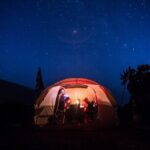
You also spend time at a tented camp in central Serengeti. The point is not luxury vs. not luxury. It’s practical: it supports early morning game drives and keeps you in the right area for sightings.
If you like your mornings to start with less scrambling and more watching, this kind of package structure helps.
Getting the Most From Your Wildlife Days (Without Overthinking It)
The trip is built on timing, and timing is where you can help yourself.
- Get ready for early starts. Sunrise safari is part of the plan, so your body schedule matters.
- Expect long driving hours between parks. Private transport helps, but you’ll still be in the vehicle for stretches.
- Bring the right mindset for sightings. Even with the best plan, wildlife is wildlife. A day can be amazing without being perfectly predictable.
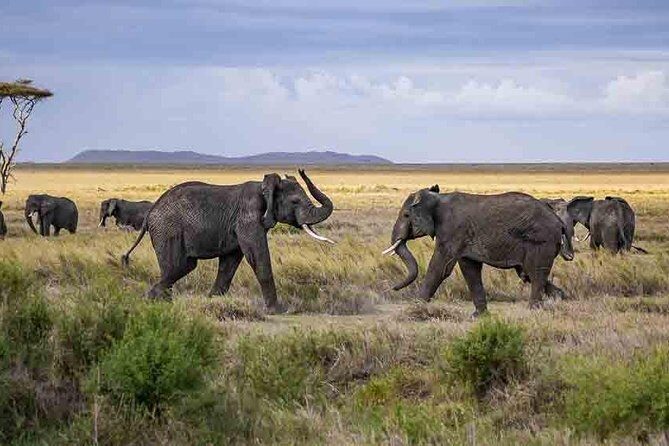
The good news is that the itinerary spreads your opportunities across multiple parks: Tarangire for elephants and baobabs, Serengeti for plains predators and migration action, and Ngorongoro for concentrated Big Five odds. That variety reduces the risk of one park being slower than you hoped.
Who Should Book This Tanzania Classic Safari?
This safari fits best if you want the big Tanzania icons with a plan that prioritizes action.
You’ll likely love it if:
- you are focused on wildlife sightings and want more than one Serengeti day
- you care about the Great Migration chance and can travel during the right season
- you prefer a private, guided experience where meals, park fees, and transport are handled
It’s also a solid choice if you’re planning something special like a honeymoon, since the operator’s trip-planning support has worked well for couples in past journeys and emphasizes details like venue/activity advice and responsive planning.
And it works for “most travelers” in general, but that broad note still doesn’t change the reality that this is safari travel: early mornings and significant time in vehicles are part of the package.
Should You Book This Safari?
If you can match your travel dates to the best Great Migration season, this trip looks like strong value because it includes park fees, accommodations, meals, a pro guide, and private transportation. The Serengeti time allocation is the big reason to say yes.
I’d hesitate only if your dates are fixed and you cannot confirm the migration timing with the operator first. Since the trip is non-refundable and migration-dependent, you’ll want to be confident you’re choosing the right season before you commit your money.
If you’re aiming for the classic Tanzania safari story with the best odds of headline wildlife, this is the kind of trip that makes that goal feel realistic.
FAQ
How long is the Tanzania Classic Safari?
The experience is listed as lasting about 6 days (approximately), starting and ending back at the meeting point in Arusha.
Where does the safari start and end?
It starts in Arusha, Tanzania, and ends back at the meeting point.
Is pickup included?
Pickup is offered.
What’s included in the price?
The price includes park fees and taxes, accommodations, a professional safari guide, private transportation, and meals (6 breakfasts, 5 lunches, and 5 dinners).
Which parks and areas are visited?
You visit Tarangire National Park, Serengeti National Park, Ngorongoro Crater, and you finish with a day in Mto wa Mbu.
Is this safari available year-round?
No. The trip is not available year-round, and it depends on the timing and location of the Great Migration. You should ask when the best time is for a Great Migration safari.
What is not included?
Travel insurance and the visa are not included.