REVIEW · ARUSHA
Amazing 4 Days Tanzania Budget Camping Group Joining Safari
Book on Viator →Operated by Tanzania Serengeti Safaris · Bookable on Viator
Few days hit so many Tanzanian classics.
This 4-day budget camping safari loops the Northern Circuit from Arusha through Tarangire, Serengeti, and Ngorongoro Crater—so you get elephants, Big Cat country, and that famous crater wildlife all in one trip. The pace is early starts, long game drives, and nights at campsites, with pickup and a dedicated driver-guide and cook included.
I especially like that you’re in a Land Cruiser for the wildlife drives, not a cramped bus situation. And I like that meals and lodging during the safari are included (breakfast, lunch, and dinner), so you can keep your spending focused on what actually happens in the parks.
One consideration: this is camping-style and you’ll be up early (start time is 6:00am). If you want a fully cushy lodge setup every night, you might feel the budget tradeoff.
In This Review
- Key things to know before you go
- Northern Circuit in Four Days: What This Route Does Best
- Arusha Pickup and the 6:00am Start That Sets Your Whole Trip
- Day 1: Tarangire National Park and Those Baobabs + Elephant Herds
- Day 2: Serengeti Arrival via Karatu and the Seronera Wildlife Zone
- Day 3: Full-Day Serengeti Game Drive Energy and the Ngorongoro Rim Night
- Day 4: Descending Over 600 Meters Into Ngorongoro Crater
- Camping-Style Nights, Included Meals, and What Budget Comfort Means
- Price and Value: What You’re Paying For at $1,283
- Group Joining vs. Wildlife Quiet: How the Max 200 Factor Feels
- Who Should Choose This Safari (and Who Might Not Love It)
- Book It or Skip It: My Practical Recommendation
- FAQ
- FAQ
- What time does the safari start?
- Where is the meeting point in Arusha?
- How long is the safari?
- Which parks are included?
- Are meals included?
- Is accommodation included?
- Is park admission included?
- Is pickup offered?
Key things to know before you go
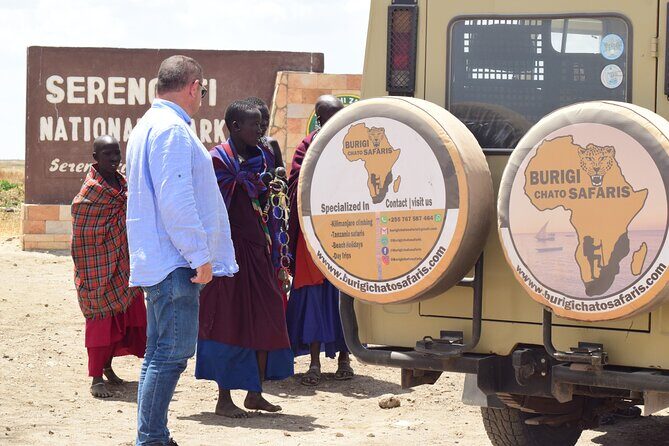
- Land Cruiser touring comfort for game drives across changing terrain
- Driver-guide and cook included, which usually means smoother days and fewer logistics headaches
- Tarangire → Serengeti → Ngorongoro in four days, with major wildlife habitats in sequence
- Camping nights at campsites (including Nyani Campsite area on one of the nights)
- All fees and taxes included, with park admissions handled for the itinerary
Northern Circuit in Four Days: What This Route Does Best
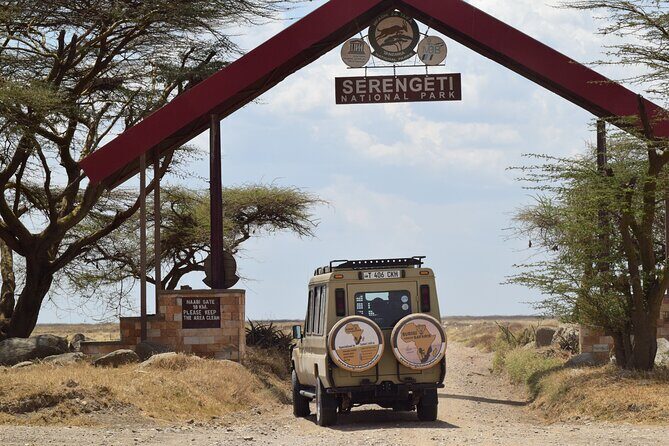
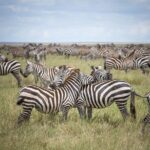
This safari is built around the “greatest hits” of Northern Tanzania. You’ll start in Tarangire for classic baobabs and elephant sightings, then move into Serengeti country for predator-and-plain spectacle, and finish with the crater’s dense wildlife.
The value here is not that you’ll do everything perfectly—it’s that the route is efficient. You get three major ecosystems in four days, without spending your trip bouncing around random stops. The tradeoff is timing: you’ll spend a lot of the day in the vehicle when you travel and when the game drives run.
A few more Arusha tours and experiences worth a look
Arusha Pickup and the 6:00am Start That Sets Your Whole Trip
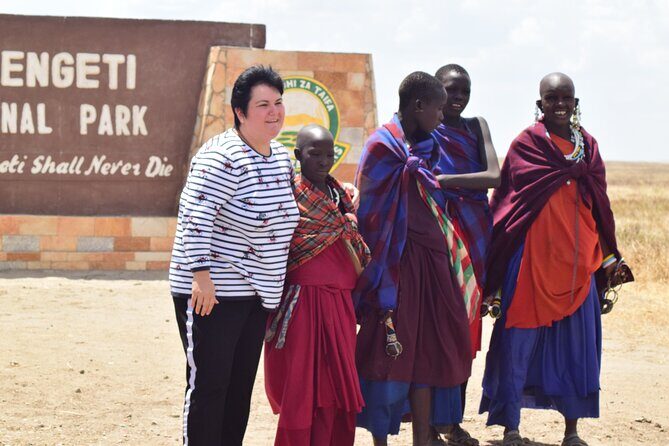
The tour starts at Shoppers Supermarket in Arusha, with pickup offered (and it also notes hotel pick up). Departure time is 6:00am, which is early by anyone’s standards, but it’s exactly how you make the most of daylight for spotting wildlife.
Why that matters: in these parks, animals often look best in the morning and late afternoon. A fast start also helps you arrive in time for the day’s game drive rhythm instead of watching the schedule slide.
Day 1: Tarangire National Park and Those Baobabs + Elephant Herds
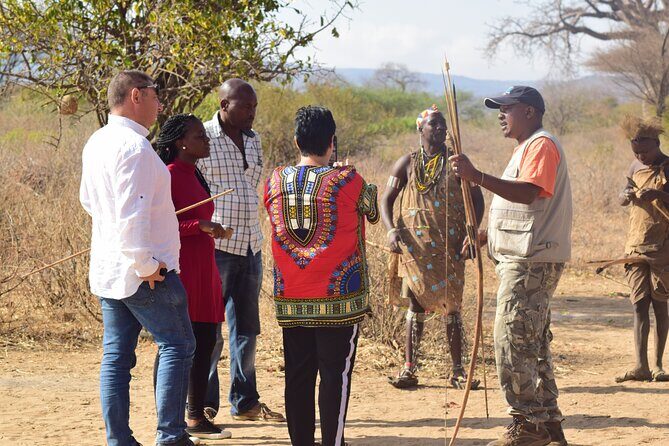
Day 1 begins with breakfast in your budget hotel, then you head out from Arusha toward Tarangire. Once you’re in the park, Tarangire’s signature is the combination of baobabs and big herds, especially elephants that move through the landscape in noticeable groups.
After lunch, you’ll do an afternoon game drive, again focused on wildlife you can spot without needing a “hunt” plan. Tarangire is also noted for over 500 bird species, so even if you’re not a birding fanatic, you’ll likely catch birds you wouldn’t see elsewhere.
You end the day driving back to Mto wa mbu for dinner and an overnight at the campsite. That’s a good setup for a safari that keeps things realistic: you’re not constantly changing hotels, and you get an actual overnight in between drives.
Day 2: Serengeti Arrival via Karatu and the Seronera Wildlife Zone
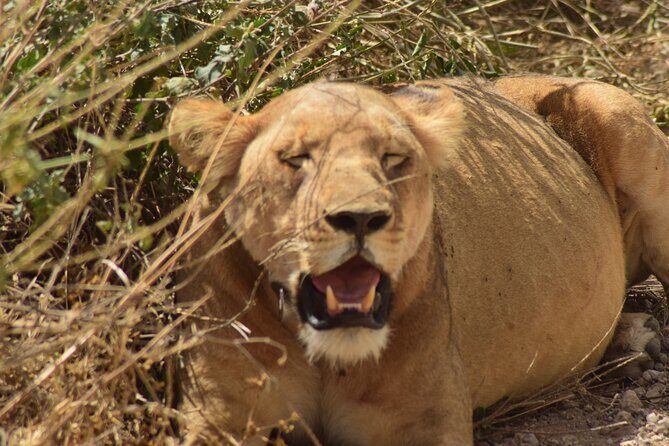
On Day 2, you head to Serengeti after breakfast, moving via Karatu and the Ngorongoro Conservation Area. This is a long day on the road, but it helps you shift from the higher farmlands into Serengeti’s famous “open plains” feel.
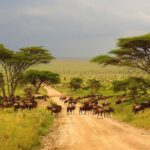
Once you reach the Serengeti, you go to the Seronera area, which is described as one of the richest wildlife habitats because the Seronera River provides consistent water. That’s the practical reason wildlife concentrates: water brings animals, and animals bring predators and scavengers.
You arrive for lunch, then take an afternoon game drive. The goal here is simple: make time for sightings while the light is still useful. Dinner and overnight are at Nyani Campsite, which keeps you close to where the next day’s drives start.
Day 3: Full-Day Serengeti Game Drive Energy and the Ngorongoro Rim Night
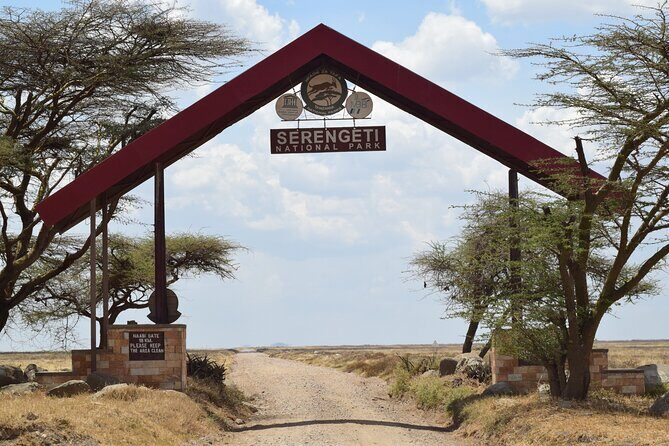
Day 3 is the “go hard” day. You’ll spend a full day exploring the Serengeti with breakfast and packed lunches included, and your experienced guide takes you to prime game-viewing areas.
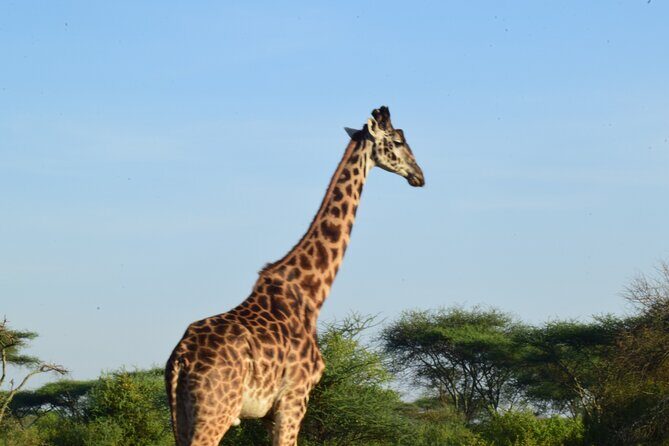
The itinerary highlights likely sightings—lions, cheetahs, hyenas, and more. In real life, this often means you’re watching the same animals more than once as they move, or you’re getting lucky with a predator appearing where prey is active. Either way, a dedicated full day increases your odds compared to a quick drive-by.
In the late afternoon, you then drive toward the Ngorongoro crater rim for overnight. That matters because the crater day starts early with a big descent, and you don’t want to spend the morning scrambling across distance.
A few more Arusha tours and experiences worth a look

Day 4: Descending Over 600 Meters Into Ngorongoro Crater
Ngorongoro Crater is the finale, and it’s the kind of place where the geography does the wildlife work for you. After an early breakfast, you’ll descend over 600 meters into the crater for wildlife viewing with a packed lunch.
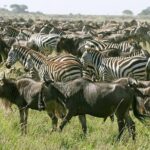
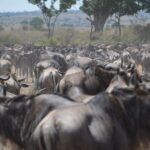
The crater supports a wide variety of animals because it’s described as having year-round water and fodder through the Ngorongoro Conservation Area. The list in the itinerary is long—herds of wildebeest, zebra, buffalo, eland, warthogs, hippos, and giant African elephants—and the point is that multiple species can be in view without you driving endlessly for each one.
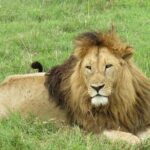
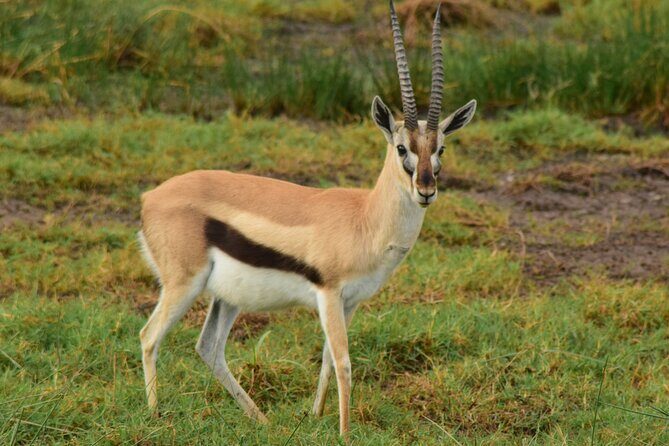
Predators are part of the draw too: lions, hyenas, jackals, cheetahs, and the elusive leopard. You might not see a leopard, but the way the itinerary frames it—sometimes requiring a trained eye—gets at the real truth: spotting is as much about positioning and patience as it is about luck.
You’ll also visit Lake Magadi, described as a large but shallow alkaline lake in the crater’s southwestern corner. Then the tour ends back at the starting meeting point area in Arusha.
Camping-Style Nights, Included Meals, and What Budget Comfort Means
This is a budget camping safari, so your “comfort” comes more from good organization than from luxury amenities. The tour specifically includes accommodation during the safari, and it includes meals across four days: breakfast, lunch, and dinner.
In plain terms, that’s valuable because it removes a big chunk of daily spending and decision-making. You’ll spend less time hunting for food stops and more time where your day belongs: in the parks.
A professional driver-guide and cook are also included, which is a big deal on camping trips. It’s not just about cooking; it’s about keeping meal timing workable around game drives and arrivals. Tips to the guide and cook are not included, so plan on that as a separate line item.
For packing, you’ll want to think like a camper: layers for early mornings, a rain-ready layer, and something for dusty conditions around vehicles and campsites. The itinerary doesn’t list gear details, so bring what you need to feel comfortable at night.
Price and Value: What You’re Paying For at $1,283
At $1,283 per person, the biggest question is what’s bundled and what’s not. In this package, you get all fees and taxes, a driver-guide, safari accommodation during the trip, and the meals across four days. Park admissions are also handled within the itinerary (with admission ticket free noted for Days 1–3, and included for Day 4).
That’s why the price feels more reasonable than it might at first glance. You’re paying for: vehicle time (Land Cruiser), guided driving, and the cost of getting you fed and bedded while you chase wildlife. If you tried to assemble those parts separately, you’d likely end up paying similar money anyway—just with more effort and more uncertainty.
What’s not included is the big stuff: international flights and domestic flights, personal items, tips, and hotel accommodation before and after the safari. So if you need to add an Arusha hotel night at either end, budget that into your overall total.
Group Joining vs. Wildlife Quiet: How the Max 200 Factor Feels
This tour is described as a group joining safari, with a maximum of 200 travelers for the activity overall. That doesn’t mean you personally have 199 people in your jeep, but it does tell you the departure can be part of a larger operator schedule.
For wildlife viewing, crowding often shows up when multiple vehicles hit the same area at the same time. The best antidote is your guide’s driving choices—going to prime zones and timing drives around animal movement. A dedicated guide helps you keep the experience feeling active rather than like a slow moving parade.
Who Should Choose This Safari (and Who Might Not Love It)
This tour fits you best if you want a value-driven Northern Circuit safari and you’re comfortable with camping-style nights. If you like the idea of early starts, long drives, and maximizing daylight for wildlife sightings, you’ll likely enjoy the rhythm.
It may be less satisfying if you’re looking for resort-level comfort every night or you want a flexible itinerary that can easily be changed at the last minute. The tour is also weather-dependent, which matters in Tanzania—if conditions don’t cooperate, plans can shift.
Book It or Skip It: My Practical Recommendation
I’d recommend booking if your priority is seeing Tarangire’s elephant energy, getting full-day Serengeti game viewing, and finishing with Ngorongoro’s crater density—all with meals, accommodation, and fees included. The route is efficient, and the included guide/cook setup helps camping days run smoothly.
I’d think twice if camping comfort is a dealbreaker for you, or if you need a trip you can easily reschedule. The booking notes also say it’s non-refundable and cannot be changed, though poor weather can lead to a different date or a full refund. That’s worth factoring into your travel timing.
FAQ
FAQ
What time does the safari start?
The start time is 6:00am.
Where is the meeting point in Arusha?
The meeting point is Shoppers Supermarket, Arusha, Tanzania.
How long is the safari?
The safari duration is 4 days (approximately).
Which parks are included?
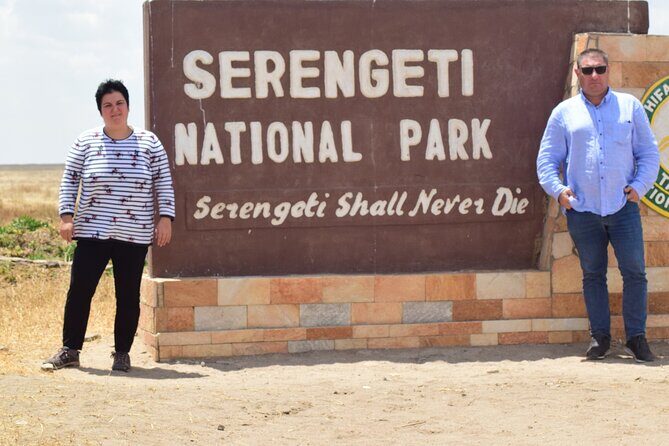
You’ll visit Tarangire National Park, Serengeti National Park, and Ngorongoro Crater.
Are meals included?
Yes. Breakfast, lunch, and dinner are included for 4 days.
Is accommodation included?
Yes, hotel accommodation during safari is included. Accommodation before and after the safari is not included.
Is park admission included?
The package includes all fees and taxes. Admission is noted as free for Days 1–3 and included for Day 4.
Is pickup offered?
Yes, pickup is offered, including hotel pick up.