REVIEW · ARUSHA
SERENGETI NATIONAL PARK Tour
Book on Viator →Operated by Guide Private · Bookable on Viator
Endless plains start before sunrise. This private Serengeti National Park safari is built around one of Earth’s wildest shows: the Great Migration, with timing options that match the southern Ndutu area or the northern Mara corridor. You also get a full loop, not just a single-park visit, so your days stack up into one memorable arc.
I love how the routing is tied to the migration’s two main corridors, so you’re not just guessing when to go. I also like that the plan mixes high-energy morning game drives with targeted moments for predators and migration action, including Mara River viewing. The only real drawback: it’s a long, schedule-heavy trip (lots of hours in the vehicle), and the migration you see will depend on the month.
If you’re okay with early starts and dust-and-sun days, this is an excellent way to chase the big stuff and still end with other iconic parks.
Key highlights at a glance
- Great Migration timing built in: Ndutu (Dec–Mar) and northern Serengeti (Jul–Nov) are planned around when the animals move.
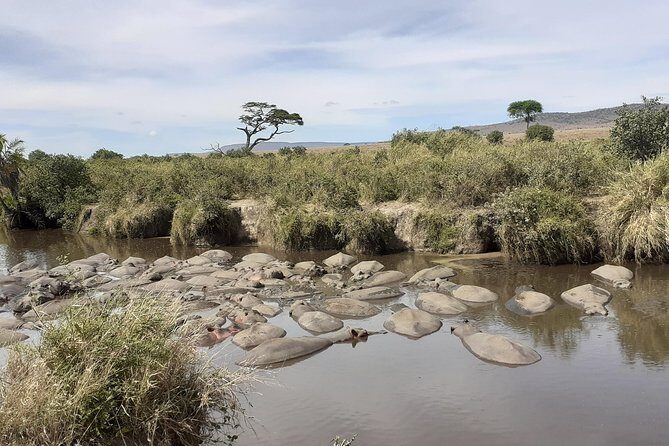
- Mara River focus: You get dedicated game time for hippos, crocodiles, and the drama of crossings.
- Big cat odds during central drives: Morning viewing swings you toward lions, leopards, cheetahs, and other predators.
- Four nights inside Serengeti: The pacing is designed so you’re not forced to rush the park.
- Add-on value: Ngorongoro + Lake Manyara: You leave Serengeti with more than just plains.
- Private guide, private group: You’re not sharing the experience with strangers in the same way a group safari does.
In This Review
- Why this Serengeti route works for the Great Migration
- Arusha to Serengeti: the long ride you should prepare for
- Day 1’s Serengeti entry: starting with positioning, not perfection
- Sunrise game drive and Central Serengeti: cats, chaos, and coffee
- Serengeti Hippo Pool and the Mara River corridor shift
- Day 4’s Mara River repeat run: patience, positioning, payoff
- Ngorongoro Crater at dawn: the rush to the crater floor
- Lake Manyara on the way back: a calm, full wildlife day
- Price and value: $3,487.18 per person, and what you’re really buying
- What a private guide changes (and what it doesn’t)
- Comfort tips: dust, long days, and keeping your eyes ready
- Should you book this Serengeti tour?
- FAQ
- What’s the duration of this Serengeti tour?
- Where does the tour start?
- How far is it from Arusha to Serengeti?
- When can I see the Great Migration in this itinerary’s two corridor options?
- Do I visit Mara River and the hippo area?
- What other parks are included besides Serengeti?
- Is this tour private?
- What if weather is poor?
Why this Serengeti route works for the Great Migration
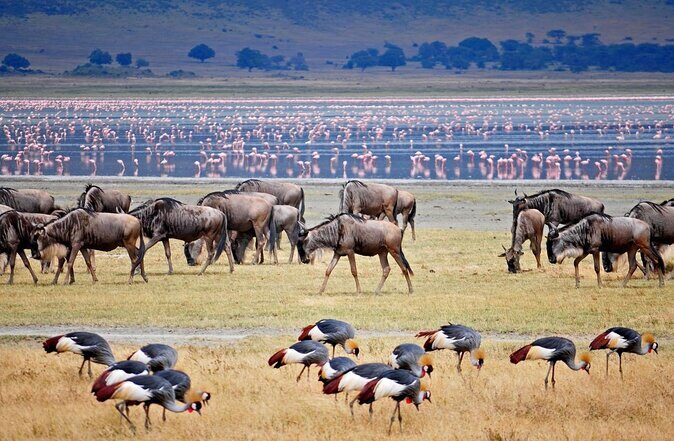
Serengeti gets famous because it’s not a zoo. It’s a moving system. The plan here takes that seriously by working around two migration corridors.
In the southern corridor near Ndutu, the migration is most watchable from December to March. In the northern corridor at the tip of Serengeti, the migration is typically a July to November story. That matters because the best sightings are tied to timing, not wishful thinking.
What I like about this approach is that it gives you a clear way to plan your month. You’re not just paying for a generic Serengeti safari; you’re paying for a strategy aimed at the movement itself. One guest summed up the feeling well: Serengeti can look like plains that go on forever, and once you’re out there, it’s hard to stop staring.
Arusha to Serengeti: the long ride you should prepare for
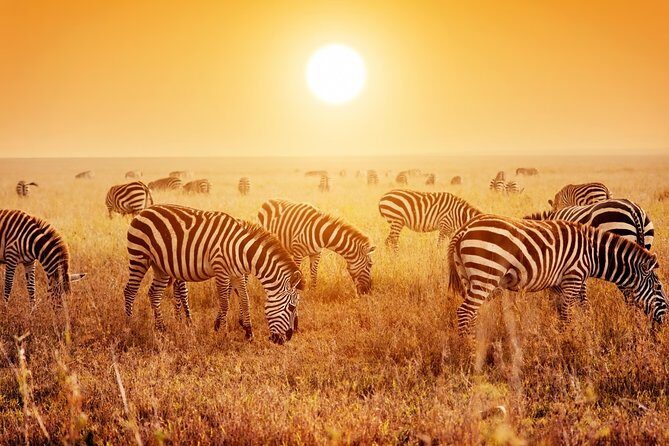
The trip starts in the Arusha area (or Moshi), with about 372 km and roughly 5 to 7 hours of straight driving to the Serengeti side. The route also includes a breakfast stop in the Mto wa Mbu area.
This drive is not “time to read a novel.” It’s time to set expectations. Game viewing isn’t the point of those first hours—positioning is. The upside is that you’re not losing a full day just getting to the park. You’re spending your safari time where it counts.
A practical note: the itinerary is designed around early starts. That’s great for wildlife (cooler temps, active animals, better light), but it’s less great if you dislike waking up before sunrise. Bring patience. And if you have a sensitive back, it’s worth asking about comfort and how the vehicle will feel on long stretches—one guest specifically warned that people with back pain should take care.
You can also read our reviews of more tours and experiences in Arusha.
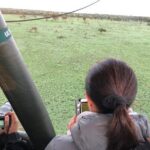
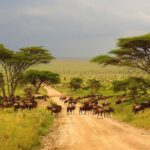
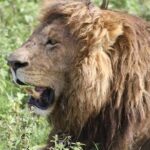
Day 1’s Serengeti entry: starting with positioning, not perfection
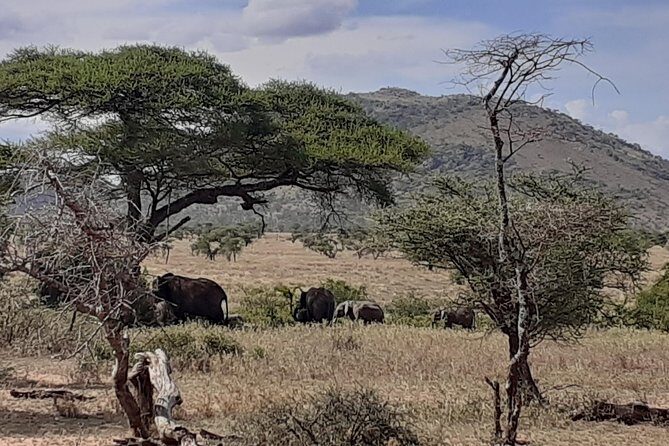
Day 1 is about getting into Serengeti and settling fast. After breakfast around Mto wa Mbu, you head onward toward the Ngorongoro entrance area and into the Serengeti. The goal is to arrive with enough time to start your game viewing rhythm.
On this kind of first day, don’t demand instant lion action. Your priority is to get oriented: learn the rhythms of the plains, watch how vehicles spread out for sightings, and get comfortable with what a migration “setup” looks like. If you do this well, your later days feel easier and more rewarding.
The plan then takes you to a Serengeti lodge or camp such as Pimbi camp/lodge (the exact property can vary based on availability and your booking). Think of this first night as your base jump, not the main event.
Sunrise game drive and Central Serengeti: cats, chaos, and coffee
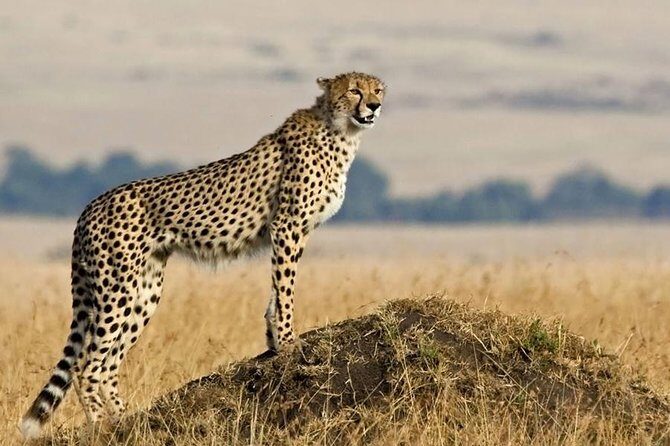
Day 2 is where the safari starts feeling like a game drive marathon. You’ll have an early morning cup of coffee, then head out for sunrise game viewing with tea and a bush-style breakfast.
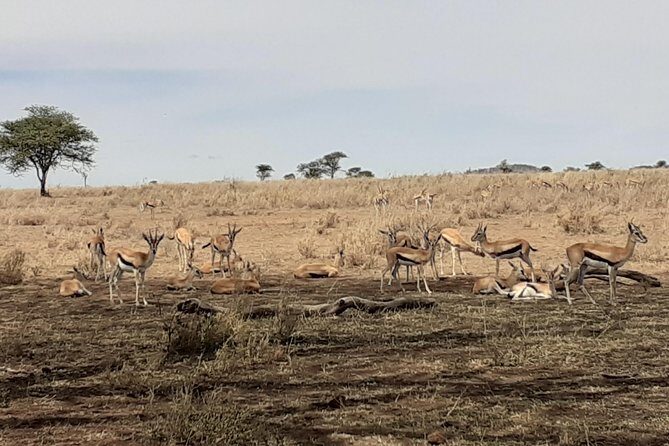
After that, you move into Central Serengeti for a full stretch of driving around before lunchtime. This is the day you’re aiming for the “daily best-of” wildlife mix—big grazers, other herbivores, and the predators that follow patterns of prey movement.
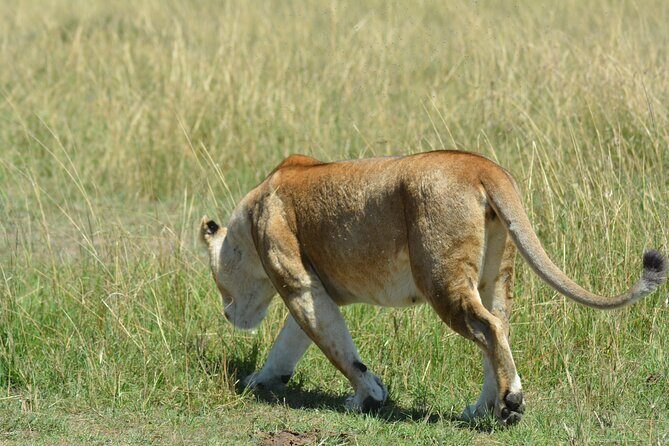
From the tour outline, there’s a clear emphasis on the chance to spot cheetahs and other predators, including lions and leopards, plus plenty of other flora and fauna. And the scenery isn’t subtle out there. One review basically called it a plain without end, which is exactly what Central Serengeti can feel like—wide open, dusty in the sun, and alive with movement even when the action is calm.
Two things to remember:
- Morning drives are where you’ll feel the most reward per hour.
- Even if the migration isn’t front and center this day, Serengeti still delivers. The predators don’t take a day off because the herds are elsewhere.
Serengeti Hippo Pool and the Mara River corridor shift
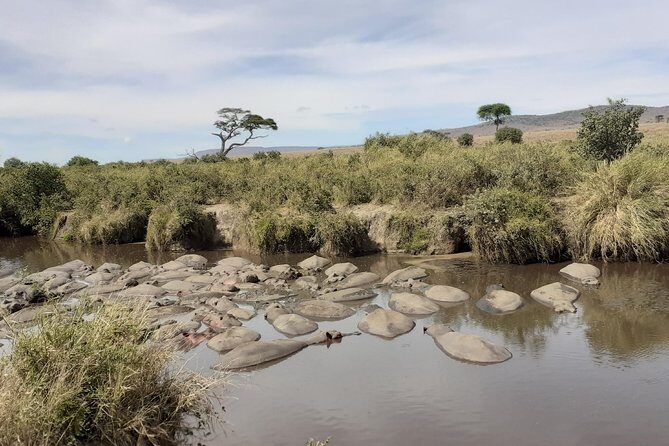
Day 3 is a turning point. The plan is flexible in the sense that you choose which side of Serengeti to target, but the itinerary clearly points toward the northern hemisphere corridor and the Mara River area.
You’ll start with breakfast, then drive across Serengeti toward the Mara River for the Great Migration scene in that region. The day includes a stop toward the Serengeti hippo pool, and you also get time for hippos and crocodiles—so yes, this is a day where the river feels like its own character.
Lunch is planned as lunch boxes on the move, so you’re not stuck waiting. Then you head in for Great Migration viewing and the Mara River crossing action, which is one of the most intense wildlife moments in Africa.
Afterward, the itinerary drives you around 60 km (about 1 hour) to a camp such as Lobo for dinner and overnight. This is a smart pacing choice because it places you close to where the next day’s viewing focus happens.
If you’re wondering what makes the Mara River segment so beloved: it’s the combination of scale and tension. You’re watching thousands of animals make a dangerous decision, while hippos and crocodiles patrol the outcome.
Day 4’s Mara River repeat run: patience, positioning, payoff
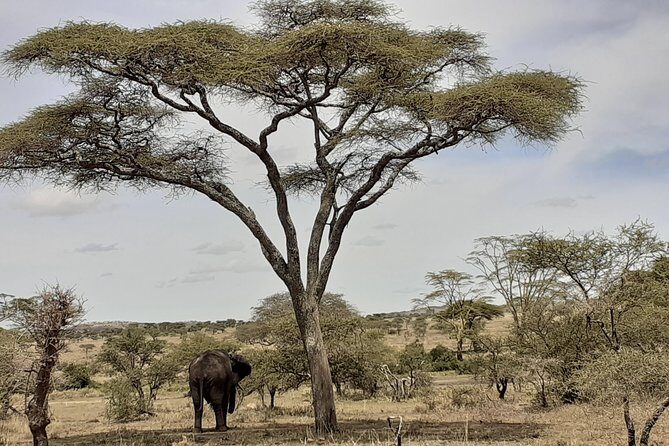
Day 4 continues the theme, with another morning drive aimed at migration movement across the Mara River and other surrounding areas. You’ll head out after breakfast at about 7:30am, then spend time focused on the crossing action.
The itinerary then brings you back later for hot lunch, followed by more game viewing after returning to camp, and dinner at the end of the day. That “loop back in the middle” approach matters. It keeps the day from being purely about driving until everyone is cranky. It also gives you a second shot at sightings as the morning changes.
In reviews, people praised seeing lions and leopards multiple times, which fits the reality of Serengeti: if you stay long enough, the odds improve. The same plain that seems empty at 10am can be alive at 2pm.
This is also where you benefit from being on a private safari with your own guide. You can make practical calls based on what’s happening out on the track, not just what’s written on a schedule.
Ngorongoro Crater at dawn: the rush to the crater floor
Day 5 shifts gears. You’ll leave very early—breakfast at about 5:00am—then depart Serengeti for the Ngorongoro Crater. The drive is about 210 km and around 4 to 5 hours to reach the crater area, and you’ll use the day’s time for game driving down on the crater floor.
The timing is strict: you depart before about 6:00pm because your permit expires. That’s not unusual in crater logistics, but it does affect how you plan your mood. You won’t stroll. You’ll move fast, look hard, and enjoy what you can see in the available window.
From the tour outline, you’ll bring lunch boxes and then return to a lodge/camp such as Panorama (or a similar property) for dinner and overnight.
Why this works as part of the same trip: Serengeti gives you the endless-plains spectacle. Ngorongoro gives you the concentrated, enclosed world—more gravity, more drama, and often a different set of wildlife dynamics in the same safari.
Lake Manyara on the way back: a calm, full wildlife day
Day 6 is the final wildlife day, with a drive of about 90 minutes to Lake Manyara National Park for a full day game drive.
Then you’ll do lunch and more game viewing before exiting the park and returning to your choice of hotel in Arusha or Moshi. This day acts like a soft landing after the crater rush and the long Serengeti days.
The outline calls out a focus on flora and fauna, so it’s not presented as a single-species mission. In other words: this is your chance to enjoy the broader ecosystem and pick up any wildlife you didn’t see earlier.
And if you’re the kind of traveler who likes variety—open plains, then crater, then lake fringe—that’s what you get here.
Price and value: $3,487.18 per person, and what you’re really buying
At $3,487.18 per person for an approximately 6-day private safari, you should think of value in terms of effort delivered, not just distance traveled.
You’re paying for:
- Private guiding for your group (not a shared swarm).
- Multiple parks in one loop: Serengeti, Ngorongoro Crater area, and Lake Manyara.
- Dedicated migration-focused days tied to the corridor timing.
The itinerary also suggests some days include admission and others mark it as free. I can’t tell from this summary exactly how it’s handled in your final confirmation, so you should check your booking details carefully. That’s the kind of small administrative detail that can change how you feel about value after the fact.
Here’s the bigger value question to ask yourself: do you want Serengeti as a single-park trip, or do you want a broader Tanzania safari loop? If you want the loop, this pricing starts to make more sense because you’re not paying for Serengeti and then separately adding crater and lake.
If you’d rather minimize driving time and keep costs lower, you might prefer a shorter stay in one area. But if you’re hunting migration and you want the full highlights stack, this is a reasonable structure.
What a private guide changes (and what it doesn’t)
This is listed as a private tour/activity with only your group participating, and it includes a private guide. In practical terms, that usually means:
- You’re not stuck with a fixed group pace.
- You can spend more time on what’s working that day and less time on what isn’t.
- Your guide can help interpret what you’re seeing across huge areas where nothing looks like it’s happening until suddenly it is.
What it doesn’t change: animal behavior. Serengeti still runs on its own schedule. Migration timing can vary, and even within the correct months, the exact placement of herds and predator action shifts.
That’s why I like that the itinerary keeps you in Serengeti for about four nights. If you’re trying to see predators and crossings, you need more than a single morning. You need repeat chances.
Comfort tips: dust, long days, and keeping your eyes ready
Serengeti days come with heat, sun, and dust. One review noted dust and a lot of tourists in certain periods, which is believable given how popular Serengeti is during peak migration months.
So plan your comfort like a grown-up:
- Wear sun protection that you’ll actually keep on.
- Bring water discipline and simple snacks for your breaks.
- If the itinerary requires lots of vehicle time (it does), think about seat comfort.
And if your back is even slightly sensitive, don’t assume you’ll be fine. One guest specifically advised that people with back pain should avoid this kind of schedule. Even on a private safari, the driving hours add up.
Should you book this Serengeti tour?
I’d book it if your top goal is a migration-centered safari that doesn’t stop at Serengeti alone. The structure makes sense: enough nights in Serengeti for repeat chances, plus Mara River time for hippos and crossings, and then Ngorongoro and Lake Manyara to round out the wildlife story.
I would pause and choose a different plan if:
- You hate long driving days and early wake-ups.
- You’re going in a month where migration positioning might not align with the corridor focus you want.
- You’re budget-sensitive and would rather prioritize one park over a multi-park loop.
If you can handle a packed schedule, this is a strong way to experience Serengeti at its most famous—and then spend your extra time in two other parks that make the trip feel bigger than a single destination.
FAQ
What’s the duration of this Serengeti tour?
It’s listed as about 6 days.
Where does the tour start?
It starts in the Arusha area (often including Moshi). The route then drives toward Serengeti.
How far is it from Arusha to Serengeti?
The summary gives a distance of about 372 km and an estimated drive time of 5 to 7 hours.
When can I see the Great Migration in this itinerary’s two corridor options?
The plan references two main corridors: the southern corridor near Ndutu (December to March) and the northern corridor near the tip of Serengeti (July to November).
Do I visit Mara River and the hippo area?
Yes. The outline includes a day focused on the Mara River corridor, with mention of hippos and crocodiles, plus Great Migration viewing across the Mara River.
What other parks are included besides Serengeti?
Ngorongoro Crater and Lake Manyara National Park are included on later days.
Is this tour private?
Yes. It’s a private tour/activity, and only your group participates.
What if weather is poor?
The experience notes it requires good weather. If it’s canceled due to poor weather, you’ll be offered a different date or a full refund.