REVIEW · KIZIMKAZI MKUNGUNI
Zanzibar Fishing
Book on GetYourGuide →Operated by Host zanzibar tours and safaris · Bookable on GetYourGuide
A good bite starts with timing. This Zanzibar fishing trip focuses on real time on the water and a small-boat setup that keeps things personal, with chances at tuna and kingfish. What I like is the intimate feel on a boat meant for just two fishermen, plus the crew-led gear and refreshments. The one thing to consider: you may not be fully hands-on if the crew prepares the rods for you, and language can vary between crew members.
You get two start options, 6:00 AM or 1:00 PM, so it fits both early explorers and half-day schedules. I also like that you travel with a captain and assistant on a boat with no roof, because it’s built for fishing—not posing. Just plan for the sun, salt spray, and a long stretch out at sea during the main fishing window.
In This Review
- Quick Hits Before You Go
- Kizimkazi at 6:00 AM or 1:00 PM: picking the best start
- The 7-meter no-roof boat: comfort, sun, and how hands-on you’ll be
- 30-minute speedboat rides: what they’re for (and what to expect)
- Kizimkazi Mkunguni: the long break, photos, and safety talk
- Likely catches: tuna, kingfish, and what changes your odds
- What’s included (and what you should bring anyway)
- Price and value: is $86 per person fair?
- Pickup, meeting point, and the drop-off that keeps your day intact
- Language on the water: English is available, but communication can vary
- Who this trip suits best
- Should you book Zanzibar Fishing?
- FAQ
- Where does Zanzibar Fishing start?
- What time do the tours run?
- How long is the fishing trip?
- What kind of boat is used?
- How many people are on each boat?
- What fish can you catch?
- What’s included in the price?
- Is there a guide, and what languages are available?
- Do you get pickup and drop-off?
- Is cancellation possible after booking?
Quick Hits Before You Go
- Two fishermen per 7m boat for a more personal outing than big-group charters
- 6:00 AM or 1:00 PM departures so you can match your day on Unguja
- Water, fruit, and snacks are included, plus bait and fishing equipment
- No-roof boat design for better fishing visibility and angles
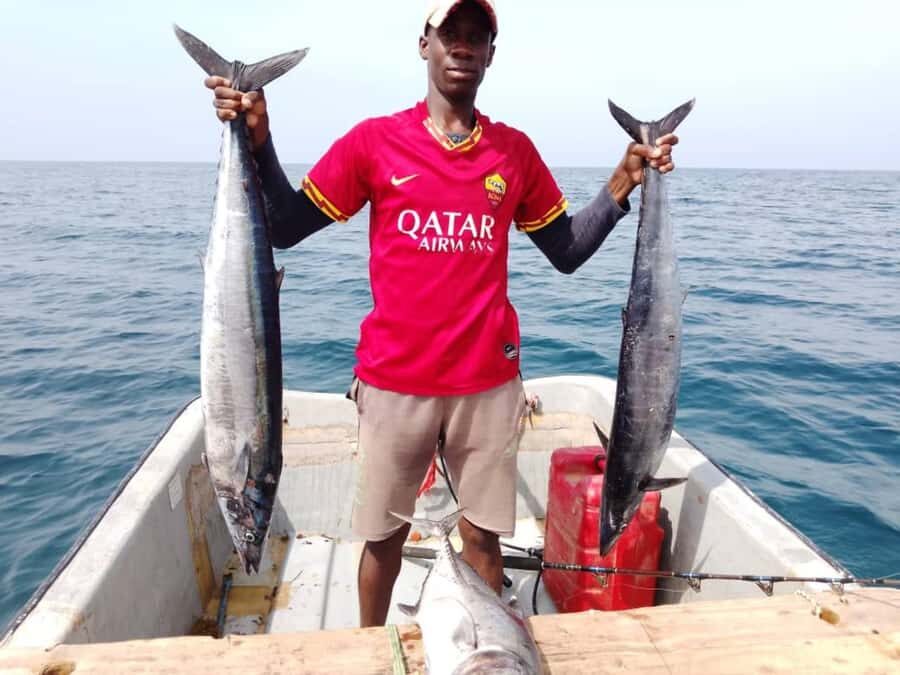
- Expected catches include tuna and kingfish, with occasional marlin or dorado
- Drop-off flexibility in popular areas like Stone Town, Paje, and Bwejuu
Kizimkazi at 6:00 AM or 1:00 PM: picking the best start
This trip runs on a short, clean schedule: you can set out from Kizimkazi at 6:00 AM or 1:00 PM. That matters more than it sounds. Morning starts often feel calmer for people who get seasick, and you’ll be under the sun earlier. Afternoon starts can be nice if your morning is for beaches or Stone Town, but you’ll still be fishing in daylight heat—so sunscreen is not optional.
The official duration is 4 to 5 hours, and the flow is built around speedboat transfers plus a longer on-site period at Kizimkazi Mkunguni. In practice, you’re planning a focused half-day where the main event happens after you’ve reached the fishing area.
One more practical note: this is a private group option, and the boat capacity is small. That’s good for comfort and attention from the crew, but it also means your experience depends heavily on how your specific captain and assistant run the session.
A few more Kizimkazi Mkunguni tours and experiences worth a look
The 7-meter no-roof boat: comfort, sun, and how hands-on you’ll be
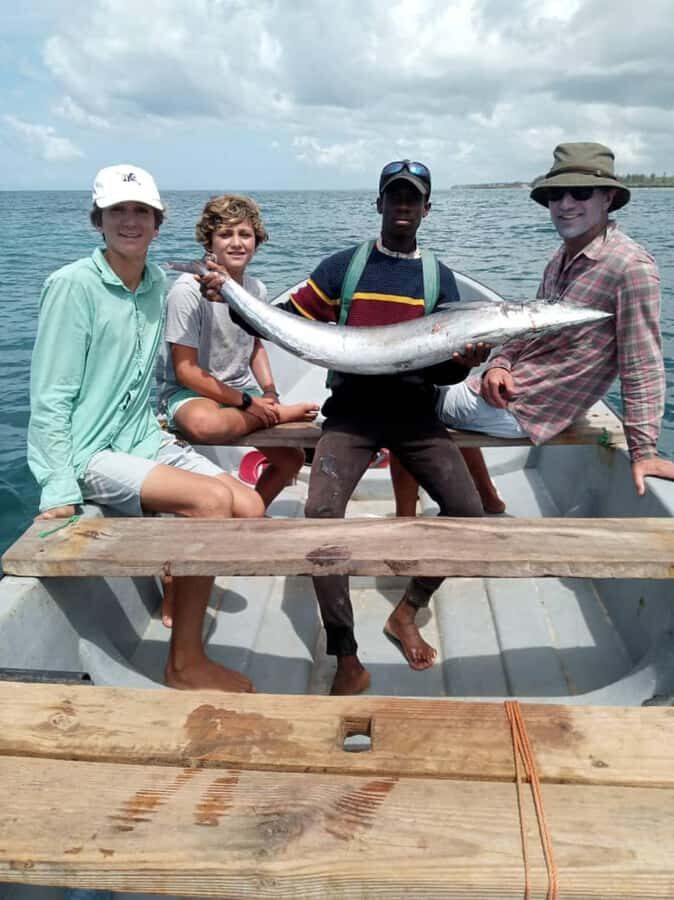
You’ll be fishing from small boats listed at about 7 meters, with a setup that allows one boat to accommodate two fishermen. Each boat has a captain and an assistant, and the boat does not have a roof. That makes sense for fishing: a roof can block lines, angles, and movement. The trade-off is obvious once you imagine it: full sun exposure.
So if you come, bring the basics:
- A hat (seriously useful on a no-roof boat)
- Sunscreen and lip balm
- Sunglasses with a strap if you don’t want them to escape
Now, here’s the key consideration I’d plan around: in at least some cases, rods are set up for you and you may not do as much casting as you expect. The activity can end up feeling more like participating alongside the crew than fully driving the technique. If you’re the type who wants to do every step, ask ahead how interactive your role will be during the fishing time.
30-minute speedboat rides: what they’re for (and what to expect)
The day has a simple transport pattern: a 30-minute speedboat segment toward the action, then another 30-minute return after the main on-the-water time.
These rides matter because they set the overall energy of the trip. Speedboats are the fastest way to get you into position, but they also mean you’ll feel the spray and motion. If you’re prone to seasickness, pack what you normally use—because the schedule doesn’t build in long comfort breaks.
During the main time on-site, you’re not just floating. There’s a structured stretch at Kizimkazi Mkunguni that includes things like a break, photo stop, visit/free time, sightseeing, and a safety briefing. That’s a helpful rhythm: you get a start, you get instruction, you get a pause, and then the fishing window carries the excitement.
Kizimkazi Mkunguni: the long break, photos, and safety talk
One of the biggest time blocks happens at Kizimkazi Mkunguni. You’ll typically see a mix of:
- Break time
- Photo stop
- Visit and free time
- Sightseeing
- Safety briefing
The length listed for this segment is about 3 hours, and that tells you something: the trip isn’t just a quick hop out and back. It’s more like a half-day with a real plan, where the crew can manage equipment, explain safety, and still give you some time to look around.
What’s the upside? You’re not stuck in one single mode the whole time. Even if the fishing action is slow at first, you still have a chance to stretch your legs, take photos, and get briefed properly.
What’s the potential drawback? If you’re arriving expecting constant fishing all day, the mix of stops can feel like waiting. The good news is that the safety briefing and structure usually mean you spend less time guessing and more time fishing when it’s time.
Likely catches: tuna, kingfish, and what changes your odds
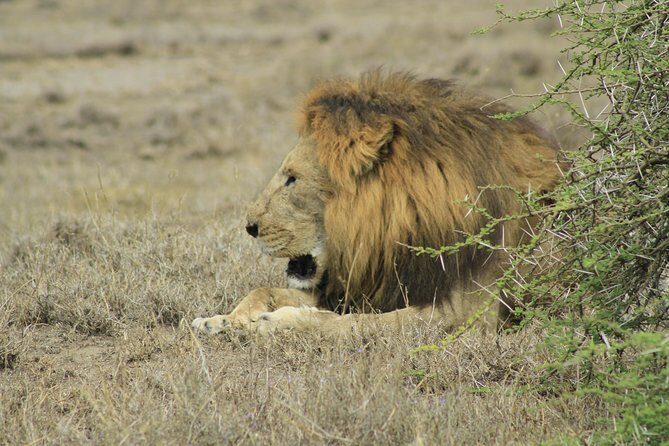
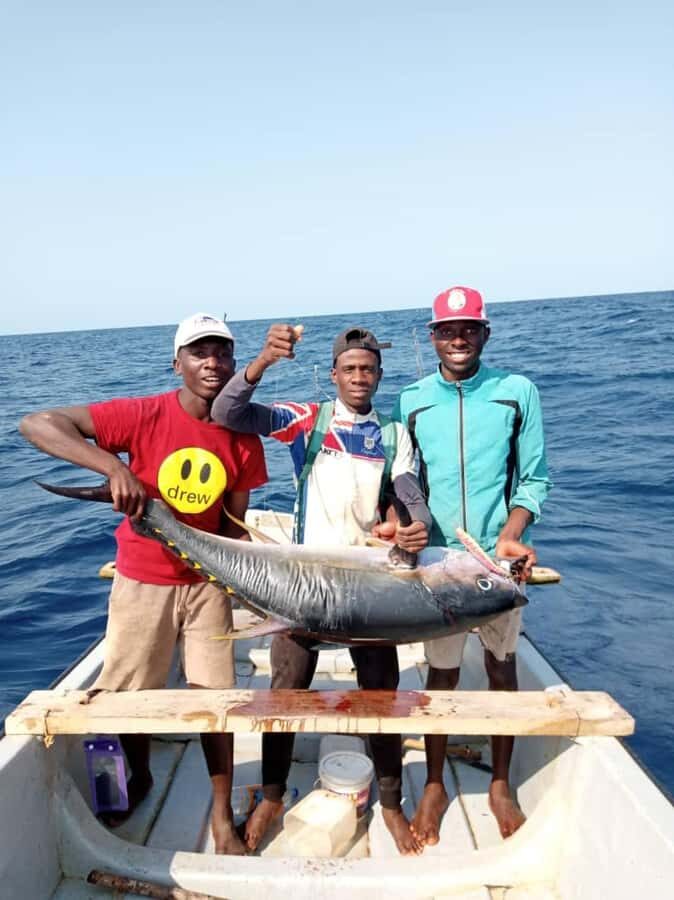
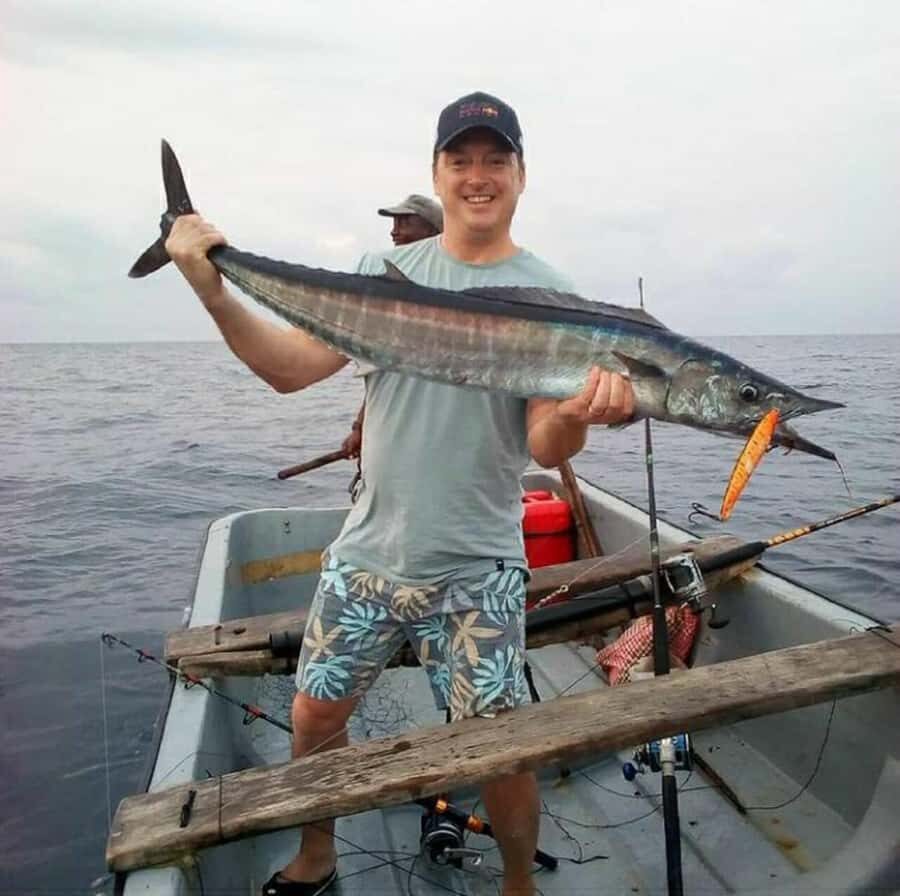
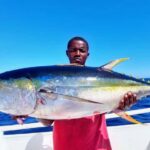
Fishing targets are stated clearly: you should expect tuna and kingfish, with occasional chances at marlin or dorado. That doesn’t guarantee results—fish don’t care about your itinerary—but it gives you a realistic target list.
Here’s how to think about the “odds” during a trip like this:
- Tuna and kingfish are the expected stars, so you’re not paying for a fantasy species.
- Sometimes the bite is quick and intense; sometimes it’s slower and requires patience.
- Weather and conditions can shift fast in coastal Tanzania, so don’t be surprised if the session feels different minute to minute.
If your goal is simply to catch something fresh, you’re in the right category. If your goal is a very specific trophy fish, be flexible. In sport fishing terms, this is a targeted day designed for action without the complexity of long, expedition-style planning.

What’s included (and what you should bring anyway)
The included package is solid for the price level because it covers the essentials you’d otherwise have to source on your own. You get:
- Fishing equipment and bait
- Crew and ship
- National park entrance fee
- Fruit, snacks, and water
That’s a practical combo. Equipment and bait are the big-ticket items you don’t want to hunt down last minute, and having snacks/water makes a difference during that longer mid-trip window.
What you should bring personally is mostly about comfort:
- Sunscreen and a hat (because the boat has no roof)
- Water-resistant bag for your phone and wallet
- Swimsuit or quick-dry clothes, if you plan to use your free time at the coast
- Any personal motion-sickness solution if you need one
- Cash only if you want extra souvenirs or drinks during the stop
Also, wear shoes you’re comfortable with on rocky or uneven ground. You’ll be doing a brief visit and photo stop, so flip-flops can be a gamble.
Price and value: is $86 per person fair?
The price is $86 per person for a 4 to 5 hour outing. Whether that feels like a deal depends on what you expect from the experience.
Here’s the value math I’d use:
- You’re paying for a small-boat setup (about two fishermen per boat), with a captain and assistant.
- You also get gear and bait included, plus snacks and water.
- A national park entrance fee is covered too, which can be one of those unexpected costs on Zanzibar if you’re doing things independently.
So the cost is easier to justify if you want: a guided fishing session, refreshments, and minimal hassle. Where it can feel overpriced is if you expected to do lots of active fishing and casting the whole time, and instead find that rods are prepared for you and you mainly watch and wait. For some people, that’s fine. For others, it turns the day into more “boat time” than “fishing time.”
My practical advice: treat this as a crew-led fishing trip where your participation can be hands-on or more observational depending on how the crew runs your session. If that distinction matters to you, ask questions before you go.
Pickup, meeting point, and the drop-off that keeps your day intact
Pickup is optional, but if you’re staying at a place with reception, you can usually be picked up there. Otherwise, you meet the crew at the designated meeting location.
The trip also offers a range of drop-off locations across the south and east coast areas. You might be dropped in places like:
- Stone Town
- Kizimkazi Dimbani
- Mchangamle Beach
- an area listed as Dolphintour and snorkeling
- Uroa
- Michamvi, Michamvi Kae
- Makunduchi
- Jambiani
- Kizimkazi Mtendeni
- Paje
- Bwejuu
That’s handy because it means you’re less likely to lose time to taxis after your fishing session. It also helps if you’re moving between beach zones during your stay.
Language on the water: English is available, but communication can vary
The live tour guide is listed with many language options, including English. That helps. Still, in real-world crew setups, you can have the captain plus an assistant with different language comfort levels.
So if language matters to you—especially if you want technique explanations or clear instructions—plan to confirm that you’ll have an English-speaking point person for your boat. At minimum, you’ll get a safety briefing as part of the Kizimkazi Mkunguni segment.
Who this trip suits best
This Zanzibar fishing outing fits best if you want:
- A small-group feel without crowd chaos
- A guided half-day built around fishing for tuna and kingfish
- Included bait, gear, and refreshments
- A choice of start time (6:00 AM or 1:00 PM)
It may be less ideal if you need an always-hands-on sport-fishing lesson style, because rods may be set up for you and some of the day is structured with breaks, photos, sightseeing, and safety talk.
If you’re traveling as a couple or small group and you like practical, activity-first trips, this is a strong match.
Should you book Zanzibar Fishing?
I’d book it if you want a guided, crew-run fishing day with real targets (tuna and kingfish), included gear and bait, and a small-boat setup built for two fishermen at a time. The price is more defensible when you value the logistics handled for you and the on-water focus without extra planning.
I wouldn’t book it if you’re specifically chasing a highly interactive “you do everything” fishing experience, or if you rely on smooth communication for instructions. In that case, ask in advance how involved you’ll be during fishing and confirm your language expectations.
If you’re flexible and want a fun, sun-and-sea half-day from Kizimkazi, it’s the kind of experience that can easily be the highlight of a Zanzibar stay.
FAQ
Where does Zanzibar Fishing start?
It starts from Kizimkazi. Depending on your option, you’ll either be picked up at your hotel reception or meet the crew at the designated meeting location.
What time do the tours run?
You can choose 6:00 AM or 1:00 PM departure times.
How long is the fishing trip?
The duration is typically 4 to 5 hours.
What kind of boat is used?
Fishing is done from small 7-meter boats. The boat does not have a roof so fishing isn’t hindered.
How many people are on each boat?
One boat accommodates two fishermen.
What fish can you catch?
Most frequently caught fish include tuna and kingfish, with occasional possibilities like marlin or dorado.
What’s included in the price?
The included items are fishing equipment, bait, ship/crew, national park entrance fee, fruit/snacks, and water.
Is there a guide, and what languages are available?
Yes, there is a live tour guide with multiple language options, including English and Swahili, plus several others.
Do you get pickup and drop-off?
Pickup is optional, and you may be picked up from hotel reception. Drop-off areas include places such as Stone Town, Paje, and Bwejuu, among others.
Is cancellation possible after booking?
The experience includes free cancellation up to 24 hours in advance for a full refund.