REVIEW · DAR ES SALAAM
3 days safari to Mikumi and Udzungwa
Book on Viator →Operated by Hello Tanzania Tours · Bookable on Viator
Three days, two parks, and serious wildlife time. This short safari from Dar es Salaam is built for maximum nature and culture in minimum days, with open safari-car game drives in Mikumi and a walking day to Sanje Falls in Udzungwa.
I really like two things about how this trip runs. First, the mix of wildlife viewing and a grounded culture stop (a brief Maasai village visit) keeps it more than a drive-through. Second, you get active time in Udzungwa—on the trail you’re looking for endemic wildlife like the red colobus, plus you’re aiming for one of Tanzania’s most dramatic waterfall settings, Sanje.
One consideration: you’re doing a lot in a short window, and the road time to Mikumi is about 5–6 hours one way. That means the trip can feel packed, especially if you’re hoping for slow mornings and long game drives every day.
In This Review
- Key Highlights You’ll Care About
- Dar es Salaam to Mikumi: road time you can use wisely
- Morogoro Region and a Maasai village visit: culture without the overlong stop
- Mikumi National Park game drives: miombo woodland and waterhole spotting
- Practical tip for wildlife watching
- Udzungwa Mountains National Park: walking time, Sanje Falls, and red colobus
- Camp life and included meals: what the schedule does for you
- Price and value: what $804.40 really buys (and what can add up)
- Who this safari suits best (and who should choose longer)
- Should You Book This Mikumi and Udzungwa Safari?
- FAQ
- What locations does this 3-day trip cover?
- How long is the safari experience?
- What’s included in the price?
- What is not included?
- What animals can I expect to see in Mikumi?
- How much walking is involved on the Udzungwa day?
- Is the group small?
- What happens if I need to cancel or if weather is poor?
Key Highlights You’ll Care About
- Small group size (max 7): easier pacing and less chaos at game-viewing stops
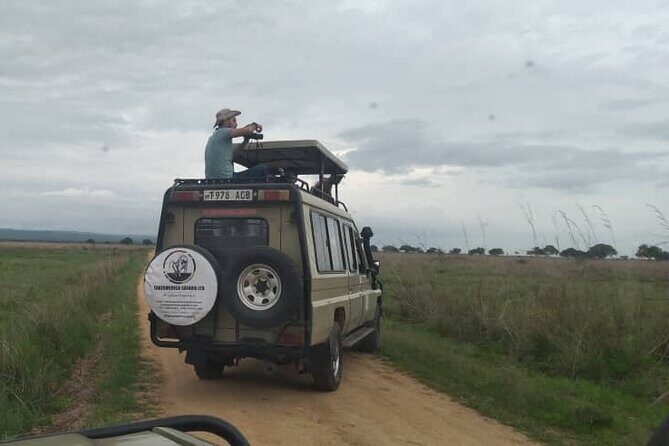
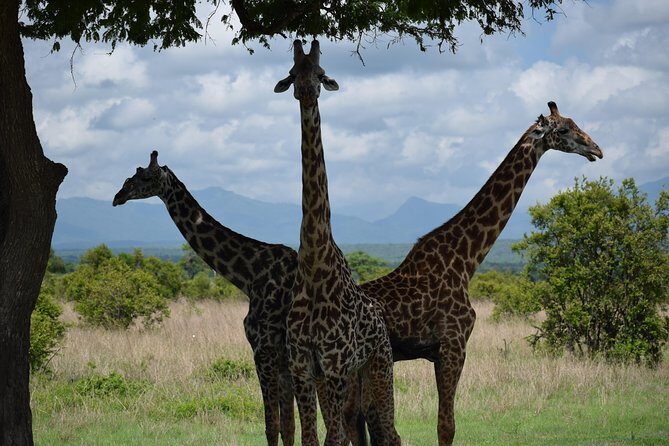
- Open safari car for drives: better viewing for giraffes, buffalo, elephants, and predators
- Mikumi’s strong waterhole action: lions, leopards, and hippos are often easier to spot near water
- Udzungwa walking day: trail time for red colobus and scenery at the Sanje Falls area
- Sanje Falls is a showstopper: the main drop is about 180m, plus chances to cool off in plunge pools
- Meals are mostly covered: 3 lunches, 2 dinners, and 2 breakfasts are included
Dar es Salaam to Mikumi: road time you can use wisely
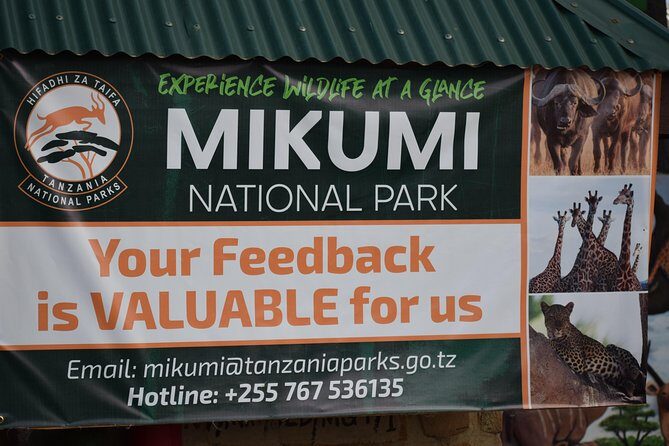
A three-day safari lives or dies by timing. You’ll start from Dar es Salaam with pickup from your hotel or another agreed point, then get the long transfer toward Mikumi National Park (roughly 5–6 hours). It’s not the kind of drive where you want to sleep through everything, because once you roll into Mikumi, you’ll want your eyes ready.
The upside of starting early is that you’re not arriving to the park at dusk and calling it a day. You’re set up for actual game viewing—plus lunch on arrival gives you a realistic break before the wildlife pressure kicks in. With an air-conditioned vehicle handling the transfer, the long day doesn’t feel quite as punishing.
Also, I like the fact the trip stays human-scaled. With a maximum of 7 travelers, you’re less likely to have that big-bus feeling during stops, photo breaks, and park viewpoints. This matters because safari days are all about small moments: a bird flitting between branches, an unexpected track near the road, or a predator’s shape emerging near the water.
A few more Dar es Salaam tours and experiences worth a look
Morogoro Region and a Maasai village visit: culture without the overlong stop
Day 1 connects the travel days to something more local. After reaching Mikumi for lunch, you’ll visit a Maasai village for about an hour. That length is short enough to keep things respectful and focused, but long enough for you to learn something real and ask questions while you’re there.
The itinerary notes an admission ticket that’s free for this part of the day. Practically, that’s a win for your budget, but the bigger win is that your schedule isn’t loaded with extra paywalls. You can spend your energy on what’s happening in front of you instead of trying to track additional costs while you’re tired from the road.
One thing to keep in mind: a one-hour cultural stop will not replace longer, deeper community learning. Still, for a quick safari, it’s a valuable balance to the wildlife-focused time. If you’re the kind of traveler who likes seeing people and daily life alongside animals, this is a strong fit.
Mikumi National Park game drives: miombo woodland and waterhole spotting
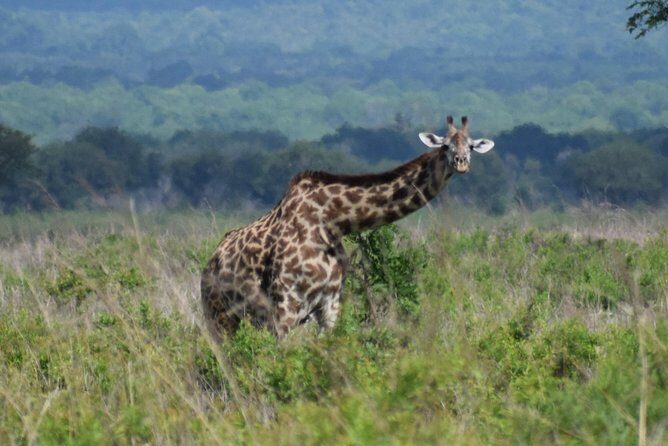
Mikumi is where your “big safari” expectations meet a park that doesn’t waste your time. The full day is built around game viewing, and it’s described as one of Tanzania’s larger parks, with strong bird life and excellent opportunities to watch predators. The habitat is mostly miombo woodland with gently rolling hills, so you’re not just scanning flat grasslands. You’re learning to read the cover.
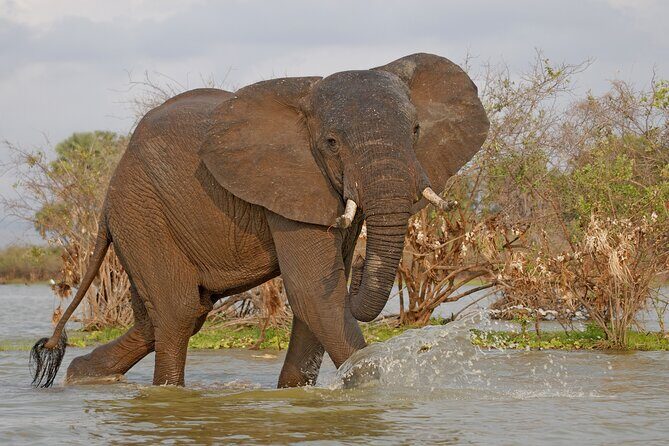
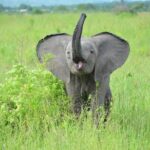
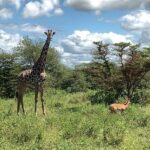
This is a good place to aim for a mix of common and thrilling sightings. The park is known for giraffes, buffaloes, and elephants, and you can also see predators such as lions and leopards, along with hippos. Hippos and other animals are often easier to catch near waterholes, and Mikumi is set up for that kind of targeted searching.
If you’re coming on your first safari, here’s the practical mindset I’d use: don’t expect every sighting to be dramatic at first glance. Safari success is often about patience and timing. The open safari car helps because you get better sightlines and easier photo angles. You’re also likely to get stops for coffee, lunch, and picture points, which can keep the day from turning into one long stretch of scanning.
How long is the wildlife time? The plan calls for a full day (about 8 hours) in Mikumi. That’s a lot for a 3-day trip. It also means you’re more likely to have at least one “wow” moment—like a lion sighting or a predator near enough to study its behavior rather than just spot it from far away.
Practical tip for wildlife watching
When you stop at a waterhole area, watch patterns, not just animals. Watch who comes first, who stays back, and how animals react to movement. In parks like Mikumi, behavior tells you where the action is going next.
Udzungwa Mountains National Park: walking time, Sanje Falls, and red colobus
Day 3 flips the script from vehicles and roads to legs and trails. After breakfast at camp, you head to Udzungwa Mountains National Park for walking (listed as about 5 hours). The focus is on stunning natural beauty, and the day includes a picnic lunch in the bush.
This is where Udzungwa becomes more than a wildlife drive. You’re looking for movement in the canopy and along the trail, and you’re slowing down enough to notice smaller signs: monkeys calling from a distance, spray rising behind falls, and birds picking their routes through the trees.
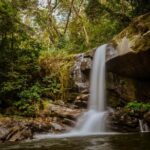
The standout attraction is Sanje Falls. You’ll explore the Sanje Falls area, with specific mention of endemic red colobus monkeys and the waterfall itself. The main experience is truly physical: standing at the base of an approximately 180m waterfall is the kind of scale that makes even confident photographers stop moving. The plan also describes the chance to reach smaller falls and jump into a plunge pool for a swim.
That detail matters for your packing choices and your comfort level. If you’re not into cold-water moments, you can still enjoy the falls without doing the swim. But if you are comfortable getting wet, it’s one of the few chances on this itinerary to add a refreshing break to all that walking.
The itinerary also notes African violets (St Paulia sp.) growing on rocks in the spray zone behind the second waterfall. That’s the kind of small, specific detail that tells you Udzungwa isn’t only about the big photo moment. You’ll likely have a guide who points out plants and animals in the exact places where they’re most visible.
A few more Dar es Salaam tours and experiences worth a look

Camp life and included meals: what the schedule does for you
For a short safari, food and rest aren’t “extras.” They’re what keep you functional for long drives and active walking.
The trip includes:
- 3 lunches
- 2 dinners
- 2 breakfasts
That’s important because you’re not stuck trying to find food options while you’re far from town. Meals are also built into the pacing, which helps you avoid the classic safari problem: losing energy right when wildlife finally shows up.
One recent example from this trip style included Camp Bastiani for two nights. Even if your exact camp differs, you can expect a camp-based setup rather than being on the road all day. Camp time gives you enough downtime to cool off, shower if available, and reset your expectations before the next wildlife push.
My advice is simple: treat meal breaks as part of the game-plan. Eat when offered, drink water, and don’t wait until you’re exhausted. On safari days, “I’ll eat later” turns into “why am I grumpy and shaky right now?”
Price and value: what $804.40 really buys (and what can add up)
At $804.40 per person for 3 days, this trip is priced for travelers who want safari value without stretching the calendar. You’re paying for the vehicle, guiding, park operations, and most meals. The itinerary also suggests admissions are effectively covered for the parts listed (like the Maasai village admission noted as free, and park tickets listed as free in the plan), though you should still watch for additional fees that can appear outside the stated inclusions.
What’s included:
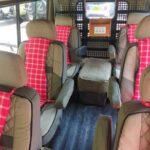
- Air-conditioned vehicle
- Open safari car for game drive
- Parking fees
- Guide/driver/car fees
- Lunches (3), dinners (2), breakfasts (2)
What’s not included:
- GST
- Landing and facility fees
- Airport/departure tax
So the “real price” depends on your end-to-end travel situation (especially if you’re adding flights or dealing with departure taxes). Still, the structure is strong: meals and safari transport are taken care of, which is exactly where many short safaris start nickel-and-diming people.
I also like that there’s a mobile ticket and pickup included. When you’re doing a multi-activity trip with early driving, reducing uncertainty is worth money.
Who this safari suits best (and who should choose longer)
This 3-day Mikumi and Udzungwa route is best if you fit one of these profiles:
- You want a first safari and you’re okay with a compact schedule
- You like mixing wildlife with cultural experiences
- You’re physically able to handle a walk in Udzungwa that includes notable waterfall time
- You want big moments—lions, elephants, and dramatic falls—without taking a whole week
It may not be ideal if you:
- Want long, slow game viewing with minimal driving between parks
- Hate packing in big activities back-to-back
- Prefer only easy, minimal walking on nature days
The reason is simple: the trip is designed for efficiency. It delivers a lot of different terrain and experiences, but you won’t have the luxury of spending multiple days deep in just one area.
Should You Book This Mikumi and Udzungwa Safari?
Yes, if your priority is a high-impact safari in a short window, and you’re excited by the idea of both vehicle game drives and a walking day to Sanje Falls. The combination of Mikumi predator/waterhole potential and Udzungwa’s endemic red colobus plus waterfall scale gives you a strong mix of Tanzania highlights without needing extra days.
Before you book, check your own comfort with road time and hiking. If you’re okay with early starts and you can handle wet conditions at the falls area, this is a solid value plan. Also, with a max group size of 7, it tends to stay manageable, so you’re more likely to get the attention you need when the guide spots something interesting.
If you’re looking for one trip that feels like safari plus nature plus culture, this is a smart choice.
FAQ
What locations does this 3-day trip cover?
It covers Mikumi National Park and Udzungwa Mountains National Park, starting in Dar es Salaam and ending back at the meeting point in Dar es Salaam.
How long is the safari experience?
The duration is listed as about 3 days.
What’s included in the price?
Included are an air-conditioned vehicle, an open safari car for game drives, parking fees, guide/driver/car fees, and meals: 3 lunches, 2 dinners, and 2 breakfasts.
What is not included?
Not included are GST (Goods and Services Tax), landing and facility fees, and airport/departure tax.
What animals can I expect to see in Mikumi?
The plan highlights giraffes, buffaloes, elephants, and lions, leopards, and hippos near waterholes, plus excellent bird life.
How much walking is involved on the Udzungwa day?
Udzungwa is described as a walking experience of about 5 hours, including a picnic lunch in the bush and time around Sanje Falls.
Is the group small?
Yes. This tour/activity has a maximum of 7 travelers.
What happens if I need to cancel or if weather is poor?
You can cancel up to 24 hours in advance for a full refund. The experience requires good weather; if it’s canceled due to poor weather, you’ll be offered a different date or a full refund. Confirmation is provided within 48 hours of booking, subject to availability.