REVIEW · ZANZIBAR
Walking in Stone Town with a Expert Tourguide
Book on GetYourGuide →Operated by Days Zanzibar Tourguides · Bookable on GetYourGuide
Zanzibar’s stories start at street level. On this Stone Town walk, I love getting Hosna’s local perspective and the way she points out details like carved Zanzibari doors and tucked-away courtyards. I also like how the tour links African, Arab, Indian, and European influences to real buildings and everyday life. One thing to watch: the pace can be quick and English may be hard to follow for some groups, and there may be a short detour connected to selling goods.
You’ll meet at Forodhani Gardens, right at the bandstand, and head into narrow lanes where spices hang in the air and history is written into coral-stone walls. Expect a mix of major sights and smaller, more personal stops—plus time in local markets to see colors, textures, and the “Spice Island” mood in action.
This is a practical, on-foot experience built for people who like asking questions, taking photos, and slowing down. The route includes uneven streets, so I’d skip it if you have limited mobility, and plan to wear modest clothes that match local customs.
In This Review
- Key highlights worth your attention
- Forodhani Gardens: your easiest launch point in Stone Town
- Anglican Cathedral first stop: orientation, photo timing, and pace
- Old Fort, House of Wonders, and the trade crossroads story
- Markets and spices: see how Zanzibar connects to daily life
- Zanzibari doors, coral stone, and quiet courtyards
- Why a female guide matters in Stone Town stories
- Price and logistics for a $25, two-hour walk
- Pace, language, and the one detour you should ask about
- What to wear and bring for Stone Town’s uneven streets
- Should you book this Stone Town walking tour?
- FAQ
- Where is the meeting point, and how early should I arrive?
- What’s the duration and language of the tour?
- Is pickup available from hotels?
- Are entrance fees included for the Old Slave Market?
- What should I wear or bring for the walk?
- Is this tour suitable for families or mobility challenges?
Key highlights worth your attention

- Forodhani Gardens bandstand start: easy central meeting point, right where the action begins.
- Old Fort + House of Wonders: standout historic stops tied to trade and Zanzibar’s crossroads role.
- Markets for spices, textiles, and crafts: you’ll see how daily life connects to Zanzibar’s reputation.
- Traditional architecture in close-up: coral-stone walls, ornate balconies, and carved doors you can spot instantly.
- Female guide storytelling: you’ll hear about women’s roles and how society has changed over time.
- English tour with a real local voice: ask questions and you’ll get answers, just mind the pace.
Forodhani Gardens: your easiest launch point in Stone Town

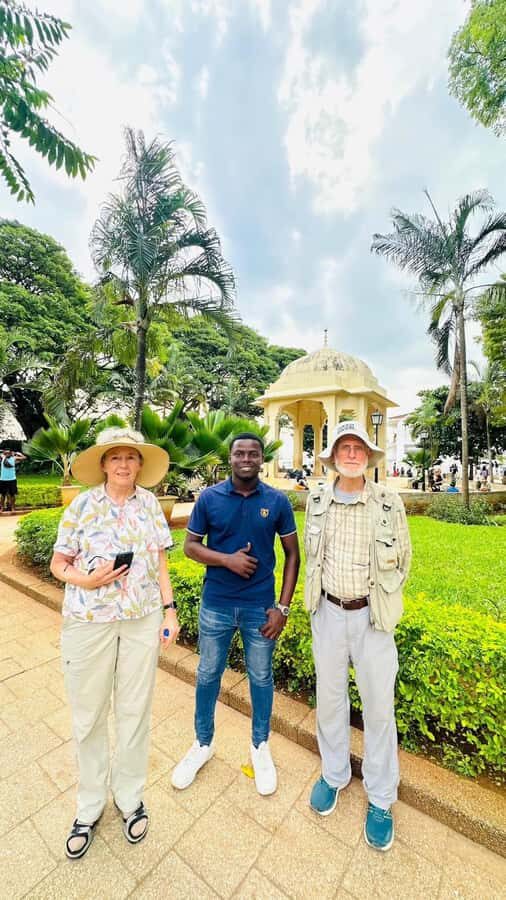
I like tours that start in a place you can actually find without stress. Here, you begin at Forodhani Gardens at the bandstand, the most central, recognizable spot for getting your bearings. It’s also a good “warm-up” location because you can quickly feel the rhythm of Stone Town—people moving through the area, shops nearby, and the sense that you’re stepping into a living city, not a museum.
From the start, the guide steers you into the narrow alley network where walking is the point. You’ll be encouraged to pause, look closely, and ask questions—so even if you’ve seen a few Stone Town photos before, you’ll likely notice things you missed in pictures.
Practical note: the tour is two hours, but the streets are uneven and narrow. Bring comfortable walking shoes. Also, modest dress matters here: plan on covering shoulders and knees.
You can also read our reviews of more walking tours in Zanzibar



Anglican Cathedral first stop: orientation, photo timing, and pace
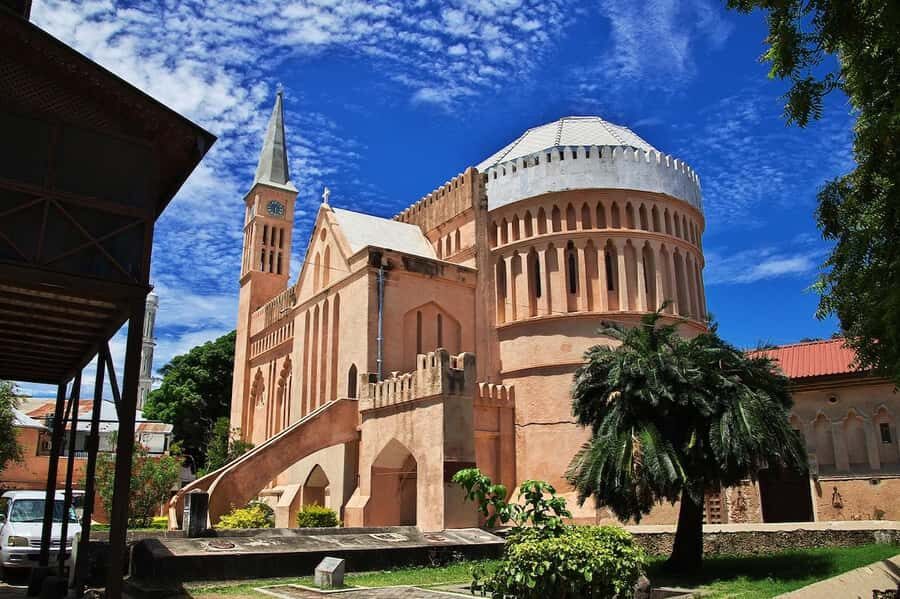
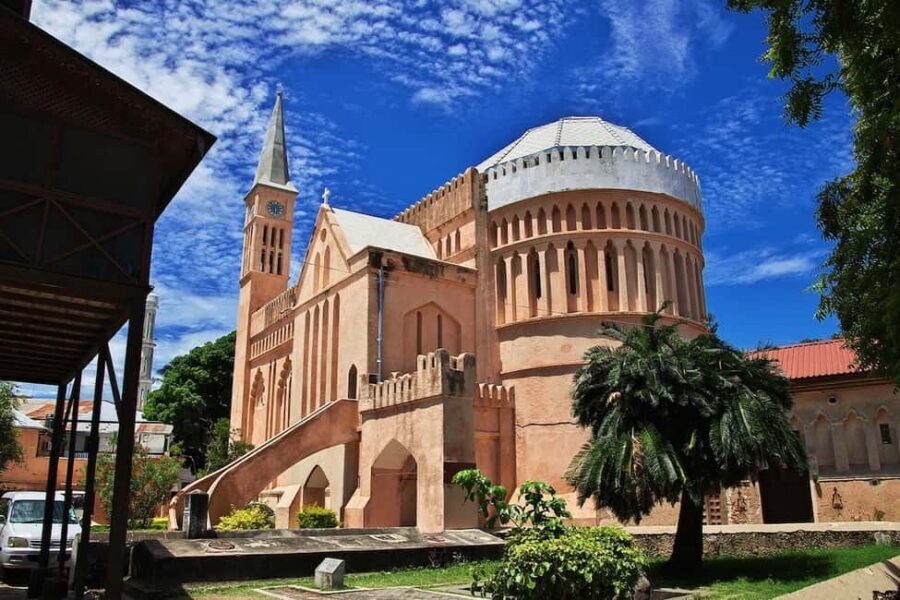
One scheduled stop is the Anglican Cathedral in Stone Town. You’ll have time for a photo stop and a guided visit around this area. Even if you’re not the type who gets excited about churches, this is a useful anchor point: it gives you a visual landmark while you get oriented in the city’s layout.
It also helps you understand the layers of Stone Town’s past. The guide’s explanations tie the architecture and history together—so you’re not just collecting sights. You’re learning how Zanzibar’s connections across regions shaped what you see in the streets today.
Speed is the main thing to pay attention to. The tour is described as leisurely overall, but at least some groups have experienced the guide speaking fast. If that might bother you, mention it early and ask for slower repetition when needed.
Old Fort, House of Wonders, and the trade crossroads story

The heart of the tour is historic landmarks that make Stone Town’s reputation make sense. You’ll visit the Old Fort, the House of Wonders, and areas connected to the former Sultan’s Palace.
Here’s why I think these stops are worth your time:
- The buildings aren’t isolated monuments. They connect to Zanzibar’s role in trade and cultural mixing.
- You get context for what the guide is pointing at—balconies, walls, and building styles that reflect outside influences meeting local craftsmanship.
The House of Wonders is especially meaningful as a concept during a walking tour because it’s part of a broader story about power, wealth, and planning in a city built for movement—ships, merchants, and ideas. The Old Fort adds a different angle: security, control, and the practical side of a trading hub.
You don’t just walk past these places. The guide explains the why, and that’s what turns a list of sights into understanding.
Markets and spices: see how Zanzibar connects to daily life
A big part of this experience happens in and around local markets, where the “Spice Island” idea becomes real. You’ll walk through stalls offering spices, produce, textiles, and crafts, and you’ll see how everyday shopping blends with the tourism economy.
I like market stops on tours for two reasons:
1) They show you how locals actually live and buy things.
2) They give you a chance to use your senses—smell spices, look at colors and textures, and ask practical questions about what’s what.
Bring a small amount of cash if you want souvenirs or snacks. Also, don’t feel pressured to buy. Use the market to learn. Ask the guide how to tell what spices are used for, or what types of items are most commonly purchased locally. You’ll get more value that way than if you only chase bargains.
If you’re worried about shopping detours, ask in advance how the tour handles extra stops. One group reported being taken to a short gemstone sales demonstration, which you might prefer to skip.
Zanzibari doors, coral stone, and quiet courtyards
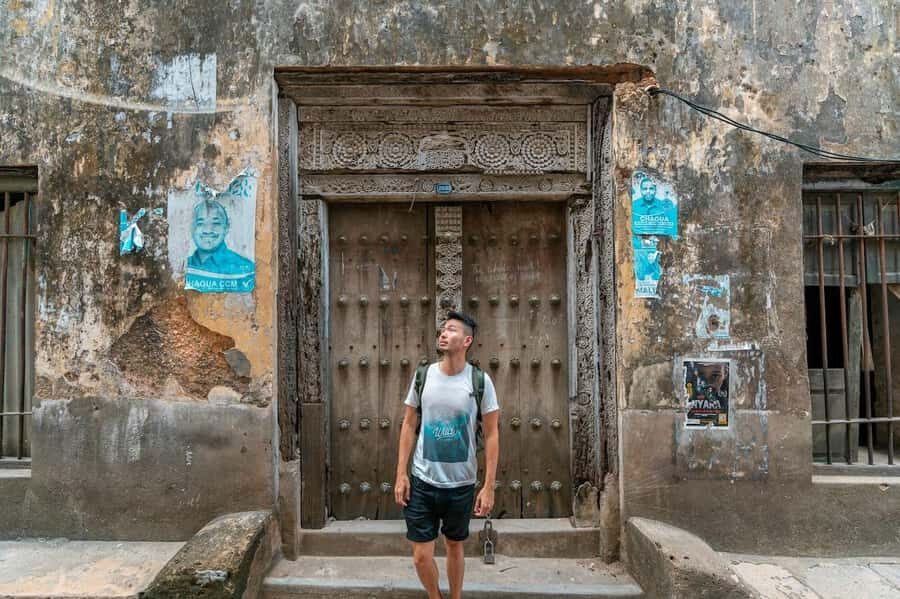
If you want architecture you can actually study up close, this is your tour. The guide points out traditional Zanzibari doors, plus the broader design language of Stone Town: coral-stone walls, ornate balconies, and carved details that look different once you see them at walking speed.
A good walking guide doesn’t just say “this is old.” This one helps you notice patterns:
- carved woodwork that signals skill and status
- building shapes that reflect climate and social space
- small, private spaces you’d miss if you only looked at street facades
You’ll also be led toward quieter spaces such as secret courtyards and tucked-away cultural sites. Those moments are often why people remember a guide-led walk more than a bus tour. It’s the difference between seeing an area and understanding how people used space in the city.
Photo tip: corridors, doorways, and courtyard entrances can be tricky for lighting. Take your pics quickly, then move on. Don’t block entrances while you shoot.






Why a female guide matters in Stone Town stories
One of the strongest reasons to book this style of tour is the female guide perspective. The experience is designed around more than facts about dates and buildings. You’ll hear stories that connect to the role of women in Zanzibari society—both past and present—framed through the guide’s lived understanding.
This matters because Stone Town is often told as a story of trade routes and rulers. A guide can shift the lens toward people: daily life, social change, and resilience. In practice, this can make the tour feel more personal and less scripted.
You may also get a better conversation flow if you’re the kind of traveler who likes questions and back-and-forth. One guide named in the experience was Hosna, and she’s specifically described as experienced and able to answer questions. That’s a good sign for anyone who wants more than a one-direction lecture.
Price and logistics for a $25, two-hour walk
At $25 per person for about two hours, I see this as decent value if you like guided interpretation. You’re not only paying for walking. You’re paying for:
- local context across multiple historic stops
- market guidance (what to look for and how to approach people)
- architecture commentary that’s hard to get from a phone alone
- the added angle of a female guide’s perspective
Pickup is available from Stone Town hotels if you request it in advance. That can be a real quality-of-life upgrade, especially if you’re juggling arrival times or the city streets feel chaotic when you first step out.
What’s not included is also important for budgeting. Entrance fees to places like the Old Slave Market are not included, and food and drinks aren’t included. If you’re planning a snack afterward, bring money so you’re not stuck hunting for an ATM right when you’re hungry.
Also, small practical details matter: baby strollers aren’t allowed, and the tour notes it may not suit mobility challenges.
Pace, language, and the one detour you should ask about
This is where you should be choosy, especially if you’re sensitive to fast speaking or language clarity. The tour is offered in English, and at least some groups have found the guide too fast to follow well.
Here’s what I’d do to prevent frustration:
- If you prefer slower explanations, tell the guide you’d like more time on questions.
- If you’re not confident in English speed, ask at the start whether the guide can repeat key points.
The other consideration is shopping pressure. Some groups reported a short gemstone sales demonstration (around 15 minutes). That doesn’t ruin the whole tour for everyone, but if you’d rather spend that time looking at doors and courtyards, ask the operator ahead of time what extra stops might happen.
Despite these points, the strong feedback centers on guides who explain well and answer questions. If you get a slower, clearer guide (and many do), this becomes a smooth, memorable Stone Town walk.
What to wear and bring for Stone Town’s uneven streets

This tour is active. You’ll be walking through narrow alleys and uneven streets, so comfortable shoes are non-negotiable. Stone Town sun can hit fast, even when the shade looks promising, so come prepared.
I’d pack:
- a hat, sunscreen, and sunglasses
- modest clothing that covers shoulders and knees
- a small amount of cash for market browsing or souvenirs
If you’re the type to take lots of photos, charge your phone fully and carry a power bank if you can. You’ll spend time at key stops like the cathedral and major historic buildings, plus in the markets where you’ll want quick shots.
And keep it respectful: you’ll be in active local spaces. Slow down at entrances, watch where you step, and don’t block vendor displays while you look around.
Should you book this Stone Town walking tour?
Book it if you want a guided Stone Town experience built around interpretation, not just landmarks. I think it’s especially worth it if you like architecture details (traditional doors, coral-stone textures) and you want market context tied to Zanzibar’s spice reputation. The female guide angle adds real value, because it shifts the story toward people and social roles.
Skip or choose carefully if:
- you struggle with fast English explanations
- you want a tour with zero shopping detours
- you have mobility limits, since the route includes uneven streets
- you’re traveling with very young children (babies under 1 year aren’t suitable, and strollers aren’t allowed)
If you decide to go, do one smart thing: ask ahead whether any optional sales stops are planned so you can set expectations and keep your time focused on Stone Town.
FAQ
Where is the meeting point, and how early should I arrive?
Meet at Forodhani Gardens in Stone Town, right at the bandstand (central pavilion). Arrive at least 10 minutes before the tour starts so you can check in and begin on time.
What’s the duration and language of the tour?
The walking tour lasts about 2 hours and is conducted in English.
Is pickup available from hotels?
Yes, pickup from Stone Town hotels is available if you request it in advance. The tour starts in Stone Town, so it’s not described as an island-wide transfer from other areas.
Are entrance fees included for the Old Slave Market?
No. Entrance fees or tickets to the Old Slave Market are not included, and you would pay on-site.
What should I wear or bring for the walk?
Wear comfortable walking shoes for narrow alleys and uneven streets. Dress modestly by covering shoulders and knees, and bring a hat, sunscreen, and sunglasses. It’s also useful to carry a small amount of cash for souvenirs or snacks.
Is this tour suitable for families or mobility challenges?
Baby strollers aren’t allowed. Babies under 1 year aren’t suitable, and people over 95 years aren’t suitable. The tour may not be suitable for those with mobility challenges due to the walking route.