REVIEW · MOSHI
Kilimanjaro Machame Route 7 Days
Book on Viator →Operated by Kilimanjaro Brothers · Bookable on Viator
Kilimanjaro hits different when you slow down. This 7-day Machame Route packs you through rainforest, alpine zones, and volcanic high country on the way to Uhuru Peak, with hotel time in Moshi before and after. What makes this itinerary feel practical is its focus on altitude acclimation using shorter, smarter walking days rather than rushing you upward.
I especially like the way the package blends comfort with real safety tools: emergency oxygen tanks, VHF radios, and a Gamow Bag are listed as included. You also get daily support that goes beyond waving at you from a distance—there’s a stated plan to monitor oxygen levels with a pulse-oximeter, and camp logistics are set up so you’re not stuck improvising.
The main drawback to weigh is the cost and the reality of altitude. At $2,669.88 per person, you’re paying for a lot of guided infrastructure—and even with acclimation, climbing to 5,895 m still carries real risk and depends on good weather.
In This Review
- Key things I’d watch for on this Machame Route trek
- Why Machame in 7 Days helps you (and why it matters)
- The safety setup: oxygen, radios, and the Gamow Bag
- Moshi before and after: hotel comfort that reduces stress
- Day by day on the Machame Route (what each stage feels like)
- Day 1: Machame Gate to Machame Camp (rainforest start)
- Day 2: Machame Camp to Shira Camp 2 (low alpine shift)
- Day 3: Shira Camp 2 via Lava Tower to Barranco Camp (the big day)
- Day 4: Barranco Camp to Karanga Valley Camp (shorter, useful recovery)
- Day 5: Karanga Valley Camp to Barafu Camp (getting ready to summit)
- Day 6: Uhuru Peak day—summit and descend to Mweka Camp
- Day 7: Mweka Camp down to Mweka Gate, then ceremony and transfer
- Food, water, and camp comfort: the practical stuff that keeps you moving
- Price and value: what $2,669.88 actually covers
- The small details that signal professionalism
- Who this Kilimanjaro Machame trek suits best
- Should you book this Machame Route 7 Days trek?
- FAQ
- What route is included, and how long is the trek?
- Where does the trek start and what’s the first major climb?
- What’s the highest point you reach?
- How many days do you spend walking?
- What meals and water are included?
- What safety and emergency equipment is included?
- Is porter support included for the summit attempt?
- What is not included in the price?
- Is cancellation possible if weather is bad?
Key things I’d watch for on this Machame Route trek
- Altitude strategy built in: shorter walking windows on key days to help your body adjust.
- Safety gear included on the mountain: oxygen tanks, VHF radios, Gamow Bag, and a pulse-oximeter.
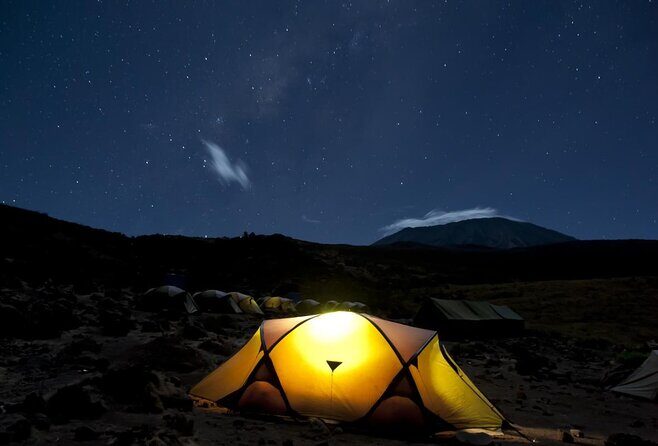
- Meals + camp comfort are part of the deal: all meals on the mountain plus waterproof tents, sleeping mats, and solar LED lights.
- Proper human logistics: arrival/departure transfers, plus a porter to carry your day-pack on the summit attempt.
- Your route includes the classic Kili story arc: Machame Gate → Shira → Lava Tower → Barranco → Karanga → Barafu → Uhuru Peak → Mweka.
Why Machame in 7 Days helps you (and why it matters)
Machame is one of the most popular Kilimanjaro routes for a reason: it gives you variety. You start in the rainforest zone, then climb into low alpine and high alpine, and by the time you reach the top area you’re dealing with thin air and a glacial zone environment.
This 7-day structure is meant to reduce the most common first-timer problem: altitude stress. The walking schedule includes multiple days where the “move up” part is manageable (for example, shorter segments from camp to camp on days 2 and 4), which helps you acclimatize before the longer push days.
Still, don’t let the pacing trick you into thinking it’s easy. Even the “short” days here can be slow going because you’re high up, your lungs are working harder, and your pace needs to stay steady.
A few more Moshi tours and experiences worth a look
The safety setup: oxygen, radios, and the Gamow Bag
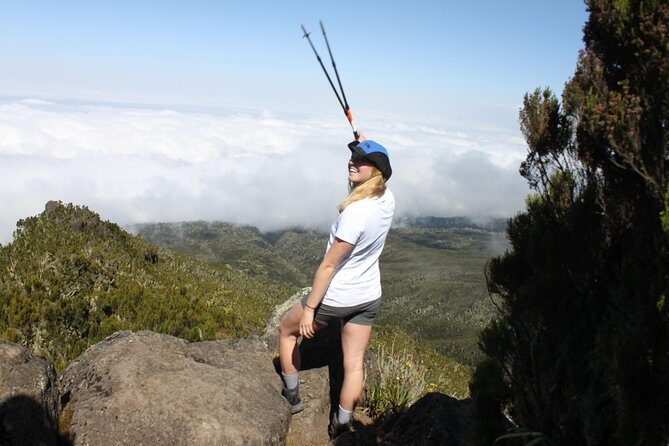
This is one of the strongest value points in the package. It doesn’t rely only on good intentions or luck. You’re told that these items are included:
- Emergency oxygen tanks
- VHF handheld radios carried on each trek
- Gamow Bag (a portable hyperbaric chamber)
- Pulse-oximeter to measure oxygen levels
- Rescue fees on mountain
- A VHF approach matters because communication on Kilimanjaro can be slow when you need help fast.
When you’re considering a high-altitude trek, ask yourself what happens if someone’s symptoms spike. The inclusion of the Gamow Bag and oxygen doesn’t guarantee a painless climb, but it does signal that the operator is planning for emergency scenarios instead of treating them as rare events.
Moshi before and after: hotel comfort that reduces stress
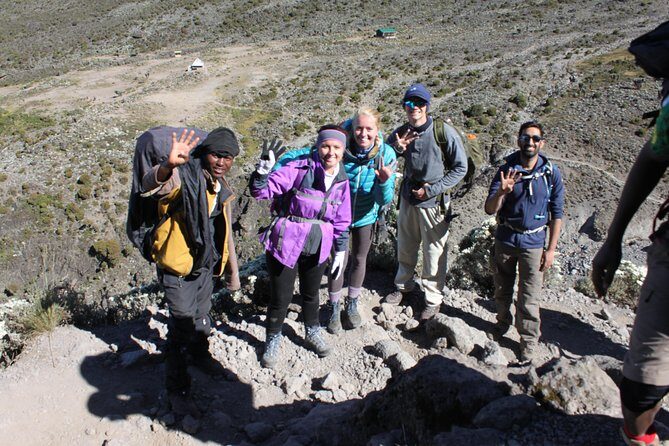
Kilimanjaro works best when you arrive rested and leave with your dignity intact. This trip includes transfers and hotel nights in Moshi, with accommodation listed as classic standard and comfort hotel stays before and after the trek.
Why I like this setup: the night before you start matters. You don’t want your pre-climb day swallowed by logistics—getting from the airport to your base, organizing sleep, and dealing with last-minute gear chaos. This itinerary explicitly includes arrival and departure transfers, plus all transportation in the destination area.
After you summit, you also get a structured landing: certificate and summit party ceremony happens after you descend to Mweka Gate and then transfer back to your hotel.
Day by day on the Machame Route (what each stage feels like)
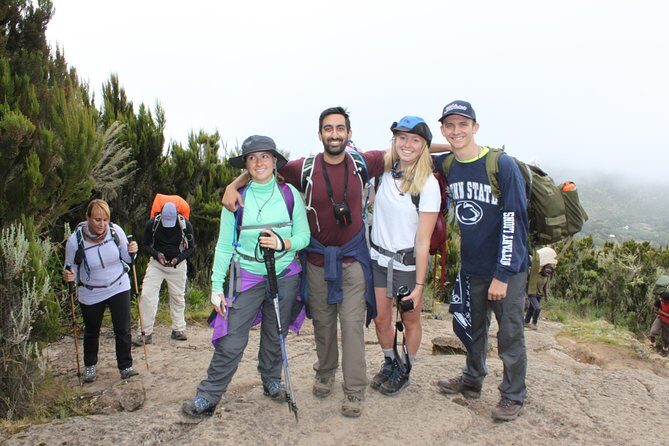
What follows is the climb rhythm you’ll live. Distances, elevation gains, and camp names are included in the plan, and the terrain changes are the real “workout.” Plan on slow steps and lots of breathing checks.
Day 1: Machame Gate to Machame Camp (rainforest start)
- Drive to Machame Gate at 1,640 m
- Climb to Machame Camp/Machame hut at 2,850 m
- 5–6 hours, about 11 km
- Terrain: Rainforest
This first day is your warm-up to altitude. You’re still in the rainforest zone, so expect humidity and thick air. The key on day 1 is not “speed,” it’s getting your breathing smooth and your hydration consistent.
A common mistake is getting excited and walking too fast because the terrain feels manageable at lower elevation. The win here is discipline.
Day 2: Machame Camp to Shira Camp 2 (low alpine shift)
- Climb to Shira Camp 2 at 3,810 m
- 5–6 hours, about 5 km
- Zone: Low Alpine
Day 2 is a shorter distance but higher altitude. That’s the point. You’ll trade “miles” for “breath.” It also sets you up for the next long day by letting you reach a higher camp without draining yourself.
If you’re feeling tight in the chest or headachy, this is where your pacing pays off. The trip includes tools to monitor oxygen levels (pulse-oximeter), but you still need to respect your own limits.
Day 3: Shira Camp 2 via Lava Tower to Barranco Camp (the big day)
- Route: Shira Camp 2 → Lava Tower (4,630 m) → Barranco Camp (3,976 m)
- 8–9 hours, about 10 km
- Zone: Low alpine to high alpine
This is one of the longest walking days listed. Lava Tower is also a mental milestone: it’s a recognizable high point, and it tends to wake up your legs after the prior day.
You’ll want to keep your effort even. Going too hard up to the Lava Tower usually backfires because you still have camp time to cover afterward.
Day 4: Barranco Camp to Karanga Valley Camp (shorter, useful recovery)
- Climb to Karanga Valley Camp at 3,995 m
- 4–5 hours, about 4 km
- Zone: High alpine
This is the kind of “short day” that helps you breathe again. At these elevations, a few kilometers can feel like a long hike, so don’t dismiss it—but it’s far less punishing than day 3.
Day 4 is a good time to focus on camp routine: water intake, warm food, and consistent rest. When you do that, summit day goes from impossible-looking to simply difficult.
Day 5: Karanga Valley Camp to Barafu Camp (getting ready to summit)
- Climb to Barafu Camp around 4,673 m
- 4 hours, about 4 km
- Zone: High alpine
This day is short on paper, but it’s also part of your summit build-up. Barafu camp is where you’re setting yourself up for the big summit push the next day.
This is also where you’ll be thinking about clothing layers, hydration, and how you’ll handle cold at higher elevation. The package includes waterproof tents, sleeping mats, and solar LED lights, which helps you stay functional after dark.
Day 6: Uhuru Peak day—summit and descend to Mweka Camp
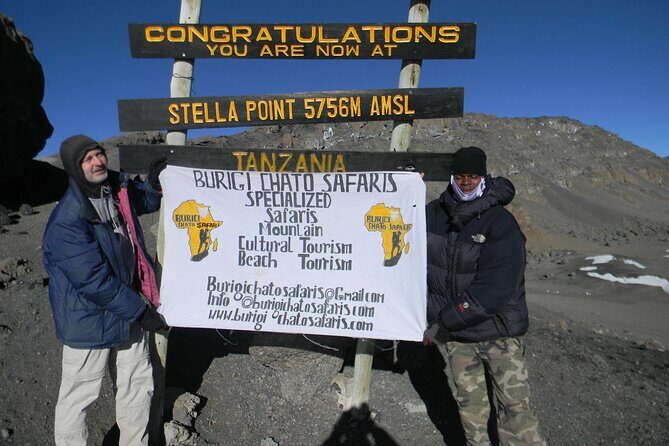
- Climb to Uhuru Peak at 5,895 m
- Then descend to Mweka Camp (listed as 10,000 ft)
- 4–6 hours, about 12 km
- Zones: Glacial zone and all preceding zones
Summit day is the whole reason people come. It’s also the day where good altitude habits matter most: slow steps, regular sips, and a plan for the cold.
What’s included that helps you on this day:
- Emergency oxygen tanks and a Gamow Bag for response if needed
- A team setup that includes communication via VHF radios
- A porter to carry your day-pack during the summit attempt, which can reduce extra strain when you’re already working hard
That porter detail is underrated. If you’ve ever tried to summit while carrying extra weight, you know how much it affects your legs and energy.
Day 7: Mweka Camp down to Mweka Gate, then ceremony and transfer
- Descend to Mweka Gate (listed at 4,600 m)
- 4–5 hours, about 4 km, then transfer back to your hotel
- Also listed: additional descent from Mweka Camp to Mweka Gate as part of the total day effort
- Terrain: Rainforest
Day 7 is relief, plain and simple. You’re going from high altitude toward a much more forgiving environment. Expect a slower, careful walk—your body has done a major job and your knees may remind you of it.
After you reach Mweka Gate, the itinerary includes transfer to your previous hotel for the certificate and summit party ceremony. It’s a nice touch because it gives closure, not just a “drop-off and go home” feeling.
Food, water, and camp comfort: the practical stuff that keeps you moving
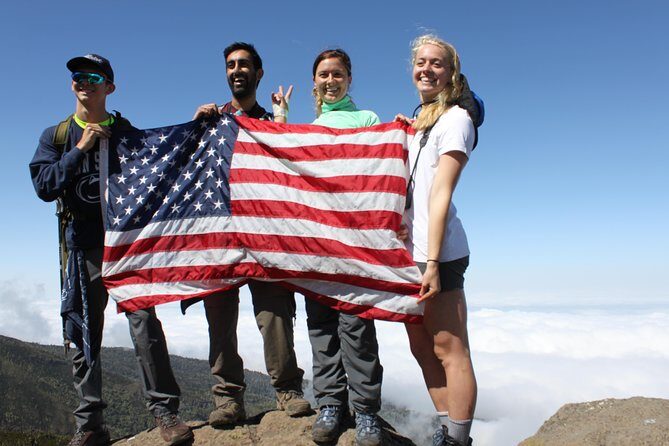
A successful Kilimanjaro climb isn’t only about legs. It’s also about staying fueled and staying hydrated while living in cold, thin air.
This package includes:
- All meals while on the mountain (breakfast, lunch, dinner listed as 7 each)
- Clean, purified drinking water
- Warm water for washing every day
- Camp support items like toilet tents, tents and sleeping mats, and high powered solar LED lights
- A portable personal flash toilet
Meals matter on Kili because you’ll burn calories steadily at altitude. Even if you don’t love the idea of eating on climb days, the plan is built so you’re not stuck searching for calories halfway through your hike.
And yes, the warm wash-up bit is huge. It’s the kind of comfort that keeps you from feeling grimy and exhausted when the day’s work is already heavy.
Price and value: what $2,669.88 actually covers
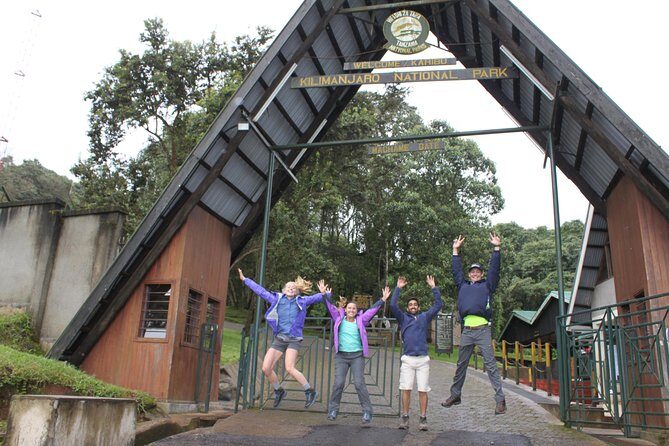
Let’s talk money without hand-waving. At $2,669.88 per person, you’re not just paying for guide time. You’re paying for a full mountain support system: guides, porters, camp gear, communications, and safety resources.
Included items that drive value:
- Emergency oxygen tanks and Gamow Bag
- VHF radios for communication
- Pulse-oximeter for oxygen level checks
- Rescue fees on mountain
- All meals and purified water
- Tents, sleeping mats, solar LED lighting, and toilet tents
- Entry/park fees listed as included
- Porter to carry your day-pack during the summit attempt
- Hotel nights in Moshi and arrival/departure transfers
What’s not included:
- Tips
- Tanzania visa on arrival
- Personal expenses like laundry, phone calls, beverages
- Optional add-ons like safari after your climb
So the value question becomes: do you want the added cost to buy down risk and friction? If you’d rather show up and focus only on pacing, breathing, and layers, this package structure makes sense.
The small details that signal professionalism
Even when you’re not thinking about logistics, details show up daily. This itinerary includes things you’ll actually notice on the mountain:
- Warm water every day for washing
- Clean, purified water instead of guesswork
- Portable flash toilet and camp toilet setups
- Solar LED lights for nighttime comfort and camp safety
- A porter strategy that keeps your summit effort cleaner
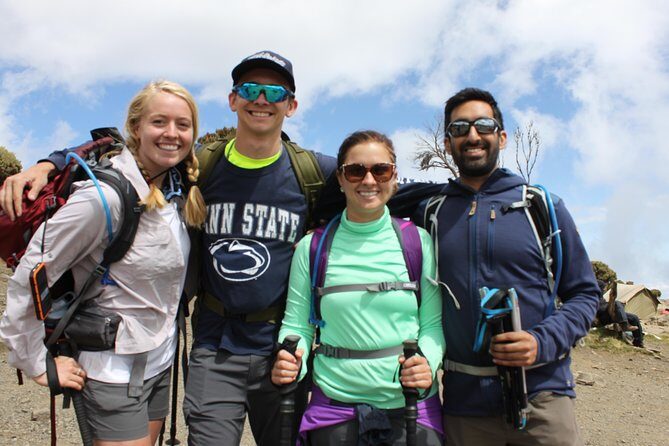
On the human side, past clients describe smooth airport arrival experiences and very supportive guiding teams. Names mentioned in that feedback include George Mtaki (Senior guide & Director), Kelvin at the airport greeter, and Mo as part of the guiding team. Even without dwelling on names, the theme is consistent: organization is a core part of the service.
Who this Kilimanjaro Machame trek suits best
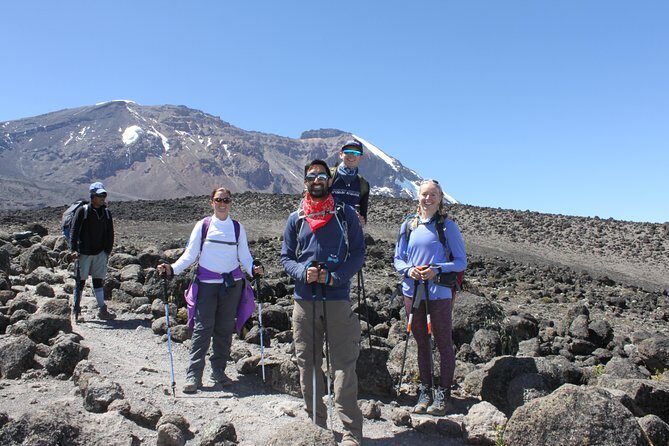
This trek is listed as requiring moderate physical fitness. That usually means you can hike multiple hours on uneven terrain and you’re comfortable with slow climbs in cold air.
It’s a good fit if:
- You want a 7-day Machame plan with built-in acclimation days
- You prefer a package that handles meals, tents, water, and mountain safety tools
- You’d rather spend your energy on pacing than on camp logistics
It’s a tough fit if:
- You struggle with altitude even at lower elevations (and you have no acclimation experience)
- You’re looking for an easy walk. This is still a real challenge, especially day 3 and summit day.
Should you book this Machame Route 7 Days trek?
Book it if you want a structured climb where safety and logistics are baked in. The included mountain gear—oxygen, Gamow Bag, VHF radios, and monitoring equipment—means you’re not betting your trip on hope. Add full meals, purified water, warm washing, and camp comforts like solar lights, and you get a smoother climbing experience with less mental load.
Don’t book it blindly if you’re unsure about your altitude tolerance or you’re chasing comfort over challenge. Kilimanjaro is still altitude first. You’ll get pacing help, but the climb to Uhuru Peak is demanding and weather-dependent.
If you’re ready to train a bit, dress in layers, and move slowly with discipline, this Machame 7-day option is a solid choice.
FAQ
What route is included, and how long is the trek?
This is a 7-day Machame Route itinerary climbing Kilimanjaro from Moshi.
Where does the trek start and what’s the first major climb?
You’re driven to Machame Gate (1,640 m) and then climb to Machame Camp/Machame hut (2,850 m) on day 1.
What’s the highest point you reach?
The itinerary includes summiting Uhuru Peak at 5,895 m, then descending to Mweka Camp.
How many days do you spend walking?
The plan includes 6 full days of walking and 2 nights of accommodation in Moshi.
What meals and water are included?
It includes all meals while on the mountain (breakfast, lunch, dinner) and clean, purified drinking water.
What safety and emergency equipment is included?
Included items listed are emergency oxygen tanks, VHF handheld radios, a Gamow Bag (hyperbaric chamber), rescue fees on mountain, and a pulse-oximeter to measure oxygen level.
Is porter support included for the summit attempt?
Yes. The package includes a porter to carry your day-pack during the summit attempt.
What is not included in the price?
Not included: tips, Tanzania visa on arrival, and personal expenses like laundry, telephone, and beverages, plus optional tours.
Is cancellation possible if weather is bad?
The experience states it requires good weather. If it’s canceled due to poor weather, you’ll be offered a different date or a full refund, and you can cancel up to 24 hours in advance for a full refund.