REVIEW · ZANZIBAR
Stone Town Private Tour with Slave Market Tickets
Book on Viator →Operated by Maulid Omar · Bookable on Viator
A few streets in Stone Town can change how you see Zanzibar. This private tour strings together the coast’s Swahili culture, UNESCO architecture, and the city’s toughest 19th-century history.
I loved the way Maulid Omar tells the story behind the buildings, not just the buildings themselves. I also liked how the route mixes major sights with local-market time, so you’re not just walking past stalls behind a camera. One thing to consider: you’ll move at a city pace, and parts of the route cover busy market areas, so plan comfy shoes and expect some crowds.
You’ll start at Forodhani and spend 3 to 4 hours weaving through Stone Town’s lanes, from the slave-trade stop to churches, forts, palaces, and evening food gardens. The trip is priced at $30 per person and includes the former slave market entry plus bottled water, so you’re not constantly reaching for your wallet.
In This Review
- Key things I’d watch for before you go
- Stone Town’s story, told in the order that makes sense
- How the tour runs: 8:30 am start, 3–4 hours, mobile ticket
- Stop 1: Old Slave Market and Anglican Cathedral—where the story gets real
- Stop 2: Freddie Mercury Museum—short and sweet, tickets not included
- Stop 3: Old Fort (Ngome Kongwe)—Portuguese and Arab layers in one place
- Stop 4: Darajani Bazaar—markets for real life, not just photos
- Stop 5: Stone Town streets to Zanzibar Coffee House—rest and reset
- Stop 6: People’s Palace Museum / Sultan Palace access—power on display
- Stop 7: Forodhani Gardens—where Stone Town turns into evening food
- Stop 8: St. Joseph’s Roman Catholic Cathedral—Notre Dom of Zanzibar vibes
- Stop 9: Old Dispensary—medical history with local roots
- Stop 10: Tippu Tip’s House—power, trade, and names you’ll keep seeing
- Why Maulid Omar makes this tour worth the money
- What to bring (and how to avoid common hassles)
- Is this the right tour for you?
- Quick FAQ
- FAQ
- How long is the Stone Town Private Tour with Slave Market Tickets?
- What time does the tour start and where does it meet?
- Is it a private tour?
- What’s included in the price?
- What isn’t included?
- Do I need good weather?
- Should you book it?
Key things I’d watch for before you go
- Private group pace: it’s only your group, so you can ask questions without feeling rushed.
- Slave market ticket included: you get admission where it matters most, and the stop includes artifacts and key sites.
- Freddie Mercury museum is separate: the museum stop is short, and admission is not included.
- Market time is built in: you’ll hit Darajani Bazaar for a close look at daily catches and spices.
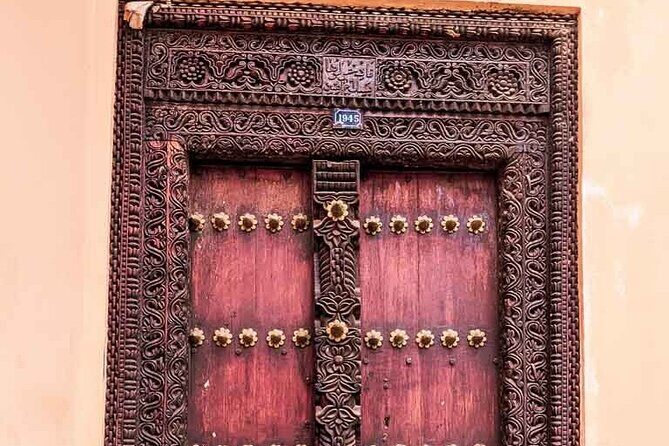
- UNESCO look at real doors and buildings: the route is designed to help you spot the architectural blend that earned Stone Town UNESCO status.
- Good weather matters: it requires decent conditions, and you’ll be offered a different date or a full refund if canceled due to poor weather.
Stone Town’s story, told in the order that makes sense
Stone Town is the kind of place where architecture isn’t decoration—it’s evidence. On this private tour, I like that you’re guided through the city in a logical flow, starting with the slave-trade sites and then moving through the institutions, palaces, and places of worship that grew around trade and power.
This is also a value play. At $30 per person, you’re not just paying for a guide—you’re getting bottled water and entrance where admission matters most: the former slave market. You can also keep the tour from turning into a cash sprint because most stops on the route are free of extra tickets.
The other smart part is the balance: history plus everyday life. You’ll spend time at local markets—Darajani Bazaar in the morning—and you’ll end up at Forodhani Gardens, where the atmosphere shifts toward evening food and people-watching.
You can also read our reviews of more tours and experiences in Zanzibar.



How the tour runs: 8:30 am start, 3–4 hours, mobile ticket
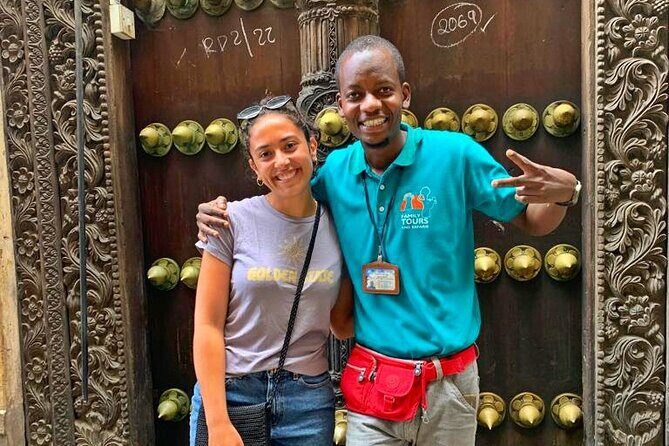
The meeting point is Forodhani Park (Forodhani of Zanzibar, R5QQ+VJ6). The tour starts at 8:30 am and returns to the same meeting point. You’re looking at 3 to 4 hours overall, depending on questions, walking pace, and how much you want to linger.
You’ll receive a mobile ticket, which is handy in a place where you may be juggling heat, phone battery, and directions. Also, since it’s private, you’ll only share time and space with your group—not a mixed bus crowd.
And yes, it can get warm and busy. Comfortable shoes matter here more than fancy sandals. You’re also moving through narrow lanes and market aisles where it’s hard to stop suddenly without slowing everyone down.
Stop 1: Old Slave Market and Anglican Cathedral—where the story gets real
This is the most important stop on the route, and it’s handled with a clear focus. You’ll visit the Old Slave Market / Anglican Cathedral area and trace the history of the slave trade across Zanzibar and wider East Africa. The stop includes admission, and it’s also where you’ll hear about the Slave monuments and the Slave Chamber, plus the site where enslaved people were sold.
What I appreciate is that the description isn’t vague. You’re meant to explore the specific areas tied to the trade and understand the significance of artifacts found on-site. You’ll also notice references to famous figures connected with the era, including Dr David Livingstone and missionaries, which helps you place what you’re seeing in a broader historical web.
Practical tip: this stop can hit hard. If you’re the type who likes time to process, don’t rush it just because the tour moves forward. The rest of the day will be easier once you’ve given this piece the attention it deserves.
Possible consideration: because this is an admission-included stop, it’s also one of the easiest places to feel the emotional weight of the tour. If you prefer lighter sightseeing on vacation, you might want to think about whether this topic is your pace.
Stop 2: Freddie Mercury Museum—short and sweet, tickets not included

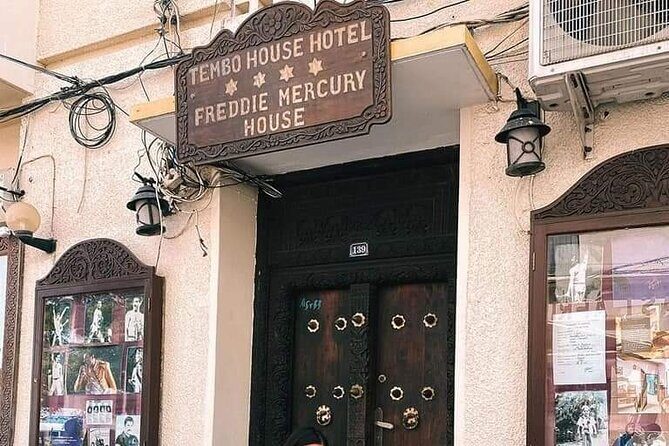
Next up is a quick visit to the Freddie Mercury Museum. It’s listed for about 20 minutes, and the admission is not included in the tour price.
This makes sense if you’re using the tour as a way to orient yourself first. The guide can point out what’s worth seeing, and then you decide whether you want to pay for the museum experience in full.
Practical tip: if you know you want a longer look, plan to handle the museum ticket decision yourself and don’t assume you’ll get the full museum unless you extend the visit.
Stop 3: Old Fort (Ngome Kongwe)—Portuguese and Arab layers in one place

Then you’ll head to the Old Fort (Ngome Kongwe). The stop is short (about 20 minutes), but the focus is on the layers: an open amphitheatre, a Portuguese chapel, and the Busaid Arab fort connection.
I like this stop because it doesn’t treat the fort as one single story. It frames it as a spot where different influences left their marks. If Stone Town’s UNESCO status has you curious about architecture and cultural mixing, this is the kind of stop that makes it easier to see patterns instead of memorizing facts.
Possible drawback: you’ll only have about 20 minutes, so if you’re a detail-chaser, you may want extra time after the tour on your own.
You can also read our reviews of more private tours in Zanzibar





Stop 4: Darajani Bazaar—markets for real life, not just photos
Your tour then moves to Darajani Bazaar for about 20 minutes. This is one of the stops that turns sightseeing into something more personal: you’ll see fruits, vegetables, fish, meats, and spices, and you’ll get a chance to shop, test, photograph, and look at the daily catch from the Indian Ocean.
Even better, it’s framed as an everyday Zanzibari producer-to-market moment, so you’re not only viewing goods—you’re seeing how the local food system works. If you like asking questions and learning what locals buy and cook, this is a good time.
Practical tips:
- Keep cash or small bills handy for market purchases (the tour can’t include personal spending).
- If you want to “test” things, go slow. Market food can be delicious, but you’re still walking afterward.
Stop 5: Stone Town streets to Zanzibar Coffee House—rest and reset
Next, you’ll be dispatched into the narrow lanes of Stone Town up to Zanzibar Coffee House. You’ll have about 15 minutes here, and the goal is simple: take a short break and enjoy aromatic coffee of your choice.
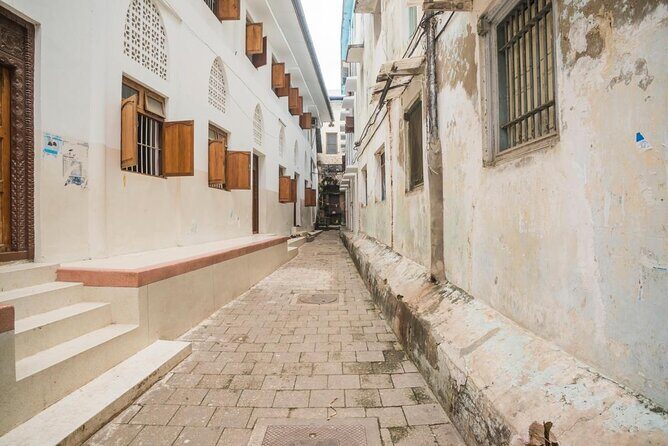
This isn’t just a coffee stop. It’s also where you get your bearings. Stone Town lanes can feel like a maze—one that’s beautiful and disorienting at the same time. A quick pause gives your eyes time to catch details: door shapes, carved wood, stonework, and the general blend of styles that UNESCO recognized.
Possible consideration: if you’re not a coffee person, you may still enjoy the break, but you’ll want to choose something else if offered.
Stop 6: People’s Palace Museum / Sultan Palace access—power on display

The tour proceeds to the Sultan Palace area, listed as 20 minutes, with the chance to capture the history of the Sultan dynasty and explore the ambience inside the palace.
This is one of those stops where timing matters. You’ll likely be switching from street life (markets and lanes) to a more formal environment that reflects how authority and wealth were projected in Stone Town’s peak trading days.
If you care about the “how did people live” side of history, this stop helps connect the slave-trade narrative to the political structures of the time. Even if you don’t go deep into museums, having a guided frame makes the palace feel less like random grand rooms.
Stop 7: Forodhani Gardens—where Stone Town turns into evening food
Forodhani Gardens is a familiar name for a reason. You’ll spend about 20 minutes there, and the idea is evening-style relaxation: locals vend sea foods, sugarcane juices, BBQ, Zanzibar pizza, and other street treats.
This is the part of the tour where you can loosen your pace. You’ll get a sense of the rhythm of the city when the light changes, and you’ll likely hear bargaining and casual conversation—the kind of scene that makes Zanzibar feel like a living place, not a museum.
Practical tip: eat something small if you can. You’re only there for about 20 minutes, and you’ll want to avoid arriving at the final cathedrals totally stuffed.
Stop 8: St. Joseph’s Roman Catholic Cathedral—Notre Dom of Zanzibar vibes
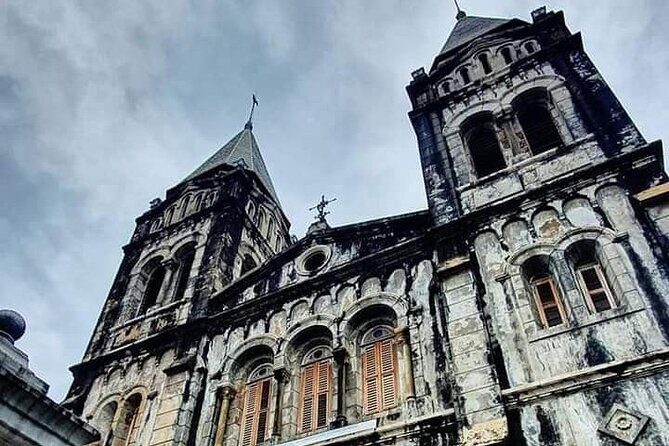
Next is St. Joseph’s Roman Catholic Cathedral (also described as Notre Dom of Zanzibar). The tour time is 20 minutes, and the focus is on French Catholic influence and the stories inside the church.
This stop adds a different layer of Stone Town. After the market and palace atmosphere, the cathedral reminds you that the city’s trade networks also carried faith, architecture, and communities in multiple directions. If you’re watching for stylistic clues—materials, layout, interior details—this is an easy place to spot them with guidance.
Possible consideration: like many churches, interior rules and visiting patterns can vary. Keep expectations flexible and follow whatever guidance you’re given on-site.
Stop 9: Old Dispensary—medical history with local roots
You’ll then visit the Old Dispensary, described as the first dispensary in town. The guide ties it to local leadership through Sultan Business advisor Tharia Thopan, who is credited with its establishment.
This is a smart “off the main drag” kind of stop. It shifts you from trade and architecture to services—how people got help, how institutions formed, and how power translated into everyday public life.
It’s also a stop where a guide’s storytelling really matters. In a place like Stone Town, small sites can look modest, but the context makes them meaningful.
Stop 10: Tippu Tip’s House—power, trade, and names you’ll keep seeing
The final stop is Tippu Tip’s House on Shangani Street, about 20 minutes. The tour frames it as the home of Tip Tip, described as a world-powerful and famous slave trader.
If you noticed the emotional weight early in the tour, this final stop returns to the trade narrative in a more “place-based” way—connecting the names you hear about in history to physical sites in the city.
Practical tip: don’t treat the final stop as the end of your learning. If something sticks with you—an era, a name, a building style—keep that thread in mind for the rest of your Zanzibar stay.
Why Maulid Omar makes this tour worth the money
This is a private tour, and the guide is the difference between seeing Stone Town and understanding Stone Town. Maulid Omar is described as passionate about telling the city’s story, and you can feel how that matters when you’re walking through places that could otherwise blur together.
One of the best value points is that you don’t just stay inside the most obvious tourist boxes. The tour is designed to include key sites while also spending time in the winding street network and market areas—exactly the kind of place where you’d otherwise get lost or miss meaning.
That’s also why the itinerary feels balanced. You get serious history early, lighter breaks mid-route, and daily-life scenes that keep the tour from becoming one long lecture.
What to bring (and how to avoid common hassles)
Stone Town walking plus market stops means simple prep goes a long way:
- Wear comfortable shoes for uneven lanes and crowded stalls.
- Bring a phone charger or extra battery so your mobile ticket and maps stay usable.
- Plan for snacks and water timing, but note bottled water is included.
- Have some cash for market purchases and optional entries like the Freddie Mercury Museum.
Is this the right tour for you?
Book this tour if you want:
- A guided way to connect Stone Town’s UNESCO architecture to the people and trade that shaped it
- A serious introduction to the slave-trade history through a structured route
- Time in Darajani Bazaar and a relaxed stop at Forodhani Gardens for food and atmosphere
- A private group experience that makes it easier to ask questions
You may want to skip or adjust if:
- You prefer sightseeing that avoids heavy historical topics
- You only want museum-style stops and aren’t interested in markets, cathedrals, forts, and streets
Quick FAQ
FAQ
How long is the Stone Town Private Tour with Slave Market Tickets?
It’s listed as 3 to 4 hours in total.
What time does the tour start and where does it meet?
It starts at 8:30 am and meets at Forodhani Park (Forodhani of Zanzibar).
Is it a private tour?
Yes. It’s a private activity, so only your group participates.
What’s included in the price?
Included items are bottled water, guiding services, entrance fee, and entry/admission tickets at the former slave market. The tour also includes the slave market ticket.
What isn’t included?
Freddie Mercury Museum admission is not included, and personal expenses (things of personal nature) are not included.
Do I need good weather?
Yes. The experience requires good weather. If it’s canceled due to poor weather, you’ll be offered a different date or a full refund.
Should you book it?
I’d book it if you’re going to Stone Town only once and you want a guide-led route that covers the city’s hardest history, its mixed cultural roots, and its everyday market life—without wasting time on vague stops. The $30 price is a fair deal because the former slave market admission and guiding are baked in, and the rest of the route is mostly free to enter. If the topic feels heavy for you, plan your emotional pace and wear comfy shoes—Stone Town will do the rest.