REVIEW · MOSHI
Kilimanjaro Climb • Marangu Route ~ 9 Day
Book on Viator →Operated by Tusker Trail Kilimanjaro Adventures · Bookable on Viator
Kilimanjaro feels close in the Marangu huts. This 9-day climb out of Moshi takes you through forest, moorland, and alpine desert before a midnight push toward the crater rim and Uhuru Peak. I like that the Marangu Route keeps things structured: you’re in huts on the way up, with meals and guide support built into the rhythm.
I really like Tusker Trail’s emphasis on preparation. In Moshi you get orientation and a gear check with your guides, and the company highlights expert altitude and medical training behind the scenes. I also like the food approach, with mountain chefs turning out adventure cuisine that keeps your energy steady when the air thins.
One drawback to weigh: Marangu is a hut climb. You’re sharing mountain huts with other climbers, so if you’re picturing private, quiet sleeping quarters all the way, this isn’t that kind of trip.
In This Review
- Key things I’d put on your Kilimanjaro checklist
- Why the Marangu Route fits a 9-day Kilimanjaro plan from Moshi
- Tusker Trail’s style: safety focus, strong training, and a food system
- Days 1–2 in Moshi: use the “buffer days” wisely
- Day 3 to Mandara Hut: forest walking and shared hut life
- Day 4 to Horombo Hut: heath and moorland with first major views
- Day 5 at Horombo: acclimatization isn’t a suggestion
- Day 6 toward Kibo Hut: crossing to the Kibo Saddle
- Day 7 summit day to Uhuru Peak: midnight wake-up, crater rim, sunrise views
- Day 8 back down: Mandara forest again, gate crossing, shower time
- Day 9: depart Tanzania or continue with safari
- Price and value: what $5,699 likely covers (and what you must plan)
- Who should choose this Marangu 9-day climb, and who should think twice
- Should you book Tusker Trail’s Marangu Route 9-day climb?
- FAQ
- How long is the Kilimanjaro climb on the Marangu route?
- Where does the climb start, and where do you stay before hiking?
- What route and summit are included?
- What kind of overnight accommodations do you use?
- How many people are in the group?
- Are meals included?
- Is gear rental included?
- What is the cancellation policy?
- Is pickup offered?
Key things I’d put on your Kilimanjaro checklist
- Marangu huts with comfort touches: Mandara Hut has running water and toilets.
- Real acclimatization time: two nights at Horombo plus a short extra hike on Day 5.
- A guide-led midnight summit plan: hot tea and snacks before the hardest hours.
- Focused summit route landmarks: Gillman’s Point on the crater rim, then Uhuru Peak.
- Small group feel: maximum 16 travelers.
Why the Marangu Route fits a 9-day Kilimanjaro plan from Moshi
Marangu is the “classic” route for a reason. You trade some privacy and solitude for a more structured experience: you hike by habitat changes, and you sleep in huts along the way. For many people, that’s the sweet spot when you want Kilimanjaro’s big drama without adding extra complexity to your logistics.
Starting in Moshi also helps. You’re not thrown into the climb right off the plane. You check into a family-owned hotel, then spend time getting organized, meeting your guides, and settling into the pace your body needs. On a route where altitude is the real boss, having a few calm days at lower elevation is not fluff.
Marangu’s long arc of altitude also means you’ll feel the mountain gradually. You go from lush montane forest walking to heath and moorland, then into alpine desert and eventually the Kibo area. That step-by-step change matters because it gives your breathing time to adjust, and it keeps the climb from feeling like one continuous shock.
You can also read our reviews of more tours and experiences in Moshi.

Tusker Trail’s style: safety focus, strong training, and a food system
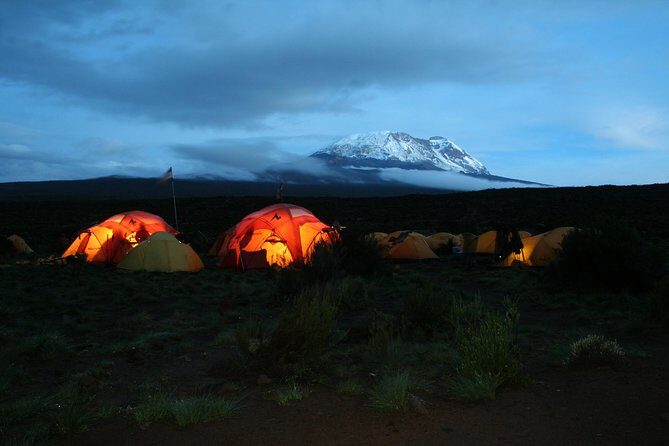
Tusker Trail positions its Kilimanjaro operation around safety and preparation. The big signals are the altitude and medical training of the guides, plus an explicit climb orientation and gear check when you’re in Moshi. That’s the kind of care you want before you ever hit the harder slopes.
Another thing I like is the way they handle the food. They run mountain chefs described as Culinary Institute of America trained, and they call their approach adventure cuisine. On Kilimanjaro, it’s not about gourmet bragging rights. It’s about eating consistently so you don’t run low—especially on summit night when you need calories and warm comfort.
They also run a small group size (maximum 16 travelers). On a mountain this intense, smaller groups usually mean more attention, easier movement, and clearer communication when conditions change. If you’ve ever felt lost in a crowded tour, this format should feel more manageable.
One more layer that stands out: Tusker Trail highlights social responsibility, including partnering with the Lions club and supporting a school for deaf children. I’d still judge the climb by what you experience on the ground, but it’s a reminder that this operator is trying to build community value beyond the mountain.
Days 1–2 in Moshi: use the “buffer days” wisely
Your first day is about arriving and resetting. You land, you check into a family-owned hotel, and you take the time to breathe and get your head straight for what’s coming. This is when you should keep things simple: hydrate, rest, and get your gear ready without turning it into a project.
Then you spend two nights in Moshi before you start hiking. Those nights are your runway for acclimatization and logistics. You meet your guides, get climb orientation, and do a gear check. This is where small issues get corrected before they become big ones on the mountain—like clothing fit, layering mistakes, or missing key items.
If you’re the type who likes to “get started” fast, resist the urge. On Kilimanjaro, the first days aren’t just about scenery. They’re about setting up your body for the altitude curve later. I’d treat these Moshi nights as part of the climb, not a delay.
Day 3 to Mandara Hut: forest walking and shared hut life
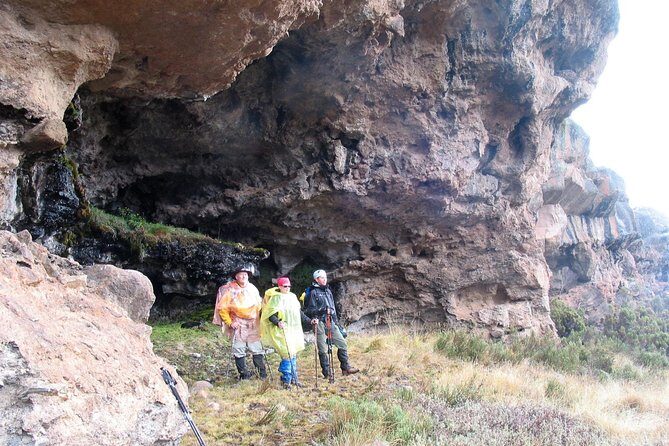
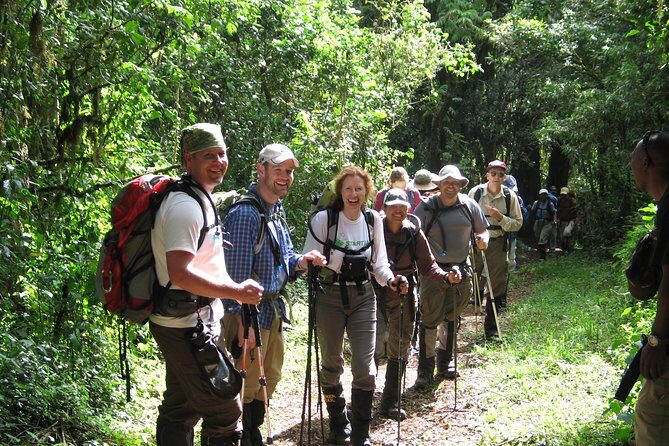
On Day 3, you drive to the Marangu park gate and hike for about 4–5 hours through montane forest. This section is often where you feel most normal. The air is cooler, the walking is smoother than the later scree, and you’re surrounded by greenery and animal life.
One of the most memorable details here is the chance to spot black and white colobus monkeys in the trees. It’s a small thing, but it breaks the “everything is about altitude” mindset and makes the forest section feel alive.
You arrive at Mandara Hut mid to late day. This is a group of mountain huts that you share with other climbers. Meals are prepared by the cooks and served in a common dining area, which also becomes a social hub. You’ll likely hear a mix of backgrounds and plans—people all moving toward the same midnight moment later.
Mandara Hut also has running water and toilets, which is a real quality-of-life factor. Not flashy, but it matters when you’re trying to stay comfortable enough to sleep and recover.
Day 4 to Horombo Hut: heath and moorland with first major views
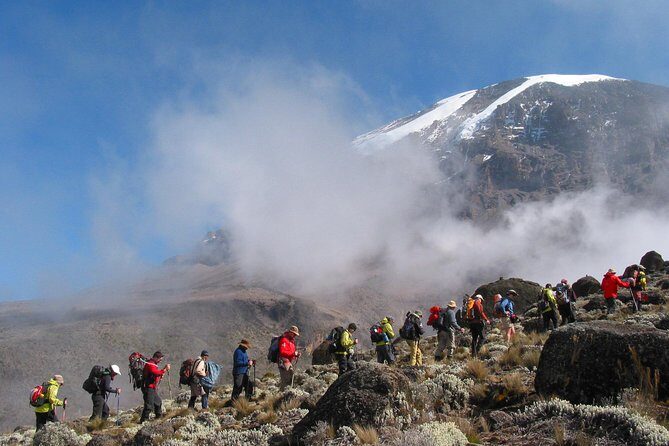
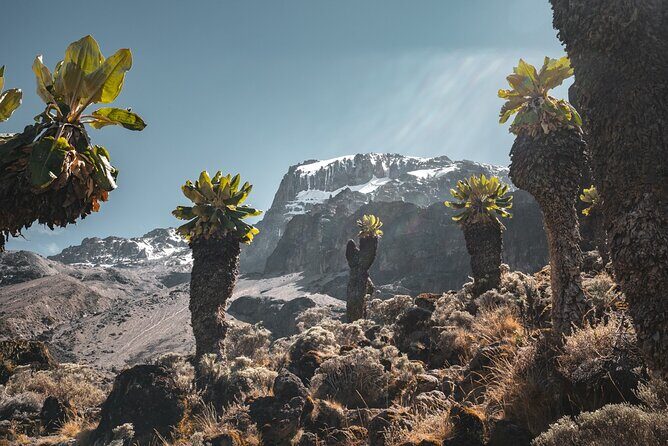
Day 4 shifts you out of the forest into heath and moorland. The walking can feel more open and exposed, and the sky starts to matter more. You’ll get your first real views of Mawenzi and Kibo Peaks in the distance, and that visual change is a mental checkpoint: you’re finally in Kilimanjaro’s main stage.
You hike for about 8 hours and reach Horombo Hut mid-afternoon. The rest of the day is about relaxing and taking in the scenery while your chefs handle dinner. For me, this kind of afternoon is where you start learning how the mountain wants you to move: not rushing, not forcing, just keeping steady effort.
The drawback to consider here is also simple: open country can feel harsher. Wind and temperature shifts are part of the experience. If you’re cold easily, you’ll want good layering and you’ll want to put it on early rather than waiting until you’re shivering.
Day 5 at Horombo: acclimatization isn’t a suggestion
Day 5 is your extra breathing room. You spend two nights at Horombo, and the itinerary includes a short acclimatization hike. You go out for that extra movement, then return for lunch and a relaxing afternoon before dinner.
This day is valuable because acclimatization is not just a buzzword. Higher altitude stresses your body. The goal of the extra hike and the two-night stay is to help your system adjust so Day 6 and summit night don’t feel like sudden punishment.
The most practical way to use this day: keep the pace easy, focus on steady breathing, and don’t treat the acclimatization hike like a race. You’ll feel the benefit later, especially when you switch from trekking to the steep, long push of summit night.
Day 6 toward Kibo Hut: crossing to the Kibo Saddle
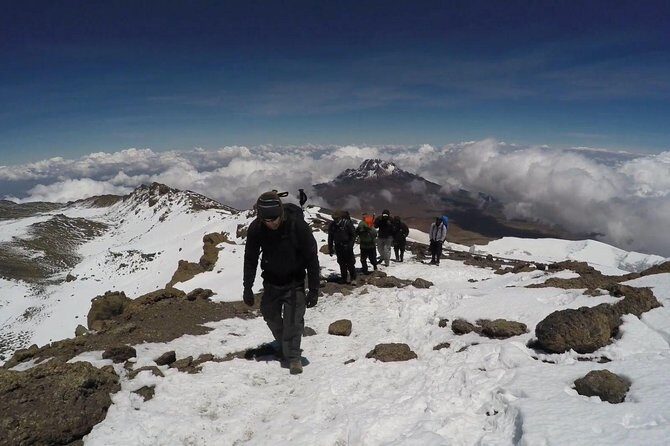
After breakfast on Day 6, you continue through alpine desert habitat. The terrain starts looking more barren and stark, and you’ll feel the temperature change as you climb. Then you cross the Kibo Saddle, between Mawenzi and Kibo Peaks, where the landscape turns especially exposed and dry.
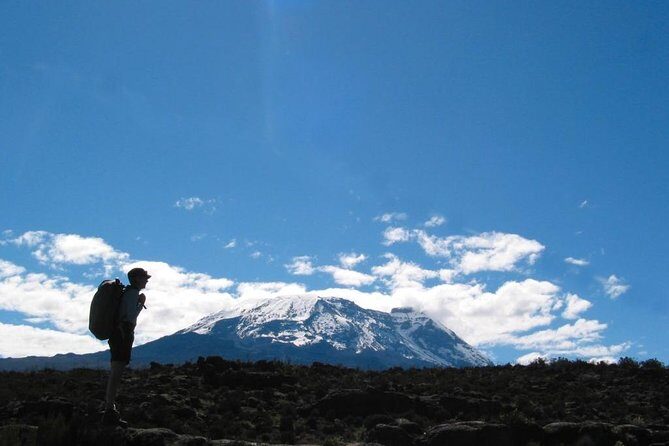
From there, you hike up to Kibo Hut on the slopes of Kibo Peak. If the day is clear, you can see Gilman’s Point on the crater rim. That little detail—being able to visually track the summit target—makes the route feel less abstract and more real.
You reach Kibo around mid-afternoon, relax, then have dinner and prepare for the summit climb around midnight. This is the part of the trip where you need to be ready mentally and physically for night climbing, not just physically. Eat, get your gear right, and listen to your guide’s pacing instructions.
Day 7 summit day to Uhuru Peak: midnight wake-up, crater rim, sunrise views
Summit day starts with a guide wake-up just before midnight. You get hot tea and snacks, which is a smart touch for comfort and energy before the hardest hours.
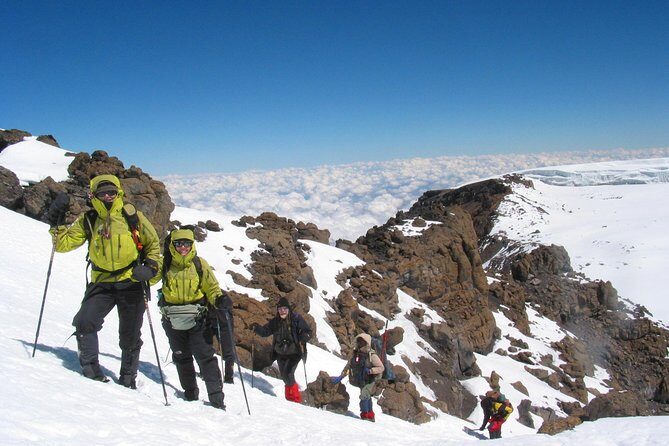
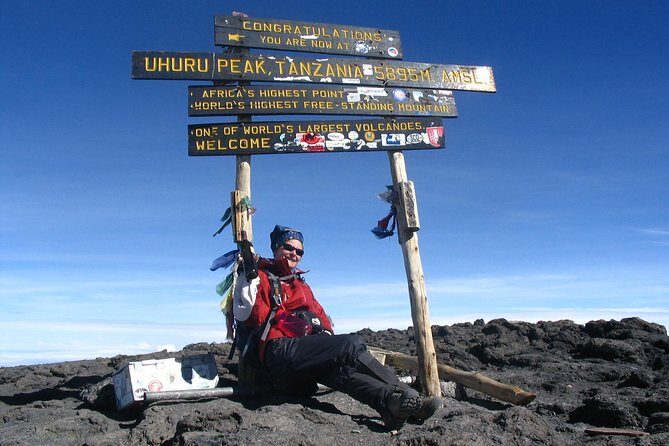
You climb uphill for the toughest day of the trek. The route is rocky in sections, with scree and outcrops that demand patience. You wind your way toward the rim of the crater at Gillman’s Point, and this is where the sunrise views often hit: Mawenzi, the Kibo Saddle, and the plains below.
From Gillman’s Point, you have only about two hours to reach Uhuru Peak. So the key isn’t sudden speed—it’s controlled effort when your body is already tired. When you get to Uhuru Peak, the experience is about the moment and the payoff, then the work begins again as you head back down toward Horombo for the night.
This day’s numbers give you an idea of the intensity: summit at 19,340 ft / 5,895 m, with Horombo at 12,340 ft / 3,761 m. It’s a big vertical task in a compressed time frame, which is why the earlier acclimatization days matter so much.
Day 8 back down: Mandara forest again, gate crossing, shower time
Day 8 is descent day, and it’s also your “let your body recover” day. After breakfast you hike down past Mandara Hut, then toward the national park gate. From there, you transfer back to Moshi.
The itinerary notes a beautiful return through rain forest near Mandara, which is a nice contrast after the barren Kibo areas. Your legs will still feel it, but the change in scenery can make the last hours feel less punishing.
You’re met at the gate by Tusker vehicles and taken back to your hotel for a shower and a final climb celebration. After days of cold air, altitude fatigue, and shared hut living, that hot shower is not a small perk. It’s part of how you carry the experience home.
Day 9: depart Tanzania or continue with safari
After the climb, you either depart Tanzania or continue on safari. Tusker Trail says it specializes in East Africa safaris and has been running in the region since 1983, with contacts and experience that can help you connect the climb to an added adventure.
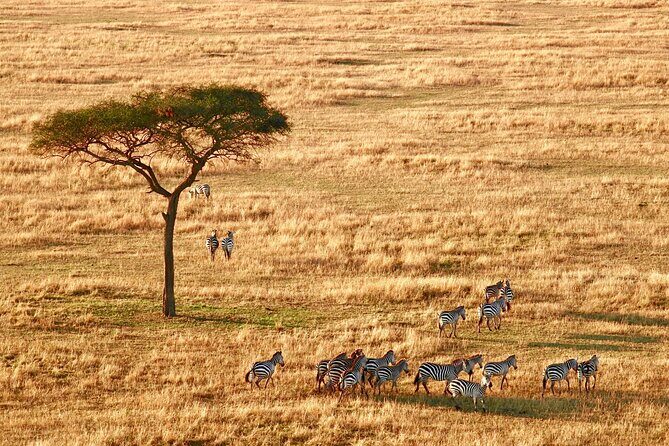
This is worth thinking about for value. You’re already in Tanzania, and the country can deliver world-class wildlife viewing after your mountain high. If you want Kilimanjaro to be one chapter of a longer story, this is a natural add-on.
Price and value: what $5,699 likely covers (and what you must plan)
The price is $5,699 per person for this ~9-day Marangu-route climb with Tusker Trail, based in Moshi. For a trip like this, you’re paying for more than walking days. You’re paying for trained guide leadership, hut logistics, and a system that includes meals and park access.
Included details that matter for value:
- Meals are included across most days: Breakfast (8), Lunch (8), Dinner (7).
- Admission ticket is included for the mountain days.
- Pickup is offered, and you get a mobile ticket.
What’s not included:
- Equipment / gear rental is not included.
So my practical advice is to budget for gear decisions early. Even if you don’t know the exact list yet, make sure you’ve confirmed your plan for boots, layers, and any required rental items. Missing gear late can turn your climb into a stress sprint, and you’ll want none of that.
The price also reflects a provider that highlights medical and altitude training and a track record style (they cite a 99% summit success rate). You’re still taking on the mountain yourself, but the support system around you can influence how smoothly things go.
Who should choose this Marangu 9-day climb, and who should think twice
This trip is a strong fit if you want:
- A structured route with huts and known stop points.
- Dedicated acclimatization time, including two nights at Horombo and a short extra hike.
- A summit plan that includes night wake-up with warm tea and snacks and a guided approach to the crater rim.
It’s also a good fit if you appreciate a smaller group (max 16). That helps with attention and flow on narrow trails and busy hut areas.
Think twice if you strongly prefer private sleeping and quiet. Marangu involves shared hut life, and you’ll be around other climbers. That’s not bad, but it is a style choice.
Finally, match your expectations to the route. Marangu is famous, but it’s still a high-altitude challenge. You can be in good shape and still get hit by altitude if your body doesn’t respond well. This is why the early preparation days and the slower acclimatization pattern matter so much.
Should you book Tusker Trail’s Marangu Route 9-day climb?
I’d book this if you want a well-run Kilimanjaro program with clear pacing, strong guide preparation, and a hut-based format that keeps daily logistics simple. The blend of Moshi prep nights, two-night acclimatization at Horombo, and a guided summit push from Kibo Hut is a sensible structure for most people who take altitude seriously.
I would hesitate if you’re hoping for private comfort, or if you’re counting on gear rental being provided. The experience is built around huts, shared spaces, and you supplying your climbing gear (or arranging rentals yourself). If you accept those tradeoffs, this is a solid, thoughtfully run route option.
FAQ
How long is the Kilimanjaro climb on the Marangu route?
The trip runs for about 9 days.
Where does the climb start, and where do you stay before hiking?
The experience is based in Moshi, Tanzania. You check into a family-owned hotel in Moshi on arrival and spend time there preparing before the hiking starts.
What route and summit are included?
This climb follows the Marangu route with a summit push to Uhuru Peak, via key points including Gillman’s Point.
What kind of overnight accommodations do you use?
You sleep in mountain huts along the Marangu route. For example, Mandara Hut includes running water and toilets.
How many people are in the group?
The maximum group size is 16 travelers.
Are meals included?
Yes. Breakfast is included 8 times, lunch 8 times, and dinner 7 times.
Is gear rental included?
No. Equipment or gear rental is listed as not included.
What is the cancellation policy?
There is free cancellation. You can cancel up to 24 hours in advance for a full refund, and refunds follow that 24-hour rule based on local time.
Is pickup offered?
Pickup is offered, and the itinerary includes transfers such as returning to Moshi after the hike.