REVIEW · MOSHI
8 Days Lemosho Route
Book on Viator →Operated by Golden Summit Adventures · Bookable on Viator
Quiet trails, then crater drama.
The Lemosho route approaches Kilimanjaro from the west, and it’s known for scenery plus quieter early days before it joins the more crowded Machame path. I like the way the climb has a steady incline that supports better acclimatization, and you’ll feel that even in the first couple of days when the trail is calmer than you’d expect. The main drawback is that the summit push still asks a lot—late-night climbing over heavy scree can feel brutal, even when you’re doing everything right.
This is an 8-day trek out of Moshi, Tanzania, priced at $2,100 per person, and it’s set up as a private experience (so only your group participates). Pickup is offered, you’ll receive a mobile ticket, and park admission tickets are included across the hike. If you’re booking for a once-in-a-lifetime celebration—one couple even planned their 10-year anniversary around this mountain climb—that sense of being carefully looked after is exactly what you’ll want from a long trip like this.
In This Review
- Why Lemosho from the West Feels Smarter
- Price and What You Actually Get for $2,100
- Getting to Moshi and Starting at 8:30 am
- Day 1: Forest Trails to Mti Mkubwa Camp
- Day 2: Giant Heather Moorland and Shira Ridge
- Day 3: Plateau Walking to Shira Camp 2
- Day 4: Lava Tower Photos and a Barranco Sunset
- Day 5: Great Barranco Wall and Mawenzi in View
- Day 6: Joining the Mweka Route and Reaching Barafu Hut
- Day 7: The 11:30 pm Start to Stella Point and Uhuru Peak
- Day 8: Back to the Park Gate, Then Moshi Hot Shower Time
- Camps, Tents, and the Support You’ll Feel During a Long Week
- Who This Trek Fits Best (And Who Should Think Twice)
- Tips to Help You Enjoy Every Day (Not Just Survive It)
- Should You Book the 8-Day Lemosho Trek from Moshi?
- FAQ
- What city does the trek start from?
- What time does the tour start?
- How long is the trek?
- Is this a private tour?
- Is pickup included?
- Will I get a ticket on my phone?
- Are admission tickets included?
- What fitness level do I need?
- How hard is the summit day?
- Can I cancel for a full refund?
Why Lemosho from the West Feels Smarter
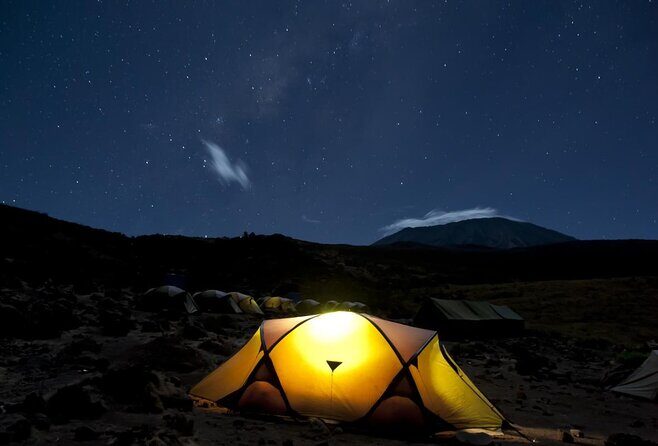
Lemosho is often picked because it gives you time—time to move at a realistic pace and time for the body to adjust to altitude. Approaching from the west also means those first two days tend to be quieter, with lower traffic and a more gradual feel before you connect with the busier Machame route.
That quiet matters more than people think. When you’re climbing at elevation, the trail can’t be a race. Fewer people usually means less stop-start pressure, and it’s easier to keep your rhythm—slow, steady, and focused.
I also like that the route is described as “one of the best for scenery,” with changing scenery you can actually feel in your legs. You start in forest trails, then shift into giant heather moorland and plateau walking, then move into rocky zones as you work toward Lava Tower and the Barranco area. That variety helps the days stay interesting instead of feeling like the same uphill step over and over.
Price and What You Actually Get for $2,100
$2,100 per person for an 8-day Kilimanjaro trek isn’t pocket change, so you’ll want to understand what your money covers—and why it can still be good value.
First, admission tickets are included in the trek experience, day by day. Second, the trip includes pickup (offered) and a mobile ticket, so you’re not scrambling to figure out logistics once you arrive in Moshi. Third, this is a private group setup, which usually means you’re paying for coordination, staffing, and the extra attention that helps on a multi-day mountain schedule.
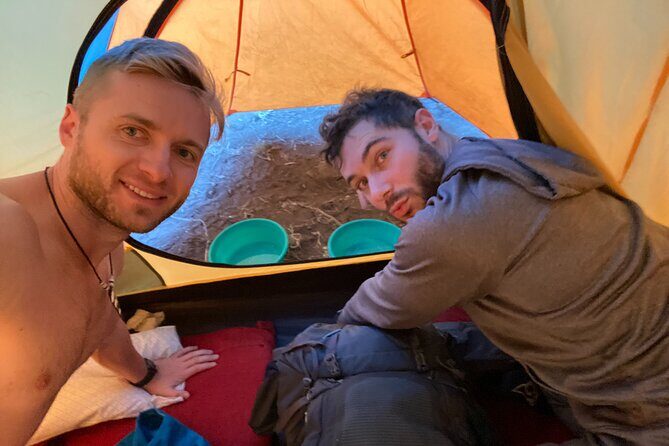
From the experience details and the people who shared their outcomes, the support level seems to be a real part of the value. One common theme is organization and care—people described being taken care of at all times and feeling like they were part of the team’s family. Another detail: guides and porters do hands-on check-ins, including equipment checks during briefings, and the camp setup (tents) is described as clean with top-notch gear.
Still, one caution: at this price, you’re paying for a full service mountain operation. That means you should be ready for fixed schedules and early starts, not a flexible, slow-browse vacation.
You can also read our reviews of more tours and experiences in Moshi.

Getting to Moshi and Starting at 8:30 am
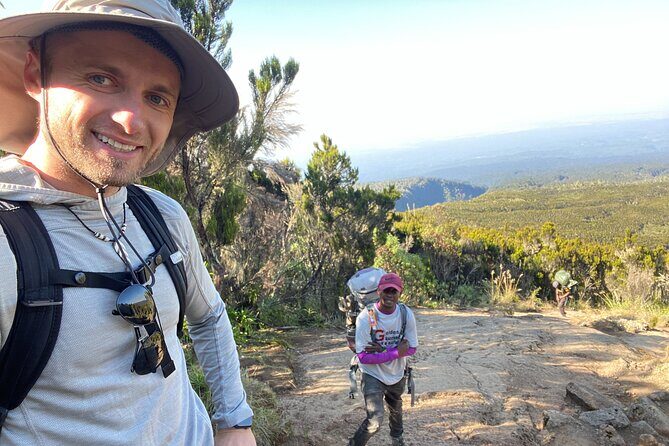
Your climb starts at 8:30 am, with Moshi as the base area. Pickup is offered, which is useful because getting organized in Tanzania the morning you start a big hike is one less stress.
Plan your first day to be calm. You’ll want decent sleep, a good breakfast, and time to settle—because Day 1 begins with real walking on forest trails. If you’re the type who likes to wander and “get a feel for the town” the day you arrive, you might prefer to save that for after your mountain days. The better your rest, the easier it is to enjoy the trail instead of just surviving it.
Day 1: Forest Trails to Mti Mkubwa Camp
Day 1 starts with walking through forest trails from the Glades toward Mti Mkubwa (big tree) campsite. The walk time listed is about 3 hours, and that’s a good first-day length on Kilimanjaro—long enough to feel like you’re doing something, not so long that you’re cooked on day one.
What I like about this start is how “natural” it feels. Forest walking is a change of pace from airport-to-hotel travel, and it also gives you a mental warm-up. You’re not jumping into cold, high, windy conditions immediately; you’re building rhythm and learning what your body feels like when it’s working steadily.
The practical takeaway: Day 1 is where you set your pace strategy. If you go too fast here, it can echo later, especially when the mountain gets steeper.
Day 2: Giant Heather Moorland and Shira Ridge
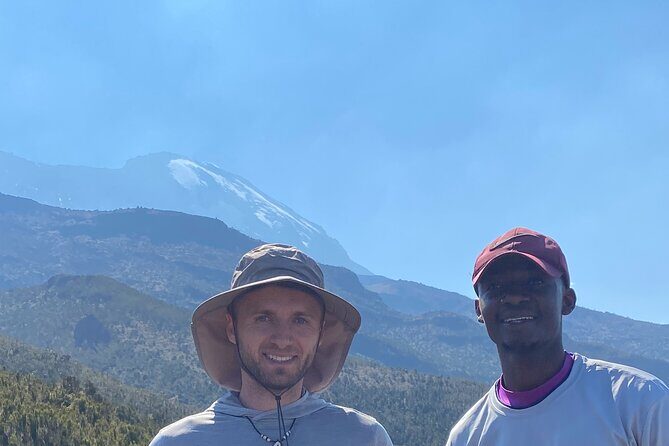
On Day 2, the trail gradually steepens. You enter giant heather moorland, then cross the Shira Ridge. The hiking block is about 5 hours, and this is a day where you’ll likely notice altitude starting to matter more.
Heather moorland isn’t just pretty—it’s open. That means weather can hit you harder (wind, mist, sudden cold), and you won’t have tree cover if conditions shift. Keep your layers ready and don’t wait until you’re already uncomfortable to adjust.
This is also the kind of day where “slow and steady” becomes a real altitude skill. You’ll often feel it in your breathing before you feel it in your legs. Managing that early makes the rest of the week safer and more enjoyable.
Day 3: Plateau Walking to Shira Camp 2
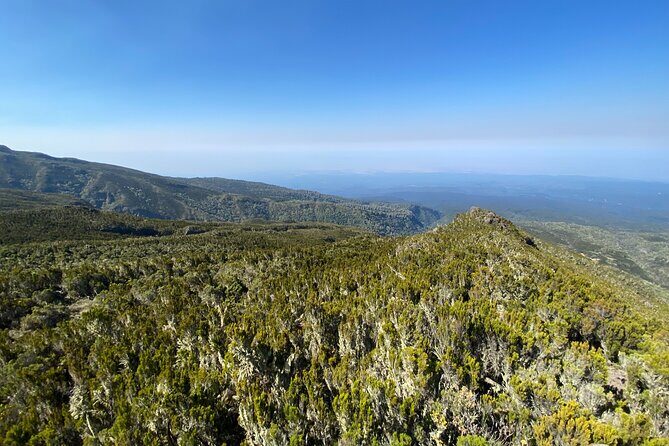
Day 3 is described as a gentle walk across the plateau, ending at Shira Camp 2. You’ll spend time in moorland meadows by a stream, and the walking time is about 5 hours.
If you’re wondering why Lemosho is considered strong for acclimatization, this is part of the reason. A gentler day helps your body absorb altitude instead of simply fighting it. It’s not a free ride—you still climb—but it tends to feel more controlled.
For your comfort: moorland areas can be damp and chilly. Even when the sun comes out, evenings can cool fast. Keep your water routine consistent and don’t assume you can skip small habits because the day feels easier.
Day 4: Lava Tower Photos and a Barranco Sunset
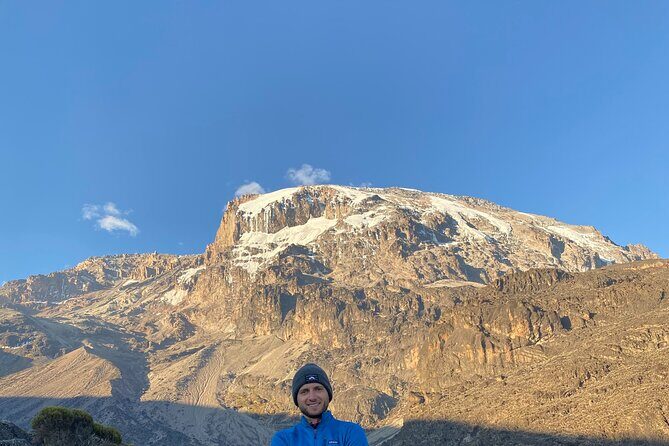
Day 4 is a big visual day. After breakfast, you hike east up a steepening path above the highest vegetation toward Kilimanjaro looming mass. After hours of moving through rocky ground, you reach Lava Tower, and the description includes major photo opportunities—especially when ice is visible on the walls.
Then you end at Barranco Camp in a valley below the Breach and Great Barranco Walls. The reward here is the sunset waiting for you before dinner, and it’s one of those moments that makes the week feel real.
A careful note: Lava Tower and the Barranco approach are where footing and energy both matter. Rocky sections can be tiring on ankles and knees. Bring trekking poles if you use them; they can save you later.
Day 5: Great Barranco Wall and Mawenzi in View
After breakfast on Day 5, you continue up a steep ridge to the Great Barranco Wall. You climb this obstacle, and the description points out that it turns out to be easier than it looks. Still, it’s an obstacle—so expect to use your hands a bit and treat it like technical terrain, not a casual stair climb.
After topping out just below the Heim Glacier, the view opens up: you can appreciate Kilimanjaro’s scale, including the jagged peaks of Mawenzi to the east.
In the afternoon, you get leisure time for resting or exploring. That matters on a mountain week because you’ll likely have both physical fatigue and mental fatigue. Use the downtime to slow down, check your gear, and get sleep before the next push.
Day 6: Joining the Mweka Route and Reaching Barafu Hut
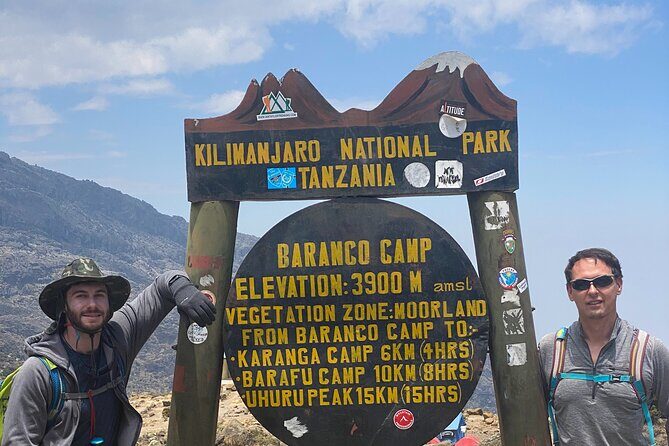
Day 6 works as a turning point. In the morning, you hike east over ridges and valleys to join the Mweka Route, which becomes your descent route. Then you turn left toward the mountain and hike up the ridge through sparse landscape for another hour to Barafu Hut, where you’ll receive hot lunch.
The “hot lunch at Barafu Hut” detail is worth noticing. On a climb like this, warmth and a reliable meal rhythm can keep you steady. When the night summit day is coming, you need energy planning more than you need snacks.
Also, mentally, this day helps you shift from “climbing up” to “prepare to finish strong.” If you’re a planner, this is the moment to double-check layers, gloves, headlamp batteries, and anything you’ll want during the night hike.
Day 7: The 11:30 pm Start to Stella Point and Uhuru Peak
Day 7 is the mountain day most people remember. You rise around 11:30 PM, and after steaming tea and biscuits, you shuffle off into the night.
You climb for about 6 hours northwest through heavy scree between the Rebmann and Ratzel glaciers to Stella Point on the crater rim. This is described as the most challenging part for most climbers. Conditions vary by season and storms, and snow is possible on the remaining rim hike.
Once you reach the summit, you enjoy the accomplishment and then begin descent. The schedule calls for a 3-hour descent from the summit back to Barafu Camp, a short rest, then collecting gear and hiking down into moorland and eventually into forest to Mweka Camp.
This day can feel like two different climbs: the mental climb upward in the dark, then the physical work of descending while you’re tired. The trick is pacing early and staying disciplined on footing. Scree is unforgiving if you rush.
Day 8: Back to the Park Gate, Then Moshi Hot Shower Time
After a well-deserved breakfast, Day 8 is a shorter wrap-up. You hike about 3 hours back to the park gate, then reach Mweka Village where you’re served a delicious hot lunch. After that, you’re driven back to Moshi for a real hot shower and a comfortable night at your hotel.
I love Day 8 because it gives you closure without turning the last day into a slog. You’re not just collapsing; you’re finishing with warmth, food, and the practical comfort you’ve been waiting for.
Camps, Tents, and the Support You’ll Feel During a Long Week
A Kilimanjaro trek is only as good as the people running it. And the strongest praise here is about organization and care. People described guides and porters as really impressed, professional, and attentive—taking care of everything and responding quickly when questions came up over email and WhatsApp.
There’s also a detail about equipment and comfort: during briefings, the team checks gear and what you need, and the tent setup is described as clean, with top-notch equipment. Another review mentioned more choice in tent colors, which may sound small, but it’s the kind of touch that can make you feel more human after days of cold and climbing.
For you, the practical meaning is confidence. When you’re tired and altitude is doing its thing, you don’t want surprises. You want routines you can trust.
Who This Trek Fits Best (And Who Should Think Twice)
This trek is aimed at people with moderate physical fitness. It’s still a serious altitude hike, but the route pacing and the steady incline over several days are designed to help you acclimatize better.
You’ll likely love this route if you want:
- quieter early days before busier segments
- scenery that changes by zone, from forest to moorland to the crater area
- a clear, structured progression with a night summit plan
You might think twice if you know you struggle with:
- very early nights and late starts (around 11:30 PM is not optional)
- steep, rocky terrain and heavy scree
- cold conditions where snow is possible in season
Tips to Help You Enjoy Every Day (Not Just Survive It)
You’ll have better luck on Kilimanjaro when you treat the trek like a system: pace, layers, hydration, and sleep.
Bring layers you can adjust fast. The route moves from forest to open moorland and then into colder crater-zone conditions. Keep a plan for water and electrolytes, even when the day feels slow. And for summit night, keep your headlamp and power source simple and reliable.
Also, plan your mindset. Day 7 is hard. If you expect it to be fun from the start, you may get discouraged. Better: decide you’re going to take it step by step, and let the summit moment be the reward—not the promise of the whole night.
Should You Book the 8-Day Lemosho Trek from Moshi?
If you’re choosing between routes and you care about both acclimatization and atmosphere, this one is a strong bet. The west-approach gives you quieter early days, and the steady progression is built for altitude success. The support level described—organized briefings, quick communication, clean tents, and attentive guides and porters—helps you focus on hiking instead of logistics.
I’d book it if:
- you want a route with low traffic early on and great scenery variety
- you’re comfortable committing to a full 8-day schedule
- you value a private setup and want staff attention that feels personal
I wouldn’t book it if you’re hoping for an easy walk or if you get anxious about night hiking and heavy scree. Kilimanjaro still demands respect on every route.
If you’re ready for the climb with the right expectations, the Lemosho route offers a satisfying mix: calm starts, big landmarks like Lava Tower and the Great Barranco Wall, then the dramatic summit day to Stella Point and Uhuru Peak.
FAQ
What city does the trek start from?
The experience is based in Moshi, Tanzania.
What time does the tour start?
The start time is 8:30 am.
How long is the trek?
It’s listed as 8 days (approx.), and the route description also notes time period of about 7 to 8 days.
Is this a private tour?
Yes. It’s a private tour/activity, and only your group participates.
Is pickup included?
Pickup is offered.
Will I get a ticket on my phone?
Yes. The tour includes a mobile ticket.
Are admission tickets included?
Yes. Admission tickets are included for the trek days listed.
What fitness level do I need?
You should have a moderate physical fitness level.
How hard is the summit day?
Day 7 includes a late-night start around 11:30 PM and about a 6-hour climb through heavy scree to Stella Point. It’s described as the most challenging part for most climbers, and snow may be present depending on season and storms.
Can I cancel for a full refund?
You can cancel up to 24 hours in advance for a full refund. If you cancel less than 24 hours before the start time, the amount paid is not refunded.