REVIEW · ZANZIBAR ARCHIPELAGO
Zanzibar: Spice Farm, Stone Town & Prison Island with Lunch
Book on GetYourGuide →Operated by Bureau De Tours · Bookable on GetYourGuide
One day in Zanzibar can feel like a whole chapter if you time it right. This tour strings together spice-farm hands-on learning, a guided walk through UNESCO Stone Town, and a short boat ride to Prison Island to meet century-old giant tortoises.
I especially like the way the spice farm gets you using your senses—smell, touch, and sample spices like cloves, nutmeg, cinnamon, cardamom, and black pepper. I also like that lunch isn’t an afterthought: you get a traditional Swahili meal with fresh fruit, and it’s part of the same guided experience.
One consideration: the headline price doesn’t include the Prison Island conservation entry. You’ll pay an extra $22 on the day of your tour, so budget for that before you go.
In This Review
- Key Highlights You Can Actually Plan Around
- A Spice Farm That Teaches With Your Senses
- Swahili Lunch With Real Local Flavors (Plus Fruit)
- Stone Town: UNESCO Streets, Real Stories, and Key Landmarks
- Prison Island by Dhow: Tortoises, Peacocks, and a Former Detention Site
- Price and Fees: What the $52 Covers (and What You Pay Later)
- Practicalities for a Smooth 8-Hour Day
- Who This Tour Fits Best (and Who Should Rethink It)
- The Guide Factor: Names That Keep Coming Up
- Should You Book This Zanzibar Day Tour?
- FAQ
- How long is the tour?
- Where can I get picked up?
- What’s included in the price?
- What extra fee should I expect for Prison Island?
- Is lunch included, and can I request an alternative?
- What should I bring?
- What languages are available for the guide?
- Is the tour refundable if my plans change?
Key Highlights You Can Actually Plan Around
- Hands-on spice farm time with guided tastings of common Zanzibar crops and herbs
- Swahili lunch with seasonal fruit included, not just a quick snack
- Stone Town’s UNESCO lanes plus key stops like the Sultan’s Palace and the former slave market
- Prison Island on a dhow with guided viewing of Aldabra giant tortoises
- Wildlife spotting beyond tortoises, like peacocks and antelopes (and sometimes more, if you’re lucky)
- Guide skill matters, and names like Lukman, Zakaria/Zacharia, and Lookman come up for a reason
A Spice Farm That Teaches With Your Senses
Your day starts with pickup from your hotel area or from Abeid Amani Karume International Airport (depending on which option you choose). After the first transfer, you’ll reach a private spice farm where the guide runs the show. The big difference here is that you’re not just looking at plants behind a fence—you’re learning why Zanzibar’s nickname makes sense.
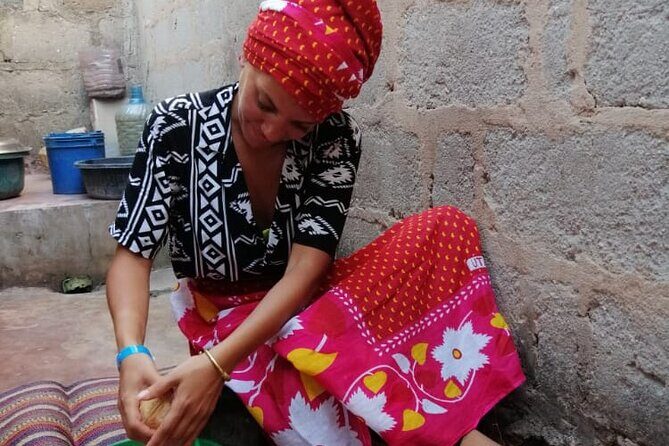
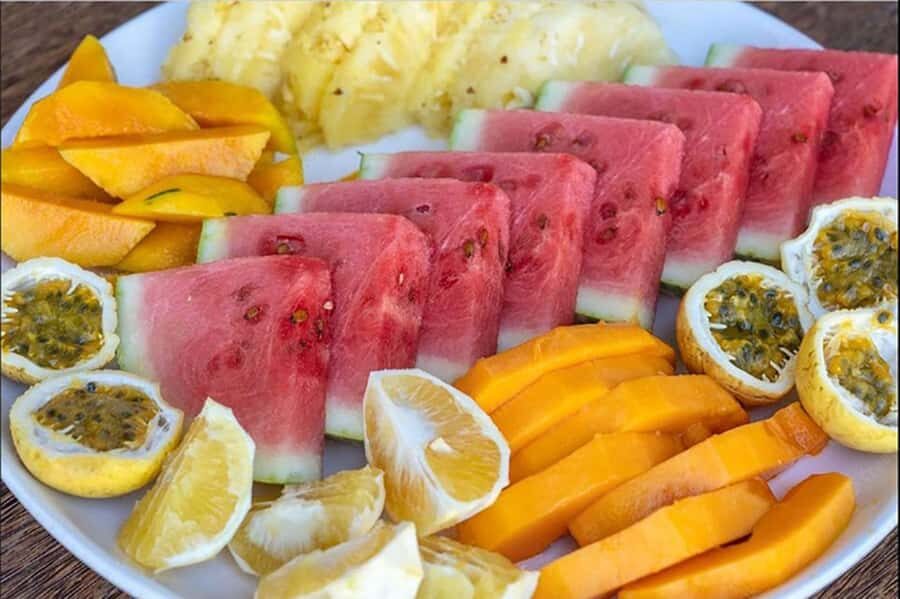
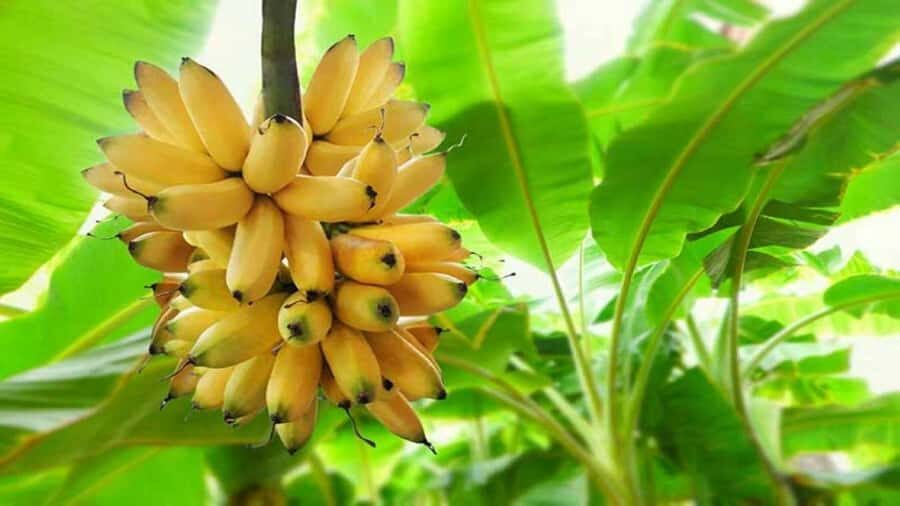
Expect a guided walk through plantations and practical explanations of how Zanzibar’s “spice economy” works. You’ll hear about the cultivation and everyday uses of the classic crops people associate with the island, including cloves, nutmeg, cinnamon, cardamom, and black pepper. And yes, you’ll get chances to interact: smell, touch, and taste fresh spices and herbs, plus tropical fruits such as coconut, papaya, and lemongrass.
This is also where the day becomes feel-good instead of purely educational. In reviews, guides like Chaf and Lukman are praised for making the farm tour easy to follow (and fun even for families). If you’re the type who remembers by doing, you’ll likely enjoy this part more than a museum-style explanation.
Time on the farm can be a lot, though. One review notes that the spice-farm visit felt quite long and partly tiring. If you’re sensitive to heat or you walk slowly, bring water, go at a comfortable pace, and don’t hesitate to ask the guide to keep stops efficient.
A few more Zanzibar Archipelago tours and experiences worth a look


Swahili Lunch With Real Local Flavors (Plus Fruit)

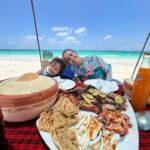
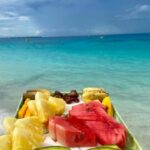
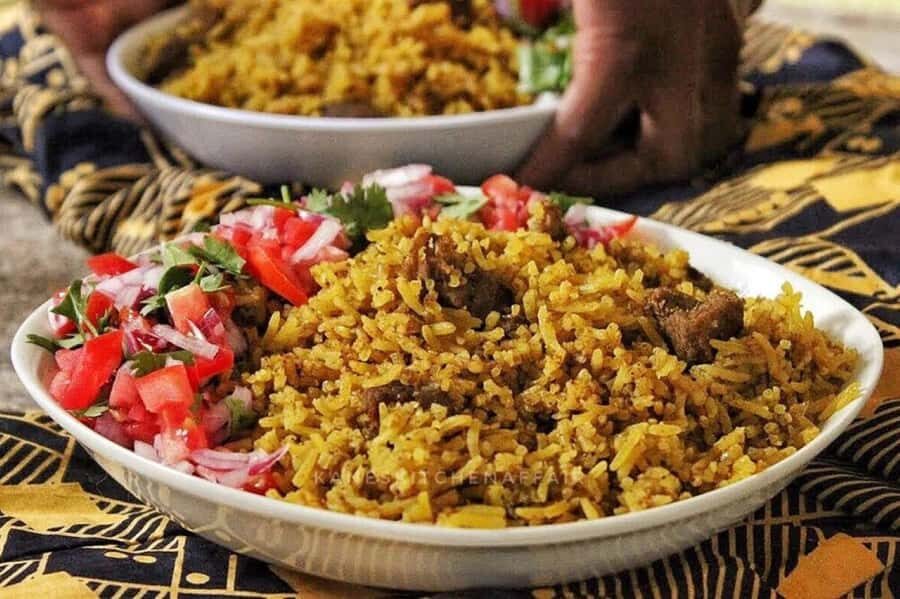
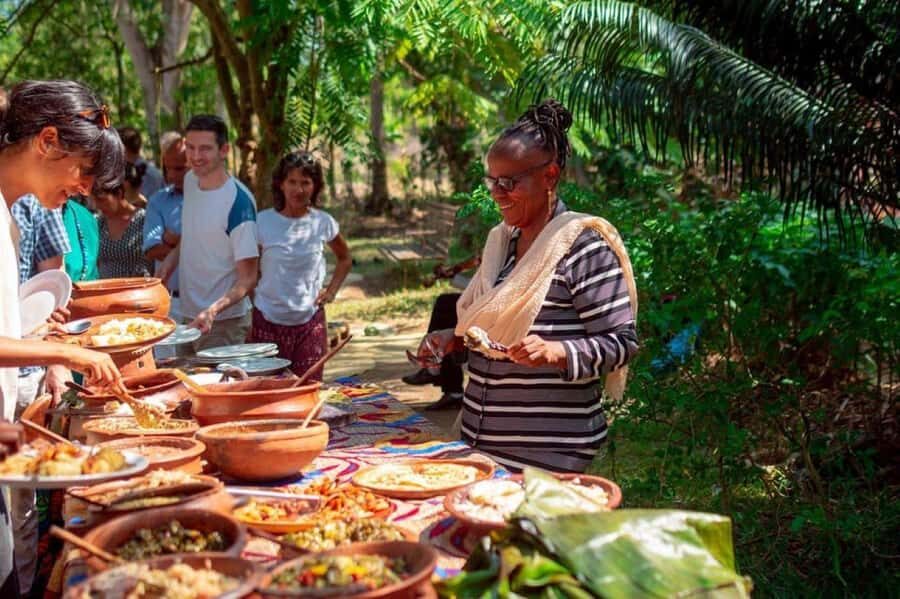
After the farm walk, lunch is included. This matters because it anchors the spice story: you taste local flavors in the same setting where the ingredients grow. The meal is described as a traditional Swahili lunch with local dishes and seasonal fruits. Soft drinks are included too.
If you have a dietary preference or you don’t want the standard Swahili meal, you can request an alternative in advance—there’s an extra charge for alternatives. Plan that early so lunch stays easy instead of stressful.
Bring cash for small purchases if you want souvenirs. A shopping component is built in after the farm tour, and you’ll often find locally made soaps and perfumes made from island ingredients. That’s one of the more practical ways to take a bit of Zanzibar home without overthinking it.
Stone Town: UNESCO Streets, Real Stories, and Key Landmarks
Next comes Stone Town, the UNESCO-listed historic core of Zanzibar City. You’ll do this as a guided walking tour, which is the right choice here. Stone Town rewards slow movement: narrow alleys, shifting crowds, and architecture that reflects multiple influences over time.
Your guide will point out major landmarks and explain what they meant. Based on the tour description, you should expect stops and stories tied to:
- The former slave market
- The Sultan’s Palace
- The wider mix of African, Arabian, Indian, Persian, and European influences visible in the buildings and the culture
This is the part that can land emotionally. The former slave market stop isn’t meant to be cheerful, but it’s important—and a strong guide can make it clear and respectful without turning it into a lecture. Reviews mention guides such as Zakaria/Zacharia bringing the history to life with calm, engaging explanations.
One timing note: the walking tour is listed at about 2 hours. That’s enough for the most important sights, but it won’t feel like you’ve fully “solved” Stone Town by the end. If you want time to wander independently afterward, plan to do it on another day.
If you’re traveling with kids, it can still work well because guides can adjust pacing. One family mentioned that guide Lukman was especially attentive with children while still covering the sites parents care about.
Language can be a small surprise. The tour offers multiple languages (including English, French, Spanish, Russian, Italian, German, Korean, and Swahili), but one review notes the tour was in English when German was expected. If language matters for you, confirm your language choice before you go.
Prison Island by Dhow: Tortoises, Peacocks, and a Former Detention Site
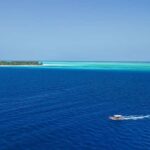
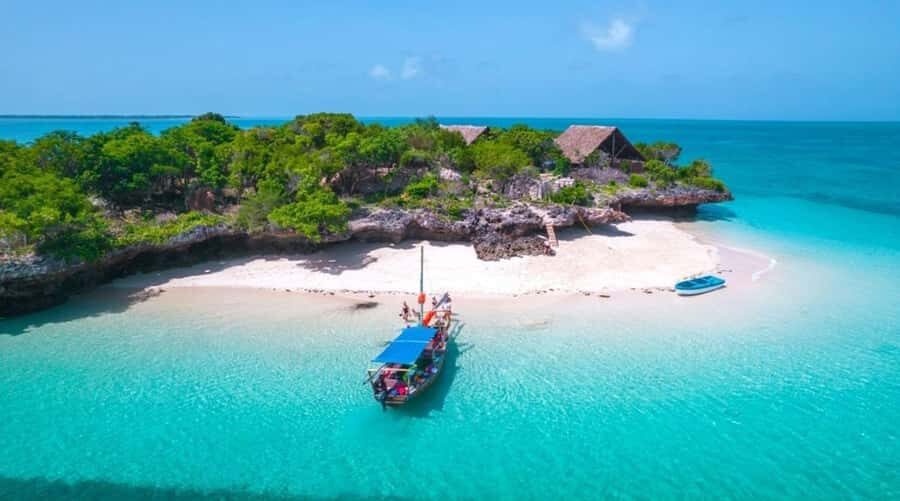
In the afternoon, you’ll take a traditional dhow boat to Prison Island (Changuu Island). The ride is short—think around 30 minutes—and you’ll be provided with a life jacket. This is a good moment to get a break from walking while still moving through a core Zanzibar experience.
At Prison Island, you’ll explore historic prison buildings and learn about the island’s role as a former detention site. Then the main event begins: wildlife viewing.
You’re almost guaranteed to focus on the Aldabra giant tortoises, with the common highlight being that they’re old—some are described as over a century old. You may also see other animals, including peacocks and antelopes. One review even mentions spotting a dik-dik, which you should treat as luck rather than a promise, but it hints at how lively the island can be.
Here’s a smart tip: timing can change your experience. One reviewer was pleased to do Prison Island early enough to encounter fewer people and enjoy the animals more quietly. Your tour order is usually presented as spice farm → Stone Town → Prison Island, but if your schedule and local coordination allow it, you can ask whether any sequencing adjustment is possible to reduce crowds.
Also, don’t ignore your footwear. You’re advised to bring water shoes or sturdy, non-slip footwear for safe climbing in and out of the boat.
Price and Fees: What the $52 Covers (and What You Pay Later)

The published price is $52 per person for an 8-hour day. That usually includes the big moving parts:
- hotel pickup and drop-off transfer
- the private spice farm entry fee
- a professional local guide
- the round-trip boat transfer
- a traditional Swahili lunch with soft drinks
- government taxes
- life jacket
But you must budget for one extra cost: conservation fees of $22, payable on the day of your tour. The info also notes that (starting September 1, 2025) the total entry fee is $22, covering both marine conservation and Prison Island entry:
- $10 marine conservation
- $12 entry to Prison Island
So your all-in cost is closer to $74 before any optional upgrades like meal alternatives. I think that’s still fair value if you want the full “Zanzibar highlights” stack in one day, especially because you’re not only visiting sites—you’re guided through them, and you get lunch included.
The only time this becomes less good value is if you already plan to do Stone Town and Prison Island on separate days with cheaper independent transport. If you’re trying to compress your time and want a single guided flow, this format usually makes sense.
A few more Zanzibar Archipelago tours and experiences worth a look


Practicalities for a Smooth 8-Hour Day
A few details will make your day easier.
Bring what matters most
- Cash (for the conservation fee and any purchases)
- Sunglasses and a sun hat
- Sunscreen
- Water shoes or non-slip footwear
- Water is smart, even if soft drinks are included
Transfers and time
Expect a full day with multiple short transfers by van and one boat ride. The itinerary is built around photo stops and guided sections, so you won’t feel like you’re stuck on the road for hours—still, it’s not a “slow morning” type of outing.
Pickup
Pickup is included from either your accommodation area or the airport option. You’ll wait at the hotel reception for your driver. If you’re meeting at the airport, you should plan for a bit of extra time to confirm your pickup point.
Communication
You may be asked for a WhatsApp number to coordinate more quickly. That’s useful in a place where timing matters, especially if your hotel front desk is busy.
Meals
Lunch is included, and there are alternative meal options at extra charges. If you have dietary needs, flag them in advance so you don’t lose time deciding on the spot.
Who This Tour Fits Best (and Who Should Rethink It)

This tour is a strong fit if you want:
- Guided Stone Town without getting lost in the lanes
- a hands-on spice experience rather than a quick photo stop
- an efficient way to see Prison Island’s tortoises in the same day
It’s also a good choice for first-time Zanzibar visitors who feel they need “the highlights” to orient themselves.
Rethink it if:
- you’re not comfortable with long sun exposure or lots of walking
- you dislike spending a big block of time at a farm (one review called the farm portion long)
- you want to keep costs strictly low once you include the $22 conservation fee
For families, it can work well when guides keep kids engaged—reviews highlight guides like Lukman for being attentive with children.
For solo travelers, the guided structure helps a lot. One solo traveler praised feeling cared for throughout the day and highlighted that their guide took plenty of photos, which is a nice bonus when you want documentation without juggling your phone the whole time.
The Guide Factor: Names That Keep Coming Up

This tour lives or dies by the guide. In reviews, you’ll see a few names repeatedly:
- Lukman and Lookman for friendly, professional explanations (including French in at least one case)
- Chaf for pedagogy that made the farm portion feel engaging
- Zakaria/Zacharia for strong historical storytelling in Stone Town and beyond
- Hassan noted as a courteous driver who also helped with language on the road
- Jaffa and Ali Baba mentioned as spice-farm guides with lots of practical knowledge and even a quiz-style teaching approach
That pattern suggests you’re likely to get a guide who cares about clarity, not just checking boxes. Still, confirm language preferences so you don’t end up with a mismatch.
Should You Book This Zanzibar Day Tour?
Yes, I’d book it if you want a single, well-structured day that covers three major Zanzibar experiences—spice farm, Stone Town, and Prison Island—with a guide and lunch included. The value improves when you treat the extra $22 conservation fee as part of the plan rather than a last-minute surprise.
You should consider alternatives or a different format if you already know you won’t like a longer farm visit, you’re extremely budget-tight once fees are added, or you need very specific language support. In that case, message your provider ahead of time about language and any meal needs, and be ready for the day to be active.
If your goal is to see a lot, learn a lot, and leave Zanzibar with clear memories (and not just selfies), this is a solid way to do it in one go.
FAQ
How long is the tour?
It runs for 8 hours.
Where can I get picked up?
Pickup is included from either Zanzibar Island or from Abeid Amani Karume International Airport (based on the options provided).
What’s included in the price?
Hotel pickup and drop-off transfer, a private spice farm entry fee, a professional local guide, round-trip boat transfer, traditional Swahili lunch, soft drinks, life jacket, and government taxes are included.
What extra fee should I expect for Prison Island?
You’ll pay conservation fees of $22 on the day of the tour. The fee covers marine conservation and Prison Island entry.
Is lunch included, and can I request an alternative?
Yes, a traditional Swahili lunch with local dishes and fruits is included. If you don’t prefer it, you can request a preferred meal in advance for an extra charge.
What should I bring?
Bring sunglasses, a sun hat, sunscreen, water shoes, and cash.
What languages are available for the guide?
English, French, Spanish, Russian, Italian, German, Korean, and Swahili are listed as available.
Is the tour refundable if my plans change?
Cancellation is free up to 24 hours in advance for a full refund.