REVIEW · ARUSHA
From Arusha: 7-Day Discovery of the real Africa from Lake Manyara
Book on Viator →Operated by Beach & Safari · Bookable on Viator
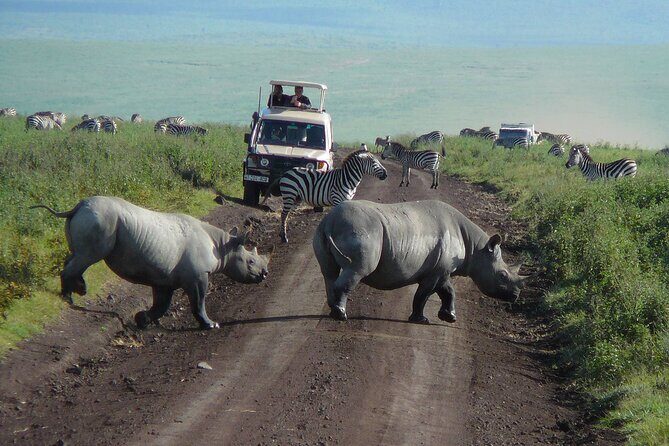
Open-roof safari moments are hard to beat. This 7-day Northern Circuit style trip from Arusha focuses on Lake Manyara and the cultural stops around it, with a lot of flexibility built in. You’ll ride in a 4×4 safari vehicle with a pop-up roof, plus get a smooth start and finish with pickup in the Arusha area.
Two things I really like: first, the itinerary gives you a true wildlife day with a full Lake Manyara game drive, not just a quick drive-by. Second, you get downtime on multiple days at the Africa Safari Lake Manyara accommodation, so you’re not rushed every hour of the trip. One consideration: the “relaxing days” are heavy on optional activities, so you’ll want to decide ahead of time what you’ll actually spend energy and money on.
In This Review
- Key highlights at a glance
- Entering Arusha to Lake Manyara: The rhythm of this 7-day trip
- The pop-up roof safari vehicle: more than a gimmick
- Days 1–2: settling into Africa Safari Lake Manyara (and picking your pace)
- Day 3: the real wildlife day in Lake Manyara National Park
- Days 4 and 6: “easy days” with optional villages, walking safaris, and more
- Day 5: Maasai boma visit—what you should watch for
- Meals, comfort, and the value behind “included”
- Price and logistics: what $2,544 per person really buys
- Who should book this Lake Manyara-focused safari
- A quick timing reality check before you go
- Book it or pass: my decision guide
- FAQ
- What is the safari route and main location?
- What kind of safari vehicle is used?
- Is pickup and drop-off included?
- What’s included in the price?
- What isn’t included?
- Is this a private tour?
- Are there optional activities during the trip?
Key highlights at a glance
- Open-roof 4×4 safari ride that keeps eyes up and windows down (when it’s time)
- One full day in Lake Manyara National Park with game drive time focused on wildlife
- Optional add-on activities around Mto Wa Mbu and the Manyara area, listed as admission free
- Maasai Boma visit for a short, structured look at local life
- All meals and park fees included so budgeting is simpler than many safaris
Entering Arusha to Lake Manyara: The rhythm of this 7-day trip
This safari is designed around a classic Tanzania pattern: get oriented in Arusha, then base yourself near Lake Manyara long enough to enjoy the area without racing nonstop. Day 1 is a straightforward transfer from Arusha to the Africa Safari Lake Manyara accommodation, and it sets the tone for the whole trip. After the drive, you can switch into vacation mode right away.
If you like your safaris to feel like a real break (not just an animal-hunting marathon), this plan fits. You get multiple “in-between” days where you can choose slower activities—pool time, spa time, bird watching, or a village visit—then pivot back into wildlife-focused time on the key day.
And you’re not stuck with only one pace. The schedule offers optional adventures like mountain biking through the village of Mto Wa Mbu and canoeing on Lake Manyara. You’re also doing a mix of nature and culture, not only one theme.
A few more Arusha tours and experiences worth a look

The pop-up roof safari vehicle: more than a gimmick
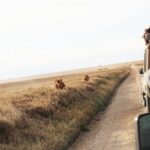
A 4×4 with a pop-up roof changes the feel of a safari day. On open-roof setups, you can spot movement sooner, because your head and eyes naturally lift to scan. It also makes photography easier when animals are at eye level or slightly above the road—common on safari days.
The tour’s promise is “best of the open road,” and the practical benefit is that you’ll spend less time fighting for the best viewing angle. You don’t have to “hunt for a window spot” the whole game drive.
The other half of this is the human factor: guides. In the past, this route has been praised with specific guide and driver names. You may work with guides such as Beatus Jackal, Muktar, Hamis, or Hermann. Driver names that have come up include Justin, James, and Vincent. The overall pattern from those comments is consistent: drivers are attentive and guides are clear about what you’re seeing, not just reciting facts. If you care about understanding animal behavior and local scenery, that matters.
Days 1–2: settling into Africa Safari Lake Manyara (and picking your pace)
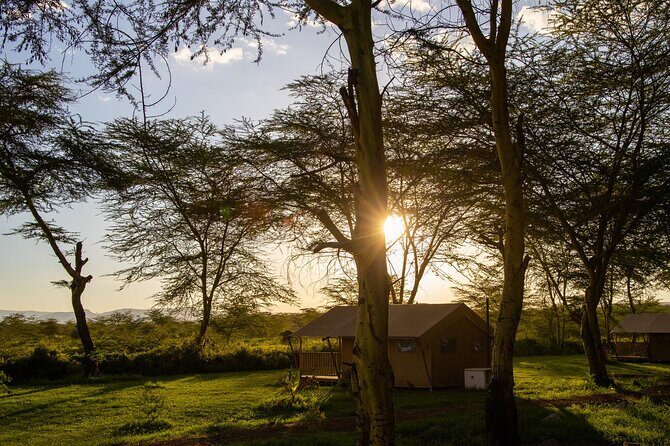
After pickup in the Arusha area, Day 1 ends with arrival at the Africa Safari Lake Manyara accommodation. From there, you get choices. The schedule calls out using facilities like a spa and a swimming pool, which is a nice contrast to long days on the road.
If you want activity immediately, there are options such as:
- Mountain bike ride through the village of Mto Wa Mbu
- Canoeing on Lake Manyara
Day 2 keeps the same theme: a relaxing day with optional activities like guided bird watching and a zip-line adventure. Even if you skip the adrenaline stuff, birding can be a great way to “read” the area. When you do a full park day later, you’ll often spot birds and behavior changes faster because you’ve already learned the local rhythm.
One more practical detail: the itinerary marks many of these activities as admission ticket free. That doesn’t automatically mean every cost is zero (for example, gear or guiding can vary), so it’s worth asking the team what’s covered when you’re deciding day-to-day. Still, it’s a good sign that the plan isn’t designed to nickel-and-dime you on basic entry.
Day 3: the real wildlife day in Lake Manyara National Park
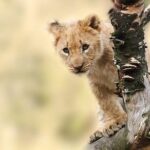
Day 3 is the centerpiece: a full-day safari game drive in Lake Manyara National Park. The park’s headline feature is often the chance to see tree-climbing lions, along with the park’s varied scenery and wildlife. Even if you’ve seen videos before, a real game drive is different because you’re watching everything live: pacing, sounds, and how animals move between patches of habitat.
This day is scheduled for about 6 hours. That timing is important. Too short and you rush. Too long and you can get worn out, especially in heat. Six hours is usually enough to cover multiple zones and still stay alert.
Here’s what you should be ready for in how Lake Manyara feels:
- Wildlife sightings can be close and sudden, especially when animals use the edges of the habitat.
- The park can reward patience—stops matter, and scanning matters.
- Your guide’s skill in spotting behavior (not just animals) makes a difference. That’s consistent with the guide praise you’ll see connected to this kind of safari experience.
If you’re traveling with someone who wants big wildlife moments, this is the day you anchor the trip around.
Days 4 and 6: “easy days” with optional villages, walking safaris, and more
Days 4 and 6 are both 8-hour relaxing days. That can sound vague until you look at the options. These are the days where you pick what kind of traveler you want to be.
The schedule lists several possibilities in the Manyara area, including:
- A walking safari
- A village tour
- A tuktuk village tour
- A farm tour
- Another chance for optional activities, with staff help for what’s available
Why these days matter: they prevent safari fatigue. If you only did one wildlife day, then stacked every other moment with more driving, you’d spend the whole trip tired. Instead, you can recover, eat well, and choose whether to be out learning or relaxing.
Also, these days often create the best kind of travel memory. A game drive gives you animals. A village or farm interaction gives you context—how people live day-to-day, how agriculture works locally, and what daily life looks like beyond safari roads. When the schedule is structured this way, you can go from wildlife to real-world human rhythms without feeling like you’re teleporting.





Day 5: Maasai boma visit—what you should watch for
Day 5 is a dedicated cultural stop: a visit to a traditional Maasai Boma for about 4 hours. The itinerary frames it as learning about lifestyle, and that’s exactly what you should treat it as: an educational visit, not a photo safari.
To make the boma stop genuinely worthwhile, I’d recommend you:
- Ask questions during the time you’re there, not only while walking around.
- Keep your expectations realistic. This is a short visit, so you’re not seeing an entire year of community life.
- Pay attention to how the guide explains the everyday parts of living—structures, routines, and roles—because that’s where the value sits.
The timing is good too. A half-day block means you’re not mentally exhausted from being in the bush all day, but you also don’t waste the day with only downtime.
Meals, comfort, and the value behind “included”
The tour lists drinking water and all fees and taxes as included. It also includes meals:
- Breakfast (6)
- Lunch (5)
- Dinner (6)
That’s a big deal for value. A lot of safari packages look cheaper until you realize you’re paying separately for park-related costs and daily meals. Here, you’re not constantly recalculating what you owe.
It also helps energy management. On safari days, you don’t just want food; you want food that keeps you steady during the heat and waiting. When lunch and dinner are handled, you can focus on being present instead of hunting for something quick near the lodge.
One more thing: because this tour is designed around a base near Lake Manyara, you’re not spending your entire trip eating on the move. That tends to make the “vacation feel” last longer.
Price and logistics: what $2,544 per person really buys
The price is $2,544.00 per person for roughly 7 days. On its face, that’s not a casual vacation. But safari pricing often includes the things you can’t skip: vehicle time, park access, guiding, and meals.
What you’re getting here that supports the cost:
- Private tour setup where only your group participates
- Pickup in the Arusha area and return to Arusha at the end
- Safari vehicle with pop-up roof
- One full-day game drive in Lake Manyara National Park
- All fees and taxes plus meals laid into the schedule
- A mix of relaxation and optional experiences, often labeled with admission ticket free
What you’ll still likely pay for:
- Tips (optional)
If you’re comparing this against other safari options, I’d focus less on the sticker number and more on the “what’s included” math—especially how many meals and park-related items are bundled.
Who should book this Lake Manyara-focused safari
This is a strong fit if you:
- Want open-roof safari time without spending every day on long drives
- Prefer a mix of wildlife and culture
- Like the idea of choosing your daily pace on “relaxing days”
- Want a private-group experience, not a crowded scramble
It can also be a good match for couples and friend groups who want flexibility. The schedule is built to support different interests: some people will do biking or canoeing; others will focus on birding or village tours.
If you’re the type who wants constant game drives every day, this may feel slower than you like. The wildlife day is clearly planned for Day 3, while Days 2, 4, and 6 are more flexible. That isn’t bad—just different.
A quick timing reality check before you go
The tour is scheduled to run daily over a wide date range, with local-time hours noted in the overall operating window. Still, safari days depend on conditions. The experience notes that it requires good weather, and if it’s canceled due to poor weather, you’ll be offered a different date or a full refund.
Also, there’s a minimum number of travelers requirement mentioned for the experience. Even though it’s private for your group, the operator still needs enough demand to run the plan.
Book it or pass: my decision guide
Book this if you want a safari that balances wildlife with real downtime. The Lake Manyara game drive is your anchor, and the rest of the days give you choices that can turn a good trip into a comfortable one.
Consider another option if you’re chasing a nonstop series of parks or a packed daily wildlife schedule. This one is more about staying based near Lake Manyara and shaping the trip with optional activities.
If you’re unsure, ask the team to help you pick what to do on Days 2, 4, and 6. Those days are where your preferences decide how memorable the trip becomes.
FAQ
What is the safari route and main location?
The trip starts in the Arusha area, includes Lake Manyara National Park, and returns to the Arusha region on the last day. It also includes a Maasai Boma visit in the Manyara area.
What kind of safari vehicle is used?
You ride in a 4×4 safari vehicle with a pop-up roof, designed for viewing wildlife from an open-air position during the game drive.
Is pickup and drop-off included?
Yes. Pickup is offered in the Arusha area, and the driver brings you back to the Arusha region after breakfast on the final day.
What’s included in the price?
Included items are drinking water, all fees and taxes, and meals: 6 breakfasts, 5 lunches, and 6 dinners.
What isn’t included?
Tips are listed as optional and not included in the price.
Is this a private tour?
Yes. It’s described as a private tour/activity, with only your group participating.
Are there optional activities during the trip?
Yes. Several days include optional activities such as spa/swimming, mountain biking in Mto Wa Mbu, canoeing on Lake Manyara, bird watching, zip-line, walking safari, village tours, tuktuk village tours, and farm tours. The schedule labels many listed options as admission ticket free, but it’s smart to confirm what’s covered when you choose.