REVIEW · MOSHI
Climb Kilimanjaro in 8 Days via Lemosho Route
Book on Viator →Operated by Bush Lion Trekking and Tours · Bookable on Viator
The big question on Kilimanjaro is simple: can you acclimatize well enough? This 8-day Lemosho Route gives you a slower, steadier climb that moves through rainforest, plateau, and alpine desert before you go for Uhuru Peak. Two things I really like: the pacing that helps your body adjust, and the way camp life feels organized, with strong guiding and porter support.
One heads-up: this trek still asks for real stamina. The summit day is long and starts extremely early, and the climb is weather-dependent, so conditions can affect plans.
In This Review
- Key things to know before you go
- Lemosho in 8 days: why the timing can work for your body
- Price and what you actually get for $2,500
- Day 1: Moshi to Londorossi Gate to Big Tree Camp
- Day 2: Shira Camp 1 and the first real altitude work
- Day 3: Shira Plateau day for acclimatization and views
- Day 4: Shira to Lava Tower junction, then Barranco Wall to Camp
- Day 5: Barranco Wall up again, then to Karanga Camp
- Day 6: Alpine desert to Barafu Camp and the final prep stage
- Day 7: Summit night grind to Stella Point at sunrise and Uhuru Peak
- Day 8: Mweka Gate descent through rainforest and back to Moshi
- Guides, porters, and camp life that makes the climb feel managed
- Gear, pacing, and small choices that prevent big problems
- Who this Lemosho climb is best for
- Should you book this 8-day Lemosho trek?
- FAQ
- What start time should I plan for?
- Where does the trek begin?
- Is airport pickup included?
- What’s the group size limit?
- What does the $2,500 price include?
- Is international airfare included?
- What should I bring since personal items are not included?
- What happens if weather is poor?
Key things to know before you go
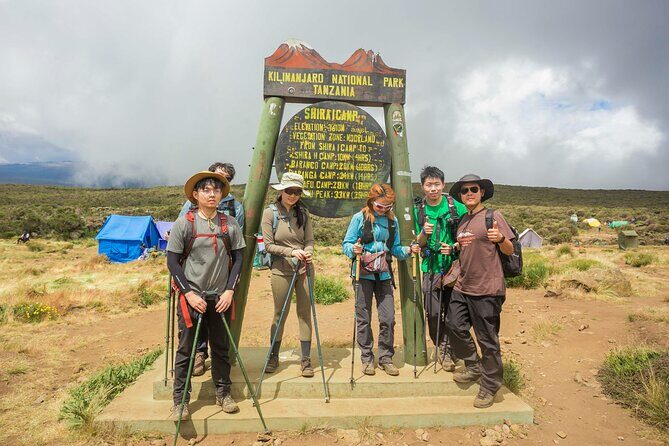
- Lemosho pacing for acclimatization: more gradual altitude gains across eight days
- Camp setup and essentials included: tents, sleeping mats, sleeping bags, and cooking support
- Real support team: experienced guides plus porters, with safety gear (including first aid and oxygen tanks)
- Food and comfort logistics handled: full meals each day, plus clean drinking water
- Small group size: up to 10 travelers, which usually means less chaos at camp
Lemosho in 8 days: why the timing can work for your body
If your goal is the summit, pacing is not a vibe. It is physiology. The Lemosho Route is designed for gradual ascent, so you spend time at each stage instead of sprinting upward. That matters because altitude punishes fast decisions. On a route like this, you’re not just chasing views. You’re also giving your body a better shot to adjust.
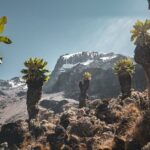
I also like that Lemosho covers big changes in scenery. You’ll start in rainforest, then work up into heath zone, plateau areas, and eventually alpine desert. That shift keeps the trek interesting day after day, and it also signals you’re climbing through different altitude bands (which is exactly what you want when acclimatization is the game).
And yes, there is a high success-rate focus. Nobody can guarantee the summit. But the route structure and eight-day schedule are built to make the climb more forgiving than shorter options.
You can also read our reviews of more tours and experiences in Moshi.
Price and what you actually get for $2,500
At $2,500 per person, this trip costs more than a typical “tour,” but that’s because Kilimanjaro is not casual. You’re paying for permits, a support crew, camping gear, food, and the logistical chain that keeps you safe and moving.
Here’s what your price covers:
- Airport transfers to and from Kilimanjaro International Airport
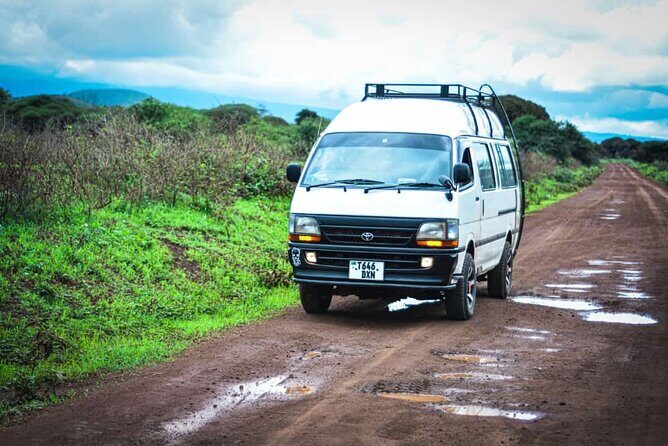
- Transport to the trailhead and back
- Park fees and permits
- Experienced guides and porters
- Clean drinking water during the trek
- Tents and camping equipment, including sleeping bags and sleeping mats
- Safety equipment, including items like oxygen tanks and first aid kits
- Meals every day (breakfast, lunch, dinner)
- Kilimanjaro summit certificate (if you reach the top)
What’s not included (and this is where you’ll want to plan):
- International airfare to Tanzania
- Travel insurance (medical/evacuation/trip cancellation)
- Personal gear (boots, clothing, and your own backpack)
- Tips for guides, porters, and staff
- Any extra nights or meals before/after the climb
- Alcohol and personal expenses
Is it good value? For me, the biggest “value signal” is that the essentials are bundled: permits, gear, meals, and a support team. When those are included, you’re less likely to get surprised mid-trip by missing equipment or extra costs at the worst possible time.
Day 1: Moshi to Londorossi Gate to Big Tree Camp
Day 1 is about getting organized and starting in a way that doesn’t blow you up. After breakfast, you head to Londorossi Gate for registration, then you drive to the Lemosho trailhead and begin trekking through rainforest toward Big Tree Camp.
This is a smart start. Rainforest trekking is physically gentler than what comes later, and it also helps you get used to your gear and hiking rhythm. If you’ve never done a multi-day trek, day 1 is your calibration day: figure out your pace, test your footwear, and stop before you’re tired enough to make mistakes.
Time-wise, plan for a solid day on the trail (around 4 hours), plus the transfer and gate process. It’s not a “party start,” which is exactly right for Kilimanjaro.
Day 2: Shira Camp 1 and the first real altitude work
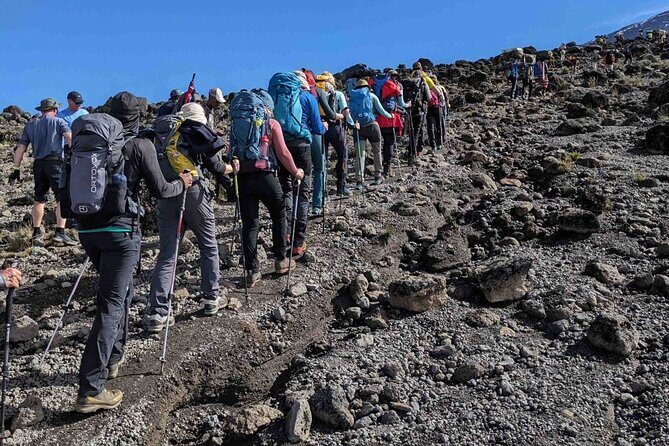
On day 2, the hike continues through rainforest and gradually steepens as you move into the heath zone. You’ll reach Shira Camp 1 for overnight.
Two things make this day important. First, you’re still building altitude. Second, the terrain starts to ask more from your lungs and legs. The key is to keep your effort controlled. Even if you feel good at first, save your energy. Kilimanjaro rewards consistent walking more than dramatic surges.
Expect this day to be around 5 hours on foot. That’s long enough to feel it, but not so long that you’re wrecked before you even settle into camp.
Day 3: Shira Plateau day for acclimatization and views
Day 3 is one of those “this is where the plan shows up” days. The trek is relatively short (around 5 hours), and the route ascends toward the Shira Plateau. You’ll get strong views of Kilimanjaro and the surrounding areas, which is a nice morale boost when altitude is starting to become real.
This day is also about breathing and rhythm. If you’ve ever had headaches or nausea at elevation, this is where you pay attention. You’re not trying to prove anything. You’re checking whether your body is coping and whether your pace is sensible.
The plateau vibe is also useful mentally. It feels like you’re stepping into a different world, and that helps you stay patient for what’s coming next.
Day 4: Shira to Lava Tower junction, then Barranco Wall to Camp
Day 4 runs the classic Lemosho rhythm: hike, acclimatize, then descend to keep things comfortable. You’ll cross the Shira Plateau toward the junction leading to Lava Tower, stop for acclimatization, and then descend to Barranco Camp via Barranco Wall.
Here’s the practical part: a “descend” day can still feel tough. Your knees and quads do work on steeper downhills, and Barranco Wall is scenic but not effortless. It’s easier than it looks only if you use good foot placement and don’t rush.
Around 7 hours total makes day 4 longer than the early days. Plan to spend the evening in recovery mode once you arrive at Barranco Camp. If you keep your energy steady, tomorrow’s work feels more doable.
Day 5: Barranco Wall up again, then to Karanga Camp
Day 5 starts with climbing Barranco Wall again. This is the same feature as day 4, but going up changes the feel completely. After that, you’ll hike through valleys and ridges to Karanga Camp, with great chances to see the southern glacier of Kibo.
One benefit of having this day in the middle of the route: it prepares you for the mental pattern of Kilimanjaro. You learn that effort comes in blocks, then you recover, then you move again. You’re not climbing for an all-day push without breaks. You’re working a sequence.
Time-wise, expect around 5 hours. That’s a good length for a day that has both climbing and repositioning.
Day 6: Alpine desert to Barafu Camp and the final prep stage
On day 6, the trek shifts into alpine desert terrain as you head toward Barafu Camp. You’ll arrive with spectacular views of Mawenzi and the summit ridge, then you rest and prepare for the final ascent.
This is where the mountain gets noticeably harsher. The air can feel drier and colder, and the walking can feel more exposed. You might not get the rainforest feel anymore, so your gear and clothing choices matter more.
Around 4 hours on foot makes day 6 shorter, but it’s not “easy.” It’s short by design so you can conserve energy and sleep well. Your final push depends on how rested you feel at night.
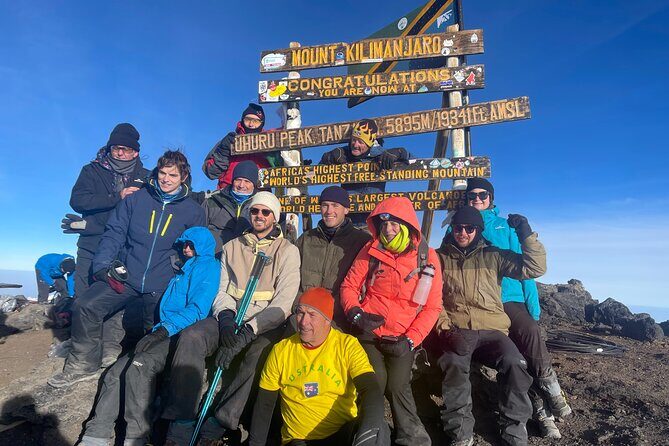
Day 7: Summit night grind to Stella Point at sunrise and Uhuru Peak
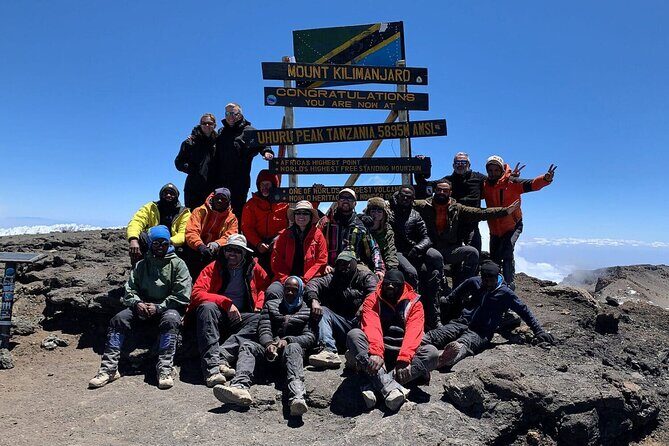
Day 7 is the big one. You start early and climb toward the summit attempt, reaching Stella Point at sunrise and then continuing to Uhuru Peak, the highest point in Africa. After that, you descend back to Barafu Camp for a short rest, then continue down to Mweka Camp for overnight.
This day is listed at about 13 hours, and it will feel long even if you’re fit. The trick is to go slow enough that you can keep moving when the altitude starts squeezing your effort.
If you’re feeling nervous about the summit push, take comfort in the structure. You’re not thrown into a sudden steep jump. You’ve already climbed through multiple zones, and you’ve already built acclimatization habits on earlier days. Still, you need a “small steps” mindset for the top.
Also, this is where camp culture matters. Many people remember the guides and porters as much as the views—especially on summit day when morale can dip. In past climbs organized by this operator, guides like Elissafi and Kenny, and leaders such as Efatha and Sebastian, have been credited for keeping people moving with kindness and clear support.
Day 8: Mweka Gate descent through rainforest and back to Moshi
After the summit and the long day before, day 8 is a relief: a descent through rainforest to Mweka Gate, then farewell to your mountain crew. You’ll transfer back to your hotel in Moshi, where you can finally stop thinking about elevation.
Day 8 is around 5 hours. The real win is ending with a warmer-feeling ecosystem and a clear path to recovery. Your body will likely still feel the climb. But getting out of the high zones is a huge mental and physical moment.
Guides, porters, and camp life that makes the climb feel managed
Kilimanjaro is often described as physical. It’s also social. The support team shapes your experience more than you expect.
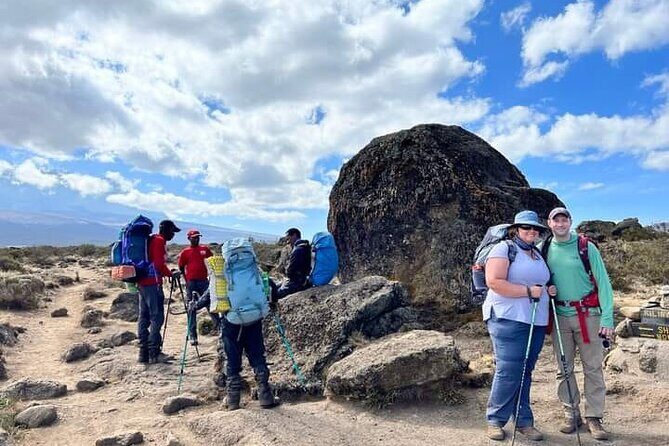
This trek runs with experienced guides and porters, and the camp setup is included: tents, sleeping bags, sleeping mats, and cooking support. Safety equipment is also part of the package, including first aid kits and oxygen tanks.
From the way people describe their trips, the strongest praise lands on three things:
1) Organization from start to finish, including the handoffs and daily rhythm
2) Supportive, professional guidance, with leaders like Jackson coordinating the plan and named guides such as Efatha and Sebastian helping keep morale high
3) Porters who feel like teammates, often friendly and attentive during daily camp work
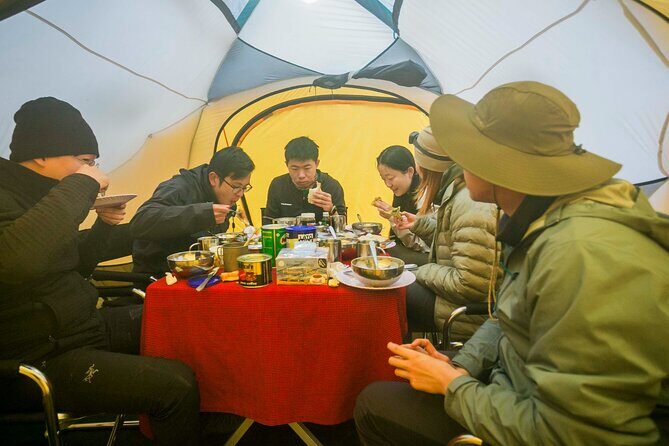
Food also matters on Kilimanjaro because you’re burning calories all day. Meals are included for breakfast, lunch, and dinner each day. People often highlight that the cook keeps meals varied and well balanced instead of repeating the same thing every day. A hot drink in camp can also be a real reset button when nights feel cold.
If you’re thinking about your “comfort plan,” this is it: let your support crew handle the camp machinery so you can focus on the trek and the summit goal.
Gear, pacing, and small choices that prevent big problems
Since personal gear is not included, you’ll want to come prepared with items like hiking boots, clothing, and your own backpack. Camping gear is handled by the trek (tents, sleeping bags, sleeping mats), which reduces what you have to carry and manage day-to-day.
Pacing is the other gear. On summit day, go slower than you think you need to. On the plateau and ridge days, don’t chase speed for bragging rights. If you’re controlling your effort, you’re saving your strength for the later sections.
One more practical tip: pack for temperature swings. Even if you feel warm at midday, nights at higher altitude can be cold, and you’ll appreciate having clothing that lets you layer.
And because the operator notes a moderate fitness level is expected, choose a pace and training plan that can handle multi-day hiking and a very long summit day. If you’re unsure, talk to your doctor and match your prep to the reality of 13-hour walking on day 7.
Who this Lemosho climb is best for
This is a strong fit if you want:
- A gradual acclimatization plan over 8 days
- A route that moves through multiple ecological zones (rainforest to alpine desert)
- A small group experience (max 10 travelers) with guided support
- A package where meals, water, permits, and camp gear are handled
It also tends to suit people who value teamwork. Named guides and leaders (including Jackson as an organizer, plus guides like Efatha, Sebastian, Elissafi, and Kenny) come up often in how people describe feeling cared for.
If you’re looking for a “fast and minimal” Kilimanjaro option, this isn’t that. It’s built for the long game.
Should you book this 8-day Lemosho trek?
Book it if you want the best mix of time to acclimatize, a structured support team, and included camp logistics that keep your focus on the trek. The price is high, but it includes the big-ticket parts: permits, equipment, meals, water, and transfers, plus safety gear.
Don’t book it if you’re not ready for a major physical challenge or if your schedule can’t handle weather changes. This climb requires good conditions, and summit attempts depend on what the mountain does.
If you do book, prep for the long day 7, pack smart for cold nights, and plan to walk like you’re saving yourself for later. That mindset pairs perfectly with the Lemosho plan.
FAQ
What start time should I plan for?
The experience meeting time is 8:00 am.
Where does the trek begin?
You’ll travel to Londorossi Gate for registration, then drive to the Lemosho trailhead to start trekking.
Is airport pickup included?
Yes. Airport transfers to and from Kilimanjaro International Airport are included.
What’s the group size limit?
The maximum group size is 10 travelers.
What does the $2,500 price include?
It includes guides and porters, park fees and permits, transportation to and from the trailhead, clean drinking water, tent accommodation, camping equipment, safety equipment, breakfast/lunch/dinner during the trek, and a summit certificate.
Is international airfare included?
No. International flights to and from Tanzania are not included.
What should I bring since personal items are not included?
You’ll need personal gear such as hiking boots, clothing, and a backpack.
What happens if weather is poor?
This experience requires good weather. If it’s canceled due to poor weather, you’ll be offered a different date or a full refund.