REVIEW · ZANZIBAR
From Stone Town: Spice Tour of Zanzibar
Book on GetYourGuide →Operated by Babu Tours & Safaris · Bookable on GetYourGuide
Spices have a backstory worth slowing down for. From Stone Town, this 2.5-hour Zanzibar spice tour turns a big idea into something you can actually see on a working plantation.
I especially like two things: learning how spices are used and harvested, and tasting the fruits that grow right there.
My only real heads-up: food isn’t included, so plan to handle snacks and drinks on your own.
In This Review
- Key highlights worth your time
- A 2.5-Hour Spice Tour That Fits Real Life From Stone Town
- From Clove Trees to Ginger Roots: What You Actually See on the Farm
- The Coconut Climber Show: A Zanzibar-Style Ending You’ll Remember
- The Tasting and Shop Stop: Buying Spices Without Getting Lost
- Guide Quality and the Pace: What Makes This Tour Feel Personal
- Price and Value: Is $30 a Good Deal for a Spice Plantation Tour?
- Who Should Book This Zanzibar Spice Tour (and Who Might Skip It)
- Should You Book This Spice Tour From Stone Town?
- FAQ
- How long is the From Stone Town Spice Tour of Zanzibar?
- What is included in the price?
- Is food included during the tour?
- Where do you get picked up?
- What languages is the live guide available in?
- Is the tour wheelchair accessible?
Key highlights worth your time
- Smell-and-see spice plants including cloves, nutmeg, vanilla, cardamom, cinnamon, curry, ginger, pepper, tamarind, menthol
- Tropical fruit tastings like papaya, mango, jackfruit (you may also taste other local fruits depending on the day)
- The coconut climber moment, often with singing, plus watching fresh coconut get cut and served
- Practical spice knowledge: where plants come from and how locals historically used them
- A farm shop stop where you can buy spices and related products (and yes, bring cash)
A 2.5-Hour Spice Tour That Fits Real Life From Stone Town
This is the kind of tour that works well when you have limited time in Zanzibar but still want more than a quick photo stop. You’ll get picked up in Stone Town, ride out to a small spice plantation, and spend about 2.5 hours moving through the property with a guide.
The big win is that Zanzibar’s spice story stops being a slogan. You’ll see the plants themselves, learn what people used them for, and end at a shop where you can bring some of that home. Even if you don’t plan to become a spice expert, you’ll leave with clearer ideas about what you’re buying—and how to use it.
One practical note: you’ll be on your feet. Wear comfortable shoes, because it’s a farm path, not a museum floor. And if you’re the type who needs a full meal during a morning or afternoon out, bring your plans in line since food isn’t included.
You can also read our reviews of more tours and experiences in Zanzibar.



From Clove Trees to Ginger Roots: What You Actually See on the Farm
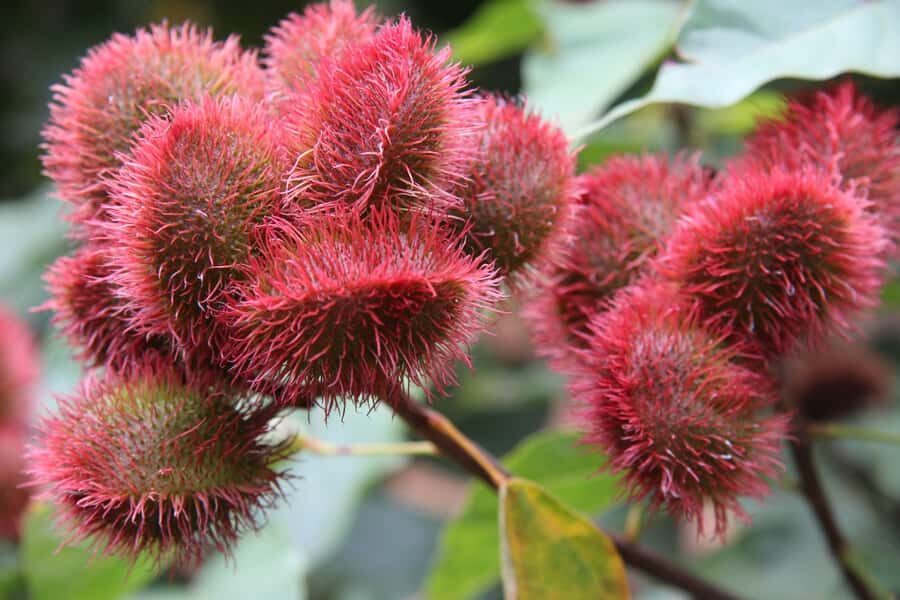
The tour is built around a guided walk through spice plants, herbs, and tropical fruit trees. As you move through the grounds, your guide connects the dots: where each spice grows, what it looks like, and what locals historically used it for.
Here are some of the plants you can expect to encounter:
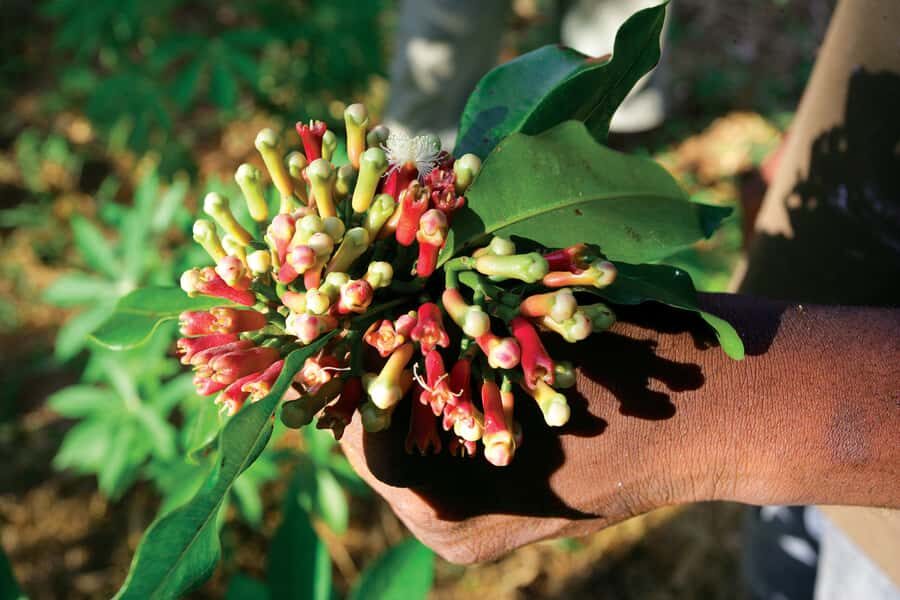
- Cloves, nutmeg, vanilla
- Zanzibar cardamom
- Cinnamon and curry
- Ginger and pepper
- Tamarind
- Menthol (a plant-based source that you’ll hear about in the guide’s explanations)
What makes this more interesting than a simple “here’s a spice” slideshow is the way the guide frames why these plants mattered. Spices weren’t just flavoring. They were medicine, trade goods, and part of daily life.
You’ll also learn a couple of examples tied to traditional uses. Neem tree leaves were used locally as a traditional cure for malaria and indigestion. And the iodine tree is still used in a way that’s meant to help fight infections in wounds. Even if you don’t treat those stories as medical advice, they give you context for how spice knowledge became practical knowledge.
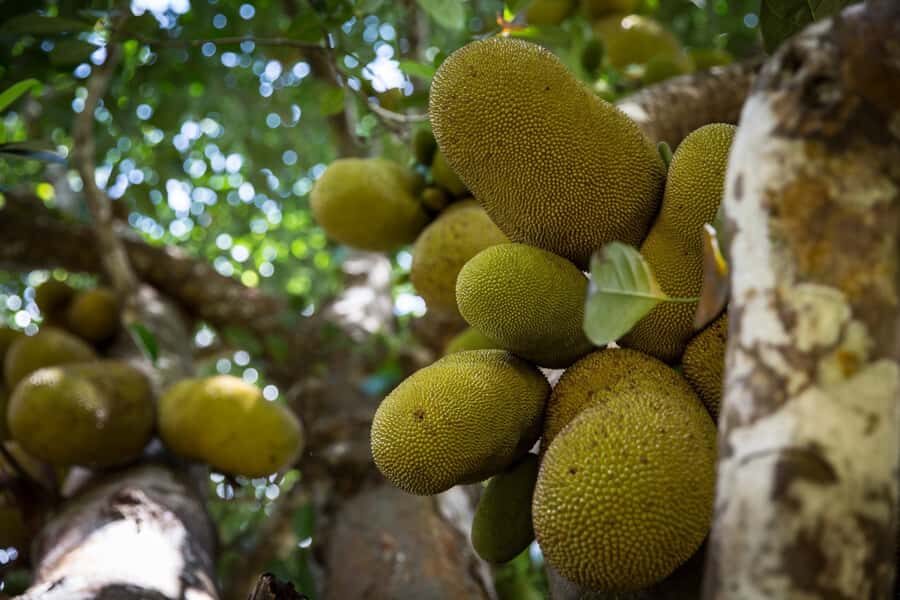
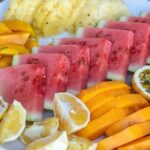
And then there are the fruits. This isn’t a tour that only stops for spices and photos. You’ll be guided through the tropical orchard side of the property too—expect fruit like papaya, mango, and jackfruit. Some days may include a wider tasting spread (I’ve seen mango paired with other local fruits like guava and avocado on similar plantation visits), but the core fruit list here includes those three.
The Coconut Climber Show: A Zanzibar-Style Ending You’ll Remember
A spice tour in Zanzibar usually needs a finale. This one delivers with a coconut climber moment—watching someone climb, cut down a coconut, and serve fresh coconut water. It’s one of those experiences where you can feel the theater of it, even though it’s also real farm work.
In several accounts, the climber sings while doing the cut. One described highlight is the singing of the traditional Jambo song during the coconut moment. It turns the tour from educational into memorable.
This is also where the tour leans into Zanzibar’s personality. You’re not just learning about plants. You’re seeing a local skill performed close up. If you’re traveling with friends or family, this part is a natural group “everyone look at this” moment.
Also, be ready for the reality that people on the farm work as a team. Guides and assistants may be involved in the experience, and tips are commonly expected for the guide, assistant, and the climber. That doesn’t mean you must—but it’s smart to carry extra cash just in case.
The Tasting and Shop Stop: Buying Spices Without Getting Lost
The tour ends with a visit to the spice shop on the farm. This matters because it’s not just a separate shopping stop tacked on at the end. It’s the place where the day’s learning becomes something you can actually take home.
You’ll have the chance to buy fresh spices for cooking at home. You might also see related items like perfumes and soaps, which can make good smaller gifts if you don’t want to pack a suitcase full of jars.
What I like about this setup is that it’s easier to buy confidently. After you’ve seen the plant (and smelled it), you’re less likely to grab the wrong thing. Plus, once you’ve been told how spices are harvested and traditionally used, you’ll have a better sense of how the spice fits into your own cooking.
One practical tip: bring cash. The tour info doesn’t spell out payment methods, but experiences from the field strongly suggest cash is useful for on-site purchases and for tipping.
Guide Quality and the Pace: What Makes This Tour Feel Personal
This is a guided farm walk, and the guide’s approach can make or break the experience. The tour is run by Babu Tours & Safaris, and guides are described as coming from the farm as well as from the tour side—so you tend to get explanations that feel grounded in real work.
You may hear guide names like Juma or Sulley. In either case, the core pattern is the same: you’re shown plants up close and encouraged to touch, smell, and—where possible—taste. That hands-on style is a big part of why this tour stays popular.
The pace also helps. It’s not a marathon, and it’s not a rushed bus loop. You get time for plant explanations, fruit tastings, and the coconut climber moment, all within a set 2.5-hour window.
And one small logistics detail that can save you stress: pickup is available from Stone Town hotels. You wait at the hotel reception to be collected, and pickup is generally coordinated smoothly. If your hotel address mapping is unclear, it helps to be reachable on WhatsApp, since guides often confirm the meeting point that way.


Price and Value: Is $30 a Good Deal for a Spice Plantation Tour?
At $30 per person for about 2.5 hours, the price is fairly straightforward. The ticket covers entrance, your guide, and government taxes.
The value comes from three things:
- You’re paying for a real working farm experience, not just a narrated drive-by.
- You get education plus sensory time—smell, touch, and often tasting of spices and fruit.
- You end at a shop, so the tour has a built-in path from learning to buying.
Does it feel “worth it”? If you like learning through seeing and tasting, yes. If you only want a quick look for 10 minutes and you already know the basics, you might feel a bit shortchanged.
One extra cost to factor in: the farm shop. If you buy spices, perfumes, or soaps, your final trip cost will go up. That’s not a downside—it just means you should decide ahead of time what you want to take home.
Who Should Book This Zanzibar Spice Tour (and Who Might Skip It)
This tour is a great fit if you want a compact Zanzibar activity that feels grounded and fun. I’d especially recommend it if you:
- Like food experiences where you can connect ingredients to their source
- Want a short trip that still feels like an on-the-ground learning moment
- Enjoy markets and cooking at home and want spices that match how you actually cook
It may not be ideal if:
- You need food included during a timed activity (this one doesn’t include food)
- You have mobility limitations. Even though the activity is listed as wheelchair accessible, it’s also marked as not suitable for people with mobility impairments. If that applies to you, ask the operator directly about the route and surfaces before booking.
Finally, bring the right mindset. This isn’t just a checklist of spices. It’s a guided story about why Zanzibar became known as spice island—and what that reputation meant in everyday life.
Should You Book This Spice Tour From Stone Town?
If you want a high-value, low-effort way to experience Zanzibar’s spice culture, I think you should book. The tour’s structure makes it easy to get real learning in a short time: spice plants you can identify, fruit tastings on-site, and the coconut climber moment that adds a memorable finish.
Book it with a little flexibility. Wear comfortable shoes, plan for shopping at the end, and carry cash for purchases and tips. If you’re the type who likes cooking and wants spices you can actually recognize, this $30 ticket often feels like the kind of souvenir that improves your meals for months.
FAQ
How long is the From Stone Town Spice Tour of Zanzibar?
The tour lasts about 2.5 hours.
What is included in the price?
The ticket includes the entrance fee, a guide, and all government taxes.
Is food included during the tour?
No, food is not included.
Where do you get picked up?
Pickup is available from any hotel within Stone Town. You wait at your hotel reception to be collected.
What languages is the live guide available in?
The guide can run the tour in English, French, German, Spanish, and Italian.
Is the tour wheelchair accessible?
The activity is listed as wheelchair accessible, but it’s also marked as not suitable for people with mobility impairments. If mobility is a concern, check with Babu Tours & Safaris before booking.