REVIEW · TANZANIA
The Ultimate Guide for 2-Day Tanzania Safari from Mwanza
Book on Viator →Operated by AFRICA NATURAL TOURS · Bookable on Viator
Serengeti in two days, no fluff. This safari packs a long Mwanza-to-Serengeti drive plus proper game driving for Big Five sightings, then lands you at Nyani Campsite for a relaxed night watching the plains slow down.
I really like two things right away: first, the trip includes the behind-the-scenes stuff that usually turns into add-ons—park entrance fees, accommodations, and purified drinking water. Second, you’ll have a professional, licensed safari driver guide who can explain what you’re seeing, not just point.
One consideration: you’re trading comfort for speed. Between the early schedule and the sunrise game drive, it’s a lot of hours in a short window, and pickup/drop-off isn’t clearly included even though pickup is sometimes offered—so confirm what you’re getting.
In This Review
- Quick highlights
- From Mwanza to Serengeti: the 7–8 hour drive that sets expectations
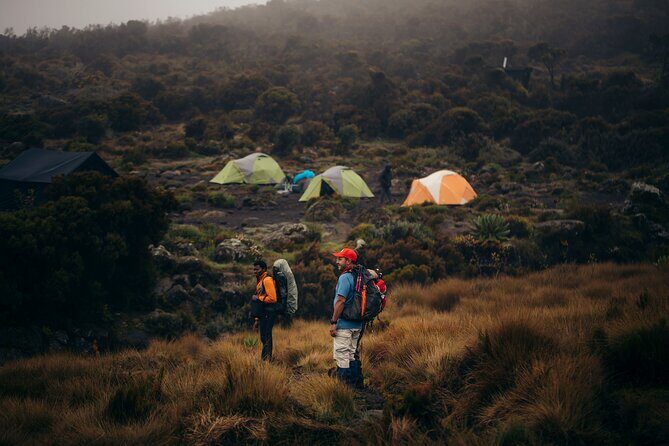
- Day 1 game drive and Nyani Campsite dinner under the stars
- Sunrise game drive on Day 2: when predators are most active
- Seronera Valley stop plus picnic lunch: the Serengeti concentration strategy
- What you truly get for $667: value and the items that are extra
- The guide + 4×4 jeep combo: why it changes your sightings
- Wildlife viewing tips for a 2-day Serengeti rush
- Who should book this 2-day Serengeti safari from Mwanza?
- Should you book this 2-Day Tanzania Safari from Mwanza?
- FAQ
- Where does this safari start and end?
- How long is the 2-day safari?
- What’s included in the price?
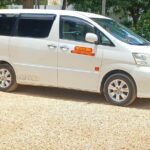
- Is pickup and drop-off included?
- What wildlife can I expect to see?
- Where will I sleep during the safari?
- Is free cancellation available?
Quick highlights
- Licensed safari driver guide + briefing + medical kits to keep things safe and straightforward
- Entrance fees, accommodations, and purified drinking water are included in the price
- Two strong game-drive moments: an afternoon drive and a sunrise drive
- Seronera Valley stop + picnic lunch in the Serengeti
- Group size cap of 100, which helps keep the experience manageable
From Mwanza to Serengeti: the 7–8 hour drive that sets expectations
Day 1 starts with a serious travel block: you leave Mwanza early and drive about 7–8 hours toward Serengeti National Park. The good news is that this isn’t “sit and suffer” the whole way—there are opportunities to spot wildlife along the route, and the changing scenery helps you feel like you’re heading somewhere real.
This is also where you should set your mindset. In a 2-day itinerary, the drive is part of the safari, not just a commute. Pack for the ride: something warm for mornings and evenings, sun protection, and a way to stay comfortable on uneven roads. A 4×4 vehicle handles the park roads well, but outside the park you’ll still feel the bumps.
If you’re the type of traveler who hates early starts, this trip may feel intense. But if you’re willing to trade a bit of downtime for two chances at wildlife—afternoon and sunrise—you’ll be happy you did.
You can also read our reviews of more guided tours in Tanzania

Day 1 game drive and Nyani Campsite dinner under the stars
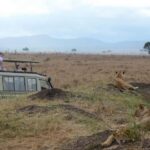
Once you enter Serengeti, you go straight into game driving, with time to explore different parts of the park and its ecosystems. The tour is built around the big-name wildlife: elephants, buffalo, lions, rhinos, and leopards. In practice, seeing the full Big Five in two days depends on animals being in the right place at the right time, but Serengeti is one of the best places on earth to search.
The afternoon approach matters. Predator activity can be calmer later in the day than at sunrise, but it’s still a solid time to find feeding behavior and observe how herds move through open country. You’ll also start building your “map” of the park—how water and grass patterns shape where animals hang out.
Then comes the night: you check into a comfortable lodge or camp area within the Serengeti region and overnight at Nyani Campsite. The value here is that you’re sleeping inside the safari bubble. That means you’re not rushing back to Mwanza the same day, and your next morning starts with wildlife timing, not traffic timing.
Dinner is served in the evening under the sky, and that’s exactly what you want after a long day: food, rest, and a chance to watch the night settle. If you like a safari that feels like safari—not like a checklist—this pacing helps.
Sunrise game drive on Day 2: when predators are most active
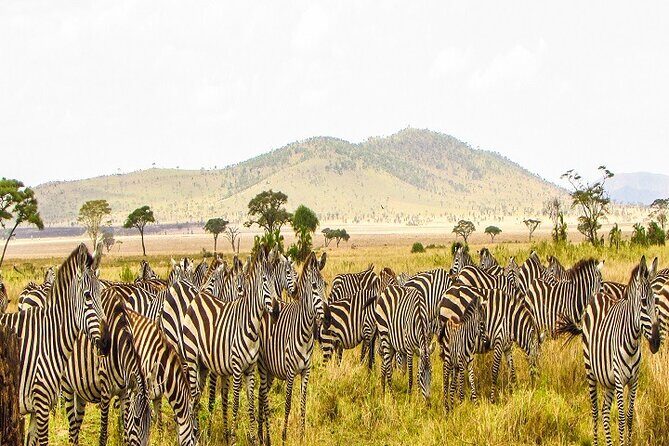
Day 2 begins early with a sunrise game drive, often the best time to catch predator movement and fresh hunting behavior. The reason sunrise is so loved by safari regulars is simple: animals are up and moving, visibility is good, and heat hasn’t pushed everyone into hiding yet.
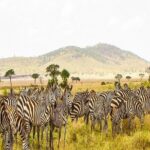
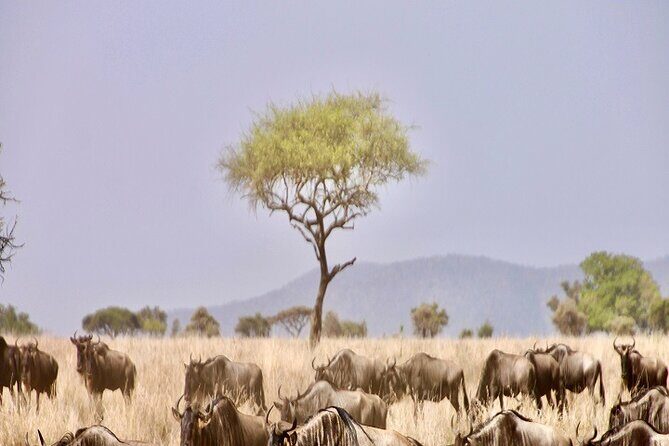
After that drive, you’ll have breakfast and then continue exploring the plains. This is where Serengeti becomes a study in motion—herds of wildebeest and zebras are the headline, and you’ll also look for other wildlife that’s feeding, resting, or reacting to predators.
The tour highlights the Great Migration, when wildebeest, zebra, and gazelle follow rains. In a short safari like this, you’re not promised a single perfect moment, but you are in the right region to recognize migration signs—grouping patterns, heavy grazing areas, and the general rhythm of mass movement. If you’re traveling during a peak period, your chances improve; if not, you can still enjoy plenty of animal interactions. Serengeti still works.
Then you take a break with a picnic lunch. Getting out of the vehicle for food matters on a two-day trip. It gives your body a reset and makes the middle of the day feel like a real pause instead of another drive segment.
Seronera Valley stop plus picnic lunch: the Serengeti concentration strategy
After lunch, the itinerary includes a visit to Seronera Valley, known for having a high concentration of wildlife. That detail is important for you if you’re short on time. When you only have two days, you want fewer “maybe” stretches and more places that reliably produce sightings.
Seronera Valley is also a good setting for observation. The valley-style terrain can make it easier to track where animals are moving and why—they’re often responding to grazing pressure, water access, and predator presence. Even if you don’t get a big dramatic moment every hour, you’ll usually get plenty of smaller stories: animals watching each other, herds adjusting direction, and predators using cover and patience.
The picnic lunch itself is one of those small inclusions that changes the feel of the trip. It’s not just eating—it’s time to breathe. It also helps you stay alert, which is vital because safari wildlife can appear quickly and then disappear just as fast.
When the game drive time wraps up, you head back toward Mwanza in the evening, closing a full loop: big driving day, then two wildlife-focused mornings/afternoons.
What you truly get for $667: value and the items that are extra
Let’s talk money plainly. At $667 per person for a roughly 2-day / 12-hour-plus experience, you’re paying for more than “a jeep and a driver.” The package includes:
- a professional, experienced tour guide and licensed safari driver guide
- Tanzania National Park entrance fees
- accommodations during the safari
- a briefing
- clean and purified drinking water
- large portions of fresh healthy food
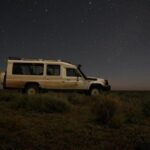
- a 4×4 safari land cruiser jeep
- medical kits
That list is where the value lives. Entrance fees can be significant, and many cheaper tours quietly shift those costs onto you. Here, you’re told up front. The purified water and food also matter more than people expect—hydration and steady energy are survival tools on long drives and early mornings.
What’s not included:
- pickup and drop-off (even though pickup is mentioned as offered—so confirm details)
- tipping the guide
- travel insurance & medical insurance
- flights
So is $667 “cheap”? No. Is it fair for Serengeti, with entrance fees, lodging, and a 4×4 vehicle provided for multiple game-drive windows? It’s in the reasonable zone for what you actually receive.
If you already have flights locked and your lodge/hotel in Mwanza is easy to reach, you can keep costs predictable. If pickup is needed and unclear, ask early so you don’t get surprised at the start.
A few more Tanzania tours and experiences worth a look

The guide + 4×4 jeep combo: why it changes your sightings
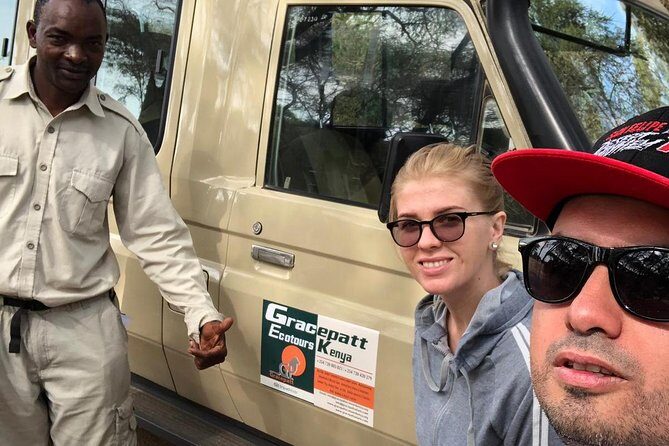
A safari lives or dies by how the experience is run, not just where you go. This tour leans on a professional, experienced tour guide and a licensed safari driver guide. That matters because animals don’t show up on schedule. Someone has to read the terrain, understand animal behavior, and move you efficiently within the park rules.
You also get a briefing. On safari, that’s practical: it helps you know what to watch for, how to interpret distance and movement, and how to stay comfortable in the vehicle.
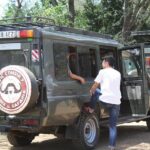
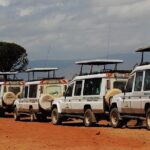
The 4×4 land cruiser jeep is another quality point. You’ll be on rough park roads, and having a vehicle built for it makes the ride safer and more comfortable than a standard car.
Finally, medical kits are included. That’s not glamorous, but it’s reassuring on a remote trip where small issues can become big if there’s no basic first-aid support.
One more detail I value from their wider customer experience style: their guides have a habit of staying close and explaining what’s happening around you—animals, conditions, and what you’re seeing in simple terms. When you understand the “why,” the sightings feel better, even when they’re brief.
Wildlife viewing tips for a 2-day Serengeti rush
Because your time is tight, your job is to make your viewing count. Here’s what helps in this exact format:
- Sleep like it’s part of the tour. You’ll start early on Day 2, so don’t burn your energy late.
- Dress in layers. Sunrise can feel cool, and midday sun can get intense fast.
- Bring something for binoculars if you have them (many safari moments are about tracking). If you don’t, focus on spotting—your guide can help with direction.
- Stay flexible about priorities. One great leopard sighting can beat a dozen distant herbivores, even if the “Big Five checklist” isn’t complete.
- During the picnic and breaks, eat steadily. Big portions of healthy food are included, and using that energy helps you stay present in the afternoon drive.
- For tipping: tipping the guide is not included, so plan for it. A small amount goes a long way in many safari cultures.
And keep expectations honest. Two days can be incredible, but Serengeti is huge and wildlife is unpredictable. The tour is designed to maximize your chances with smart timing: afternoon exploration, then sunrise energy, then a concentration area at Seronera Valley.
Who should book this 2-day Serengeti safari from Mwanza?
This is a good fit if you:
- want a short safari that still feels like you’re doing the real Serengeti work
- are based near Mwanza and don’t want to spend days transferring
- are comfortable with a schedule that runs early and uses the best daily wildlife windows
- like a guided format where someone explains what you’re seeing
It may not be the best fit if you:
- need a slower pace with more buffer time
- get stressed by long driving days
- expect a guaranteed “full Big Five in order” outcome (no safari can promise that in a compact timeline)
If you’re a first-timer, this trip is a strong starter course. If you’re a repeat safari person and want deeper patience time, you might consider stretching beyond two days later.
Should you book this 2-Day Tanzania Safari from Mwanza?
If you want to sample Serengeti without making it a long vacation, I think this package makes sense. The price holds together well because entrance fees, lodging, food, purified water, and a 4×4 vehicle are included. The itinerary also aims at the two wildlife windows that matter most in a short trip: an afternoon game drive and a sunrise predator-focused drive, plus a Seronera Valley stop built for higher sighting odds.
Before you book, do one homework step: confirm whether pickup/drop-off is actually provided for your specific Mwanza location. If it is, great—your logistics are simple. If not, you’ll want to arrange transport so you don’t start your safari stressed.
FAQ
Where does this safari start and end?
It starts in Mwanza, Tanzania and ends back in Mwanza, Tanzania.
How long is the 2-day safari?
The duration is approximately 2 days and 12 hours and 20 minutes.
What’s included in the price?
It includes a professional guide and licensed safari driver guide, Tanzania National Park entrance fees, accommodation during the safari, briefing, clean and purified drinking water, large portions of fresh healthy food, a 4×4 safari land cruiser jeep, and medical kits.
Is pickup and drop-off included?
Pickup and drop-off are listed as not included. Pickup is mentioned as offered, so you should confirm the exact arrangement when booking.
What wildlife can I expect to see?
The safari is designed around the chance to see Africa’s Big Five: elephants, buffalo, lions, rhinos, and leopards. It also highlights the Great Migration and the movement of wildebeest, zebra, and gazelle in the Serengeti.
Where will I sleep during the safari?
You’ll overnight at Nyani Campsite.
Is free cancellation available?
Yes. You can cancel up to 24 hours in advance of the experience for a full refund. If you cancel less than 24 hours before the start time, the amount paid is not refunded.