REVIEW · ARUSHA
Arusha: Traditional Coffee Preparation(coffee tour)
Book on GetYourGuide →Operated by Naturalland expeditions · Bookable on GetYourGuide
Coffee here starts in the dirt. This Arusha tour is one of the more practical ways to learn coffee: you visit a smallholder arabica farm, then you work through a full bean-to-cup process using manual, traditional tools. I especially love the hands-on pounding and roasting, and I also like that you finish by brewing your own organic single-origin cup. The one drawback is simple: it’s genuinely hands-on and manual, so the work can feel a bit physical.
You’ll be based around Naturalland expeditions and guided in English, with a local guide meeting you at the main road in a gray or chocolate company t-shirt. The overall pace is short and focused at about three hours, so it’s a great add-on to other Arusha plans without eating your whole day.
In This Review
- Key things you’ll notice right away
- Bean-to-Cup Coffee in Arusha: Why This Tour Works
- Getting Started at Naturalland Expeditions (and Not Wasting Time)
- The Smallholder Coffee Farm Walk: Seeing Arabica Up Close
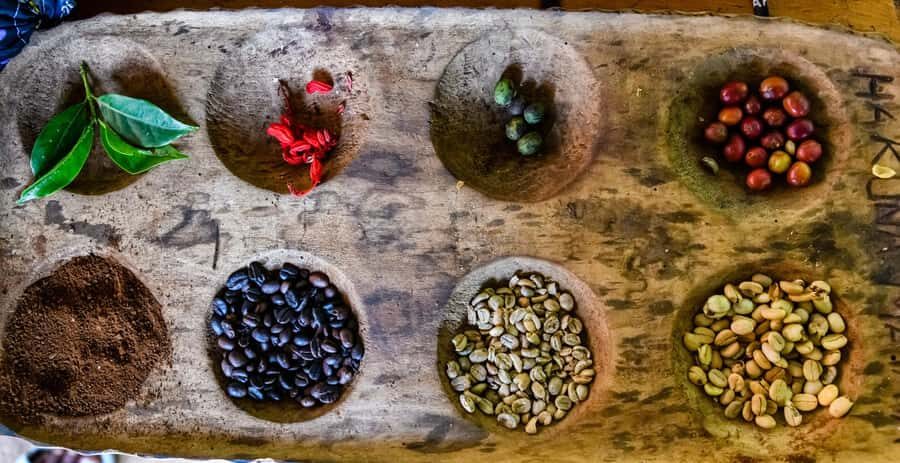
- Turning Dried Beans Into Usable Coffee: Husk, Grind, and Go Manual
- Clay-Pot Roasting Over Charcoal: The Part That Changes the Smell
- Grinding Into Fine Powder and Brewing Your Own Cup
- Organic Single-Origin Coffee: What You’re Supposed to Taste
- Coffee-Tour Value: Is $30 Fair for 3 Hours?
- Pacing and Expectations for a 3-Hour Lesson
- Who This Tour Suits Best (and Who Should Think Twice)
- Tips to Get More From Your Bean-to-Cup Session
- Should You Book This Traditional Coffee Preparation Tour?
- FAQ
- How long is the coffee tour?
- How much does the Arusha traditional coffee preparation cost?
- Where do I meet the guide?
- Is the tour in English?
- What parts of the coffee process will I learn?
- Do I roast and brew the coffee myself?
- What coffee will I taste?
- What is included in the price?
- Can I cancel for a full refund?
- Is reserve and pay later available?
Key things you’ll notice right away
- A real smallholder farm visit to see how arabica coffee is grown locally
- Manual bean processing with a wooden mortar and pestle for husking
- Clay-pot roasting over charcoal for a more rustic flavor profile
- You do the brewing after grinding the beans into a fine powder
- Organic single-origin coffee tasting tied directly to what you make
- Good organization and care with friendly, motivated guides like Johnson and Derik
Bean-to-Cup Coffee in Arusha: Why This Tour Works
I like coffee tours that actually make you part of the process, not just watch it. Here, you’re learning the workflow from dried bean to finished cup, step by step, in a way that sticks.
You also get the key context that makes coffee more than a morning habit. You start on the farm side, where arabica is grown, then you shift into the garden where roasting, grinding, and brewing happen by hand.
A few more Arusha tours and experiences worth a look
Getting Started at Naturalland Expeditions (and Not Wasting Time)
Your meeting point is Naturalland expeditions. Your guide waits on the main road, wearing a company t-shirt in gray or chocolate.
This matters more than people think. When the start is clear, you spend your energy learning the coffee instead of doing the awkward search-and-stress routine.
The Smallholder Coffee Farm Walk: Seeing Arabica Up Close
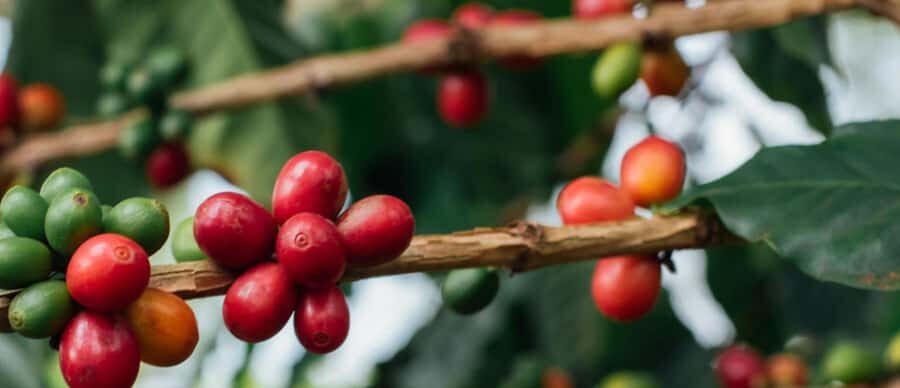
The tour begins with a guided visit to a smallholder coffee farm. You learn about how arabica coffee is cultivated, and you get a sense of why coffee is such an important export commodity for Tanzania.
I like this part because it frames everything that comes next. If you understand how the plant is grown and what arabica is, the roasting and brewing steps don’t feel random. One review also highlighted a family-run farm with three generations living on the property, which adds a human scale you can’t fake with a classroom talk.
What to watch for: you’re walking and spending time outdoors, so plan for sun and uneven ground typical of farm surroundings. If you get easily uncomfortable in the heat, bring water and pace yourself.
Turning Dried Beans Into Usable Coffee: Husk, Grind, and Go Manual
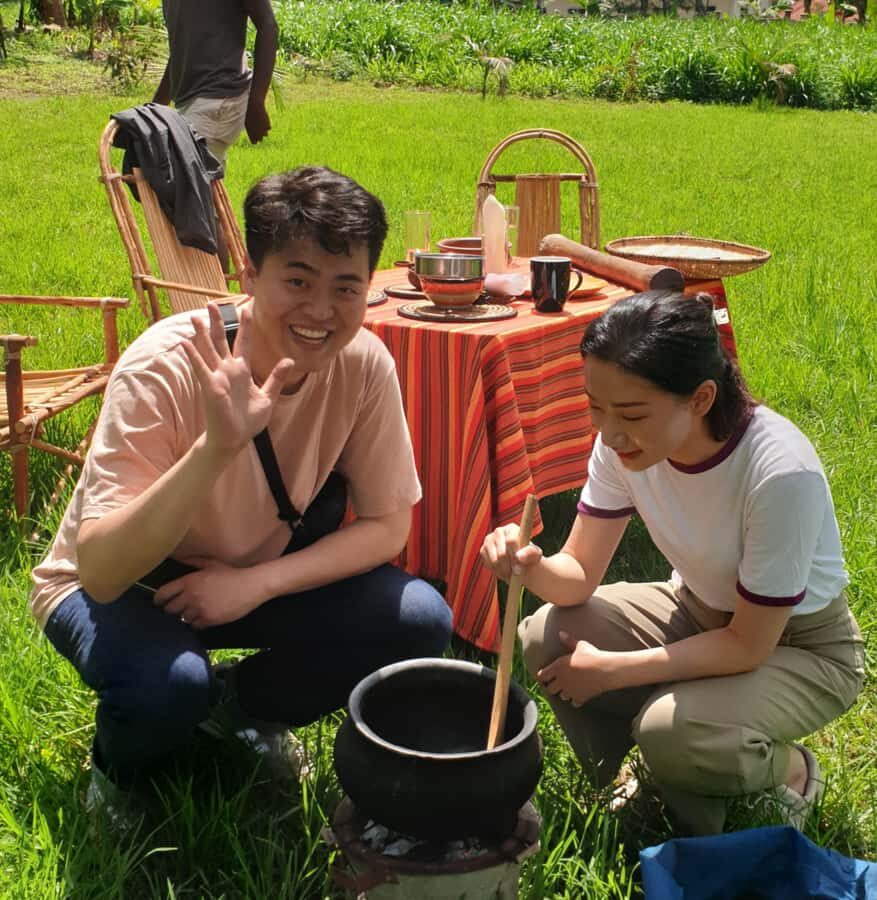
After the farm, you move to a private garden for step-by-step instruction. This is where the tour becomes truly hands-on.
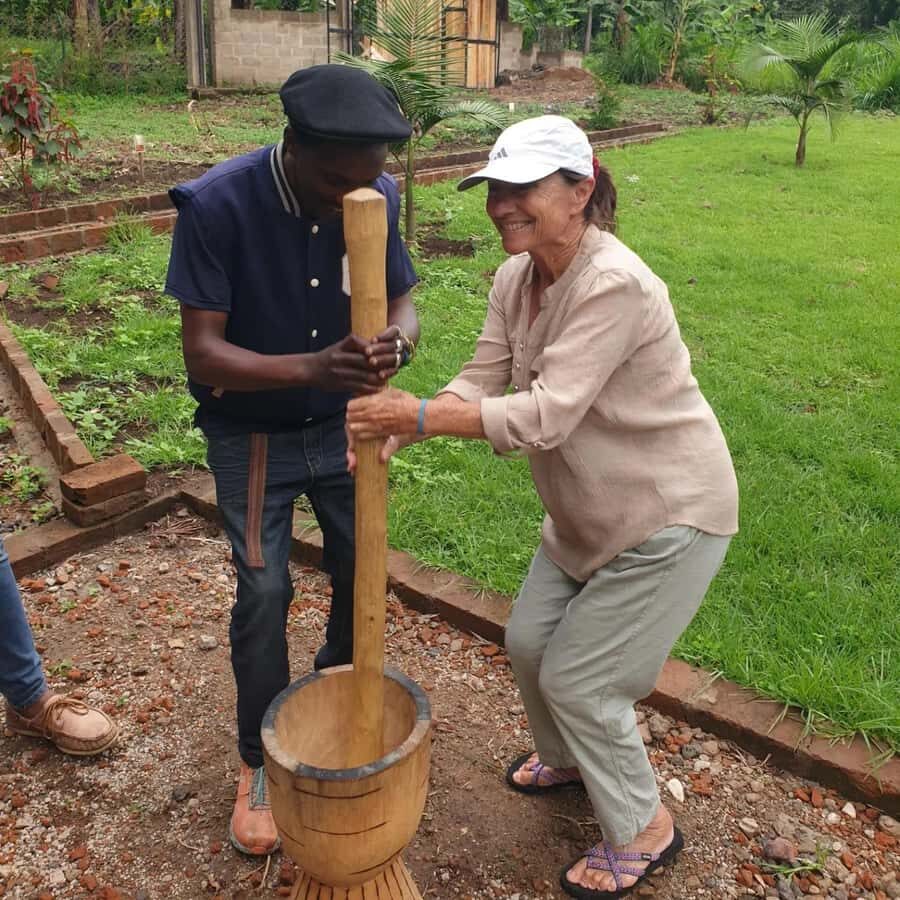
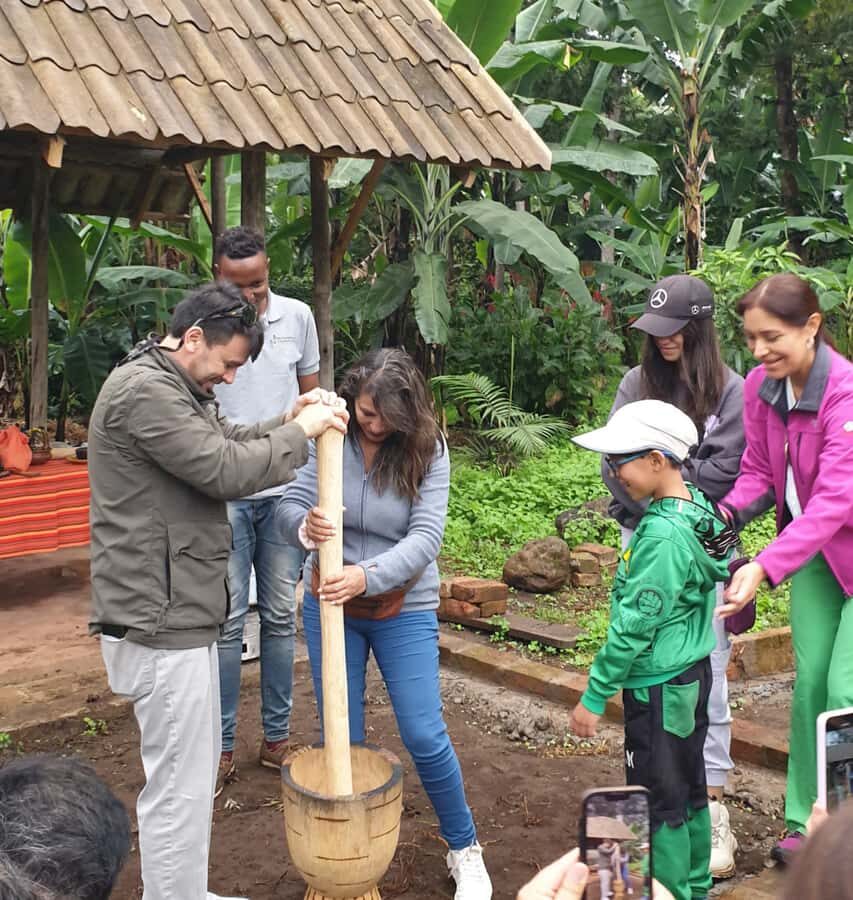
You start by husking the dried beans using a large wooden mortar and pestle. The goal is to remove the outer husk, and you’ll feel the process in your hands. Then you move through roasting, grinding, and brewing with traditional handmade utensils.
I think that manual part is the value. Machines can make coffee fast, but they also make the steps feel invisible. Doing the pounding and grinding yourself helps you notice the smell, texture, and transformation that your cup is built from.
Clay-Pot Roasting Over Charcoal: The Part That Changes the Smell
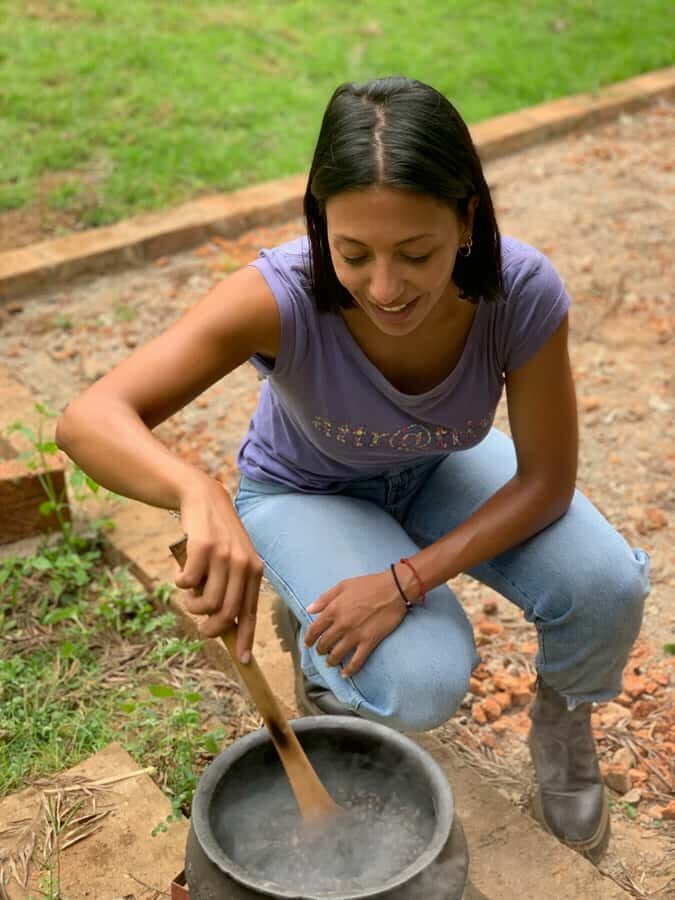
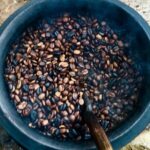
Roasting happens in a clay pot over a charcoal fire. That cooking method is specifically part of the experience and is meant to give the coffee a more rustic flavor.
I like the sensory focus here. Even if you’re not a coffee expert, you can track how the bean scent shifts as the roast proceeds. And because it’s done in the same setting where you’re later grinding and brewing, the aroma you catch during roasting becomes a reference point for your final cup.
Practical note: roasting means heat and smoke in small doses. If you’re sensitive to smoke odors, you might want to stand where the guide directs you rather than choosing your own spot.



Grinding Into Fine Powder and Brewing Your Own Cup
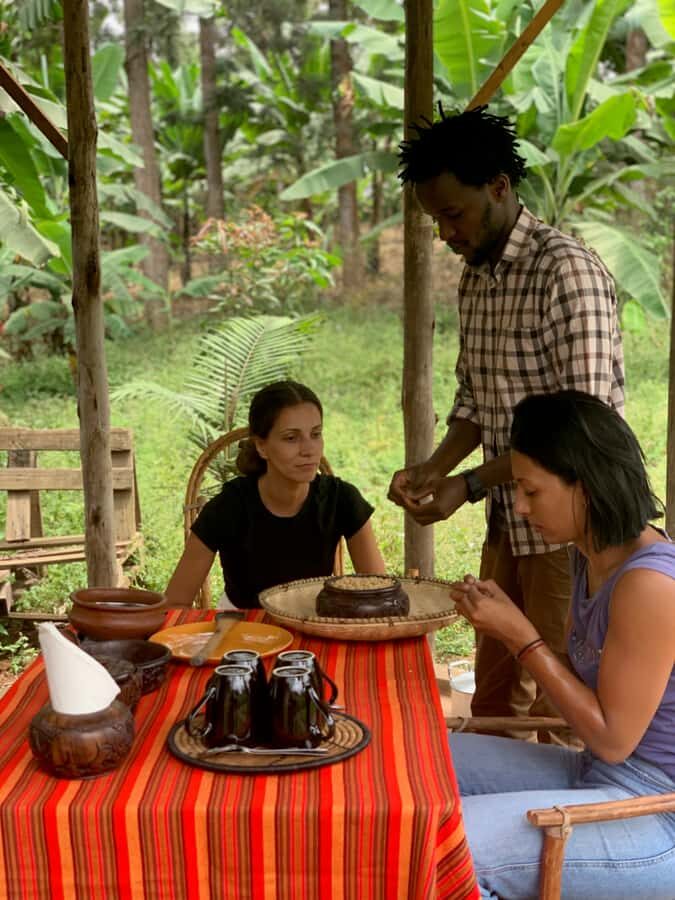
Once the beans are roasted, you pound them into a fine powder. That grinding step matters because it sets up how the brew extracts flavor.
After grinding, you brew and enjoy your cup of organic, single-origin coffee. This is where the lesson clicks into place. You don’t just hear about brewing; you do it, so the taste becomes the feedback.
In at least one visit, sweet snacks like coconut rolls were part of the broader tasting experience. The tour’s core includes drinks, coffee farm visit, and the guide fee, so expect coffee-focused hospitality rather than a huge meal.
Organic Single-Origin Coffee: What You’re Supposed to Taste
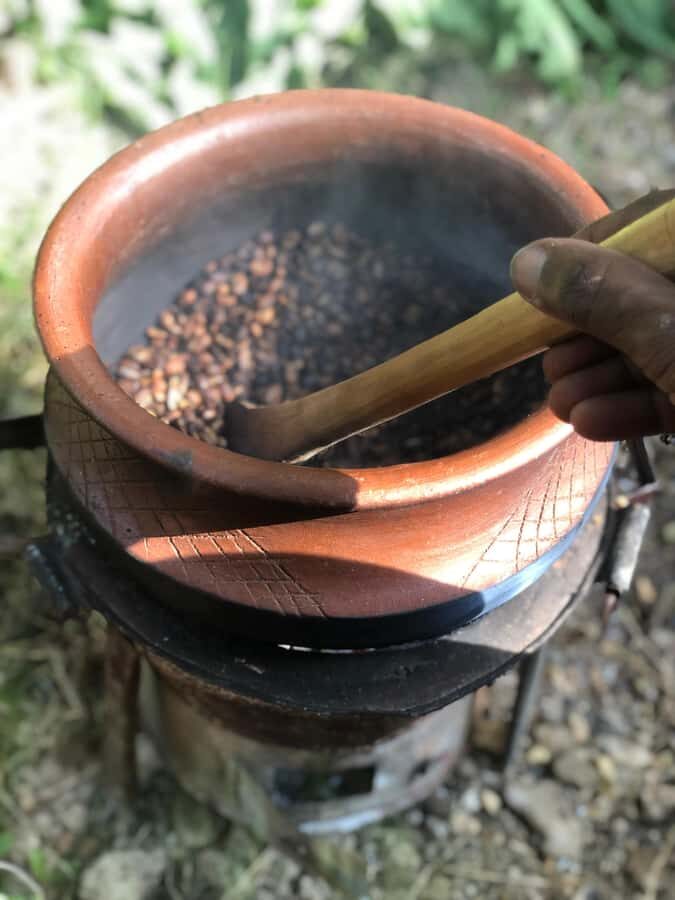
The coffee you prepare and drink is described as organic and single-origin. That pairing is important because it keeps the lesson grounded: you’re not comparing five different coffees with different origins. You’re working toward one specific cup, tied to what you did earlier.
As you drink, pay attention to what stands out to you: aroma, body, and how the flavor develops. Since you roasted and brewed the coffee yourself, you’ll likely feel more confident about what you liked and why.
And because the experience is short—about three hours—you don’t get worn out. You get one concentrated lesson that ends with a cup you helped create.
Coffee-Tour Value: Is $30 Fair for 3 Hours?
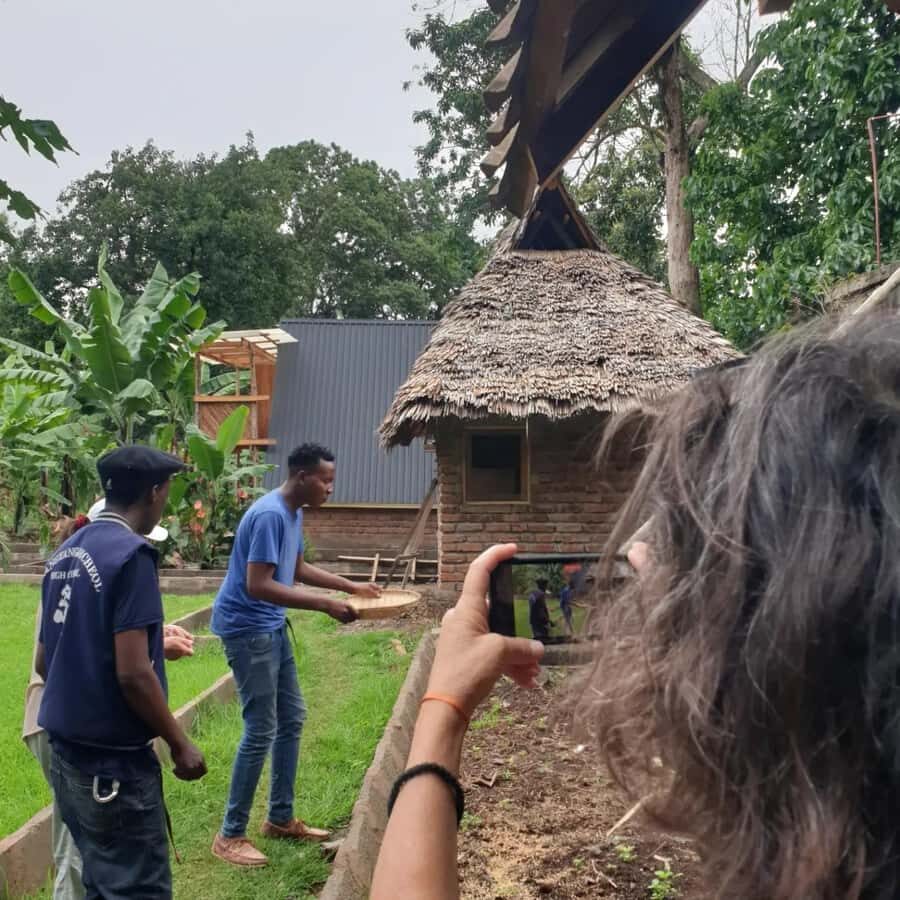
At $30 per person for about three hours, the best question is what you actually get to do. You’re paying for more than tasting. You get:
- a farm visit focused on arabica cultivation
- hands-on steps for husking, roasting, grinding, and brewing
- coffee you brew and drink afterward
- an English-speaking live guide
That’s a solid value structure because labor and instruction are part of the price, not just the coffee. The manual preparation using traditional tools also means you’re not being rushed through a scripted demo. You’re guided through actions, and that takes time and attention.
If you enjoy active learning—hands-on food experiences, local farming context, and smaller-group settings—you’ll feel the value quickly. If you only want a quick taste with zero physical effort, you might find it a bit too hands-on for your style.
Pacing and Expectations for a 3-Hour Lesson
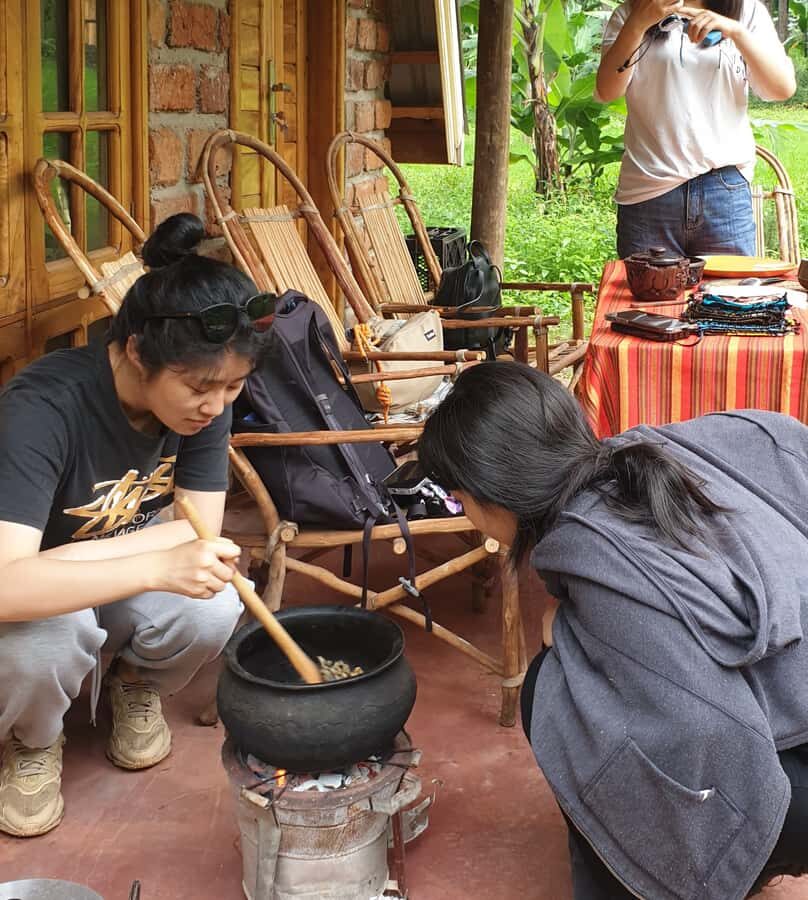
This is a focused, short experience. It’s long enough to see the farm, then work through roasting and brewing. It’s not long enough for a full day of hiking or extended cooking classes.
So think of it as a compact coffee workshop plus a farm introduction. If you’re also doing other Arusha activities, this fits neatly because it won’t steal your entire day.
Who This Tour Suits Best (and Who Should Think Twice)
I’d point this tour at you if you like:
- learning food through doing
- farm-to-table style context
- traditional processes that don’t rely on machines
- tasting coffee that you helped make
It may not be ideal if you don’t enjoy physical tasks like pounding beans or if you’re uncomfortable with outdoor heat. The whole point is manual work, so the experience matches that style.
It’s also a great pick for couples and small groups who want one guide focused on their questions. One review described it as a private-style experience, which usually means more time for your own pace and curiosity.
Tips to Get More From Your Bean-to-Cup Session
A few small choices can make the three hours feel easier:
- Wear closed-toe shoes for outdoor farm walking.
- Plan for sun and bring water since the experience is outdoors.
- Listen closely when the guide shows how to husk and roast, because small timing choices affect aroma.
- During brewing, take your time. Your cup is the payoff, so treat it like the final exam, not a quick sip.
If you’re a coffee nerd, ask questions about how arabica is grown and how roasting changes the result. If you’re new to coffee, ask simpler questions about what to notice in the taste after roasting and grinding.
Should You Book This Traditional Coffee Preparation Tour?
Yes, you should book it if you want an active, authentic coffee lesson that ends with a cup you made from organic single-origin beans. For the money, the value comes from the hands-on steps: husking with a wooden mortar and pestle, roasting in a clay pot over charcoal, then grinding and brewing yourself with guide support.
Skip it only if you know you hate manual, physical tasks or you want a low-effort tasting with minimal involvement. If you fit the hands-on category, this is one of the more memorable ways to understand Tanzanian coffee in Arusha.
FAQ
How long is the coffee tour?
The tour lasts about 3 hours.
How much does the Arusha traditional coffee preparation cost?
It costs $30 per person.
Where do I meet the guide?
You meet at Naturalland expeditions. Your guide waits at the main road wearing a gray or chocolate company t-shirt.
Is the tour in English?
Yes, there is a live English-speaking guide.
What parts of the coffee process will I learn?
You’ll get guided instruction on husking, roasting, grinding, and brewing coffee.
Do I roast and brew the coffee myself?
Yes. The experience includes hands-on preparation steps, and you brew and enjoy the coffee you make.
What coffee will I taste?
You taste organic, single-origin coffee prepared through the traditional process.
What is included in the price?
Included are drinks, a coffee farm visit, and the guide fee.
Can I cancel for a full refund?
Yes. You can cancel up to 24 hours in advance for a full refund.
Is reserve and pay later available?
Yes. You can reserve your spot and pay later, with the option to pay nothing today.