REVIEW · ARUSHA
8 Days Tanzania Wildlife Safari Experience
Book on Viator →Operated by Simba Adventures · Bookable on Viator
Safari days that feel like a movie.
This is a tight, well-paced 8-day Tanzania wildlife safari that mixes open-4×4 game viewing with a practical fly-out from the Serengeti. I especially like the plan that gets you into the big-name parks—Tarangire, Lake Manyara, Ngorongoro Crater, and Serengeti—without wasting days on backtracking, and the Serengeti flight back to Arusha that keeps the trip from dragging. One thing to keep in mind: you’re on the move most days, and the driving plus an early flight can feel like a lot if you’re chasing a super-slow vacation.
On the ground, the routing makes sense for wildlife time. Tarangire gives you elephants and baobabs, Lake Manyara adds birds and primates, Ngorongoro Crater gives you a condensed, high-action wildlife day, and Serengeti is built around the migration reality—where the animals are depends on the rainy season and the year’s timing.
I also appreciate that it’s private, with pickup offered and meals handled for most of the trip. Still, the safari isn’t “everything is free”: beverages aren’t included, so plan for water and drinks, especially in the heat.
In This Review
- Key highlights to know before you go
- Why This Safari Plan Feels Efficient (and Not Just Busy)
- Day 1 in Arusha: Get Grounded Before You Hit the Parks
- Tarangire: Baobabs, Elephants, and That Open-Roof View
- Your first Tarangire day: a strong introduction
- A full Tarangire day: deeper searching and more chances
- Lake Manyara: Birds First, Then the Primates and Hippo-Like Chaos
- Ngorongoro Crater: One Day That Packs a Lot Into a Small Space
- Serengeti: Two Days Plus a Fly-Out That Keeps Momentum
- Day 6: first Serengeti game drive in the south
- Day 7: migration-dependent planning (and why your guide matters)
- Day 8: The Quick Exit That Saves You from One More Long Drive
- Price and Value: What $5,589.75 Gets You (and What It Doesn’t)
- Timing, Comfort, and the Reality of Safari Days
- Who This Tour Fits Best
- The Human Factor: Guides Who Keep the Day on Track
- Should You Book This 8-Day Northern Tanzania Safari?
- FAQ
- How long is the 8 Days Tanzania Wildlife Safari Experience?
- Where does the safari start and end?
- Which national parks are included in the safari?
- Do you get pickup, and is it private?
- What time does the tour start?
- Is the tour drive-in and fly-out?
- Are park admission fees included?
- Are meals included, and are drinks included?
- How much does the tour cost?
- Is free cancellation available?
Key highlights to know before you go
- Open-roof 4×4 safari time for better views as animals drift close to the vehicle
- Fly out from the Serengeti (around 8am) to Arusha, saving you a return drive day
- Ngorongoro Crater full day game drive in a compact, wildlife-dense setting
- Tarangire elephant country with giant baobabs and strong predator odds
- Serengeti game viewing timed to migration patterns guided by where herds are that season
- Meals largely covered (breakfasts plus lunches and dinners), with drinks left for you
Why This Safari Plan Feels Efficient (and Not Just Busy)
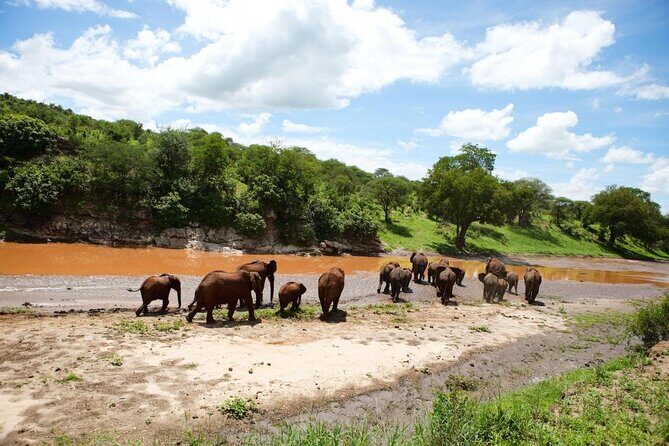
This trip is built around a simple idea: see the best Northern Tanzania parks while keeping transit time reasonable. You start in Arusha, head into Tarangire, swing down to Lake Manyara, go full throttle in Ngorongoro Crater, then finish with multiple Serengeti game drives before flying back to Arusha.
What I like is the “drive in, fly out” style. You get to experience the classic savannah circuit by road, but you don’t end your trip with one more long overland day. On day 8, you’ll be heading to Seronera Airstrip for a flight that normally leaves around 8am from the central Serengeti area, landing in Arusha for an early lunch before connecting onward from Kilimanjaro International Airport.
The other smart part: this is a private tour/activity, meaning only your group travels together. That matters on safaris. You’re not stuck waiting around for strangers, and your guide can focus on finding animals for your group’s schedule.
The trade-off is energy. You’ll be driving and searching for wildlife nearly every day. If you hate early mornings, this may not feel like your kind of trip. If you love big wildlife days and don’t mind being on the move, you’ll likely find it hits the right balance.
A few more Arusha tours and experiences worth a look
Day 1 in Arusha: Get Grounded Before You Hit the Parks
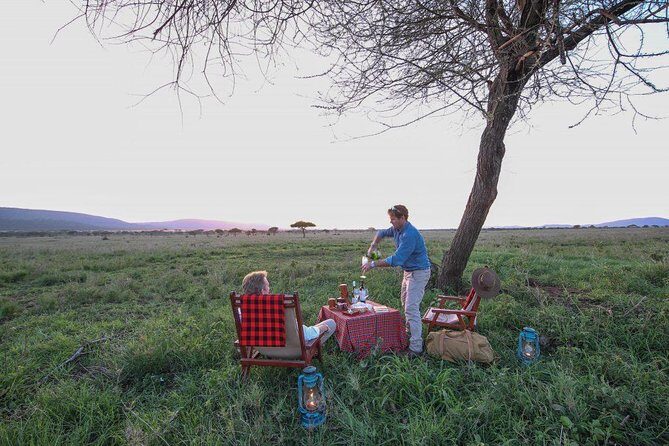
You land at Kilimanjaro International Airport, then you get a meet-and-greet and a transfer to Arusha city for an overnight. It’s a good buffer. It keeps day 1 from turning into a rushed marathon where you’re trying to start the safari before you’re rested.
This setup also helps you get organized for the days that follow. You’ll be meeting your safari team, confirming details, and doing the usual pre-safari sanity checks—camera batteries, sun protection, and the little stuff that becomes annoying if you postpone it.
Tarangire: Baobabs, Elephants, and That Open-Roof View
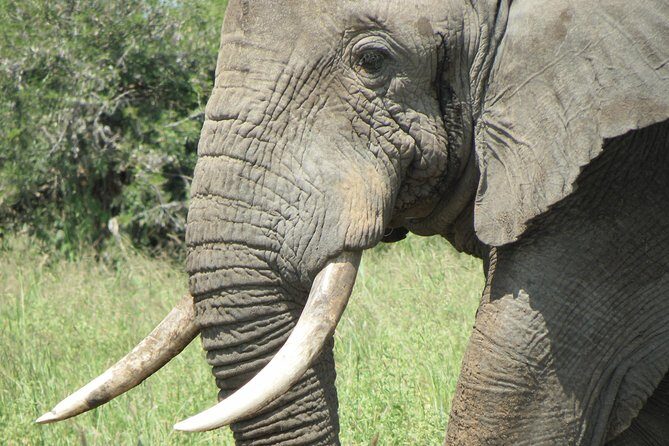
Tarangire is where a lot of people “get it” about Tanzania. The park’s mix of bush savannah, seasonal marshes, and giant baobabs gives you variety, even when you’re staring at one animal family for a long time. And yes—this is a standout place for elephants.
Your first Tarangire day: a strong introduction
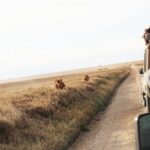
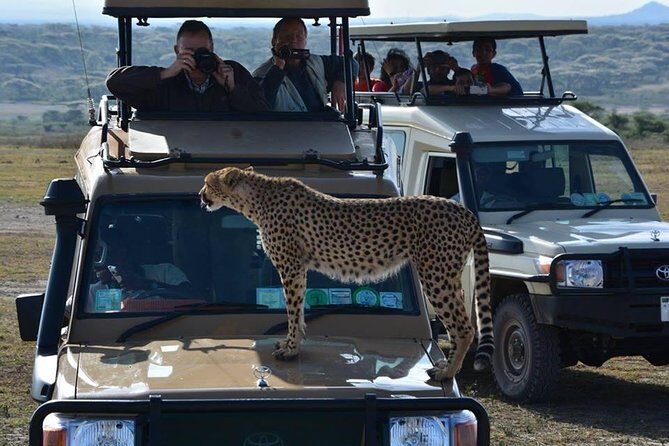
After a safari briefing and about a 2-hour drive, you arrive for a game drive period that lasts into sunset hours. You’ll be in an open-roof safari vehicle, which is one of those simple advantages that makes a noticeable difference. It’s easier to track animals at different heights, and photos tend to come out better when you can move your head and camera angle without fighting a roof edge.
Tarangire is described as a place where elephants are not as bothered by vehicles, and that’s huge for your experience. When elephants stay relaxed, you get more natural behavior—families moving together, calves close by, and animals that don’t instantly vanish behind the next bush.
A full Tarangire day: deeper searching and more chances
The next day is another Tarangire outing, this time a longer game drive block. You stop for lunch at Tarangire Sopa Lodge, then you’re back out for an afternoon drive.
This second day matters because wildlife viewing is never “guaranteed.” The animals don’t read your schedule. A second chance in the same park gives your guide room to reposition based on where herds and predators are active. It also gives you more time to pick up the rhythm of Tarangire—where the river influence shows up, where the elephant traffic tends to gather, and how predator sightings can pop up at different times of day.
One realistic note: the trip information points out that leopards are seen now and then, while cheetahs are rarely spotted. That’s not a complaint; it’s just good expectation-setting. Your best odds for action here come from elephants and the broader food chain—zebra, wildebeest, buffalo, and the predators that follow.
A few more Arusha tours and experiences worth a look


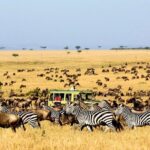
Lake Manyara: Birds First, Then the Primates and Hippo-Like Chaos
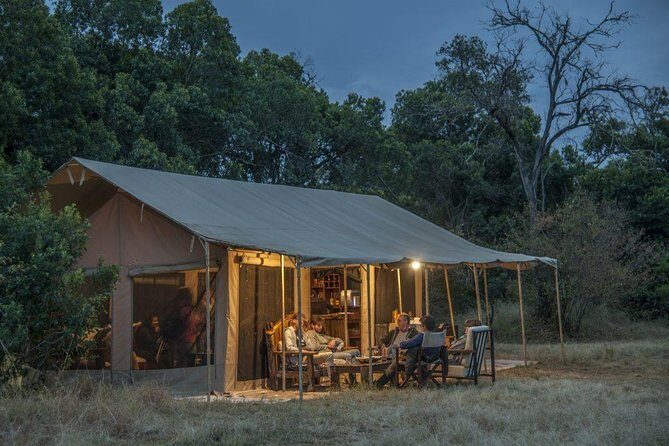
After breakfast you head to Lake Manyara National Park. This is a different flavor of safari. Instead of a pure “dry savannah” feel, you get primates-filled forests, grassy plains, and a large portion of the park covered by the alkaline lake—especially relevant for birdlife.
The big draw: over 400 bird species and seasonal flamingo breeding grounds. If birds are your thing, this is one of those days where you’ll likely look up more than usual. Flamingos and waterfowl gather with the seasons, so the exact mix depends on timing.
You’re also told to expect giraffes, hippos, wildebeests, impalas, and plenty of monkeys and baboons. That means you don’t need to wait all day for the first “wow” moment. Even when the big predators aren’t in sight, you can still get busy wildlife viewing.
A practical consideration: Lake Manyara can feel more “situational” than the biggest open-plains parks. That’s not bad—it just means your sightings can cluster around the areas your guide chooses for the day. Go with it, and trust your guide’s route choices.
Ngorongoro Crater: One Day That Packs a Lot Into a Small Space
Ngorongoro Crater is one of those places where the wildlife density can feel almost unfair—in the best way. You’ll descend into the crater floor for a full day game drive.
The key idea here is concentration. The information you’re working with says the crater is home to over 25,000 mammals and that you can see the “Big Five” (lion, elephant, buffalo, rhino, leopard). Even if you don’t check every animal off your personal list, the odds of multiple sightings in a single day can be strong.
There are also wild cards that add intensity to the day: spotted hyenas, rare wild dogs, and more than 500 bird species. Add the fact that predators and prey can show up in the same view, and Ngorongoro becomes a “watch closely” kind of safari day.
You’ll have an extensive game drive plus a picnic lunch, then you leave the caldera in the late afternoon and return to your lodge for dinner and overnight. That “out by late afternoon” rhythm matters. If you’re the kind of person who needs a wind-down, this is built in.
Serengeti: Two Days Plus a Fly-Out That Keeps Momentum
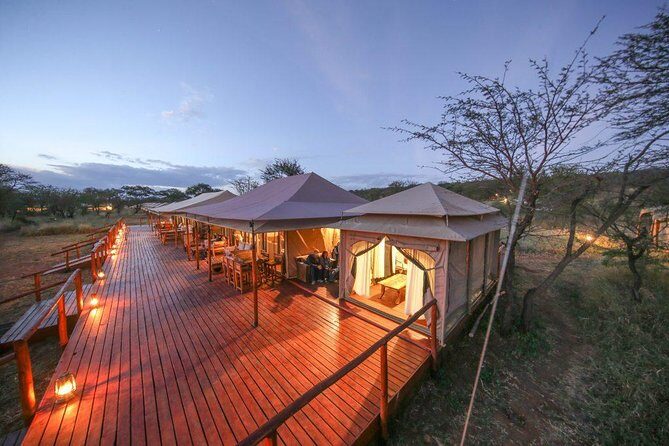
After Tarangire and Ngorongoro, Serengeti is the headline act. On the way in, you travel via cooler highlands toward the southern Serengeti, reaching the plains around midday.
Serengeti works because it has a range of habitats: short grass plains, savannah, thicker bush, swamps, and lakes. That variety helps explain why Serengeti can feel like more than one safari in a single park. You’re not stuck with one scenic template.
Day 6: first Serengeti game drive in the south
You’ll start game viewing around midday as you reach the southern plains. The information highlights kopjes—bizarre rock formations that dot the landscape—and says predators are often seen around them. This matters because kopjes create natural vantage points. Predators can watch prey trails, and prey often has to move through visibility corridors.
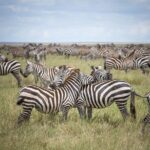
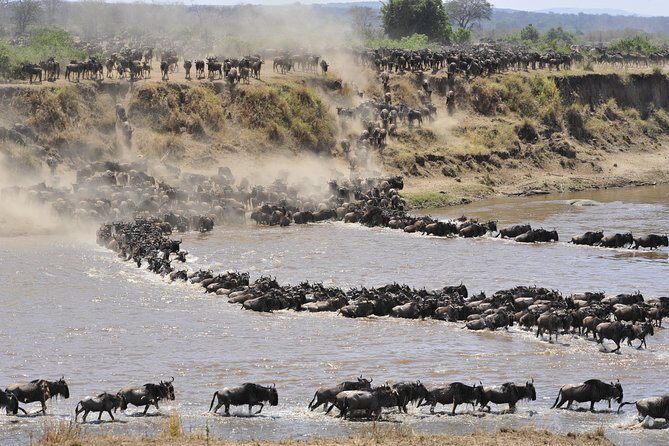
You’ll also get a big picture of migration energy—Serengeti is famous for the yearly movement of wildebeest and zebra, often in massive numbers.
Day 7: migration-dependent planning (and why your guide matters)
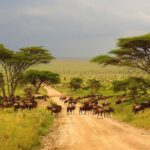
The next day is dedicated to game viewing across Serengeti. This time, where you go depends on where the migrating herds are.
The schedule shifts by rainfall:
- During the shorter rainy season (November and December), herds move from northern hills toward the southern plains.
- During the longer rainy season (April to June), herds return toward the north.
Since migration location depends on rainfall year to year, your guide’s job is basically detective work. You’re not just “going to Serengeti.” You’re going to where the Serengeti story is happening that day.
Predators usually follow the movement: lions, leopards (in acacia trees), and cheetahs. The key word here is usually. You can have a fantastic day without seeing every big cat species, but you can still get lots of action when the food chain is active.
Day 8: The Quick Exit That Saves You from One More Long Drive
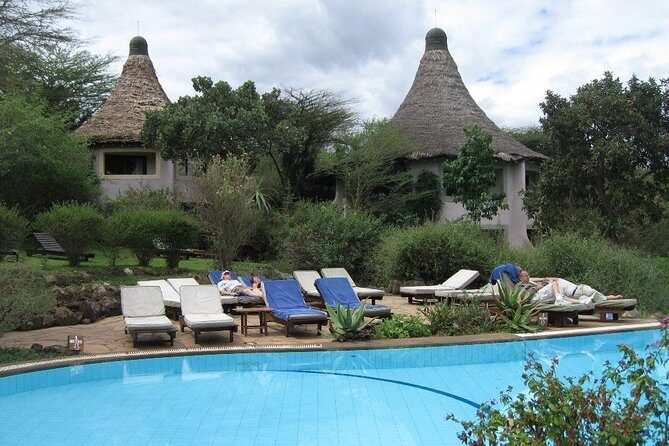
On the outward journey, you head to Seronera Airstrip for your flight, which normally leaves around 8am from the central Serengeti area. You fly to Arusha airport, then you arrive for an early lunch and transfer onward to Kilimanjaro International Airport for your next flight.
This is a practical and smart finish. It reduces overland fatigue, and it gives you a clear end point to the safari. The only catch is timing: you’ll need to be ready for an early morning, and you should keep your packing tight so you can move fast at the airstrip.
Price and Value: What $5,589.75 Gets You (and What It Doesn’t)
At $5,589.75 per person, this is not a budget safari. But it’s also not “just a ticket to see animals.” You’re paying for the full package structure that tends to cost real money in Tanzania: national park time across multiple major areas plus private handling.
From the included items, you get:
- All fees and taxes
- Private transportation
- Meals: breakfast (8), lunch (7), dinner (6)
- Pickup offered
- Mobile ticket
You’re also getting the value of a multi-park circuit without the hassle of piecing together transportation between parks on your own.
What’s not included is simple but important: beverage drinks. Safari days get hot. If you don’t plan on buying water and drinks, you can feel squeezed. Budget for bottled water and any non-included drinks you want, especially during long driving and game drive stretches.
Also, you should consider the “efficiency tax” you’re paying for. Because the route is designed to reduce pointless backtracking and uses a flight to cut the final return, you spend your time on wildlife rather than transit. That’s often worth it if you have limited vacation days.
Timing, Comfort, and the Reality of Safari Days
This kind of safari isn’t a sit-and-stare museum tour. It’s a day-by-day game viewing schedule where your main comfort tools are your patience and the guide’s driving decisions.
You’ll be in a proper safari vehicle across parks, and you’ll get at least some open-roof game drive time (especially highlighted in Tarangire). That’s great for wildlife spotting, but it does mean you should dress for sun and dust. Think breathable layers, a hat, and sunglasses. If you’re the kind of person who hates feeling exposed to the sun, plan your clothing accordingly.
Long days are part of the deal. Some blocks are around 7–12 hours. That’s not unusual for multi-park safaris. Just be honest about your tolerance for long sitting periods. If you’re prone to back discomfort, bring something that helps you stay comfortable.
Who This Tour Fits Best
This tour is a strong match for you if:
- You want a Northern Tanzania highlight circuit in one trip (Tarangire + Manyara + Ngorongoro + Serengeti).
- You love wildlife variety and can handle early mornings.
- You prefer private travel rather than sharing your day with unrelated strangers.
- You’d rather use a flight to save fatigue than spend one more day driving.
It may feel less ideal if:
- You want a totally relaxed pace with lots of downtime.
- You dislike early flights or early starts.
- You’re on a strict budget for drinks and extras.
The Human Factor: Guides Who Keep the Day on Track
One of the most praised aspects in the available feedback is how smoothly the team handles the experience. Names like Sady and Moody show up tied to the warm, friendly side of the safari experience, and Ally Simba is mentioned in connection with a smooth, easy planning feel.
Even the best safari plans can hit small bumps, and what stands out is the professionalism of the guides when something minor comes up. That matters more than people expect. On safari, the best day is often the day your guide can keep you calm, moving, and focused on finding animals.
Should You Book This 8-Day Northern Tanzania Safari?
If your goal is to see real Tanzania wildlife across multiple top parks without turning your trip into a logistics project, I think this one is worth serious consideration. The mix of parks, the open-roof game viewing, and the Serengeti fly-out are the big reasons to choose it. You also get a strong “most of the trip is handled” structure with meals and fees included, which lowers stress.
Before you commit, decide if you’re okay with long travel days and early morning timing. If that sounds fine, then this tour’s design is built for you: action-heavy, guide-driven, and focused on getting you into the places where Tanzania wildlife viewing is most powerful.
FAQ
How long is the 8 Days Tanzania Wildlife Safari Experience?
It lasts about 8 days.
Where does the safari start and end?
It starts in Arusha after you arrive at Kilimanjaro International Airport, and the activity ends back at the meeting point.
Which national parks are included in the safari?
You’ll visit Tarangire National Park, Lake Manyara National Park, Ngorongoro Crater, and Serengeti National Park.
Do you get pickup, and is it private?
Pickup is offered, and it’s a private tour/activity with only your group participating.
What time does the tour start?
The start time is listed as 8:30 am.
Is the tour drive-in and fly-out?
Yes. The plan includes flying out from the Serengeti to Arusha on the last day, with a flight normally leaving around 8am from the central Serengeti area.
Are park admission fees included?
Yes—your tour includes all fees and taxes, and admission tickets are shown as free or included across the park days.
Are meals included, and are drinks included?
Breakfast is included (8), lunches are included (7), and dinners are included (6). Beverage drinks are not included.
How much does the tour cost?
The price is $5,589.75 per person.
Is free cancellation available?
Yes. You can cancel up to 24 hours in advance for a full refund.