REVIEW · MOSHI
8 Day Climbing Kilimanjaro Via Lemosho Route
Book on Viator →Operated by Spirit of Kilimanjaro · Bookable on Viator
A proper Kilimanjaro plan is all about pacing and scenery. This 8-day Lemosho Route tackles the mountain from the west and takes you through different ecological zones, from lush forest up to the icy “arctic” feeling near the summit. Two things I really like: the route’s slow, scenic acclimatization rhythm, and the focus on comfort with Signature Camping plus excellent meals.
You’ll also appreciate the guide team. Names like Yobu Eliamani Mbwambo, Rama, Paulo, and William show up in recent experiences, and the common theme is support that adjusts to real humans at altitude (including families dealing with setbacks). One drawback to consider: Kilimanjaro is still high-altitude trekking, so altitude sickness risk is real, and even strong people might not summit.
In This Review
- Key highlights you should care about
- Why the Lemosho Route on Kilimanjaro feels like the smart pick
- Day 1: from Arusha to Londorossi Gate and into the rainforest
- Day 2: Shira Plateau and the first big Kibo views
- Day 3: crossing the Shira Plateau and reaching Moir Hut
- Day 4: Lava Tower optional climb and the ‘Garden of the Senecios’ into Barranco
- Day 5: Barranco Wall to Karanga Camp and sunset views
- Day 6: Barafu Camp staging for the summit night
- Day 7: the midnight summit to Stella Point, then Uhuru Peak at sunrise
- Day 8: montane forest descent, then back to Moshi for a real shower
- Camping comfort and meals: what you’re really paying for
- Price and value: does $2,670 make sense for this route?
- Who this trip suits best (and who should think twice)
- Should you book this 8-day Lemosho climb?
- FAQ
- How long is the Kilimanjaro climb on the Lemosho route?
- Where does the trek start?
- What time does the experience start?
- What does the trip include for meals?
- Are park admission tickets included?
- What is not included in the price?
- Is pickup offered?
- What camps and major points are on the route?
- When do you start the summit bid?
- What fitness level do you need?
- What is the maximum group size?
- Is free cancellation available?
Key highlights you should care about
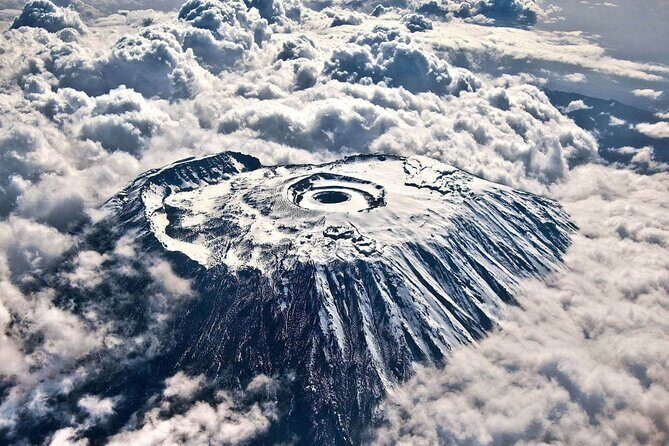
- Lemosho starts in the rainforest (Afromontane area) so you ease into altitude instead of jumping into the cold fast
- Shira Plateau views of Kibo are a major visual payoff early in the trek
- Barranco Wall + Karanga Valley give you classic Kilimanjaro drama with time to acclimatize safely
- Lava Tower and the Garden of the Senecios add variety when the temperatures swing hard
- A midnight summit departure targets sunrise at Stella Point and then a shorter push to Uhuru Peak
- Signature Camping emphasizes roomy tents and “amazing meals” rather than bare-minimum comfort
Why the Lemosho Route on Kilimanjaro feels like the smart pick
The Lemosho Route is popular for a reason: it gives you time. Time for your body to adjust. Time to move through changing terrain. And time to build confidence that you can keep going when the mountain starts feeling rude.
A big part of the value here is that you’re crossing multiple ecological zones during the trek. You start in forested country, move into drier highland vegetation, then into moorland and rocky volcanic areas, and eventually toward the harsh cold near the top. That progression matters. If your body acclimatizes, the hike feels like work. If it doesn’t, it feels like a fight.
Also, I like that this climb is built around a realistic long-arc plan rather than a quick sprint. You’re trekking across high places on several days, but with enough rest and strategic camp choices to support safe acclimatization. That’s not just a nice-to-have. It can be the difference between feeling shaky at altitude and feeling steady.
You can also read our reviews of more tours and experiences in Moshi.
Day 1: from Arusha to Londorossi Gate and into the rainforest
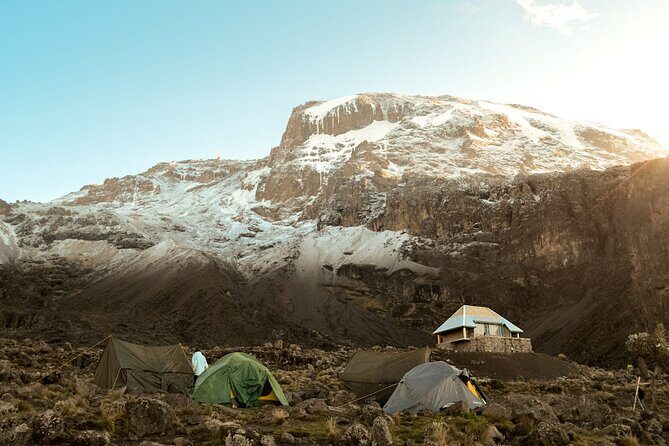
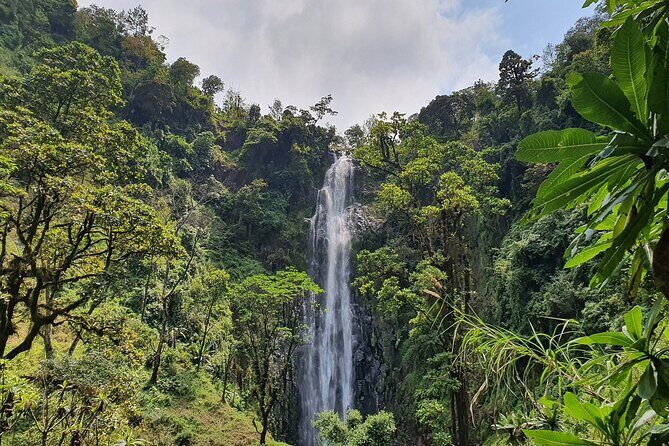
Day 1 is mostly about getting to the trailhead and finding your pace. You leave the Arusha area in vehicles for the long drive to Londorossi Gate, the west-side entry point for the Lemosho Trail. The park elevation climbs you from about 7,742 ft to 9,498 ft over roughly 4 miles, with a hike time around 3–4 hours.
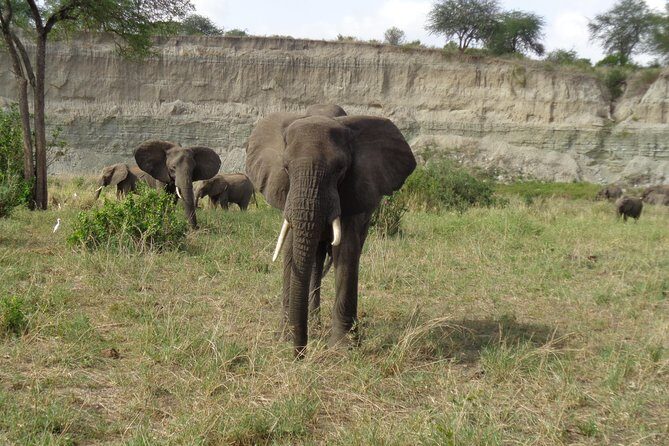
Once you’re on the trail, you’re in the Afromontane Rainforest zone. This is your first acclimatization “win” because it’s cooler than the later trek days, but still not the extreme altitude where everything turns into breathing math. You’ll also have a better chance of spotting wildlife and birds here than in the barren upper areas.
Practical note: rainforest mornings can feel damp and cool. Bring gear you can layer. You’ll likely start slower than you want to, which is exactly the point.
Overnight: Forest Camp.
Day 2: Shira Plateau and the first big Kibo views
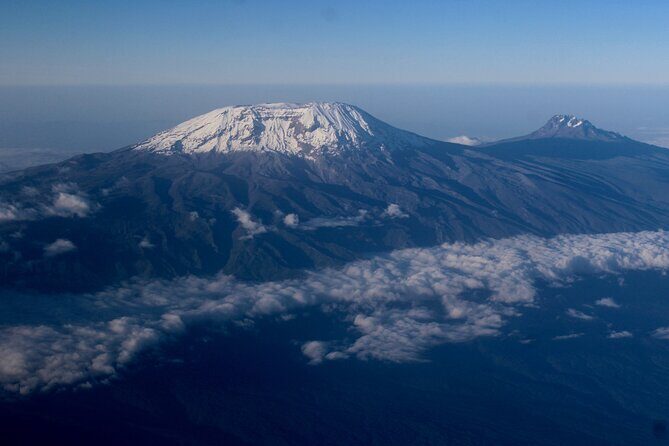
Day 2 brings you higher and changes the whole feel of the hike. You move from about 9,498 ft to 11,500 ft over 5 miles in roughly 5–6 hours. The route threads through podocarpus and juniper forest, then breaks out onto heather and lichen-draped volcanic rock.
This is where the Shira Plateau moment happens. In older mountain history, this plateau is tied to the collapse of what used to be a major peak. For you, it’s more about the experience: wide, open high country and a sense that you’ve really left the warm base behind.
Lunch is taken on the trail, and you arrive at camp mid-afternoon. The highlight people remember is the view of Kibo (Kilimanjaro’s summit mass). Even if you’re not at the top yet, your brain gets hooked once you can clearly see what you’re aiming for.
Overnight: Shira 1 Camp.
Day 3: crossing the Shira Plateau and reaching Moir Hut
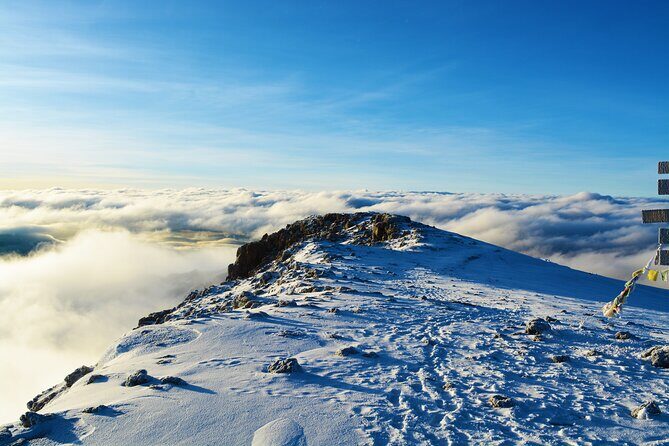
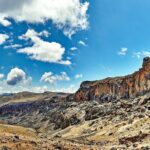
Day 3 is a scenic connector day. You trek from around 11,500 ft to 13,800 ft for about 7 miles over 5–7 hours. Crossing the Shira Plateau is described as one of the most scenic parts of the whole trip, and the reason is simple: it’s high and open, with moorland meadows and lots of visual variety.
After lunch, you ascend to Moir Camp. A late-afternoon hike may be possible in the Lent Hills area, and that’s an acclimatization tool. It lets you get gentle movement at altitude without the commitment of a big extra push.
This is also where you should start thinking like a climber, not a hiker. Hydrate early. Eat even when you don’t feel hungry. And don’t chase speed. You’re building a body rhythm that your summit night will rely on.
Overnight: Moir Hut.
Day 4: Lava Tower optional climb and the ‘Garden of the Senecios’ into Barranco
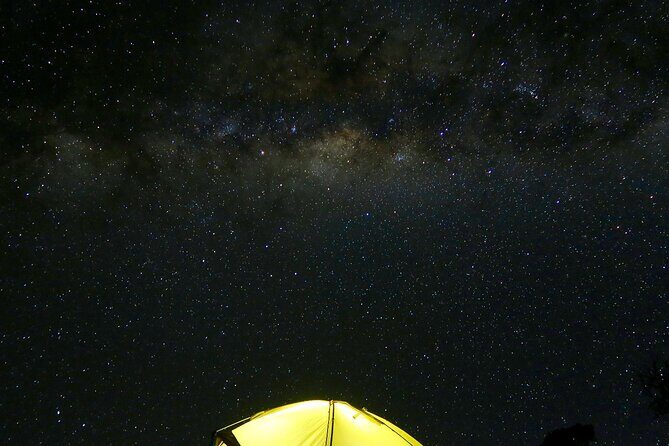
Day 4 is a classic Kilimanjaro day: volcanic terrain, optional effort, and a descent into a beautiful valley. You start around 13,800 ft, climb toward about 15,223 ft (Lava Tower), then descend down to roughly 13,044 ft. Total hiking is about 7 km with 4–6 hours on the clock.
The environment here is harsher. Flora and fauna have a tougher time surviving because of extreme temperature swings. Lunch is typically near Lava Tower, a striking volcanic rock formation. If you feel strong, there’s an optional ascent of roughly 300 feet. It’s not required, but it can be a confidence booster if you’re moving well.
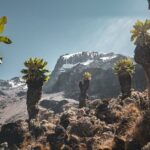
Then comes the descent through the Garden of the Senecios, where you’ll see giant groundsel and giant lobelias. After that, you reach Barranco Camp. Barranco Valley tends to be one of the prettier stretches of the trail because it’s a break from endless cold rock and gives you a more dramatic “valley” look.
If you’re prone to cold feet or wind chill, Day 4 is also a good reminder to pack and layer for sudden temperature changes.
Overnight: Barranco Camp.
Day 5: Barranco Wall to Karanga Camp and sunset views
Day 5 begins with a short but serious technical moment: Barranco Wall. You’re moving from about 13,044 ft to 13,123 ft over roughly 3 miles in 4–5 hours.
The Wall is intimidating in the way many mountains are: it looks steeper than it is, but it still demands real effort. You’ll likely use all four limbs at points as you traverse to the top of Karanga Valley. This is one of those moments where good guide leadership matters because they help you keep your balance when your legs want to slow down.
After the Wall, you follow a path with many inclines and declines into Karanga Camp. You arrive late afternoon. The practical reason for selecting Karanga here is that significant time at altitude supports acclimatization.
And the payoff is the view. Sunsets at Karanga can be spectacular, with views toward the southern glacial valleys and ice fields towering over about 3,000 feet above you. It’s one of the times when you’ll feel the mountain’s scale.
Overnight: Karanga Camp.
Day 6: Barafu Camp staging for the summit night
Day 6 is where the trip shifts gears. You go from about 15,288 ft to 19,341 ft and then down to around 12,467 ft. The day includes roughly 3 miles ascent and about 7 miles descent, and it’s described as 7–8 hours for ascent and 4–6 hours descent. In other words: you’re moving a lot, and your body needs to be ready for it.
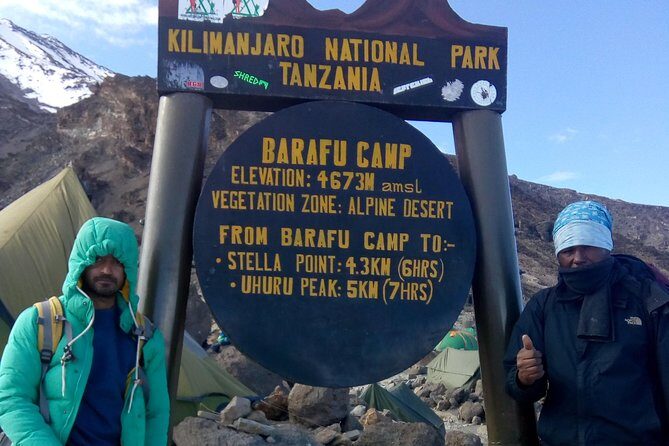
Today is another half day ascent to Barafu Camp, a staging point for the summit attempt. Lunch is normally taken in high camp so you can relax afterward and save energy. Winds can be strong here, and the alpine desert feel can be stark. But evenings bring useful motivation: views of Mawenzi peak are often the norm.
Dinner is taken relatively early so you can rest before the summit push.
Overnight: Barafu Camp.
Day 7: the midnight summit to Stella Point, then Uhuru Peak at sunrise
If you want one day that defines Kilimanjaro, it’s Day 7.
You depart just before midnight for the final summit bid. This is described as the coldest and windiest part. You’ll need patience. The summit doesn’t reward speed; it rewards persistence and steady breathing.
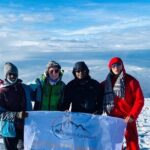
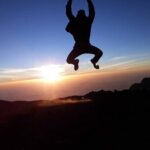
Most likely by dawn, you reach the rim near Stella Point at about 18,652 ft. The reward is a sunrise you’re unlikely to forget, appearing over Mawenzi Peak. From Stella Point, the final section up to Uhuru Peak is comparatively shorter. Once you reach Uhuru, you’re at the Roof of Africa.
After the summit celebration, you begin the energetic but slow descent. Going down safely is a skill. Go slowly, keep your footing sure, and stay aware that your legs can feel fine while your balance gets sloppy.
Day 8: montane forest descent, then back to Moshi for a real shower
Day 8 is the emotional release day. After breakfast you descend through montane forest. Around midday, after saying farewell to your crew, you’re picked up and transferred back to your hotel in Moshi for a well-deserved shower and a celebratory dinner.
There’s something underrated about this ending: it turns the trek into a complete experience instead of leaving you stranded in the park area. You get recovery, warmth, and food you don’t have to eat from a mug at altitude.
Camping comfort and meals: what you’re really paying for
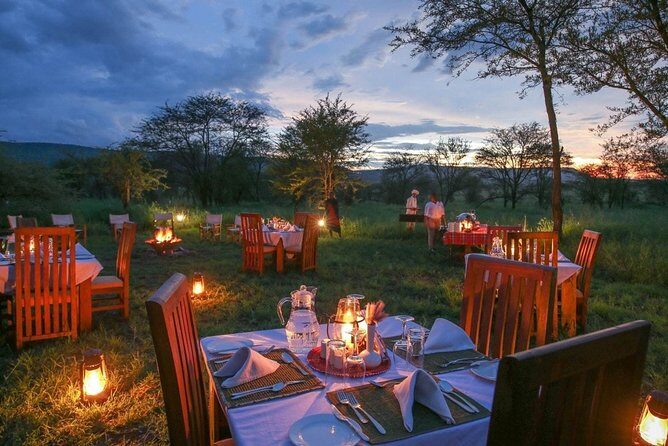
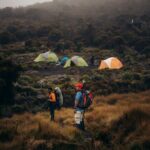
This climb includes breakfasts, lunches, and dinners throughout the trip, plus the promise of Signature Camping. The details you’ll care about are practical: spacious tents, deluxe comfort, and amazing meals.
On Kilimanjaro, comfort affects performance. If you sleep poorly in wind and cold, your summit night can feel like bargaining with gravity. If meals are decent, you actually fuel the next day instead of eating “just to be polite.” The “Signature Camping” style is often what separates a truly tolerable trek from one that feels like punishment between hard segments.
I also like the structure of camp timing: you reach camp mid-afternoon on several days, giving you time to settle before dinner. That matters when altitude makes your body feel slow.
Price and value: does $2,670 make sense for this route?
At $2,670 per person, this is not a bargain-basement trek. But you’re paying for a full 8-day guided climb with camping and three meals a day included. You’re also getting pickup offered, plus the plan clearly includes park admission (admission ticket free) during the trekking days as listed.
So where does the value land?
- You get a longer, scenic route (Lemosho) that’s built for acclimatization rather than speed
- You get sustained support from an expert guide team, with real named guide examples like Yobu Eliamani Mbwambo, Rama, Paulo, and William
- You get comfort upgrades via Signature Camping and meals that help you keep your energy steady
What’s not included is equally important: visa and international flights are not included. Also, you should budget for the usual “live like a climber” extras (gear purchases or rentals, tips, and personal items). The data you provided is clear on visa and flights being separate, so don’t assume those are covered.
Who this trip suits best (and who should think twice)
This trek calls for moderate physical fitness. That’s good news because it means it’s not only for elite athletes. Still, Kilimanjaro is demanding in a different way than gym fitness.
You’ll likely thrive if you:
- want the scenic feel of a west-side entry and multiple ecological zones
- like structured pacing with time to acclimatize
- are okay with camping and cold mornings
- value guide support during the hardest moments (Barranco Wall and the summit night)
You should think twice or talk to your doctor first if you’re prone to altitude issues. One of the most telling points from guide-supported experiences is that altitude sickness can happen, even to people who try hard. The plan can help, but it cannot erase the mountain.
Should you book this 8-day Lemosho climb?
I think this is a strong pick if you want a route that’s designed for gradual acclimatization, not a race. The Lemosho approach gives you scenic payoff early (including views toward Kibo) and then delivers classic Kilimanjaro challenges on the way to the midnight summit.
Book it if you:
- care about having enough time to acclimatize safely
- want camp comfort and good meals as part of the package
- like the idea of a guided team that can adapt to how you’re feeling at altitude
Skip or reassess if:
- you want a purely easy hike (this is not that)
- you know you struggle with high altitude and you’re not able to prepare medically and practically
- you’re looking for the absolute lowest cost, because this price reflects guide-led, camp-supported, multi-day structure
If you do book, prepare smart: layer for big temperature swings, pace like it’s your job, and keep your plan focused on reaching Stella Point safely.
FAQ
How long is the Kilimanjaro climb on the Lemosho route?
The experience runs for about 8 days.
Where does the trek start?
You’ll start from the area around Arusha by vehicle and then head to the Londorossi Gate, which is the trailhead for this route.
What time does the experience start?
The start time is listed as 8:00 am.
What does the trip include for meals?
Breakfast, lunch, and dinner are included during the trek days shown in the schedule.
Are park admission tickets included?
The daily notes for Kilimanjaro National Park list admission ticket as free, indicating park admission is included.
What is not included in the price?
Visa and international flights are not included.
Is pickup offered?
Pickup is offered, and on the final day you’ll be transferred back to your hotel in Moshi after breakfast and the descent.
What camps and major points are on the route?
You’ll camp at places such as Forest Camp, Shira 1 Camp, Moir Hut, Barranco Camp, Karanga Camp, and Barafu Camp, and you’ll reach Stella Point and then Uhuru Peak.
When do you start the summit bid?
You depart just before midnight for the summit attempt, aiming to arrive near Stella Point by dawn.
What fitness level do you need?
The guidance is moderate physical fitness level.
What is the maximum group size?
The maximum is listed as 100 travelers.
Is free cancellation available?
Yes. You can cancel up to 24 hours in advance of the experience for a full refund.