REVIEW · ARUSHA
3 Days Lake Manyara, Ngorogoro Crater, Tarangire National Park
Book on Viator →Operated by MERU SLOPES TOURS AND SAFARIS · Bookable on Viator
Fast, focused, and full of big sightings. This 3-day safari from Arusha strings together Tarangire elephants with a long, high-impact day on Ngorongoro Crater, where your guide is tuned to spotting the big moments before the light changes. I like how the route keeps you moving between habitats—river elephants one day, crater wildlife the next—so your odds don’t drop after one park.
For the most part, the schedule is exciting, but there’s one watch-out: comfort can be variable for a $730 price tag. One guest felt the lodge setup was basic, especially around a hot shower with decent pressure and room size, so if you’re picky, ask what lodge you’ll have for each night.
In This Review
- Key highlights worth your attention
- A fast safari loop that hits three Tanzania wildlife zones
- Price and logistics: what $730 buys (and what to double-check)
- Day 1: Tarangire National Park and the Jambo Lodge night
- Day 2: Ngorongoro Crater full-day Big Five focus and crater-floor lunch
- Day 3: Lake Manyara game viewing and the Mto wa Mbu culture program
- Your guide and spotting strategy: how to increase your odds
- UNESCO and conservation: why the route feels more meaningful
- Lodging reality: private rooms, but ask about comfort details
- Who this 3-day safari is best for
- Should you book this 3-day Lake Manyara, Ngorongoro, Tarangire safari?
- FAQ
- What parks and stops are included in this 3-day safari?
- Where does the tour start?
- What time do the early days begin?
- How many people are in the group?
- Are meals included?
- Is Wi-Fi available during the safari drive?
- Are park admission fees included?
- What is included in the guide service?
- What is not included?
- What is the tour price per person?
Key highlights worth your attention
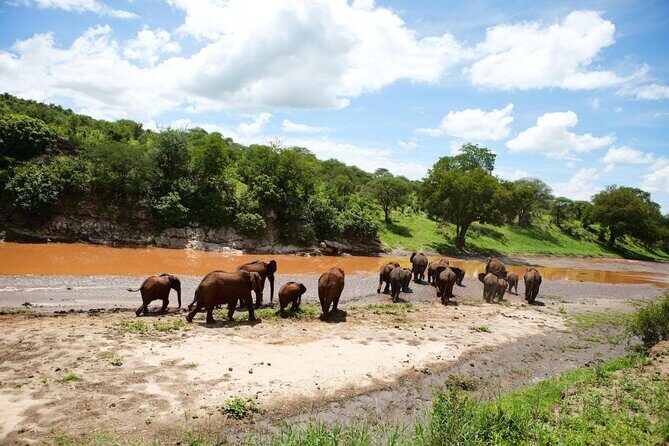
- Tarangire River elephants and baobabs: The park’s river system draws animals, and the giant trees are a real visual reward.
- Ngorongoro full-day crater viewing: You’re on the crater floor long enough to search for key species and enjoy lunch in the middle of it.
- Two UNESCO World Heritage areas: The circuit is built around protected zones with major conservation meaning.
- Private group size (up to 6): It’s small enough for your questions to matter during the drive.
- Lake Manyara’s dry-season draw: Swamps and acacia woodland pull wildlife in predictable ways.
- Mto wa Mbu culture stop: You get a hands-on look at local life, plus time for food and activities.
A fast safari loop that hits three Tanzania wildlife zones
This is a short circuit, about 3 days total, built for maximum wildlife time per day rather than slow travel. You start in Arusha, then move into Tarangire, the Ngorongoro Crater, and Lake Manyara, with a cultural stop in Mto wa Mbu to break up the wildlife intensity.
What makes this route interesting is the variety of animals that show up in different settings. Tarangire’s river-driven scenery makes elephants easier to read; Ngorongoro’s crater bowl concentrates wildlife; and Lake Manyara’s swamps and woodland can feel like a stage set for big sightings—especially during the dry season.
A few more Arusha tours and experiences worth a look
Price and logistics: what $730 buys (and what to double-check)
At $730 per person, you’re paying for a real safari structure: transport, guiding, park access, and meals. The tour includes all fees and taxes, a professional English-speaking guide, and meals across the trip—breakfast, lunch, and dinner are covered. If you’re comparing safari deals, that “hidden” part (park fees + meals + guide) is often where the bargain-or-not question gets decided.
Logistics are also part of the value. Pickup is offered from Arusha hotels, and the plan runs on early starts—around 8:00 am to get to Tarangire on Day 1 and around 6:30 am on the crater day. You’re not left guessing; the itinerary gives you clear daily blocks.
Two practical notes before you book:
- Group size is capped at 6. That’s small, and it matters when you want time to ask questions or shift your photo position without chaos.
- Lodging comfort can be inconsistent. This tour includes private rooms with private bathrooms for comfort, but one account flagged weak shower pressure and small rooms for the cost. If you care about the basics, confirm lodge expectations in advance.
Day 1: Tarangire National Park and the Jambo Lodge night
You’ll be picked up from your Arusha hotel around 8:00 am, then drive roughly 3 hours to Tarangire National Park (about 115 km from Arusha). Once you’re in, you’re set for a full day game drive.
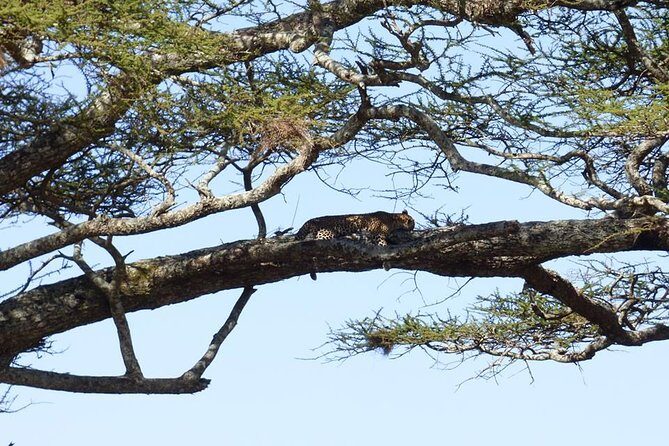
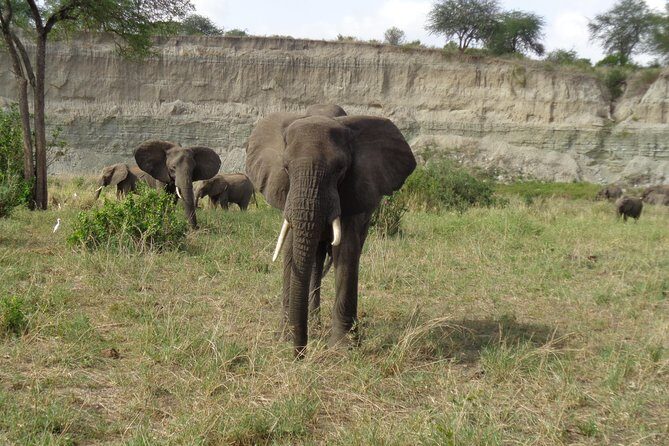
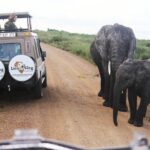
Tarangire is known for two things you’ll feel quickly: elephant herds and the mix of baobab trees and river water that keeps animals moving through the area. The park’s animals drink at the Tarangire River, and that’s a big reason the action can be steady even when the day is hot. You may also spot other wildlife like lions, leopards, and reptiles such as pythons, depending on where the animals are feeding and resting.
The “tree-climbing” angle comes up too. Tarangire can offer those surreal moments where you see animals in odd places for a classic safari viewpoint. That’s one reason I like starting here on Day 1: the terrain and water patterns help you get oriented fast before Ngorongoro adds intensity.
Late in the day, you drive to Jambo Lodge for dinner and overnight. This is one of the calmer blocks of the trip—long game-drive energy in the day, then a proper lodge reset for the next early start.
Day 2: Ngorongoro Crater full-day Big Five focus and crater-floor lunch
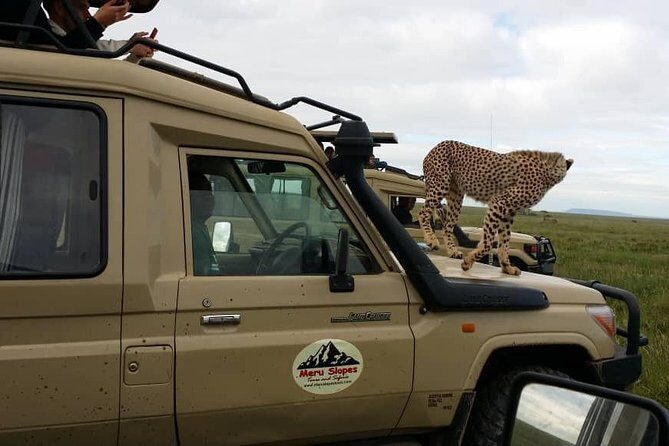
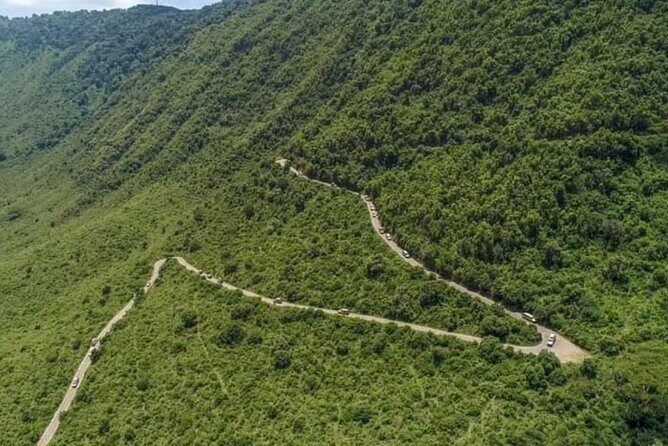
Day 2 starts early: breakfast around 6:30 am, then you head down to the crater floor. The payoff is the setting. Ngorongoro is famous for being a massive inactive volcanic caldera, and you’re there to take advantage of that natural design: wildlife concentrates in a defined bowl, and visibility often feels better because the habitat is so focused.
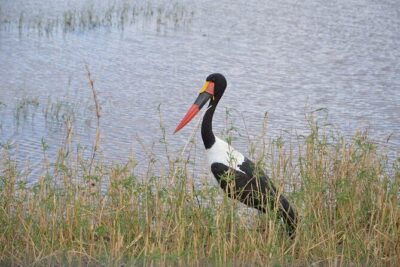
Your goal is big-five level game viewing, including a search for black rhino. Seeing rhino inside the crater isn’t something you can force, but the tour plan is built around the crater-floor chances, and you’ll also be watching for a lot of birds while you’re down there.
One of the best parts of this day is lunch inside the crater. It’s not just a meal break; it’s part of the viewing experience. The plan specifically calls out high concentrations of flamingos, so you’re in the middle of the action even while you eat. If you’ve ever had a “drive, then lunch, then drive” day feel disconnected, this crater-floor lunch is a fix. You stay in the zone.
Ngorongoro also matters beyond the animals. It was officially recognized as one of the Seven Natural Wonders of Africa in 2015, which helps you understand why the viewing rules and conservation approach can be strict—this is a place people protect because it’s rare and powerful.
Day 3: Lake Manyara game viewing and the Mto wa Mbu culture program
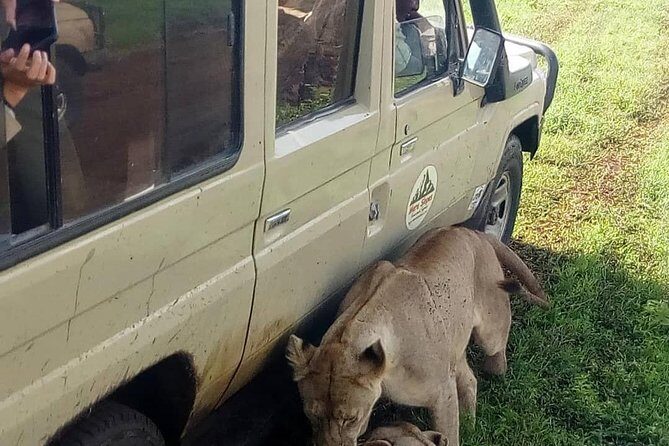
After breakfast, the plan shifts into another game-drive block and then moves to Lake Manyara National Park. The timing matters here: Lake Manyara is especially interesting in the dry season, when animals feel pulled toward water sources.
Lake Manyara’s key habitat cues are acacia woodland, giant African baobab trees, and huge swamp areas in the south. In practical terms, those swamp and river-adjacent areas act like a magnet. You’re looking for wildlife gathering patterns, not just chasing movement across open ground.
Tarangire and Lake Manyara can both give you elephant action, but Lake Manyara’s reputation is for large elephant herds, plus a set of rarer species you might be able to track—like Greater Kudu, Fringed-eared Oryx, and Ashy Starlings. Even when rare sightings don’t happen, the habitat is still educational because you’re learning how this ecosystem works.
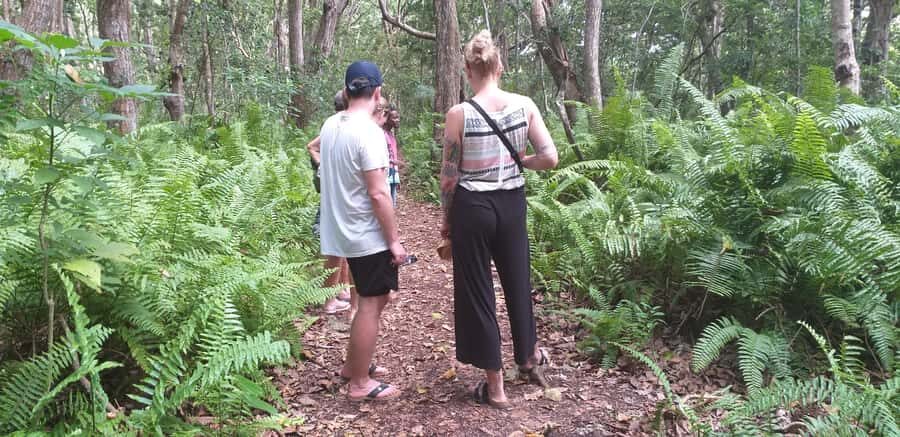
Then you break from wildlife and head to Mto wa Mbu for a cultural tour. This part is designed to be active rather than passive. You’ll see the traditional way of life through community activities, connect with ongoing community projects, and have a chance to taste Tanzanian foods. There are also walking, hiking, and biking tour options in the village area (with different lengths), so you can choose how hands-on you want to be.
By afternoon, you drive back to Arusha for dinner and overnight. It’s a good landing: you finish the wildlife loop with culture and food, then you’re back in town without having to extend the trip.
Your guide and spotting strategy: how to increase your odds
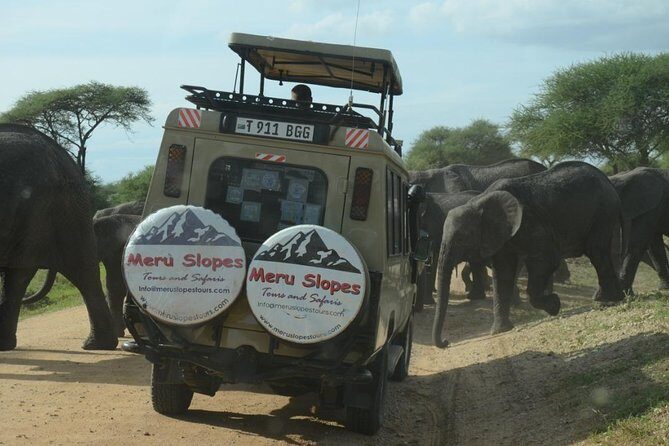
A safari can feel random when the driver can’t read the habitat quickly. Here, what I like is the way the guiding is framed: you get a professional English-speaking guide and time to learn about local conservation efforts as you go.
Spotting also benefits from small-group dynamics. With a maximum of 6 travelers, your guide can make more precise decisions on stops and photo angles, and you can ask questions without waiting behind a crowd.
One detail that stands out from a past experience: the guide effort is described as deliberately trying to deliver a wide range of targets, including the big-game checklist and even the so-called ugly-five category. That matters, because it suggests the driver isn’t just driving fast; they’re scanning, positioning, and staying patient enough to give you a realistic chance at multiple kinds of sightings.
UNESCO and conservation: why the route feels more meaningful
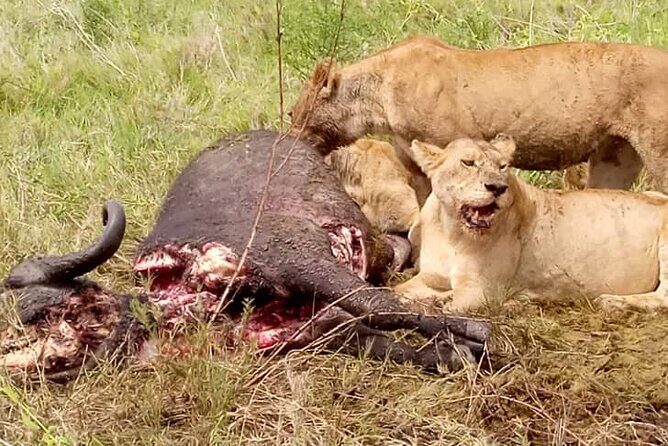
This tour promises two UNESCO World Heritage sites, and you can feel why once you’re inside the protected areas. The goal isn’t only to see animals; it’s to understand the management behind them—how rangers, local communities, and conservation rules all work together to keep habitats from being stripped down.
Even if you don’t get a long lecture, the conservation emphasis shows up in the daily rhythm: you spend serious time in the parks, and you’re there early enough to use the animals’ most active hours. That’s conservation-friendly viewing by design: fewer unnecessary drives, more time where the wildlife already is.
Lodging reality: private rooms, but ask about comfort details
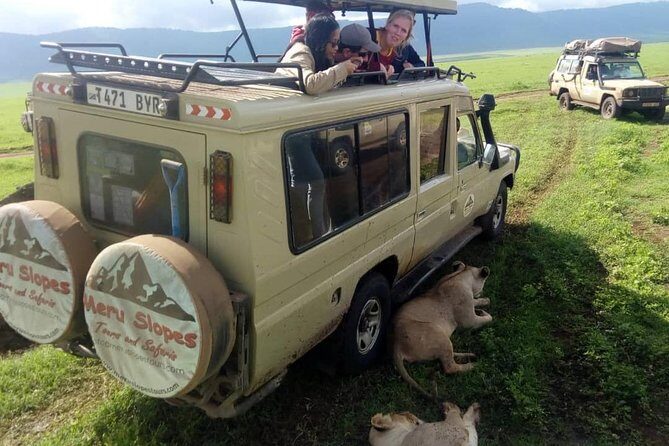
The tour includes two nights of accommodation with private rooms and private bathrooms. For many people, that’s the difference between tolerating a safari circuit and actually relaxing at night.
Still, one important caution comes from an account tied to this kind of pricing: the lodging was described as disappointing for the cost, with issues like weak hot shower pressure and smaller rooms than expected. So here’s my practical advice: ask the operator to confirm which lodge you’ll stay at and what “private bathroom comfort” means in real terms for your expectations.
If you’re traveling with a partner or you want sleep that’s actually restorative after long drives, this is the one place you don’t want surprises.
Who this 3-day safari is best for
This is a smart fit if you want:
- A compact route with strong wildlife variety across three parks
- Early starts and full days of driving that keep momentum high
- A small group safari where questions and adjustments feel easier
- A cultural add-on at Mto wa Mbu for context beyond the animals
It’s less ideal if you need lots of downtime and long, slow breaks between sections. The schedule is designed for intensity—Tarangire to Ngorongoro is a big jump, and then Lake Manyara is a follow-on day where the goal is to keep your game-drive time dense.
Should you book this 3-day Lake Manyara, Ngorongoro, Tarangire safari?
If you want a classic Tanzania starter safari that hits major wildlife habitats in just three days, I’d lean yes. The value is strongest when you compare what you’d pay separately for guide time, park access, and meals. With meals included and a guide-led focus on spotting, the price can make sense fast.
But don’t book blind if comfort is your top priority. For this itinerary, the lodge names and room feel matter, and one prior experience flagged shower pressure and room size as a downside for the price. Ask for the specific lodge details for each night, and set your expectations for an active driving schedule.
If you’re flexible and want big sightings without a longer trip, this circuit is the kind of plan that gives you stories you’ll remember for years.
FAQ
What parks and stops are included in this 3-day safari?
The tour includes Tarangire National Park, Ngorongoro Crater (crater floor), Lake Manyara National Park, and a cultural tour in Mto wa Mbu.
Where does the tour start?
Pickup starts in Arusha, Tanzania, with the meeting point listed as Arusha, Tanzania.
What time do the early days begin?
On Day 1, pickup is at 8:00 am from your Arusha hotel. On Day 2, breakfast is around 6:30 am before heading to the crater floor.
How many people are in the group?
This experience has a maximum of 6 travelers, and it’s described as a private tour means a personalized experience.
Are meals included?
Yes. The tour includes breakfasts (4), lunches (3), and dinners (2).
Is Wi-Fi available during the safari drive?
Yes. There is free Wi-Fi inside the safari jeep during the tour.
Are park admission fees included?
The itinerary lists Admission Ticket Free, and the tour also includes all fees and taxes.
What is included in the guide service?
You get a professional English-speaking guide.
What is not included?
The tour does not include the Tanzania visa and does not include tips and gratuities for your guide and cook.
What is the tour price per person?
The price is $730.00 per person.