REVIEW · MOSHI
Mount Kilimanjaro – Machame route
Book on Viator →Operated by Moana Tanzania · Bookable on Viator
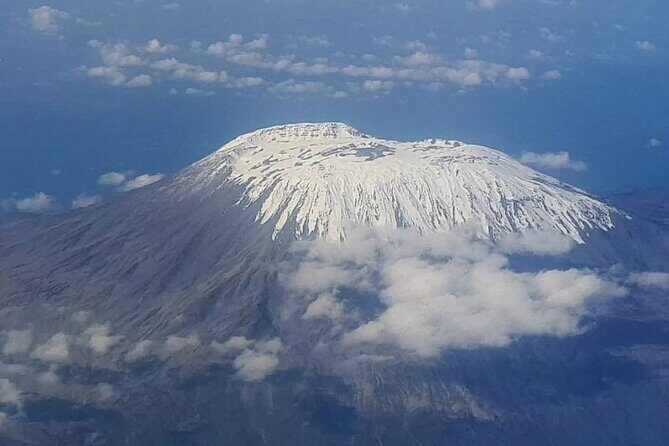
Kilimanjaro rewards patience. The Machame route is a classic 7-day way up from Moshi, climbing through rainforest, moorland, and alpine desert before you chase the summit altitude of Uhuru Peak at 5895m. It’s not just about altitude marks on a map; the route’s day-to-day changes keep your body working steadily and your eyes busy.
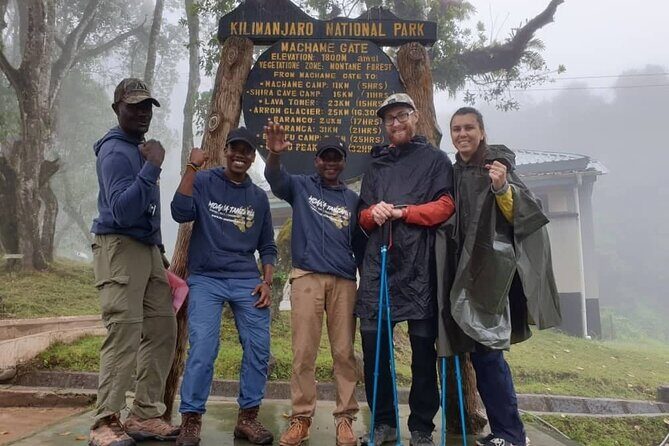
I really like how this trek is built around real-world comfort: you’re not left to guess meals, washing, or safety basics. You get hot water for washing, drinking water throughout the climb, and a trained crew of guides, cook, and porters who keep the whole operation running smoothly. It also helps that two guide names stand out in past groups, including Onesmo and Isack, which says a lot about consistency in the team.
One thing to take seriously: the summit day is long and cold. You’ll start from around 4700m, go up to 5895m, and then descend back down to about 3100m, with roughly 5–7 hours up and 5–7 hours down, and the trek is aimed at people with strong physical fitness. If you’re not sure you’re ready for that, you should train and plan carefully before committing.
In This Review
- Quick, practical highlights from the Machame climb
- Moshi, pickup, and how your trek actually starts
- Day 1: Machame Gate to Machame Camp through the rainforest (1800m to 3000m)
- Day 2: Into moorland and up to Shira Camp (3000m to 3850m)
- Day 3: Shira plateau, Lava Tower, Arrow Glacier, and Barranco Camp (3850m to 3950m)
- Day 4: Barranco Wall to Karanga Valley Camp (3950m to 4040m)
- Day 5: Karanga to Barafu Hut for summit preparation (4040m to 4700m)
- Day 6: Summit attempt to Stella Point and Uhuru Peak, then down to Mweka Hut (4700m to 5895m then 3100m)
- Day 7: Mweka Gate and the final forest descent (3100m down to 1650m)
- What the $2,700 price covers, and where it’s smart value
- The team matters: guides, porters, and that finishing-energy feeling
- Gear and pacing tips for Machame: what to prepare for
- Who should choose this Machame route (and who should think twice)
- Should you book Moana Tanzania for the 7-day Machame route?
- FAQ
- How long is the Mount Kilimanjaro Machame route trek?
- Where does the trek start?
- What’s the hiking elevation range on this Machame route?
- How many people are in the group?
- What’s included in the price?
- What is not included?
- Is oxygen provided during the trek?
- When can I meet the operator for departure?
- What happens if weather is poor?
Quick, practical highlights from the Machame climb
- Machame’s route variety: rainforest, moorland, semi-desert, then icy summit conditions.
- A full support system: guides, cook, and porters plus portable first-aid on the trek.
- Altitude help is built in: portable oxygen tanks and an ox meter are included.
- You finish with a true descent: down from Mweka Hut to Mweka Gate through forest.
- Small-group feel: maximum 15 travelers, which usually keeps decision-making smoother.
- Convenient basics are handled: hot water for washing and drinking water throughout.
Moshi, pickup, and how your trek actually starts
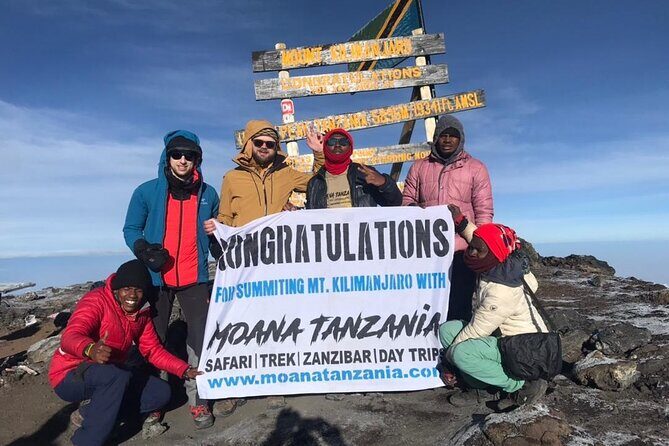
This Kilimanjaro experience is based out of Moshi, Tanzania, with pickup offered and private transportation included. That matters more than it sounds: you’ll likely want a stress-free morning before heading toward the mountain, especially when you know the first trekking day is already a big step up in altitude.
You’ll also get a mobile ticket, and the operator lists set meeting hours as Monday through Sunday from 7:00 AM to 11:00 AM. If you’re arriving from elsewhere in Tanzania or flying in late, plan buffer time the day before your climb so you’re not rushing to get to the start window.
The big practical point: confirm your exact meeting time after booking, and treat that window like a real deadline. The mountain doesn’t care about your schedule, and good acclimatization starts with doing day one at the right pace.
You can also read our reviews of more tours and experiences in Moshi.
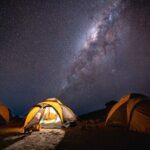
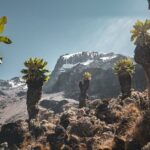
Day 1: Machame Gate to Machame Camp through the rainforest (1800m to 3000m)
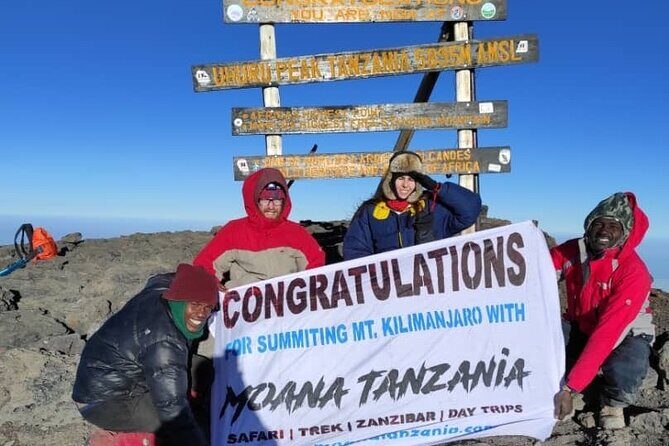
Day 1 climbs from around 1800m up to about 3000m, with a hike of roughly 5–7 hours covering about 11 km. You start at Machame village and the nearby Machame gate, and the trek begins in rainforest.
Rainforest trekking on Kilimanjaro has a useful role: it gets you moving uphill without immediately dumping you into the sharp, dry cold higher up. The air can be damp, and conditions can feel warm at ground level even when you’re already climbing. You’ll want to pace yourself so you don’t sprint early, because day-to-day altitude gain is still the main story here.
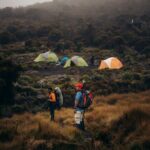
At the end of day one you reach Machame Camp, setting up the rhythm for the rest of the climb: steady ascent, a camp night, then the next step.
What to watch for on day one: keeping your breathing calm. Even in the rainforest, Kilimanjaro altitude can sneak up on you.
Day 2: Into moorland and up to Shira Camp (3000m to 3850m)
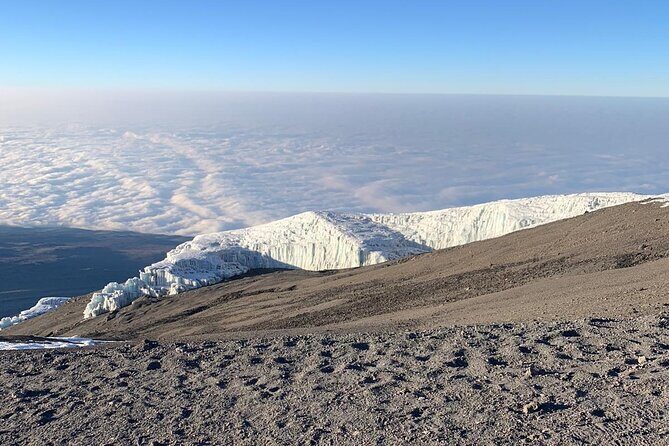
Day 2 goes from 3000m to about 3850m, about 9 km and 4–6 hours of hiking. The trek leaves the rainforest behind and enters moorland, and the route includes a steep, rocky ridge.
You’ll cross a valley and then climb along a ridge, with the trail leading toward a river gorge before arriving at Shira Camp. This is a classic Kilimanjaro day in the sense that you’ll feel the change in terrain and air pressure. Moorland can bring wind and cooler temperatures, so layers matter even when you start the day warm.
The route also includes sections that can feel physically demanding because of footing—rocks, steepness, and changing trail surfaces. The practical tip: use trekking poles if you have them, and don’t take big, fast steps just because you feel good.
The payoff is a strong sense that the mountain is switching “modes” as you go: greener at first, then drier, then more stark.
Day 3: Shira plateau, Lava Tower, Arrow Glacier, and Barranco Camp (3850m to 3950m)
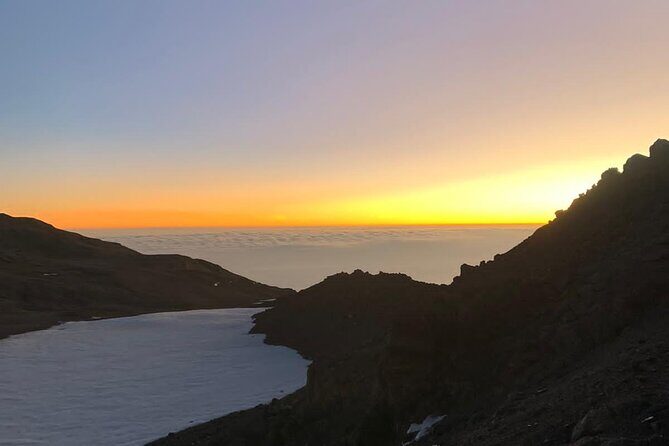
Day 3 is listed as 3850m to 3950m, covering about 10 km in roughly 6–8 hours. This day is about getting deeper toward the Kibo area, where the mountain starts looking less like a hill and more like a world of its own.
You’ll move from the Shira plateau toward the Kibo peak approach, passing Lava Tower, sometimes called the Sharks Tooth, then continuing up toward the Arrow Glacier area. You’ll spend the night at Barranco Camp.
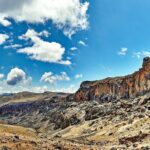
Even if you’ve seen photos before, you’ll likely notice how fast the environment changes in a single day at this altitude. Semi-desert conditions mean less vegetation and more stark rock, which can be mesmerizing but also means exposure to sun, wind, and temperature swings.
The useful thing about day three is mental momentum. You’re still climbing, but you’re also moving into the terrain that feels closer to the summit push. It’s a turning point.
Practical caution: because the day can run longer (6–8 hours), eat well in the afternoon so you start day four with enough fuel.
Day 4: Barranco Wall to Karanga Valley Camp (3950m to 4040m)
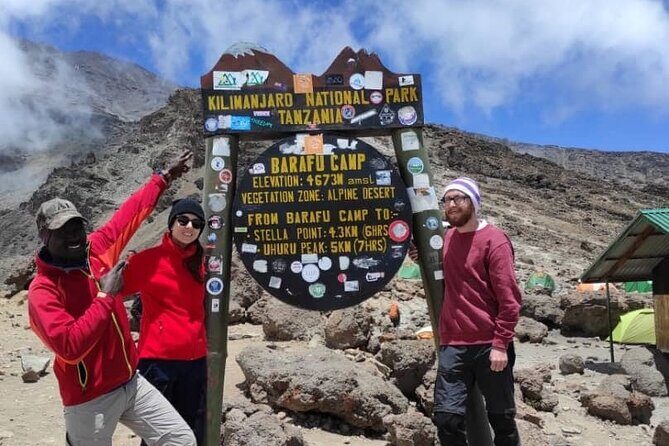
Day 4 climbs from about 3950m to 4040m and is relatively short at 5 km, with 4–5 hours of hiking. You pass the Barranco Wall and then reach the Karanga Valley, ending at Karanga Camp.
This is where “shorter distance” doesn’t necessarily mean “easy.” The Wall is a known feel-on-your-legs kind of section, and at altitude the effort adds up. You’ll also likely notice that you’re spending more time in alpine desert conditions, which means less humidity and more direct weather impact.
Why this day matters: it sets you up for what comes next. Karanga Camp puts you in a position to move toward Barafu and the summit prep stage with the south-circuit rhythm.
If you tend to get anxious on challenging terrain, day four can be reassuring. It’s a controlled push with a clear end point.
Day 5: Karanga to Barafu Hut for summit preparation (4040m to 4700m)
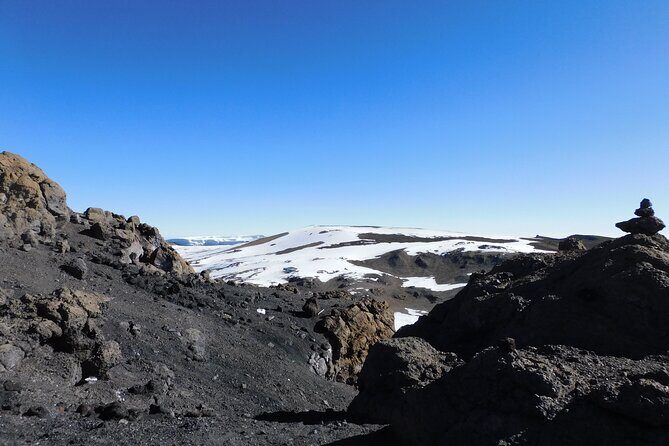
Day 5 jumps higher: from 4040m to about 4700m, only 4 km, but it still takes 4–5 hours because the climb is serious. You reach a junction connecting with the Mweka Trail, then continue to Barafu Hut.
This is the “rest and prep” phase, which is a big deal on Kilimanjaro. You’ve reached the point where you’re close enough to the summit that the next day’s effort becomes the center of everything you do.
The practical value of arriving at Barafu is you can shift from “moving” mode to “manage your body” mode. You’ll want to focus on hydration, eating what you can, and trying to sleep even though it may not be comfortable. Many people underestimate how much summit day depends on the quality of the hours right before it.
Also: with altitude at this level, even small discomfort can feel bigger. Your pace may slow because your body is simply working harder. That’s normal here.
Day 6: Summit attempt to Stella Point and Uhuru Peak, then down to Mweka Hut (4700m to 5895m then 3100m)
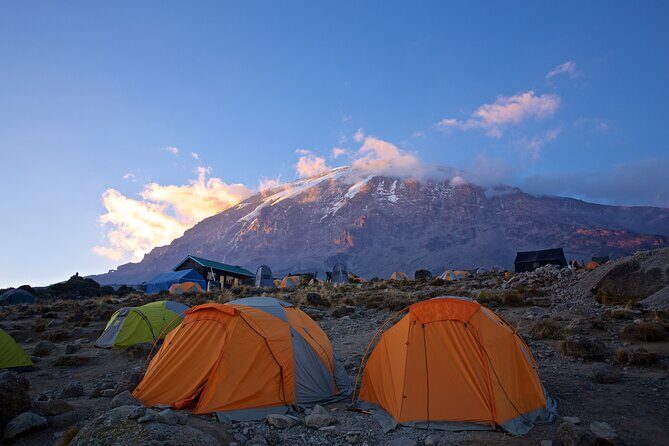
This is the headline day. You start at about 4700m, climb to 5895m, and then descend to around 3100m. Expect roughly 5–7 hours up and 5–7 hours down.
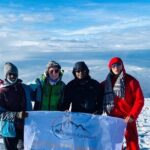
You’ll summit starting between the Rebmann and Ratzell glaciers, make your way to Stella Point, and then continue to Uhuru Peak. After reaching Uhuru, there’s time to celebrate and take pictures, then you begin the descent to Mweka Hut for the night.
This is also the day where included support makes a real difference. The trek includes portable oxygen tanks and an ox meter, plus a portable first-aid kit and rescue fees. Nobody should treat oxygen as magic, but having it available can be comforting, especially if you’re affected by altitude and need support for safety and decision-making.
Temperatures at an icy summit are no joke. Even if you’re physically ready, you’ll be fighting cold and thin air. You’ll likely want to keep movements efficient—short, steady steps, minimal waste of energy.
One more practical note: the descent is still a workout. Your legs will feel it, and you’ll want to keep your footing careful because fatigue can lead to clumsy steps.
Day 7: Mweka Gate and the final forest descent (3100m down to 1650m)
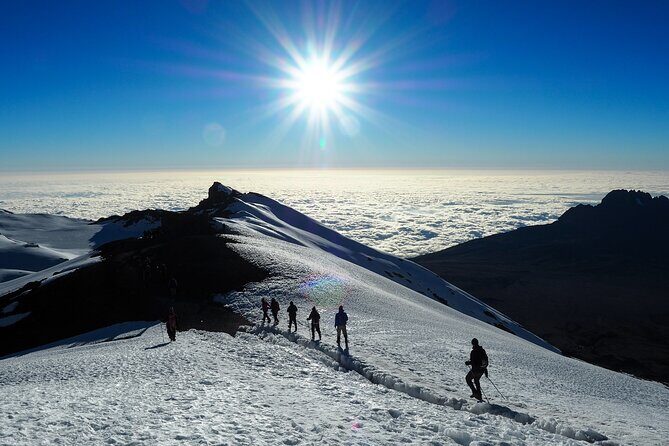
Day 7 drops you from around 3100m down to 1650m in about 3–4 hours, ending at Mweka Gate. The habitat shifts to forest, which can feel surprisingly good after icy summit air.
This day is about closure. You’re not climbing a summit now—you’re letting your body transition back toward lower altitude and normal breathing patterns. It also gives you a chance to reflect on what you just did: a full week of moving through multiple ecosystems and altitude zones, with the summit day as the peak moment.
Even though the hiking time is shorter, don’t go into autopilot. Your knees and ankles may still be tired from the day before.
What the $2,700 price covers, and where it’s smart value
At $2,700 per person for an approx 7-day climb, you’re paying for a full operation, not just a permit and a guide. Here’s what’s included:
- Private transportation
- Accommodation fees
- Guides, cook, and porters
- Meals (breakfast and dinner listed for multiple days, plus lunch)
- Drinking water throughout the trek
- Hot water for washing
- Portable oxygen tanks and an ox meter
- Portable first-aid kit
- Rescue fees
- GST, parking fees
That package affects value because Kilimanjaro is logistically heavy. Porters, camp staff, safety equipment, and food all cost real money, and the included oxygen items plus rescue fee coverage are the kind of “you hope you don’t need it” costs that are worth having in the background.
What’s not included matters too:
- Personal items and toiletries
- Personal mountainclimbing gear
- Accommodation in Moshi before and after the trek
- Travel insurance
- Flight tickets
- Laundry service
So the cost isn’t just the hike. If you need a hotel in Moshi pre- and post-trek, add that budget. And if you don’t have travel insurance, you should seriously consider it since insurance isn’t included.
If you’re comparing operators, don’t just compare headline price. Look for what’s covered: oxygen support, medical/safety provisions, and how meals and camp logistics are handled.
The team matters: guides, porters, and that finishing-energy feeling
On a multi-day mountain trek, your experience hinges on people, not brochure text. This trek runs with guides, cook, and porters, plus safety support like first aid kit and rescue fees.
In past climbs with Moana Tanzania, guide names like Onesmo and Isack show up as key parts of a smooth experience, and the crew’s attitude is consistently described as friendly and supportive. That’s not a small thing. When you’re tired on a steep section or fighting cold at night, a calm, upbeat team can help you keep your effort efficient.
Also, the group size max is 15 travelers. Smaller groups tend to make it easier to manage pace and keep everyone moving with fewer bottlenecks.
If you want an experience where you feel cared for during hard moments, this structure supports that.
Gear and pacing tips for Machame: what to prepare for
The itinerary clues tell you what to pack because the mountain conditions change fast:
- Rainforest start (day one)
- Wind/cold moorland (day two)
- Semi-desert and glacier approach (day three)
- Alpine desert (days four and five)
- Icy summit conditions (day six)
You should plan for cold weather at high elevation, especially since day six is specifically described as icy summit. Bring your own personal mountainclimbing gear because it isn’t included. Don’t assume your team supplies it.
On pacing: Kilimanjaro punishes fast starts. Aim for steady effort, not speed. If your breathing climbs quickly, slow down and focus on breathing rhythm rather than step count.
Hydration is also key. Drinking water is included throughout the trek, but you still need to drink consistently rather than waiting until you feel thirsty.
Who should choose this Machame route (and who should think twice)
This trek is for people with strong physical fitness. You’ll be climbing from 1800m all the way toward 5895m, and day six is both long and intense. If you’ve trained, plan to take the climb at a realistic pace, and understand altitude challenges, you’ll be in the right group.
You’ll likely enjoy this route if you want:
- Variety of ecosystems across the week
- A classic route pacing that gives you multiple camp nights
- A summit day with support structures in place (oxygen tanks and an ox meter)
Think twice if you’re seeking a relaxed vacation hike. Even though day lengths vary, the altitude demands are real.
Should you book Moana Tanzania for the 7-day Machame route?
Yes, if you want a structured Machame climb with strong safety support and a team that includes guides, cook, and porters—and you’re physically ready for a real summit day. The value is strongest when you factor in what’s included: meals, accommodation fees, hot water, drinking water, oxygen supplies, and rescue fees.
Hold off if you still need to build confidence in your fitness. This is not the place to wing training, and the summit day’s 4700m to 5895m effort is a clear sign of what you’re signing up for.
If you book, prep thoughtfully for cold, move steadily, and trust the acclimatization rhythm. That combo is what turns a hard week into a story you’ll still be proud of years later.
FAQ
How long is the Mount Kilimanjaro Machame route trek?
The trek is listed as about 7 days.
Where does the trek start?
The climb starts from Machame village and the nearby Machame gate (with Moshi as the base area).
What’s the hiking elevation range on this Machame route?
You’ll range from about 1800m up to around 5895m on summit day, with the trek ending around 1650m.
How many people are in the group?
This experience has a maximum of 15 travelers.
What’s included in the price?
Included items are private transportation, GST and parking fees, accommodation fees, rescue fees, drinking water throughout the trek, hot water for washing, guides, cook and porters, portable oxygen tanks and an ox meter, and a portable first-aid kit. Meals are also included (breakfasts, lunches, and dinners as listed).
What is not included?
Not included: personal items and toiletries, personal mountainclimbing gear, accommodation in Moshi before and after the trek, travel insurance, flight tickets, and laundry service.
Is oxygen provided during the trek?
Yes. Portable oxygen tanks and an ox meter are included.
When can I meet the operator for departure?
Meeting hours are Monday through Sunday from 7:00 AM to 11:00 AM.
What happens if weather is poor?
This trek requires good weather. If it’s canceled due to poor weather, you’ll be offered a different date or a full refund.