REVIEW · ARUSHA
4 Days Joined Group Safari Serengeti,Ngorongoro and Tarangire National Parks
Book on Viator →Operated by Serengeti Safari Booking · Bookable on Viator
Game drives start early, and they work. This joined 4-day safari stitches together Tarangire, Serengeti, and Ngorongoro for a tight wildlife hit, with park entries, meals, and camping gear handled. I really like the small-group feel (max 6) and the focus on spotting the Big Five-style action, including leopards in the Seronera/Central area. The main drawback is simple: most days run long and the wake-ups are early, so you’ll want to be ready for the day starting before your alarm feels fair.
If you like structure without feeling rushed, this route is a good match. You’ll move by 4WD Jeep in pop-up style for better viewing, and you’ll have a guide who can work in English, French, and Spanish. If your goal is also the story behind what you’re seeing—migration, river crocodiles, and how the crater ecosystem works—you’ll get that added context as you drive and scan.
One more thing to consider: you’re doing camps and crater-time, not a resort safari. That’s not bad, just different. You’ll have a sleeping bag and camping equipment included, plus towels, water, and even wine, but the vibe is more “out there” than “room service.”
In This Review
- Key things I’d book this for
- The smartest way to cover Tarangire, Serengeti, and Ngorongoro in 4 days
- 4WD pop-up Jeep time: better sightlines, shared spotting, fewer headaches
- Day 1: Tarangire game drives among baobabs and acacias
- Day 2: Serengeti southern plains and the Seronera stretch
- Day 3: Central Serengeti kopjes, heavy breakfast, and leopard odds
- Day 4: Ngorongoro crater descent with Lake Makat soda lake and Big Five potential
- Meals, camping gear, and the reality of safari comfort
- Price and value: what $974.36 covers and where you’ll still spend extra
- Getting the most out of a joined safari (without making it exhausting)
- Should you book this 4-day joined safari through Serengeti and Ngorongoro?
- FAQ
- What parks are included in this 4-day safari?
- How many people are in the group?
- What languages does the guide offer?
- What’s included in the price?
- Is transportation included during the safari?
- Are the main park admission tickets included?
- Can I cancel for a full refund?
Key things I’d book this for
- Max 6 travelers in a shared Jeep: more eyes on animals, less chaos than bigger groups.
- Park fees and most meals included: less mental math after you land in Tanzania.
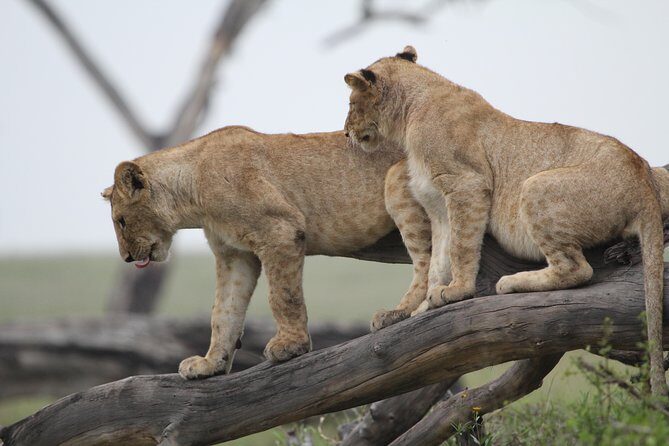
- Serengeti leopard country (Seronera/Central): the trip is timed for strong predator-viewing areas.
- Ngorongoro Crater descent with long game drive: a full day focused on dense wildlife and crater variety.
- Camping gear and sleeping bag supplied: you pack lighter and spend your time on the safari, not logistics.
- Multi-language guide support: English, French, and Spanish included so you’re not stuck translating in your head.
The smartest way to cover Tarangire, Serengeti, and Ngorongoro in 4 days
This safari is built for people who want the big names—Tarangire, Serengeti, and Ngorongoro—without a full-week commitment. In four days, you’ll go from Arusha’s gateway energy into wildlife country fast, then back out again at the end of the crater day.
What makes it feel efficient is how the parks complement each other:
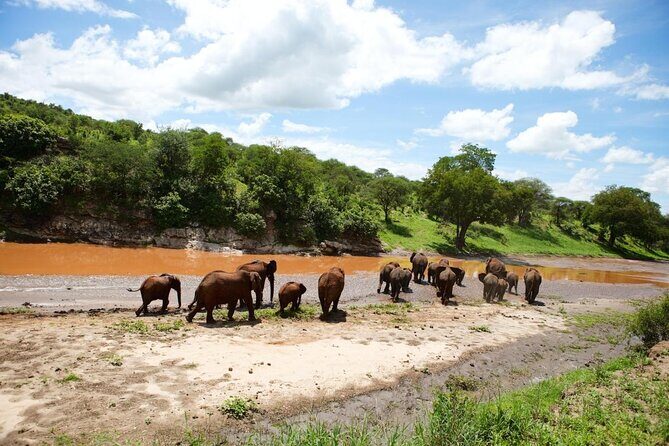
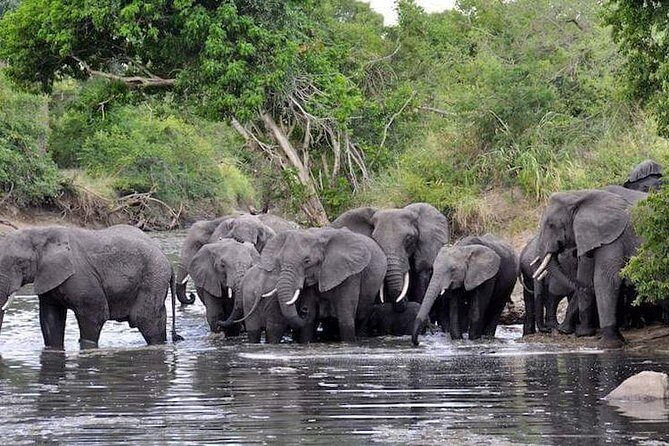
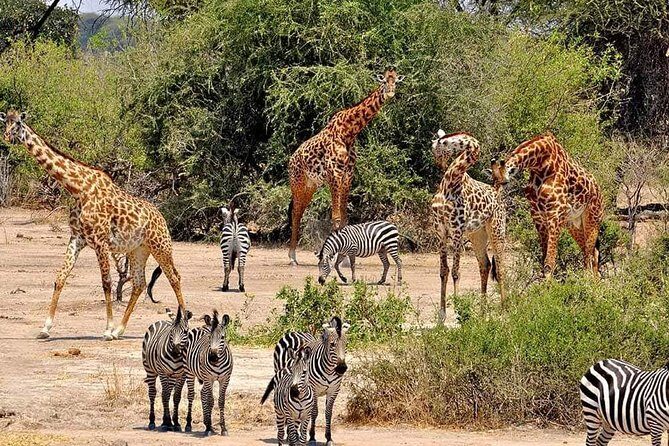
- Tarangire brings a different look and feel: baobabs and acacia trees over more open ground, with wildlife concentration noted outside the Serengeti ecosystem.
- Serengeti (Seronera/Central focus) gives you the classic savanna spotting game, including predator zones where kopjes (rocky outcrops) provide cover and viewpoints.
- Ngorongoro Crater compresses a lot into one place. You’re designed for a long crater drive, so you’re not “checking it off,” you’re actually hunting sightings.
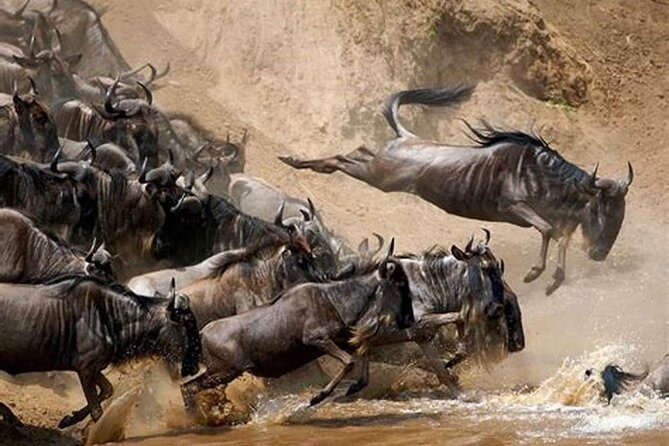
You’ll also get story time built into the plan. The tour highlights migration concepts—how animals move between Serengeti and Masai Mara—and the role of large river crocodiles in shaping crossings and animal numbers. That kind of context helps you see more than just animals on a chart.
A few more Arusha tours and experiences worth a look
4WD pop-up Jeep time: better sightlines, shared spotting, fewer headaches
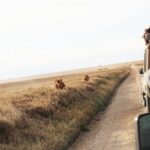
This is a 4WD Jeep safari in a pop-up style vehicle. That matters because you’re not just looking through windows—you’re aiming for better height and line of sight when the action pops up on the savanna.
You also have a built-in advantage from the group size: the tour caps at 6 travelers. A smaller group doesn’t magically guarantee lions or leopards, but it usually makes spotting smoother. You’re not constantly negotiating space with too many people, and the driver/guide can position the Jeep more flexibly.
Also, languages aren’t treated like an afterthought. Your guide can work in English, French, and Spanish, which makes the difference when you want quick explanations about behavior—like why predators hang out near certain cover—or when you’re asking for sighting help without slowing everything down.
Day 1: Tarangire game drives among baobabs and acacias
You start with breakfast at your hotel around 7:00 am in Arusha. Then it’s a 2-hour-ish drive to the park gate—about 118 km away—so you get into Tarangire while the animals are still active.
Tarangire is described as sparse vegetation country, with baobab and acacia trees. It also gets singled out as the greatest wildlife concentration outside the Serengeti ecosystem. That’s a big reason this opener works: you’re not starting with a “drive day.” You’re going straight into about 6 hours of game drive in the pop-up 4WD Jeep.
Lunch lands at 1:00 pm at a picnic site. Afterward, you keep driving and scanning until early evening. Around 6:00 pm, you head to Fig big tree for dinner and overnight.
What I like about this day: you’re introduced to a different Tanzanian look than the Serengeti, and the timing gives you a realistic shot at good variety in a single sitting. Even if you don’t hit every Big Five moment on day one, you’re building momentum.
The only consideration: it’s a long day by the time you add the drive in the morning and the evening transfer. If you’re the kind of person who hates being on the clock, Tarangire’s start might feel intense.
Day 2: Serengeti southern plains and the Seronera stretch
After breakfast at Fig big tree around 7:00 am, you leave Arusha-side rhythm behind and drive into southern Serengeti. The schedule puts you on the road with about 4 hours of driving, arriving for a half-day game drive of roughly 3 to 4 hours.
Lunch is again at 1:00 pm at a picnic site. Then you shift gears toward camp: at about 6:00 pm, you drive to the seronera campsite, eat dinner, and sleep there.
This timing is a practical choice. By the time you reach the Seronera area, you’re not just there to stand around. You get scanning time in the daylight window when animals are moving and feeding, and you still end the day at a campsite that sets you up for an even earlier start next morning.
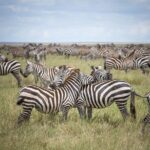
What you’re really watching for here: the classic Serengeti savanna action. The plan points to southern zone plains and the year-round grazing ground that supports animals such as wildebeest and zebra, and other species named in the route background.
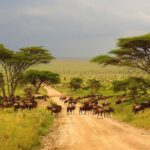
Also, keep your eyes open for river-country clues. The highlights include the Mara and Grumeti Rivers, and while river scenes depend on conditions and movement, you’re traveling through the region tied to the migration story. That’s where the tour’s educational angle starts to feel useful.
The day’s drawback: you’re driving for a good chunk of the morning. If you want the fewest road hours possible, this part of Serengeti takes some patience.
Day 3: Central Serengeti kopjes, heavy breakfast, and leopard odds
Day 3 is where Serengeti turns into predator-sighting territory.
You start with a very early light breakfast at the seronera campsite around 5:30 am, then you head out about 6:00 am for game drive in Central Serengeti. Then you hit a “big meal in the middle of the safari machine” moment: around 10:00 am there’s a heavy breakfast back at the campsite.
Lunch is again at 1:00 pm at a picnic site, and the schedule gives you not less than 6 hours of game drive. In the evening, around 6:00 pm, you travel to Ngorongoro simba campsite for dinner and overnight.
Central Serengeti here is described as dotted with acacia vegetation and structured rocky outcrops called kopjes. Those kopjes aren’t just pretty shapes on the horizon. They provide vantage points for predators and shelter for smaller animals like hyrax and reptiles such as pythons and lizards. And the plan notes that African leopards are commonly seen in this zone.
What I like about this day: it’s long enough to matter. A minimum six-hour drive gives you time for sightings to happen naturally, not just during a short afternoon window.
What to plan for: the rhythm is intense—early start, heavy breakfast mid-stream, then long driving. If you tend to get grumpy when schedules move faster than you do, bring your best “safari mood” and some snacks when you’re allowed to.
A few more Arusha tours and experiences worth a look
Day 4: Ngorongoro crater descent with Lake Makat soda lake and Big Five potential
This is the one-day centerpiece.
You start with breakfast at the simba campsite around 7:00 am, then leave around 8:30 am for a game drive with crater descent. The schedule gives you not less than 6 hours in the crater, plus lunch at 1:00 pm at a picnic site.
You begin exiting the crater at 16:00 pm and drive back toward Arusha town, where you’ll have dinner and overnight at Tourist Inn.
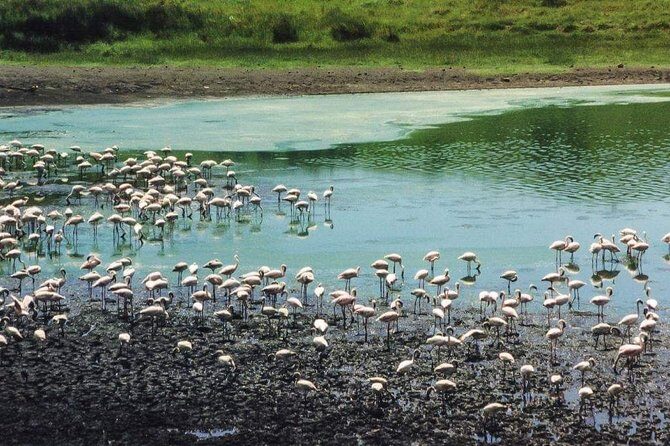
Ngorongoro is framed in the background as a crater with fertile volcanic soil supporting multiple habitats. One key feature mentioned is Lake Makat, a soda lake. The Maasai name is noted as meaning salt, and it’s described as home to various bird species.
Also, this park gets special emphasis for Big Five viewing. It’s described as the only park in Tanzania that provides yearly around viewing of the Big Five, with the chance you’ll see multiple species in a single day.
What I love about a crater day like this: you’re not spread thin across too many areas. You’re focused in one world, watching an ecosystem that can pack a lot of action close together.
A fair consideration: crater wildlife can cluster, and the Jeep positions can take a while to line up. You’ll still get a full day drive, but patience helps—especially when you’re waiting for a cat to move from “maybe” to “there.”
Meals, camping gear, and the reality of safari comfort
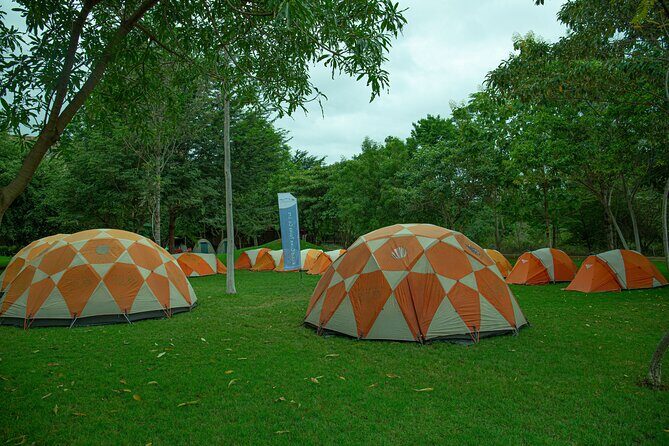
This tour includes accommodation for 3 nights, plus camping equipment and a sleeping bag. You’ll also have bath towels and access to drinking water and wine.
Food is covered in a structured way: 4 breakfasts, 4 lunches, and 4 dinners are included. That’s a big deal for value and peace of mind. You won’t be hunting for meals between parks, and you can keep your attention on the game drive rather than your hunger math.
Lodging names in the plan include:
- Fig big tree for dinner and overnight (and breakfast on the next morning)
- seronera campsite for one night
- Ngorongoro simba campsite for another night
- Tourist Inn in Arusha for the final dinner and overnight
So yes, you’re camping. But you’re camping with a system: the tour is supplying the essentials, and the meals are included. That combination tends to make group camping safaris less stressful than doing it independently.
Price and value: what $974.36 covers and where you’ll still spend extra
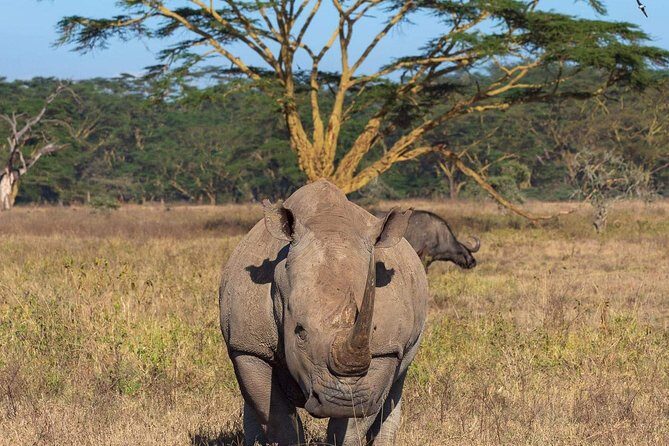
The price shown is $974.36 per person for roughly 4 days. On a pure “count the days” basis, it can feel like a lot. But safari pricing only makes sense when you compare what’s included.
Here’s what’s covered:
- Airport pickup and drop-off
- Entry/admission tickets for Tarangire, Serengeti, and Ngorongoro
- Accommodation (3 nights) plus camping equipment and sleeping bag
- All game drive activities, including walking safari if indicated in the itinerary
- Meals: 4 breakfasts, 4 lunches, 4 dinners
- Drinking water and wine
- A professional driver/guide who speaks multiple languages
Not included items are straightforward: tips, international flights, travel insurance, and visas.
Two value takeaways that matter:
- The park admissions being included is where you avoid unpleasant surprise costs later.
- You’re also buying time and coordination—transfers, lunches, and camp logistics are handled—so the trip stays focused on sightings.
One practical note: the tour is listed as often booked about 56 days in advance on average. If you’re traveling in peak season, earlier booking gives you more breathing room.
Getting the most out of a joined safari (without making it exhausting)
A joined group safari is a trade. You get lower cost and smoother logistics, but you give up some personal control. Here’s how you can make that trade feel worth it:
- Lean into the early starts. The plan has very early mornings (including a 5:30 light breakfast). Those starts are there for a reason: animals move when it’s cool and light is useful.
- Treat the Jeep as your classroom. With a multi-language guide, ask simple behavior questions when you see a pattern—why a predator is near kopjes, or what river edges change about animal movement.
- Budget for tipping. Tips aren’t included, and this is one of those areas where a small amount adds up to real respect for the team doing long driving days.
- Pack for sun and patience. Long game drives mean you’ll spend hours outdoors scanning. Even without fancy equipment, you’ll do better with basic comfort items.
If you’re the type who wants everything tailored, you might feel constrained by the shared pace. But if you want the Big Parks loop done well, this structure is built for you.
Should you book this 4-day joined safari through Serengeti and Ngorongoro?
I’d recommend booking if your priorities look like this:
- You want a small group experience (max 6) but still want shared affordability.
- You care about hitting Tarangire + Serengeti + Ngorongoro in one go.
- You’re okay with camp-style nights and early mornings in exchange for big wildlife time.
- You want the practical convenience of park fees, meals, and core logistics included.
I’d think twice if you strongly dislike long driving days, dislike early wake-ups, or want a fully private experience with maximum flexibility. This is a shared safari, and the schedule will run on safari time, not your time.
If you book, go in with the right mindset: your job is to spot and enjoy. The day’s sightings are never guaranteed, but this route is designed for repeat attempts—multiple long game drives, one crater-focused finale, and predator-friendly Serengeti timing.
If you want, tell me your travel month and your comfort level with camping, and I’ll suggest whether this exact pacing sounds like a great fit—or if you should stretch to a longer safari for more breathing room.
FAQ
What parks are included in this 4-day safari?
You’ll visit Tarangire National Park, Serengeti National Park, and Ngorongoro National Park (including Ngorongoro Crater).
How many people are in the group?
This joined group safari has a maximum of 6 travelers.
What languages does the guide offer?
The professional driver/guide can speak English, French, and Spanish.
What’s included in the price?
The tour includes airport pickup and drop-off, 3 nights of accommodation, sleeping bag and camping equipment, all game drive activities, meals (4 breakfasts, 4 lunches, 4 dinners), drinking water and wine, and park entry fees for Tarangire, Serengeti, and Ngorongoro.
Is transportation included during the safari?
Yes. You travel by 4WD Jeep for game drives and transfers, and the tour includes pickup and drop-off connected to Arusha.
Are the main park admission tickets included?
Yes. Entry/Admission tickets for Tarangire, Serengeti, and Ngorongoro are included.
Can I cancel for a full refund?
Yes, free cancellation is offered. You can cancel up to 24 hours in advance for a full refund.