REVIEW · ARUSHA
7 Days Great Wildebeest Migration Mara River Crossing
Book on Viator →Operated by Aardvark Expeditions Limited · Bookable on Viator
Catch the migration just before the hard part.
This 7-day Great Wildebeest Migration Mara River crossing safari is built around multiple days in the northern Serengeti, where you’re positioned for the Mara River crossing—the pulse-racing moment when wildebeest gamble everything against currents and crocodiles. I also like the private setup: you’re in a 4×4 Toyota Land Cruiser with a driver guide who knows where animals are hanging out, and in Tarangire they even open the roof for better viewing. One thing to weigh: this is a wildlife circuit, so timing is weather-and-herd dependent, and the Mara crossing isn’t guaranteed on any single game drive.
A small cost detail to flag: the Olduvai Gorge Museum fee is not included (USD 36 per person), and your trip also doesn’t include flights, visas, travel/medical insurance, or tips. If you’re the type who plans for every dollar, that’s worth adding to your budget now so there are no surprises later.
In This Review
- Key points before you go
- Why the Mara River crossing is the whole reason to book
- What you’re really buying: time + location
- The main caution
- Day 1 in Arusha: airport assistance and an easy first night
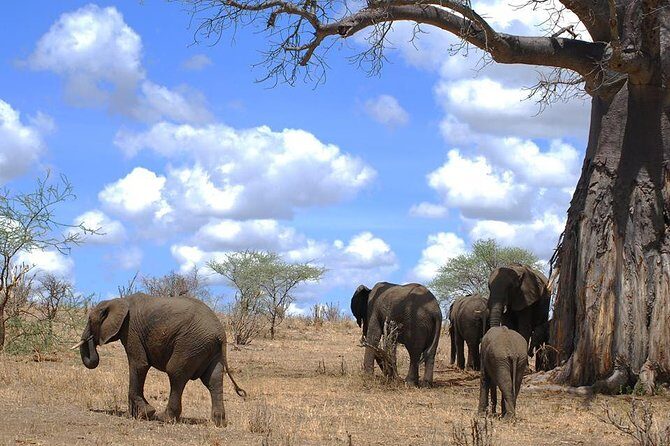
- Tarangire National Park: elephants, baobabs, and a roof-open bonus
- Why this day is smart at the start
- The one trade-off
- The Serengeti drive with Ngorongoro Conservation Area stops and the Olduvai option
- Olduvai Gorge: when a museum actually helps a safari
- Practical tip for your comfort
- Day 4 in Kogatende: where migration searching feels purposeful
- What you should watch for at Kogatende
- Day 5: patience on Mara River watch (and the best odds for action)
- The crossing moment: why it’s so emotionally intense
- A realistic expectation
- Day 6: back through Serengeti via a different route to keep your sightings alive
- Ngorongoro Crater on day 7: Big Five potential from a rim viewpoint
- The one practical note
- Price and value: is $4,428 per person money well spent?
- What’s included that reduces your add-ons
- What’s not included (the stuff that can add up)
- The real value driver: time in the right place
- What kind of traveler should choose this route?
- Should you book this Mara River Crossing safari?
- FAQ
- Is pickup offered for this safari?
- What vehicle is used on the safari?
- Which parks and areas are included?
- Are meals included?
- What costs are not included in the price?
- What time does the tour start, and where does it end?
- Is there a cancellation window?
Key points before you go
- Mara River focus for multiple days: you’re not doing a quick drive-by; you spend real time in the Kogatende area where the crossing build-up happens.
- Roof-open game drive in Tarangire: a simple touch that makes sightings easier to spot and photograph.
- Private 4×4 with a driver guide: you’re not stuck waiting around for a group rhythm.
- Big wildlife variety across three regions: elephants and baobabs (Tarangire), migration drama (Serengeti), and crater animals (Ngorongoro).
- Meals and drinks included for most days: soft drinks, coffee/tea, plus breakfast/lunch/dinner are covered on 6 days.
- Olduvai Gorge is optional but costs extra: plan ahead if you want the archaeology stop.
Why the Mara River crossing is the whole reason to book
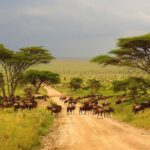
Let’s be honest: when people picture the Great Migration, they picture one thing—those tense moments where thousands of wildebeest surge toward a river that can literally take them out. This itinerary is designed for that exact storyline. By spending multiple days in the northern Serengeti (not just one), you give yourself more chances to see the herds gathering, moving, and attempting the crossing at the Mara River.
You’re also not traveling blind. The plan puts you in the Kogatende region for migration searches, with the Mara River described as the last big obstacle before the wildebeest reach the Masai Mara in Kenya. That matters because the animals’ behavior shifts when they’re close to the water. You’re not just looking for wildebeest in general—you’re watching for groups moving like they have a plan.
A few more Arusha tours and experiences worth a look
What you’re really buying: time + location
Wildlife safaris work on a simple rule: the longer you’re in the right place, the better your odds. This tour leans hard into that. It’s not trying to cram every famous site into a rushed whirlwind. Instead, it gives you time where the migration is likely to show its most dramatic side.
The main caution
Even with the best positioning, you can’t treat the crossing like a scheduled event. The herds move based on conditions, and predators and crocodiles are very much part of the ecosystem. Your best approach is to be flexible and stay patient during the drives—because the “action” in safaris often starts with watching for the setup.
Day 1 in Arusha: airport assistance and an easy first night
Your trip starts in Arusha, with assistance when you arrive at Kilimanjaro International Airport or Arusha Airport. After immigration, baggage claim, and customs, you transfer to Tulia Boutique Hotel.
This matters more than it sounds. Getting the airport steps handled smoothly means you can rest and reset. Also, an arrival night hotel is a nice buffer day in a safari schedule, where the next morning is usually when the long drives begin.
If you’re arriving from overseas, this first night helps you avoid the classic safari mistake: arriving tired, then trying to power through day one with low energy.
Tarangire National Park: elephants, baobabs, and a roof-open bonus
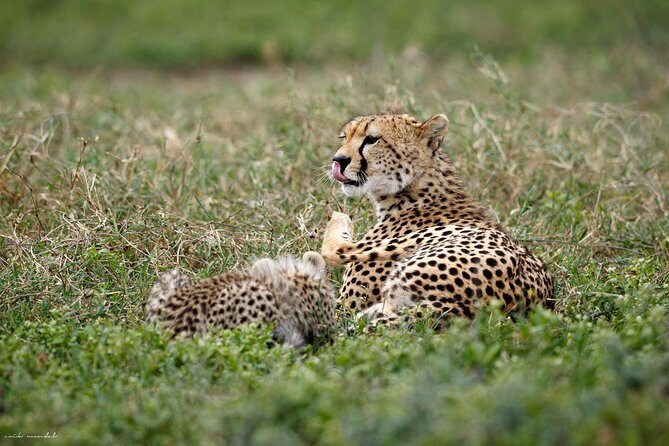
After breakfast, you’re picked up at 08:30 AM and drive about two hours to Tarangire National Park. Once you enter, your guide opens the roof for better viewing.
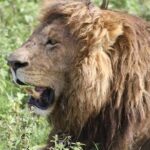
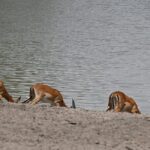
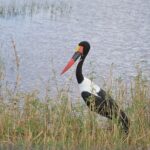
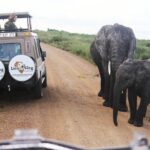
Tarangire is a strong early stop because it offers a different flavor of wildlife than the Serengeti. You can expect big elephant herds, plus giraffes, buffaloes, lions, zebras, wildebeest, and various antelopes and gazelles. The park also has that classic northern Tanzania feel: seasonal marshes and a savannah packed with mighty baobab trees.
Why this day is smart at the start
Starting in Tarangire gives you confidence fast. If your first safari day is full of animals, you’re more relaxed on later drives when the migration focus gets intense. It also warms up your safari instincts: reading the terrain, spotting movement, and learning how animals use open ground versus brush.
The one trade-off
Tarangire is a big place. You’ll likely spend hours on game drives, and the day is longer than it looks on paper (the plan lists about 6 hours). If you hate sitting in vehicles for long stretches, this is where you decide if you’re going to love safari logistics or tolerate them.
Overnight is at Marera Valley Lodge on a full-board basis, so you’re not scrambling for dinner plans after a long day.
The Serengeti drive with Ngorongoro Conservation Area stops and the Olduvai option
On day two, you head toward the Serengeti with an early start. Along the way, the route passes through mist-shrouded rainforests of the Ngorongoro Conservation Area. Depending on the day, you might spot cape buffalo, baboons, or even elephants and leopards in denser undergrowth.
The drive to the Serengeti gates is nearly four hours. You can also break it up with an optional add-on: Olduvai Gorge Museum. It’s about one hour on the plan, and admission is not included (USD 36 per person).
Olduvai Gorge: when a museum actually helps a safari
Olduvai is not just a random stop. It’s tied to human origins and archaeology, and it’s described as an onsite museum overlooking part of the gorge area. If you like your wildlife with context—who came before, what the land looked like over time—this is a worthwhile pause. If your brain is running on safari-only mode, you can also skip it and arrive fresh for the Serengeti.
Practical tip for your comfort
Road travel in Tanzania can be long and bumpy. Pack layers. Early mornings can be cool, and vehicles aren’t always climate-controlled. The tour does not list an air-conditioned vehicle as included, so dress for temperature swings and keep a light layer handy.
Day 4 in Kogatende: where migration searching feels purposeful
After breakfast, you drive across the plains of Togoro and through the Mbuzi Mawe kopjes (small hills) into the northern reaches of Serengeti. Kopjes are those rocky outcrops that act like wildlife magnets. They give predators sightlines and give prey places to hide, and they break up the open savannah into zones you can actually read.
The plan’s focus is the Kogatende region. You go out searching for both the migration and Big Five wildlife. That’s a useful blend. Even if you’re not seeing the crossing right away, you’re still looking for lion, leopard, and other classic encounters while the migration groups work their way toward the Mara River.
You’ll stay overnight at Heritage Mara Tented Camp on full-board basis.
What you should watch for at Kogatende
This is the “setup” stage for the river drama:
- migration groups moving in clusters rather than scattered lone animals
- more frequent animal gathering around the river corridor
- signs of impatience—herds bunching, changing direction, and reacting to crocodile or predator presence
This is also a good time to keep your eyes up for predators moving through kopje territory. Lions and leopards use the terrain, and your guide’s job here is to keep you pointed at the right micro-areas.
Day 5: patience on Mara River watch (and the best odds for action)
Day five is centered on the Kogatende game drive. After breakfast, you spend around 8 hours searching around the kopjes for carnivores and for migration groups preparing to cross the Mara River into Kenya.
The Mara River is presented as the last major obstacle. That framing is key: you’re not just watching a river. You’re watching the final checkpoint before the herds reach the Maasai Mara side.
Dinner and overnight happen inside the Serengeti depending on your accommodation choice, according to the options listed in the booking.
The crossing moment: why it’s so emotionally intense
Crossings are wild because multiple forces hit at once: the herd’s instinct, the water’s danger, and the presence of Nile crocodiles and hippos. Even when only a portion of the migration makes a move, the river can look like a living battlefield.
You should plan to sit quietly, then react fast when the animals shift. That’s where private guiding helps. When the group knows where to look, you’re not losing time guessing from vehicle to vehicle.
A realistic expectation
This itinerary improves your odds by staging you in the right zone for more than one day. Still, don’t go in expecting guaranteed death-defying footage on command. Instead, go in ready to be thrilled by the build-up: the suspense is part of the point.
Day 6: back through Serengeti via a different route to keep your sightings alive
After breakfast, you travel back toward Ngorongoro Conservation Area. The plan is to drive back through the Serengeti on a different route, which is a smart way to catch animals that were out of view earlier days.
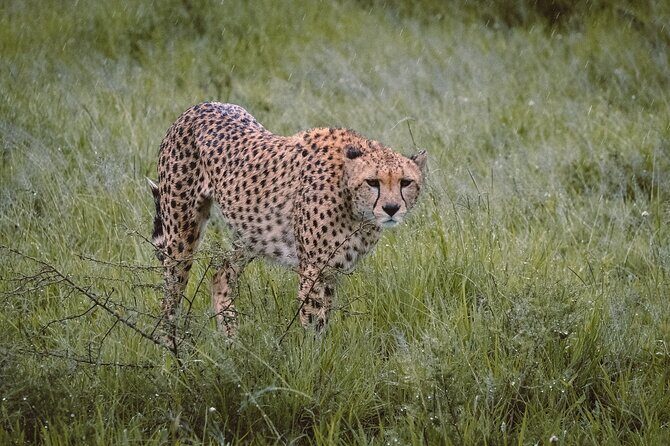
The day is described as full of herds—wildebeests and zebras together, giraffes moving through open ground, and gazelles and antelopes in pockets. You’ll also search for predators, including cheetahs and leopards, hyenas foraging, and lions—called the king of the day in the tour description.
This “different route” concept is where the safari starts feeling less like checklist travel and more like actual animal tracking. If you left the Serengeti without enough predator sightings, this is your second chance.
Ngorongoro Crater on day 7: Big Five potential from a rim viewpoint
Your last day starts early. Breakfast comes first, then you depart for Ngorongoro Crater at 07:00 AM. Ngorongoro is described as the Eighth Wonder of the World, and when you reach the panoramic viewpoint, you get that huge caldera view that people remember.
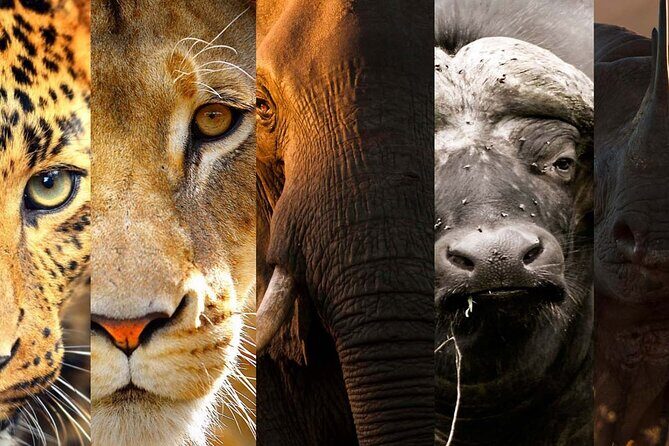
Inside the crater, you’re told you can find over 120 species of mammal, including Big Five. The tour also calls out two especially sought-after sightings:
- black rhinoceros
- hippos in the cool water
It also notes that Ngorongoro is one of the most requested safari destinations, which isn’t surprising. The crater concentrates wildlife into a smaller stage, and that can make spotting easier than in spread-out open plains.
Your plan lists admission included for this stop.
The one practical note
Because it’s early, bring what you need for chilly mornings. Mornings in highland crater areas can feel sharper than you expect. And when you’re in a viewpoint situation, it helps to have your camera ready before the big moment arrives.
Price and value: is $4,428 per person money well spent?
At $4,428.00 per person, this isn’t a budget safari. But it also isn’t priced like a random sampler tour either. Here’s what you’re getting that affects value:
What’s included that reduces your add-ons
The tour includes:
- 4×4 Toyota Land Cruiser
- Driver guide
- soft drinks, coffee/tea
- meals: lunch (6), dinner (6), breakfast (6)
- most park admissions listed as free (based on the plan)
- Ngorongoro Crater admission included
You’re also in a private tour/activity setup, so you’re not paying to share a vehicle with strangers.
What’s not included (the stuff that can add up)
Not included:
- travel and medical insurance
- air-conditioned vehicle
- international/domestic flights and visa costs
- tips for guide/hotel staff
- alcohol and laundry
- optional extras like Olduvai Gorge Museum fee (USD 36) and things like a Maasai visit or hot air balloon (not included)
That mix means the headline price is meaningful, but your true total depends on how you handle the non-included items. If you’re already planning to fly and already have insurance, you may feel better about the total. If not, you’ll want to estimate those costs early.
The real value driver: time in the right place
For migration safaris, time is the product. This itinerary spends multiple days in northern Serengeti rather than rushing the crossing area once and moving on. That tends to be where the “money well spent” feeling comes from, even when the crossing itself doesn’t happen exactly on day five.
What kind of traveler should choose this route?
This safari fits best if you:
- want the migration-focused experience rather than a generic wildlife tour
- enjoy long game drives and can be patient when wildlife doesn’t cooperate immediately
- like the idea of adding Tarangire and Ngorongoro for variety, not just wildebeest
It may feel less ideal if you:
- dislike road time
- need an agenda with guaranteed set-piece timing
- want luxury features like air-conditioning on every drive (not listed as included)
One more note from earlier experiences shared about the company: some past visitors highlighted guides for being strong at animal spotting and historical context, with one name brought up being Philemon. That kind of guiding matters on a route like this, where the difference between a good day and an amazing one is often knowing where to look next.
Should you book this Mara River Crossing safari?
Book it if you’re chasing the migration drama and you like the idea of being in the Mara crossing zone for more than one day. The pacing and location choices are what make this itinerary feel built for the moment—Tarangire to kick things off, Kogatende for migration searching, and Ngorongoro to cap the trip with crater wildlife.
Don’t book yet if you’re on a tight schedule or you need fixed timing and guaranteed sightings. Wildlife can be unpredictable, and the Mara crossing is the kind of event you can only give yourself more chances at, not control.
If you do book, plan smart: budget the Olduvai Museum option if you want it, bring layers for early mornings and vehicle rides, and keep your expectations tuned to the real safari rhythm—watch, wait, then celebrate when the herds finally move.
FAQ
Is pickup offered for this safari?
Yes. The plan includes pickup from your Arusha hotel for the drive to Tarangire, and it also includes airport assistance after arrival in Arusha.
What vehicle is used on the safari?
You’ll travel in a 4×4 Toyota Land Cruiser with a driver guide.
Which parks and areas are included?
You’ll spend time in Tarangire National Park, the northern Serengeti National Park (including the Kogatende area), and the Ngorongoro Conservation Area with a visit to Ngorongoro Crater.
Are meals included?
Yes. Soft drinks and coffee/tea are included, plus breakfast, lunch, and dinner are listed as included for 6 days.
What costs are not included in the price?
Not included are travel and medical insurance, flights, visa costs, tips, alcohol, and the Olduvai Gorge Museum fee (USD 36 per person). Optional activities like a Maasai visit and hot air balloon are also not included.
What time does the tour start, and where does it end?
The tour start time listed is 9:30 am, and it ends back at the meeting point.
Is there a cancellation window?
Yes. There is free cancellation up to 24 hours in advance for a full refund.