REVIEW · ARUSHA
4 Days Tarangire, Serengeti and Ngorongoro Crater Camping Safari
Book on Viator →Operated by Budget Safaris Tanzania · Bookable on Viator
Three parks in four days, done right.
I like how this route hits Tarangire elephants first, then swings you into Serengeti’s action, and ends with Ngorongoro Big Five country, all without making the day feel chopped up. The small-group feel and professional guiding add comfort when you are spending long hours on dirt roads and scanning for animals. The main drawback is the early starts and lots of driving time, so if you hate mornings, you’ll pay for it.
You’ll get picked up and dropped off by the team, plus drinking water and meals are handled through the trip. It also helps that the group is capped at 4 travelers, which keeps the safari pace calm instead of chaotic. Just note: even with a tight plan, wildlife is wildlife, so some days will feel like speed-chess and other days like waiting with style.
In This Review
- Key Points That Matter Before You Go
- Why This Tarangire–Serengeti–Ngorongoro Loop Makes Sense
- Airport Pickup, 7:00 am Starts, and the Pace You’ll Actually Feel
- Tarangire National Park: Elephants, Baobabs, and a Solid First Game Drive
- Serengeti from Naabi Gate: Migration Country and the Famous Bug Five
- Ngorongoro Crater Rim Night: The Setup for That Big-Bowl Wildlife Feeling
- Full Ngorongoro Crater Day: Big Five Odds and Picnic Lunch Timing
- Guides and Team Service: What the Strongest Reviews Point To
- Price and Value: What $1,100 Includes (and Why That Matters)
- What This Safari Is Best For (and When It’s Not)
- Practical Tips That Help You Enjoy Every Day
- Should You Book This 4-Day Safari Package?
- FAQ
- What time does the safari start?
- Is airport pickup and drop-off included?
- Which parks are included in the 4-day safari?
- How many travelers are in the group?
- What meals are included?
- Are park fees and admission tickets included?
- Is drinking water provided?
- What is not included in the price?
- Do I get a mobile ticket and confirmation?
Key Points That Matter Before You Go
- Small-group safari (max 4) for a calmer, easier rhythm in the jeeps
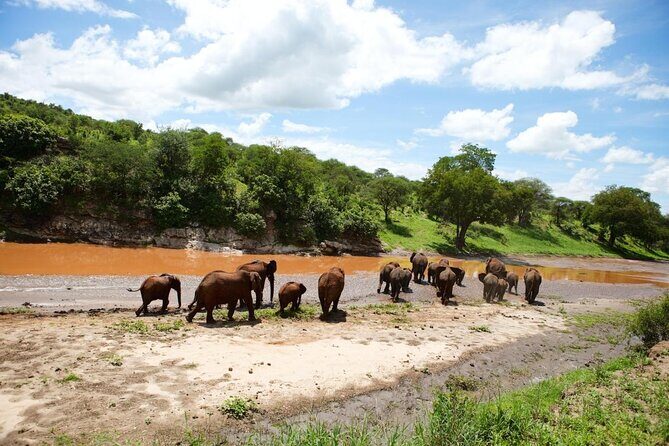
- Tarangire elephant country + baobabs right out of the gate
- Serengeti drives from Naabi Gate with full afternoon and evening time
- Sunrise game drive in Serengeti before moving to Ngorongoro
- Crater rim overnight setting you up for a full crater-floor day
- Park fees, water, and most meals included so you can budget without guesswork
Why This Tarangire–Serengeti–Ngorongoro Loop Makes Sense
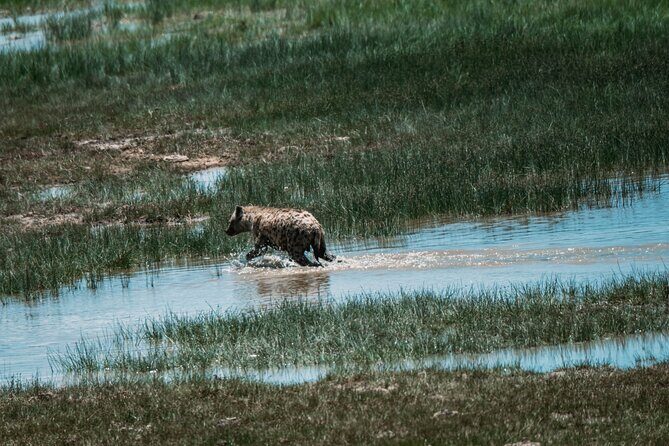
This is the kind of safari that feels efficient without feeling rushed. You’re not just collecting checkboxes. You’re moving from one ecosystem to the next: Tarangire’s elephant-heavy baobab plains, Serengeti’s vast migration habitat, and then Ngorongoro’s crater bowl where animals often seem to gather closer together.
I like that the plan is structured around time in the parks, not just time in transit. You get picnic lunch time inside the action zones, and you’re not always forced into long restaurant breaks. The trip also starts at 7:00 am, which means you’re out early enough to catch the best viewing hours before the day heat turns the animals into couch potatoes.
One more practical win: you’re traveling with a professional driver/guide and transportation included, so you’re not worrying about logistics while your eyes are busy. That matters, because on safari your brain is half biology class and half navigation. If you get easily stressed by that mix, this setup will feel like a relief.
A few more Arusha tours and experiences worth a look
Airport Pickup, 7:00 am Starts, and the Pace You’ll Actually Feel

You’ll start the safari at 7:00 am, with airport pickup and drop-off included. That’s a big deal in Tanzania, where one missed connection can turn a good plan into a slow one. With the pickup handled, you can show up, get briefed, and go—no frantic scrambling for rides.
The driving days are built around early departures and long sighting windows. Day 2 includes a drive of about 3–4.5 hours (238 km) from Arusha area toward Serengeti’s Naabi Gate, which means you’ll spend real time on the road before you get back into game-drive mode. On Day 3, you’ll do an early game drive in Serengeti, then head toward Ngorongoro for an overnight near the crater rim.
If you’re the type who likes a tight schedule, you’ll like this. If you prefer to wake up slowly, plan on feeling a bit like a morning person by force. The upside is that early time in the parks tends to be better for spotting animals and making the whole day feel worthwhile.
Tarangire National Park: Elephants, Baobabs, and a Solid First Game Drive
Day 1 begins with breakfast and a short stop in Arusha Town for last-minute purchases. Then you head into Tarangire for a game drive with a picnic lunch at the park. Tarangire is famous for huge elephant numbers and giant baobab trees, and it’s also linked to the annual migratory rhythm of animals across the region.
The numbers you’ll hear are impressive: up to 3,000 elephants and tens of thousands of other grazers across the larger cycle. Even if you do not count elephants like a wildlife accountant, you’ll feel the difference. Tarangire often delivers that classic safari look fast—wide open spaces, big trees, and herds moving with purpose.
I also like that the day is paced with dinner and an overnight at Fig Tree Lodge. That’s helpful because you get a real rest before Serengeti. After a first long drive and several hours scanning wildlife, you’ll be grateful for a bed that’s already lined up.
Possible drawback: Tarangire is great, but you still may feel like your first day is building toward the bigger drama. You’re setting the tone. If you want instant lion drama, you might have to wait until later days, depending on where wildlife is that day.
Serengeti from Naabi Gate: Migration Country and the Famous Bug Five
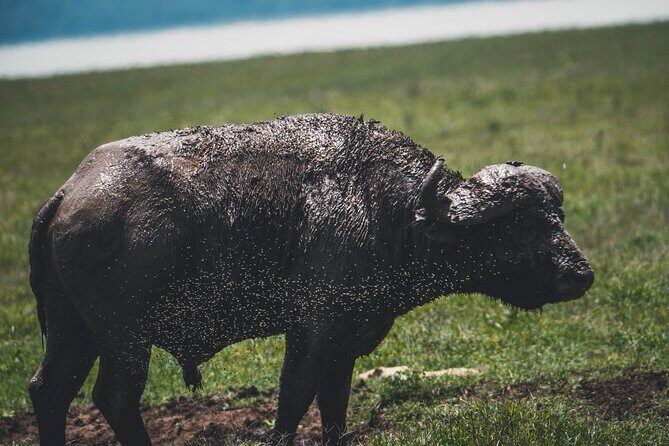
Serengeti is the day that turns the volume up. After breakfast, you head toward Naabi Gate for entry, and you’ll enjoy a picnic lunch at Naabi Picnic Site before going into the park for afternoon and evening game drives.
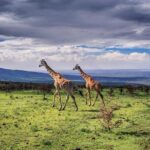
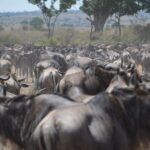
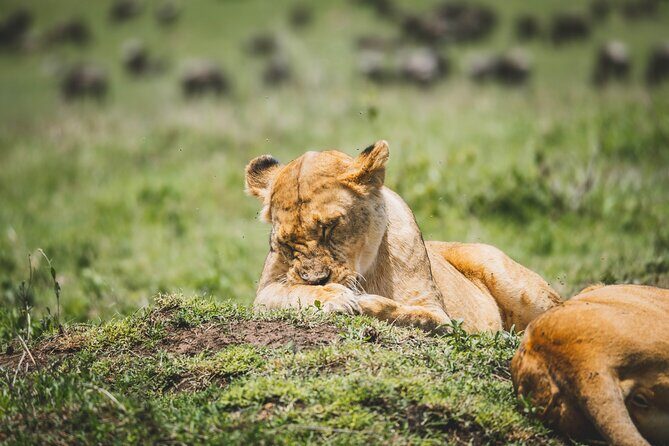
This is where you get the headline acts: the Great Wildebeest Migration country, plus the chance to see the animals often grouped as the famous Bug Five: lions, rhinos, elephants, buffalo, and leopards. Even if you don’t check off all five in one day, Serengeti gives you multiple categories of “yes,” like hippos, Thompson gazelles, and Kori bustards.
One useful thing: Serengeti is full of terrain features like kopjes—rocky outcrops where predators and prey often make appearances. When your driver/guide points them out, you start understanding why animals choose certain spots. It’s not random. It’s shade, sightlines, and survival.
Another practical note: Day 2 is built for strong viewing time, but it is still part of a longer travel rhythm. You’ll probably feel the day in your legs from sitting and scanning for hours. Bring eye protection and give yourself small breaks when the jeep stops.
Ngorongoro Crater Rim Night: The Setup for That Big-Bowl Wildlife Feeling
After your early morning game drive in Serengeti and an early lunch, you head toward Ngorongoro. The route is handled by your professional driver/guide, and you should expect conversation along the way—wildlife and natural beauty facts shared enroute help keep the drive from feeling like dead time.
You’ll spend the night on the crater rim, which matters more than it sounds. Being on the rim helps your morning start for the crater floor, and it also reduces stress about timing. On safari, timing is everything. You want to be in position when animals are active.
The crater rim overnight also gives you a different feel from the open plains of Serengeti. In Ngorongoro, the setting encourages a “watch from multiple angles” strategy. Predators and prey can be closer together, and your spotting becomes more about noticing movement between clear focal points.
I like that the trip doesn’t just rush you down to the crater floor and call it a day. It gives you the chance to settle in and then do the full crater visit the next day with better energy.
A few more Arusha tours and experiences worth a look


Full Ngorongoro Crater Day: Big Five Odds and Picnic Lunch Timing

Day 4 is when you get the full crater-floor experience. After breakfast, you head directly to Ngorongoro Crater for a full day game drive and crater tour. Picnic lunches are included during the day, which keeps you from losing wildlife time to restaurant hunting.
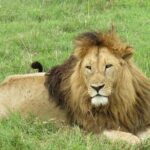
Ngorongoro is often treated like the shortcut for seeing the Big Five. The reason is simple: the crater environment can concentrate animals into a smaller area than you get in wider-open parks. In other words, your odds can improve because you’re working within a natural bowl that funnels life into predictable patterns.
You’ll want to sit back and watch for slow drama—herds moving, small groups splitting, predators waiting on the edge of visibility. The jeep stops matter here. Your driver/guide’s job is to position you where you have a safe line of sight and enough time to actually watch the scene unfold.
Also, remember you are doing another long push back to Arusha town in the evening after the crater day. This is not the kind of tour where you go straight from safari to a leisurely dinner. It’s more like: you do the crater, then you roll back toward the city while your body slowly catches up with how much you just did.
Guides and Team Service: What the Strongest Reviews Point To

The “experience” part of safari isn’t only about the parks. It’s also the people who keep everything running: pickup, timing, permit handling, driving smoothness, and the way wildlife knowledge is explained.
In past feedback tied to this operator, coordinators like Noel and Gilbert have been praised for keeping guests informed and making sure the trip stays organized from airport pickup to drop-off. Guides have also been singled out, including Said for driving and animal knowledge, and Elly for being informative and helpful with closer viewing opportunities.
One review even highlighted how the team reacted when illness came up—showing that the operation can adapt when reality interrupts the plan. That’s not something you can test before you book, but it’s reassuring when you see it reflected consistently.
Bottom line for you: if you care about smooth communication and solid guiding, this package is built for that. Small-group size helps here too; it’s easier for a guide to respond quickly when you are not competing with a dozen other jeeps.
Price and Value: What $1,100 Includes (and Why That Matters)
At $1,100 per person for about four days, the big question is value. The strong answer is that you’re not paying separately for most of the core safari costs.
Park fees are included, and drinking water is provided on all days. Meals are also included across the trip: 4 breakfasts, 3 dinners, and 4 lunches. That means your budget isn’t getting hit by constant snack runs or restaurant stops between parks.
On top of that, airport pickup and drop-off are included, along with all transportation and a professional driver/guide. In safari pricing, those “hidden” costs add up fast if you book everything separately. Here, the package is doing the work for you.
There’s one more nuance: admission is marked as free on Day 1 and Day 2, and included on Days 3 and 4. Either way, the practical result is the same for you—you’re covered for park access rather than scrambling last minute.
Not included items are typical: tips for driver/guide and safari cook, international flights, travel insurance, and visas. If you already have flights and insurance sorted, the $1,100 price can feel more straightforward. If not, make sure you add those items to your real trip budget.
What This Safari Is Best For (and When It’s Not)
This is a good fit if you want a classic Tanzania sweep: elephants first, migration-and-predators day in Serengeti, then Ngorongoro for crater concentration and Big Five odds. The small group (max 4) is also great if you want a quieter, more personal safari vibe.
It’s also a solid choice for travelers who value organization. With pickup, meals, park fees, and transport included, you can focus on spotting animals instead of planning logistics under pressure.
Where you need to think twice: if you hate early mornings or long days in a vehicle, this tour will feel demanding. The schedule is built around sunrise/early game drives and maximizing time in the parks, so you’ll trade sleep for sightings. Also, no safari can guarantee specific animals on specific days. Ngorongoro can improve odds, but it’s still Africa.
One final note: service animals are allowed, and the tour indicates most travelers can participate. If you have specific needs, it’s worth asking questions before booking so the team can confirm what will work for you.
Practical Tips That Help You Enjoy Every Day
You’ll be sitting for hours, so comfort matters. Bring a hat and sunglasses, and keep water handy even though drinking water is provided. If you wear layers, you’ll thank yourself as temperatures shift between mornings and afternoons.
Also, for the photography side: keep your camera ready but don’t rush. Many of the best sightings are the ones you notice slowly—animals stepping into the open, birds reacting to movement, or a predator shifting position after you finally see the shape.
Lastly, be ready for the rhythm of picnic lunches. That’s usually a benefit on safari because you stay closer to the animals, but it also means you’ll eat outdoors and then get back to scanning. If you like coffee breaks and long sit-down meals, you’ll need to adjust expectations.
Should You Book This 4-Day Safari Package?
If you want a well-timed Tanzania safari that covers Tarangire, Serengeti, and Ngorongoro without stacking extra logistics on your plate, I’d say yes—especially because park fees, meals, water, and airport transfers are included and the group stays small.
Book this if you value:
- strong park time with picnic lunches inside the action
- an efficient route that still gives you a crater-floor day
- professional driving and guidance (with a team that has been praised for organization and support)
Skip it or consider alternatives if:
- you have a hard time with early starts and long drive days
- you’re looking for a fully hands-off luxury experience every hour of the day
FAQ
What time does the safari start?
The start time is 7:00 am.
Is airport pickup and drop-off included?
Yes. Airport pickup and drop-off are included.
Which parks are included in the 4-day safari?
You’ll visit Tarangire National Park, Serengeti National Park, and Ngorongoro Crater.
How many travelers are in the group?
The safari has a maximum of 4 travelers.
What meals are included?
Meals included are 4 breakfasts, 4 lunches, and 3 dinners.
Are park fees and admission tickets included?
Yes. Park fees are included, and admission is listed as included/free depending on the day.
Is drinking water provided?
Yes. Drinking water is provided on all days.
What is not included in the price?
Not included are travel insurance, international flights, tips for the driver guide and safari cook, and visas.
Do I get a mobile ticket and confirmation?
Yes. The tour includes a mobile ticket, and you receive confirmation at the time of booking.