REVIEW · ARUSHA
7-Day Tanzania Private Guide Motorcycle Safari Tour
Book on Viator →Operated by Motorbike Safari Tanzania · Bookable on Viator
Motorbikes in Tanzania turn long days into real stories. This 7-day private ride is built for off-road scenery and local culture, not just the postcard stops.
I like two things most: the route keeps you moving across dirt, gravel, and sand so the country feels close up, and the crew’s on-the-road problem solving makes the trip feel steady even when the terrain gets spicy. Alpha and the team are set up to keep your days running with clear guidance and support.
One drawback to plan for: you’re on the bike most of the time. If you’re not comfortable with dust, sharp turns, and long riding days, this may feel like hard work rather than a relaxed tour.
In This Review
- Key Highlights Worth Planning For
- Why This Tanzania Motorcycle Safari Feels Different in Your Boots
- Price and What You’re Actually Paying For at $2,600 Per Person
- Where You Start in Arusha and How the Tour Runs Day to Day
- Day 1: Lake Chala and the Crocodile Story You’ll Remember
- Day 2: Pare Mountains, Lake Jipe, and the “Gateway” Feel Toward Mkomazi
- Day 3: Eastern Pare to Usambara Zigzags Above 2,300 Meters
- Day 4: Lake Manyara and Tarangire–Manyara Ecosystem Connections
- Day 5: Tarangire’s Loose Gravels, Maasai Coexistence, and Migration Corridors
- Day 6: Lake Natron to Lake Eyasi, With a Hadza Meeting That’s About Daily Life
- Day 7: Monduli Hardcore or an Easier Line, Ending With Arusha and Your Shower
- Bikes, Support, and Safety: How to Read the Trip Before You Commit
- Should You Book This Private 7-Day Bike Safari?
- FAQ
- What’s the tour price and how long is it?
- Where does the tour start and when do we ride?
- Is pickup included?
- What meals and gear are included?
- What’s not included in the price?
- Is this tour private or shared with others?
Key Highlights Worth Planning For
- A true private safari flow from Arusha at 7:00 am
- Lake Chala’s crocodile history, including why it’s safer to swim now
- Pare and Usambara Mountain roads with serious turns and altitude views
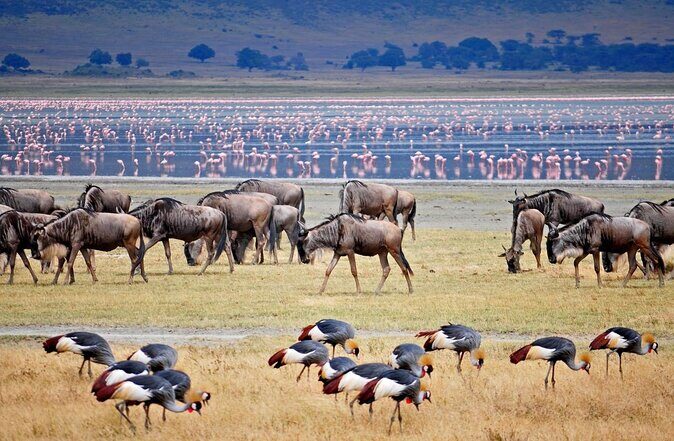
- Mkomazi and the forest-edge feel you rarely get on easy routes
- Lake Eyasi / Hadza cultural meeting tied to daily life
- Well-maintained bikes with technical support in the mix
Why This Tanzania Motorcycle Safari Feels Different in Your Boots
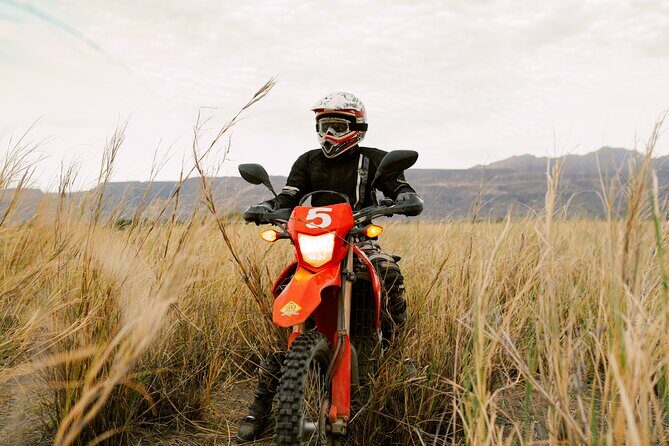
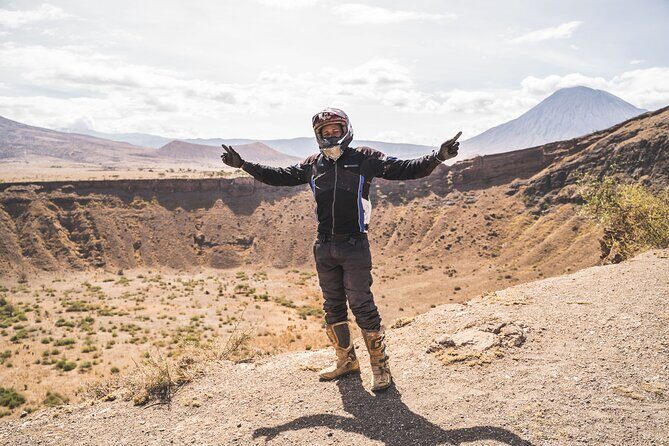
Tanzania by motorcycle is not the same as Tanzania by car. On a bike, you feel the road—every rut, every change in surface, every heat shift as you climb and drop. That physical connection is exactly why this kind of private motorcycle safari works so well for riders who want the country to feel personal.
The bigger win is variety. You’re not just bouncing from lodge to lodge; you’re rolling through mountain foothills, savannah trails, and Rift Valley edges where you can watch life happening—Maasai herds, small villages, and wildlife corridors.
The practical note: you’ll get the best experience if you’re the kind of rider who likes to ride, not just to arrive. If your travel style is about quiet sightseeing stops, you may want a lighter route or shorter day options.
You can also read our reviews of more guided tours in Arusha
Price and What You’re Actually Paying For at $2,600 Per Person
$2,600 per person for seven days sounds like a serious chunk of money, and it should. What makes it feel more reasonable is what’s included: all meals (7 breakfasts, 7 lunches, 7 dinners), a safari briefing on arrival, and safety gear. Add in that it’s private—your group only—and the time on the road becomes part of the value, not a bonus.
What’s not included matters too. You’ll still handle flights and VISA, medical insurance, personal items, and drinks or meals beyond bottled water. And yes, you’ll likely want to budget for a tip/gratitude for the guide and crew since it’s not listed as included.
So the value question becomes simple: do you want a guided, supported, multi-region ride that covers a lot of ground with meals and safety gear taken care of? If yes, this price is easier to justify.
Where You Start in Arusha and How the Tour Runs Day to Day
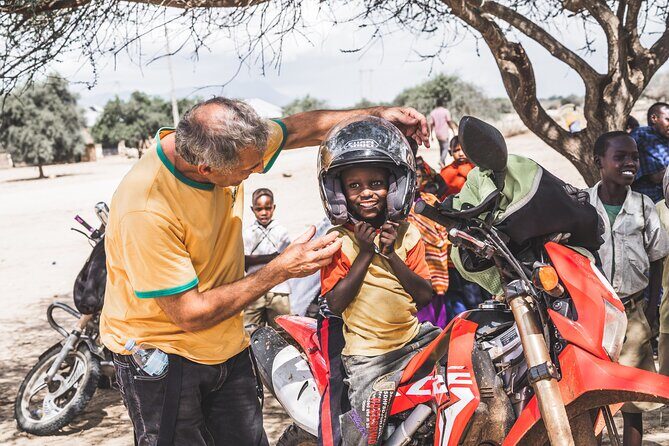
You’ll meet at Mount Meru Hotel on the Arusha–Taveta Road (Sekei Area) with a 7:00 am start time. That early push matters because it helps you get daylight for riding and keeps the days from stretching too late.
This is a private tour, so you’re not sharing the experience with strangers. That usually means fewer surprises about pace, comfort stops, and how you handle road conditions.
Expect a ride-heavy schedule. The day lengths listed are long, and the route mixes quick transfers with slower off-road segments. If you’re choosing this, pack your patience along with your gloves.
Day 1: Lake Chala and the Crocodile Story You’ll Remember
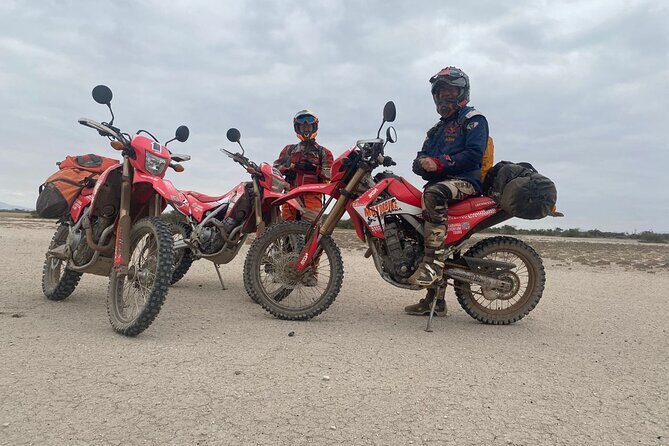
Day one starts with Lake Chala, and it comes with a memorable fact pattern. Crocodiles were introduced there in the 1930s, tied to a British explorer legend—E.S. Grogan, known for walking from Cape Town to Cairo in 1898. The story goes further: the terrain was considered unsuitable for breeding, and by the early 1990s fishermen began a program to eradicate crocodiles because nets kept getting destroyed.
Today, the practical result is important for your plans. There are no longer crocodiles left in Lake Chala, so it’s considered safe for swimming—but you should still be careful like you would anywhere in Africa. That mix of legend plus on-the-ground reality is exactly what makes a stop like this feel more authentic than a quick photo break.
You’ll likely love this day if you want a soft landing—scenery first, and a clear sense of why the lake is special.
Day 2: Pare Mountains, Lake Jipe, and the “Gateway” Feel Toward Mkomazi
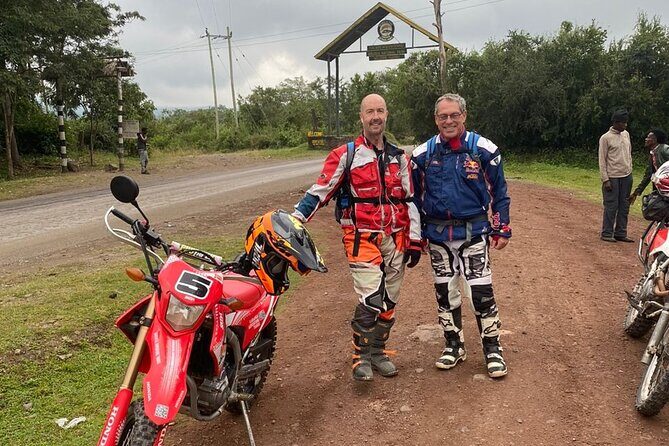
After breakfast, you ride south along curved, easy dirt roads toward the Pare Mountains. You’ll stop for lunch, then move onto dirt roads that connect you to the Transboundary Lake Jipe area before heading uphill toward the Pare ranges.
This day is described as a trial for what comes next. That’s good news. It gives you time to feel the rhythm of off-road riding—how the bike handles on dirt, how your body settles into the long hours, and how the crew times breaks.
You’ll end up at a lodge area around Same, positioned with spectacular views of the South Pare Mountains. That “gateway” location matters because it sets you up for the next day’s more intense riding through the forest-edge and savannah zones linked to Mkomazi National Park, the South Pare Mountains, and Shengena Forest.
If you’re new to this style of safari, treat day two as your warm-up. Get comfortable, drink water, and let your hands and shoulders adapt.
You can also read our reviews of more private tours in Arusha
Day 3: Eastern Pare to Usambara Zigzags Above 2,300 Meters
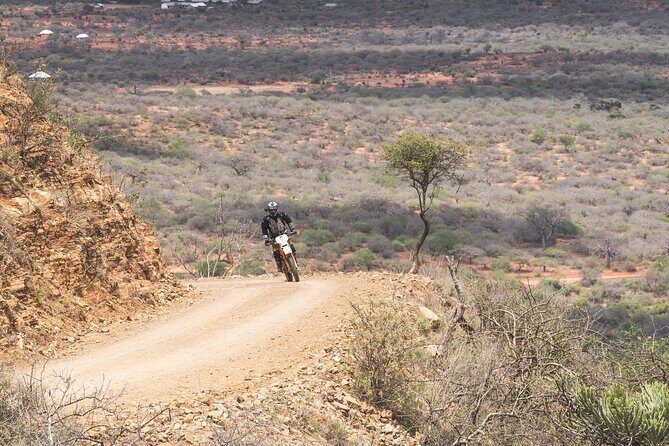
Day three leans into pure riding. The route moves through the eastern Pare Mountains on dirt-only roads, aiming for places like Lake Kalimawe and then pushing onward toward the Usambara Mountains.
You’ll ride a long mix of sandy, hilly, and stony trails, with a segment listed around 190 km and about 7 hours on the trail. This is the kind of day where your technique matters more than your speed. Expect traction changes, bumps that appear without warning, and the mental focus that comes with reading the road.
Lake Kalimawe adds a culture-and-farming layer. It’s surrounded by rice plantations and small villages, so you’re not just seeing “nature,” you’re seeing people shaping the land in real time.
Then comes the iconic climbing moment: the zigzag road up the Usambara Mountains at Mtae (Mambo village) over 2,300 meters. Altitude views can be sharp and clear here, and the air shift makes a difference in how the ride feels—less heavy, more crisp, and often more dramatic from the mountain routes.
If your favorite travel moments are the “between places”—the ridgelines and switchbacks—this is your day.
Day 4: Lake Manyara and Tarangire–Manyara Ecosystem Connections
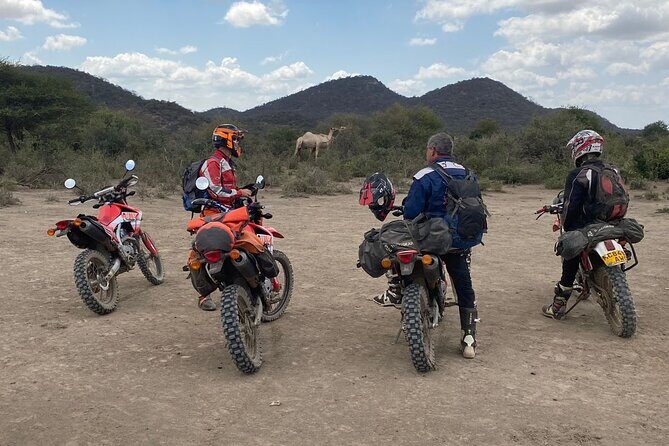
Day four shifts into a classic East African safari region with a different angle: the route sets you up to experience the Tarangire and Manyara ecosystem link rather than treating each park as a standalone stop.
You’ll spend time around Maramboi Tented Camp, which is described as having permanent camp facilities and views over rolling golden grasslands and palm-lined areas between Tarangire and Manyara. The emphasis here isn’t only wildlife—it’s also the Rift Valley story, including explanations of Africa’s bigger geological picture and how it shapes the places you ride through.
This kind of guided context is useful for two reasons. First, it helps you connect what you’re seeing—dry edges, rocky ground, and seasonal changes—to why the region works the way it does. Second, it turns park time into learning time, without slowing the trip too much.
The main drawback for some riders: day four is less “technical riding time” than the dirt-heavy climb days, so if you’re chasing maximum throttle hours, you may wish the off-road was even longer.
Day 5: Tarangire’s Loose Gravels, Maasai Coexistence, and Migration Corridors
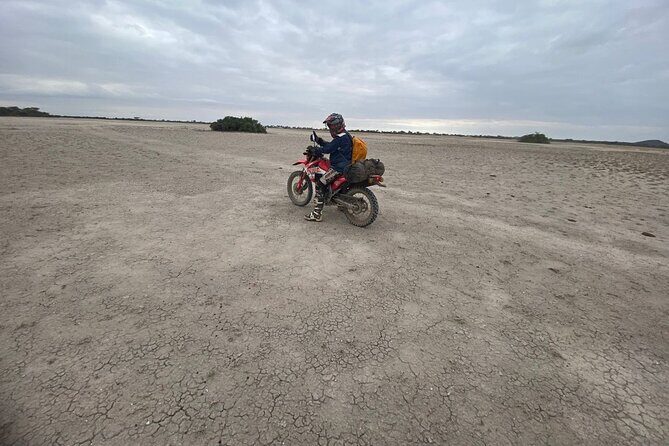
Day five is a big riding day on loose gravels, with about 275 km of that kind of surface and the last 50 km on tarmac. That mix is exactly what keeps this safari from feeling one-note. Gravels demand attention; tarmac gives your arms a breather while you still cover distance.
You’ll ride through semi-arid savannah where wildlife and Maasai peoples live together. That co-existence changes how you experience the area: fences are less absolute, and the “road” becomes a shared path between grazing life and human communities.
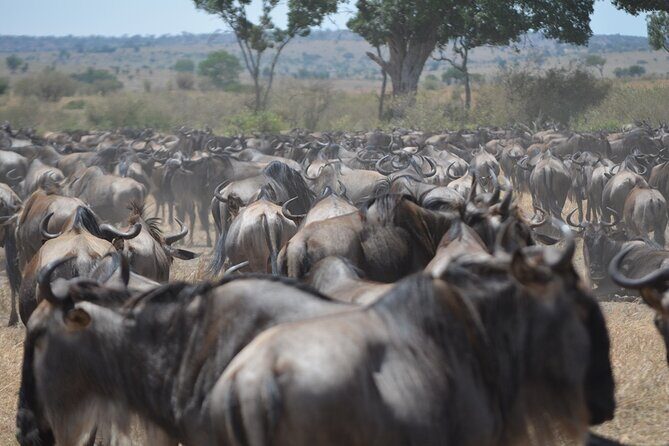
The ride is also aimed at the migratory corridor tied to Tarangire wildlife. You might not see everything on a single day, but you are traveling through the zone where animals move for a reason. When that corridor energy lines up with timing and weather, the payoff can be intense.
If you want a balanced day—safari feel plus a workout on the bike—this is it.
Day 6: Lake Natron to Lake Eyasi, With a Hadza Meeting That’s About Daily Life
Day six is built around two very different kinds of Tanzania experience: Rift Valley riding and a human encounter tied to livelihoods.
The ride includes tarmac, hilly trails, loose gravels, and sand—about 140 km over roughly 6 hours—moving from the Rift Valley escarpment toward the Hadza community. The road is rocky and hilly, with changes in altitude and vegetation as you travel down toward Magara village adjacent to Manyara National Park.
From there, you break for a packed lunch, then you ride toward Lake Eyasi for the Hadza meeting. The goal isn’t a staged performance; it’s described as meeting the hunters and gatherers and going out to hunt with them on their grounds. After that, you ride back to camp where cold drinks and food await.
A note you should take seriously: this is an activity that involves cultural interaction, so be ready to act respectfully and follow your guide’s instructions. That mindset is part of getting something meaningful from the day.
If you want a safari that includes people—not just animals—this day is a highlight.
Day 7: Monduli Hardcore or an Easier Line, Ending With Arusha and Your Shower
Your final ride day gives you choices. You can take a hardcore route via Monduli or an easier route depending on timing and your comfort level.
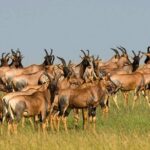
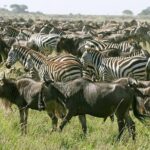
Either way, you’ll ride through rolling country with scrub and scattered thorn trees. You may see Maasai herding cows and goats, and there’s also a chance to spot antelope and zebra, with predators only if luck lines up.
The road type here includes loose gravel and a little sand for fun, followed by a well-maintained dirt road into Longido village. From Longido, you transition to tarmac and ride back toward Arusha.
You’re aiming to arrive early before evening, which gives you something many riders forget to ask for: time to reset. You’ll get a shower and then be transported to the airport if you have an evening flight, or to reserved accommodation if you don’t.
If you hate feeling rushed at the end of trips, arriving early is a real quality-of-life win.
Bikes, Support, and Safety: How to Read the Trip Before You Commit
This safari is designed for riders of all levels, but that line should be translated into real advice: “all levels” usually means the route is guided and managed with support, not that every road is identical in difficulty.
What you can count on from the included info is safety gear and a safari briefing on arrival. From rider feedback, the bikes are also described as well maintained, with one example being a Honda CRF300. The important part for your planning: these are working bikes for dirt, not show bikes.
Support is another big deal. Riders describe a crew that can solve problems and provide technical help when needed. That’s not just comfort—it’s confidence. When you’re miles from a pavement fix, having competent on-the-ground support changes how you ride.
My practical tip: bring realistic expectations about dust. Even when the day is exciting, dust gets into everything—glasses, vents, and your clothes. Plan for it so you don’t end the safari feeling miserable.
Should You Book This Private 7-Day Bike Safari?
Book it if you want a private, supported motorcycle safari that mixes Rift Valley scenery, off-road riding, and real cultural contact. The route is built for movement—mountain days, park days, and village days—and the inclusion of all meals and safety gear makes the logistics feel simpler.
Don’t book it if you’re looking for a calm, mostly-paved, minimal-effort trip. This is a riding-focused experience, and the long day lengths plus dirt and gravel mean you’ll work for the views.
If you’re deciding, I’d lean toward booking when you fit two conditions: you can ride comfortably for long hours, and you enjoy the road itself as much as the destinations.
FAQ
What’s the tour price and how long is it?
The 7-day private motorcycle safari costs $2,600.00 per person and runs for 7 days (approx.).
Where does the tour start and when do we ride?
The meeting point is Mount Meru Hotel on the Arusha–Taveta Road in the Sekei Area. Start time is 7:00 am.
Is pickup included?
Yes. Pickup is offered.
What meals and gear are included?
You get safari briefing on arrival, safety gears, and breakfast (7), lunch (7), and dinner (7).
What’s not included in the price?
Not included are flights and VISA, medical insurance, personal items, extra meals and drinks not bottled water, and tip/gratitude for the guide.
Is this tour private or shared with others?
This is a private tour/activity, so only your group will participate.