REVIEW · ARUSHA
7-Day North Tanzania Classic Safari
Book on Viator →Operated by I Dream of Africa Safari · Bookable on Viator
Elephants close to camp make the day feel real fast. This classic 7-day North Tanzania safari strings together Tarangire, Lake Manyara, Serengeti, and Ngorongoro Crater with private guiding, park entry tickets, and smooth pickup from Kilimanjaro/Arusha.
What I like most is the way the trip is paced to help you actually see things: early starts, long game drives, and a guide who can spot animals from far out and position the day around where wildlife is moving. A second big win is logistics: you get Arusha Airport or Kilimanjaro Airport transfers plus six breakfasts, six lunches, and six dinners included, so you’re not constantly juggling schedules.
One consideration: the roads can be rough. Expect long drives over sandy, bumpy stretches (especially on Serengeti days and the crater approach), so you’ll want a moderate fitness level and patience when the Land Rover rides like a drum. Wildlife sightings can’t be guaranteed, even though the odds are often excellent.
In This Review
- Key things that make this safari work
- First day: landing at Kilimanjaro and getting your bearings in Arusha
- Tarangire National Park: elephants, riverbeds, and the Larmaku Swamp feel
- Lake Manyara: full-day game drive with flamingoes and possible tree lions
- Serengeti via Ngorongoro Conservation Area: crater views plus river-country driving
- Serengeti Hippo Pool day: river-edge drama and crocodile-size detail
- Ngorongoro Crater day: Olduvai and a Maasai Boma before the descent
- Day seven: returning to Arusha or Kilimanjaro Airport with time to breathe
- What the price covers—and why it can still feel like a good deal
- The guide factor: why Christopher’s name keeps showing up
- Best fit: who this North Tanzania classic safari suits
- Should you book this 7-day North Tanzania classic?
- FAQ
- Where does the tour start?
- How long is the safari?
- What’s included in the price?
- Is pickup included?
- Does the tour include park entry tickets?
- Which parks and areas are visited?
- Are international flights included?
- Is tipping included?
- Is this a private tour?
- What is the cancellation refund timing?
Key things that make this safari work
- Private tour for your group: no mixing with strangers, so your guide can adjust timing to your pace.
- Park-entry tickets included: you’re not doing paperwork at the gate every day.
- Wildlife-first guiding: feedback highlights guides like Christopher (often called Chris) spotting animals from long distance and reading animal movement.
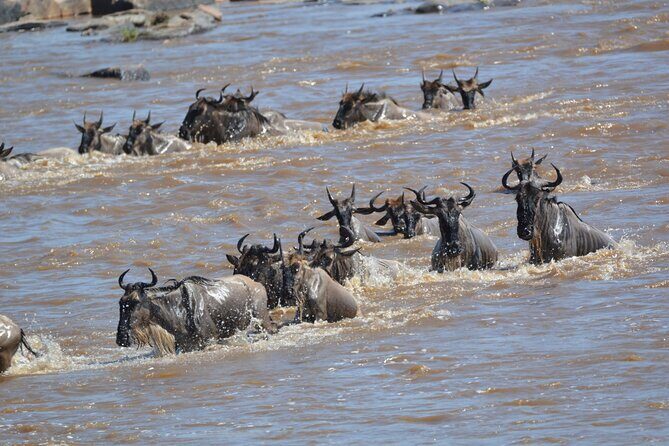
- Serengeti river action: multiple days built around river corridors where crossings and predators can show up.
- Ngorongoro Crater in one big day: descent plus crater game drive, with Olduvai Gorge and a Maasai Boma en route.
- Meals are handled: six breakfasts, six lunches, and six dinners are included, which makes a huge difference in comfort.
First day: landing at Kilimanjaro and getting your bearings in Arusha
Your safari begins when you land. A guide meets you at Kilimanjaro International Airport, then drives you to Arusha for your first overnight—about 45 to 60 minutes. You get a quick intro to how the week will run, and if your arrival timing or preferences shift, your guide adjusts the plan for the rest of the day.
That first-day structure matters more than it sounds. If you land late or tired, you don’t want a big “welcome meeting” that eats your energy. Here, the emphasis is on getting you settled, letting you rest, and keeping momentum.
Also, because this is a private experience, the transfer feels like part of the safari instead of an awkward airport detour. The meeting point is Arusha Airport, and the tour includes pickup offered, so you’re not left guessing what happens next.
A few more Arusha tours and experiences worth a look
Tarangire National Park: elephants, riverbeds, and the Larmaku Swamp feel
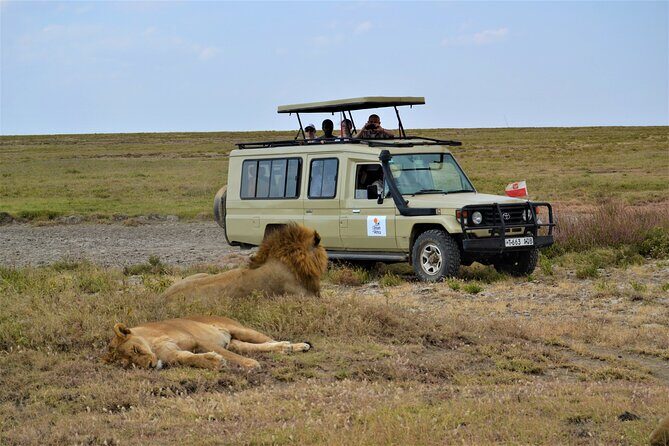
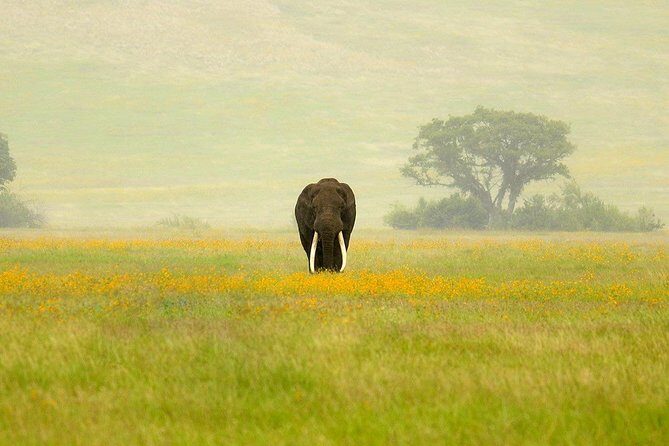
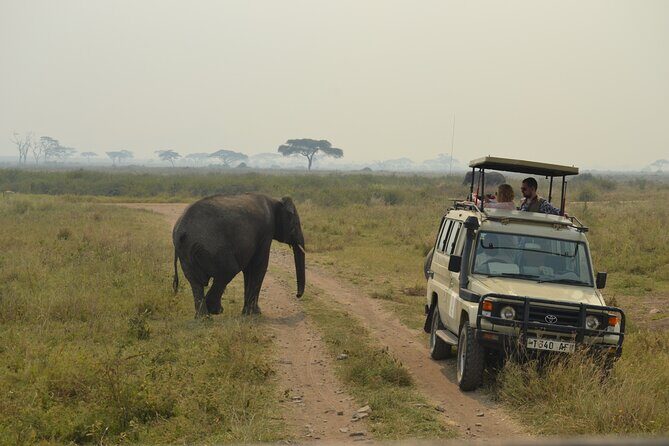
Day two is built around Tarangire National Park, and it’s the kind of park that can spoil you early. After pickup from your lodge, you drive into Tarangire for a game drive where elephants can appear surprisingly close—sometimes near the dry bedding of the river near the campsite area.
Then you shift to a second highlight: Larmaku Swamp. This is a large swamp area where animals come to cool off and shelter from the sun under the shade of acacia trees. The practical takeaway is simple: swamp and river habitats concentrate wildlife. You’re not just “hoping for animals,” you’re moving through the kinds of places where animals gather.
The odds here are explicitly high. The trip description notes about a 99.9% chance of seeing large herds of elephants in this park, while still reminding you that no one can guarantee wildlife every moment. Still, when a route is that specific, it usually means the timing and locations are chosen carefully.
Logistics-wise, Arusha to Tarangire is about 170 km (around 3 hours). In the afternoon you continue to Karatu—about 140 km (around 2 hours)—which sets you up for the next park day.
Lake Manyara: full-day game drive with flamingoes and possible tree lions
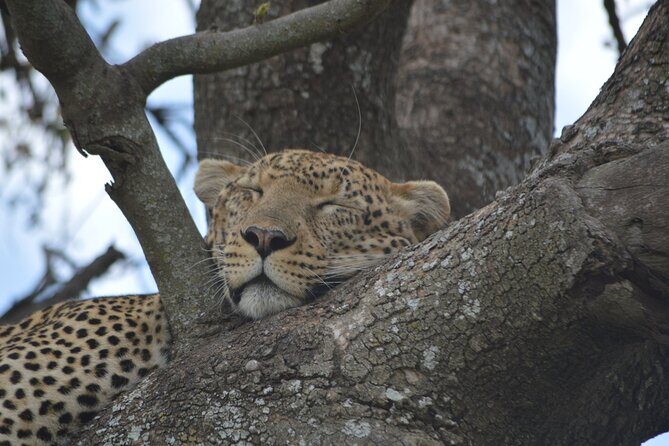
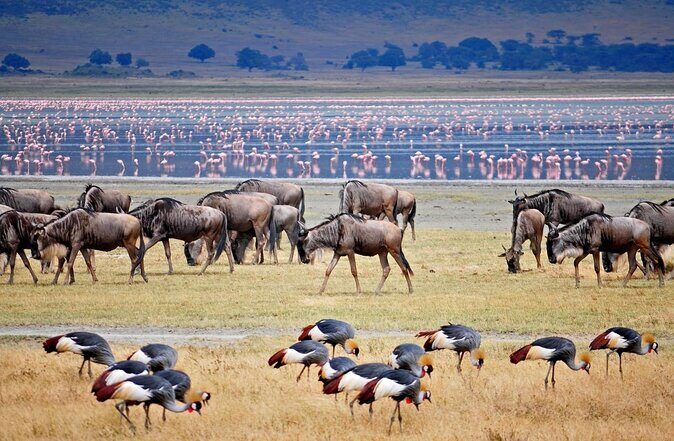
After breakfast, you’re off with lunch boxes to Lake Manyara National Park for a full-day game drive. Manyara has a special rhythm: views over the lake, animals working their way toward water, and that classic mix of open areas with trees where you can sometimes spot lions in unexpected places.
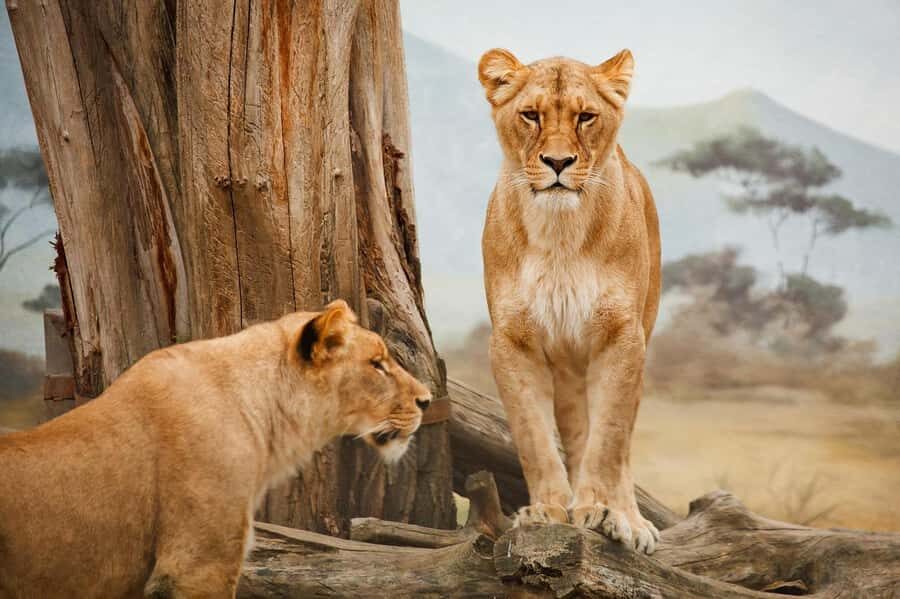
The day is described as a chance to see a lake view with flamingoes, and to hope for lions nearby. Manyara is also known in this description for the possibility of the famous Manyara lions spotted in the trees. If you like wildlife scenes that feel less cookie-cutter than Serengeti, this is where you get that.
You’re also spending real time in the park, not just doing a quick loop. The route notes 40 minutes on a paved road and a total park distance of about 40 km, so you can take your time at the viewpoints and animal stops without feeling rushed.
One small drawback: because it’s a full day, you’ll want to be ready for long sitting. The reward is that Manyara is the kind of place where the good moments tend to come from patient scanning—waiting for the animal to move, not just photographing it standing still.
Serengeti via Ngorongoro Conservation Area: crater views plus river-country driving
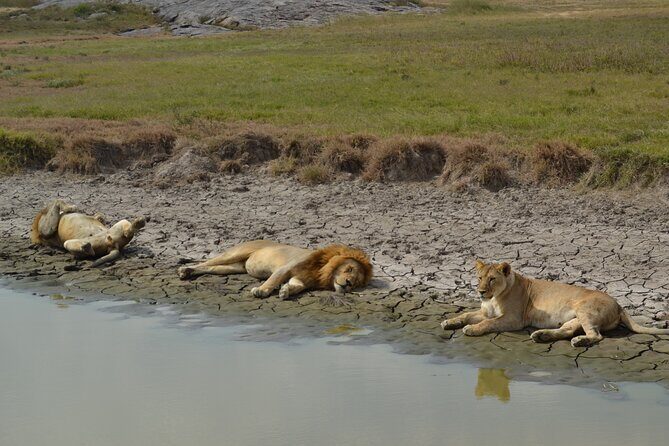
Day four turns “classic” into “big.” You drive toward Serengeti National Park via the Ngorongoro Conservation Area, including panoramic views over the crater far below. This is one of the days where the scenery between parks helps you feel like you’re in Tanzania, not just passing through it.
Then you drop into the main safari zone. The route crosses through central Serengeti areas, specifically around the Seronera River region. That river corridor matters. In real terms, it shapes where animals travel and where predators can hunt.
Expect the drive to be longer and rougher than the earlier day. The trip notes 210 km (about 6 hours) with roads that are partly paved, mostly sandy, and bumpy. That’s a normal tradeoff for getting far deeper into where animals live. I’d treat this day as a “stay loose” day—bring snacks if you need them, but also accept that comfort is secondary to positioning the vehicle where your guide can see.
If you’re the type of person who hates being stuck in a vehicle, this could feel long. If you love seeing how animal behavior changes across habitats, this is exactly the right kind of transit day.
Serengeti Hippo Pool day: river-edge drama and crocodile-size detail
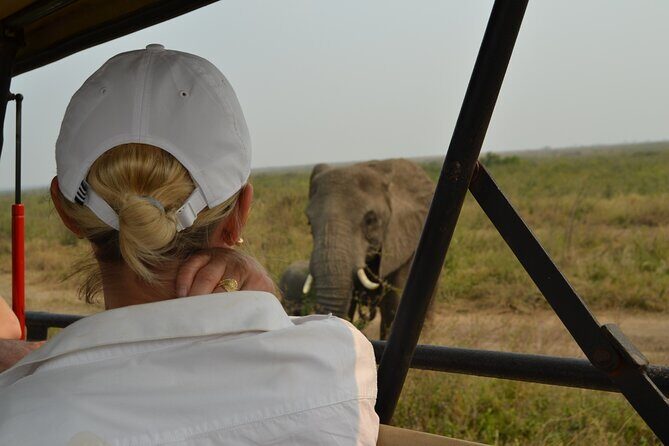
Day five is a full Serengeti day centered on Serengeti Hippo Pool and the river areas that connect wildlife movement. You’ll drive along the shores of both the Seronera River and the Mara River, searching for those wow-moments that are hard to manufacture in a park.
The key here is variety. This day is described with moments like wildebeest crossing, the possibility of a hunting cheetah, predators like lions, and even the striking silhouette of a giraffe far on the horizon. It also includes a more specific wildlife detail: you might spot Nile crocodiles, sometimes listed as more than 6 meters long, waiting for animals to come drink or cross and then ambush.
Another advantage is the promise of less crowded areas. The route states it can follow parts of Serengeti that are not known to the greater public, which is a practical way of saying you may get quieter viewpoints and more breathing room—without giving up the chance of serious wildlife action.
The only downside is the same safari reality: no one can guarantee the crossing or the hunt. What you can count on is time in the right places. If you want the most “front-row” feel possible, this is one of the days to stay extra alert and ready to jump on sighting opportunities fast.
A few more Arusha tours and experiences worth a look
Ngorongoro Crater day: Olduvai and a Maasai Boma before the descent
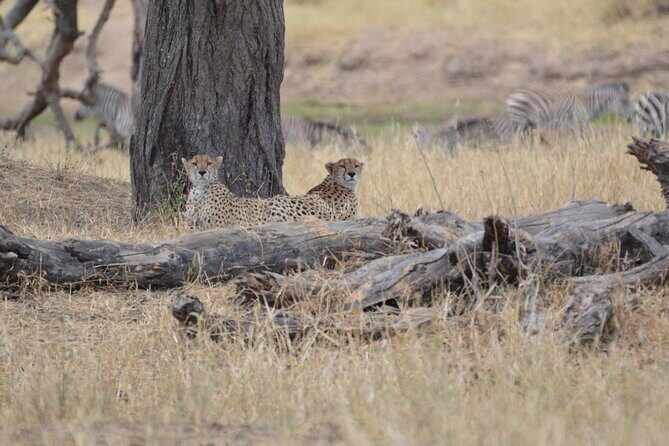
Day six shifts from open plains into geology and drama. You leave early for the Ngorongoro Conservation Area, stopping first to visit Olduvai Gorge and a Maasai Boma on the way. Those stops add variety beyond the wildlife-only days, giving you context and a cultural touchpoint before you get to the crater itself.
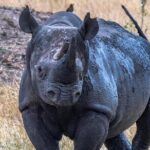
Then comes the main event: winding down into the Ngorongoro Crater caldera for a game drive with big views along the way. The tour description specifically mentions that with your guide’s experience, you might even encounter rhino. It also says the chance of seeing an active pride of lions at close quarters is high on the list of possibilities.
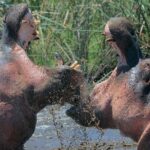
At the Hippo Pool, the day turns into sound and movement: you can enjoy the sights of “laughing” hippos wallowing and cooling off in the water and mud-baths. Even if you’ve seen hippos elsewhere, Ngorongoro’s setup tends to make the viewing feel more intense because the crater concentrates life.
The drive time notes about 160 km (around 3 hours), with sandy and bumpy roads. You’re already trading comfort for access again. The difference is that once you’re down in the crater, the change in terrain can make the payoff feel even bigger.
Day seven: returning to Arusha or Kilimanjaro Airport with time to breathe
Your safari ends the way it started: with a guided transfer. Depending on your itinerary, you’ll be driven either to a lodge in Arusha, to Arusha Airport for domestic connections (like flights to Zanzibar), or to Kilimanjaro International Airport for your return home.
Distance and time are roughly:
- 120 km (about 3 hours) to Arusha areas
- 160 km (about 4 hours) to Kilimanjaro
Late checkout is optional for additional charges, so if your flight is later, you might be able to sleep in a bit.
This matters because long safaris can end with that last-day rush. Here, the plan gives you a clear exit route and avoids the “wait and hope” feeling.
What the price covers—and why it can still feel like a good deal
At $2,980 per person for 7 days, you’re paying for more than driving and park signage. The tour includes:
- All fees and taxes
- Six breakfasts, six lunches, six dinners
- Admission tickets for the parks each day
- Pickup offered
- Mobile ticket
- A private format for your group
The “value” angle is that you’re not piecing together park entry tickets, meal plans, and daily transfers on your own. Those costs add up fast in Tanzania, especially when you’re trying to keep the route efficient.
What’s not included:
- International flights
- Tips
- Any extra accommodation before or at the end of the tour
A practical way to think about the cost: you’re paying for time with a guide and access to the specific park circuit, plus the comfort of knowing meals and entries are already handled. If you would otherwise pay a similar total for transport, park fees, and food, this package can look less expensive than the headline number suggests.
The guide factor: why Christopher’s name keeps showing up
One of the most praised elements in feedback is the guide. Names that come up include Christopher, also referred to as Chris, and in some cases his son Warren joins as well. The consistent theme is strong wildlife spotting: finding animals from very far away, and reading movement well enough to get the vehicle positioned before the action.
That sounds like “just good guiding,” but it has a real effect on your day. In parks like Serengeti and Ngorongoro, the best sightings often come from timing. A guide who can predict where animals are going to move gives you more chances to see behavior, not just distant silhouettes.
So if you book, I’d make a point of asking who your guide will be and whether Christopher or another senior guide will run your game drives. This kind of trip lives or dies on that relationship.
Best fit: who this North Tanzania classic safari suits
This safari is a good match if you:
- Want a private tour and a guide who can adjust for your pace
- Like combining wildlife with cultural stops (Olduvai Gorge and a Maasai Boma)
- Are okay with long drives and some sandy, bumpy roads
- Prefer an organized plan where meals and park entry tickets are included
It’s less ideal if you’re expecting a laid-back “just chill and stroll” style vacation. The days are long, and game drives can mean sitting for hours. If you know your body handles that fine, you’ll enjoy this route a lot.
Should you book this 7-day North Tanzania classic?
I’d book it if your top priority is getting real time in Tarangire elephants, Manyara lake-and-tree wildlife, Serengeti river action, and Ngorongoro crater viewing—without having to manage logistics daily. The private setup and included meals/fees remove stress, and the guiding reputation (Christopher/Chris and sometimes Warren) points to a focus on spotting and positioning.
I’d hesitate if road discomfort or long sitting is a deal-breaker for you. Also, if your travel dates are flexible, it can help to choose times when you’re comfortable with wildlife uncertainty—because even with excellent odds, sightings can still vary.
If you want, tell me your travel month and your tolerance for long vehicle days (low/medium/high). I can suggest what to emphasize—Tarangire vs Serengeti focus, and how to plan your energy across the week.
FAQ
Where does the tour start?
The start point is Arusha Airport, Arusha Tanzania.
How long is the safari?
It’s 7 days (approx.).
What’s included in the price?
The tour includes all fees and taxes, six breakfasts, six lunches, six dinners, and admission tickets for the scheduled activities.
Is pickup included?
Yes, pickup is offered.
Does the tour include park entry tickets?
Yes. Admission Ticket Included is listed for each day’s park activities.
Which parks and areas are visited?
You’ll visit Tarangire National Park, Lake Manyara National Park, Serengeti National Park, Serengeti Hippo Pool, and Ngorongoro Crater, plus route stops at Olduvai Gorge and a Maasai Boma.
Are international flights included?
No. International flights are not included.
Is tipping included?
No. Tips are not included.
Is this a private tour?
Yes. It’s listed as a private tour/activity, meaning only your group participates.
What is the cancellation refund timing?
You can cancel up to 3 days in advance for a full refund. If you cancel less than 3 days before the experience’s start time, you don’t get a refund.