REVIEW · ARUSHA
6 Days Budget Tanzania Camping Safari
Book on Viator →Operated by Simba Adventures · Bookable on Viator
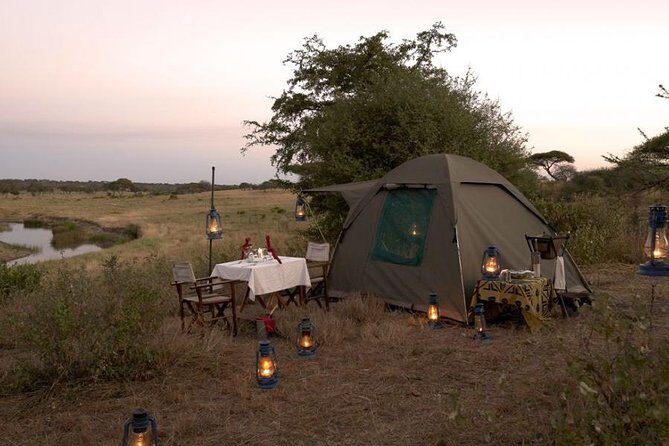
Sleep close to the bush on purpose. On this 6-day budget safari, you trade a city hotel for tents, sleeping bags, and cots provided and camps with solar-heated showers and eco-friendly toilets. I love that the basics are handled for you, so you can travel light with just your backpack. I also like that even while camping, you still get the kind of comfort that keeps the “roughing it” idea fun instead of miserable. The consideration: it is still basic tent camping, not a luxury lodge stay.
This route is built around big East Africa sightings, but it stays small—up to 6 travelers—which means you get more real conversation time with your driver/guide and cook. In past trips with Simba Adventures, people specifically highlighted drivers like Saadi and cooks like Modi for spotting skills and for meals that made camp feel like a real base, not just a pit stop.
You’ll spend your days in parks that keep changing the vibe. Tarangire brings the elephants and baobab country energy. Serengeti is all about searching for herds and making the most of dawn-to-sunset timing. Then you finish at Ngorongoro Crater for a half-day on the crater floor before heading back to Arusha.
In This Review
- Key highlights you’ll feel right away
- What budget tent camping means in Tanzania (and why you might like it)
- Arusha to Tarangire: picnic lunch and big-elephant country
- Lake Manyara full day: longer time on game roads
- Serengeti afternoon into sunset: the “start strong” strategy
- Serengeti full day: when the search becomes the story
- Serengeti half day, then Ngorongoro Conservation Area overnight
- Ngorongoro Crater floor: half day game drive, then back to Arusha
- Meals at camp: personal cook power (and what’s included)
- Camping comfort you’ll actually use at night
- 4×4 safari transport with roof-top open viewing: why it’s worth it
- Price and value: is $1,780 fair for what you get?
- What to pack (so the camping part stays fun)
- Who should book this safari (and who shouldn’t)
- Should you book this 6-day budget Tanzania camping safari?
- FAQ
- How long is the 6 Days Budget Tanzania Camping Safari?
- What time does the safari start, and where does it end?
- Which national parks and areas are included?
- Is airport pickup included?
- What camping gear and camp facilities are provided?
- Are meals and drinks included?
- Is tipping included in the price?
- Can I cancel for a full refund?
Key highlights you’ll feel right away
- Camping gear is included, so you don’t have to hunt for rentals or haul heavy luggage.
- Solar-heated showers and eco-friendly toilets keep your nights civilized.
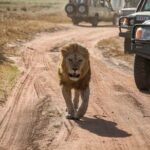
- 4×4 safari transport with an open roof helps you spot wildlife without craning your neck.
- A personal driver-guide and cook mean you’re not just watching a route—you’re traveling with the people running it.
- Shorter morning departures plus long game-drive days give you a good mix of pace and time in the parks.
What budget tent camping means in Tanzania (and why you might like it)
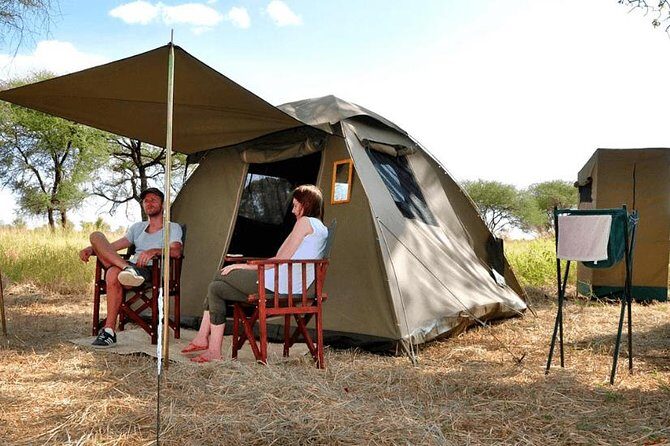
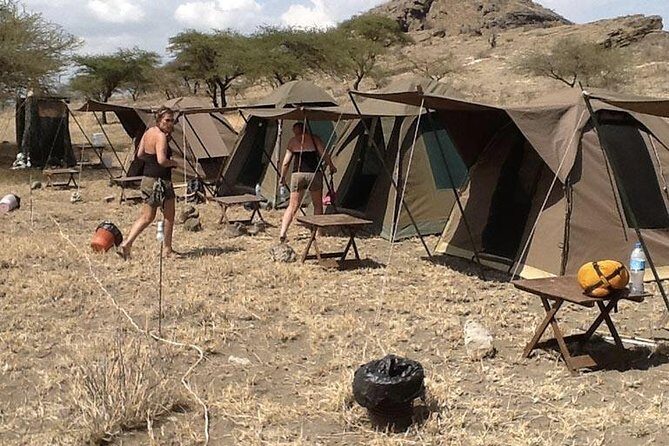
A “camping safari” can mean a lot of things. Here, you’re not doing total survival mode. You’re in a tent setup with cots and sleeping bags, and camp includes solar-heated showers and eco-friendly toilets. That’s a big deal. It turns nighttime from an endurance test into the chance to actually sleep and wake up ready for another drive.
The tradeoff is simple: this is not a hotel. Camps are designed for function and comfort at the level that fits the safari style. If you want fluffy pillows, daily maid service, and room service, you’ll feel the difference fast. If you can be happy with a solid tent bed, hot water from solar, and the sound of the bush outside, you’ll probably have a blast.
Also, the safari runs with real logistics. You’re not driving yourself. Your driver-guide handles the movement between parks, and the cook keeps meals flowing. When you’re tired, that matters more than people expect.
A few more Arusha tours and experiences worth a look



Arusha to Tarangire: picnic lunch and big-elephant country
Day 1 starts with a morning drive out of Arusha to Tarangire National Park. Expect a game drive with a picnic lunch box, then a drive to camp for dinner and overnight.
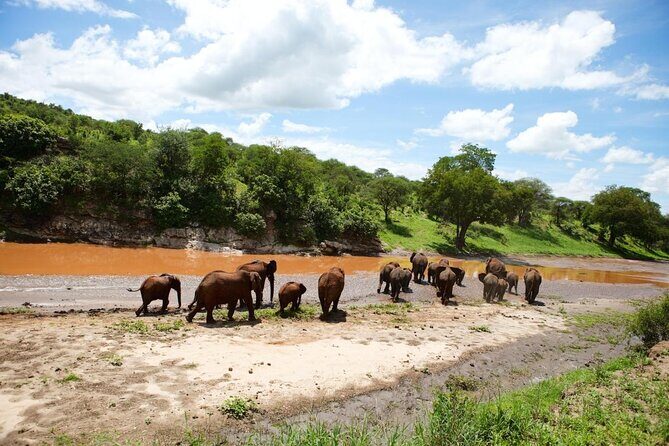
Tarangire is one of those parks where the scenery and the animals both feel “different” from the rest of the circuit. The big draw here is the chance to see classic wildlife patterns, and Tarangire tends to deliver strong elephant sightings. You’re also building your safari rhythm: first day is about getting your eyes tuned to how animals move through the bush.
Practical reality check: it’s a longer day of travel and game driving. The itinerary shows about 7 hours for Day 1. If you’re the type who likes to sit down often and stretch for long stretches, make sure you hydrate early and snack between drives. It’s camping safari timing—your breaks happen when the schedule allows.
Lake Manyara full day: longer time on game roads
After breakfast at camp, you head into Lake Manyara for a full day game drive, then overnight at the campsite. This is one of the most time-heavy days listed—around 10 hours.
This is a day I like for one simple reason: time on the road usually improves your odds. Wildlife can show up early, late, or not at all, depending on heat, season, and luck. When you have a full day, you’re not stuck in a tight window where one quiet hour ruins the whole experience.
Lake Manyara also changes the feel of the trip. The park is part lake, part woodland, and that variety helps keep your sightings interesting even when animals are spread out. You’ll be in the 4×4 with a roof-top open viewing setup, so you can keep scanning without feeling trapped.
Serengeti afternoon into sunset: the “start strong” strategy
On Day 3, you travel from camp to Serengeti for an afternoon and sunset game drive. This is a shorter listed drive day—about 5 hours—but it’s timed for one of the best viewing windows.
Sunset in Serengeti isn’t just pretty. It’s when animals often shift behavior—moving, feeding, or becoming more visible as the light changes. An afternoon-to-sunset run gives you two chances: the late-day sightings and the start of the nighttime lull.
This day also helps with logistics. If your body is still adjusting to camping schedules, a shorter day can be a relief. You’re still getting a big park moment, without feeling like every day is a marathon.
Serengeti full day: when the search becomes the story
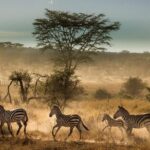
Day 4 is the long one. It’s a full day game drive in Serengeti, with the itinerary showing about 12 hours. The goal is searching for herds and mixing together different kinds of sightings—both migratory and non-migratory animals.
This is where the safari guide makes a real difference. Wildlife isn’t scheduled like a museum exhibit. You need someone who can read the landscape and adjust the plan when sightings pop up or disappear. This is also the day you’ll appreciate having a cook and team supporting you at camp, because a big day of driving works better when meals and rest are handled.
Bring your patience. Not every sighting is instant. But the upside is that Serengeti rewards time. The day feels like the “core” of the safari because you’re spending the most hours actively searching and reacting.
A few more Arusha tours and experiences worth a look
Serengeti half day, then Ngorongoro Conservation Area overnight
Day 5 starts with a half day game drive in Serengeti. Then you move to the Ngorongoro Conservation Area for an overnight.
This structure is smart if you’re trying to minimize wasted time. By changing location rather than trying to do everything in one place, you set yourself up for a strong Day 6 morning at the crater.
Half days can be tricky if you’re hoping for big, dramatic encounters nonstop. But in this itinerary, Day 5 still keeps you on game roads rather than shifting into a “travel only” day. You get that movement energy, then you switch zones to position for Ngorongoro.
Ngorongoro Crater floor: half day game drive, then back to Arusha
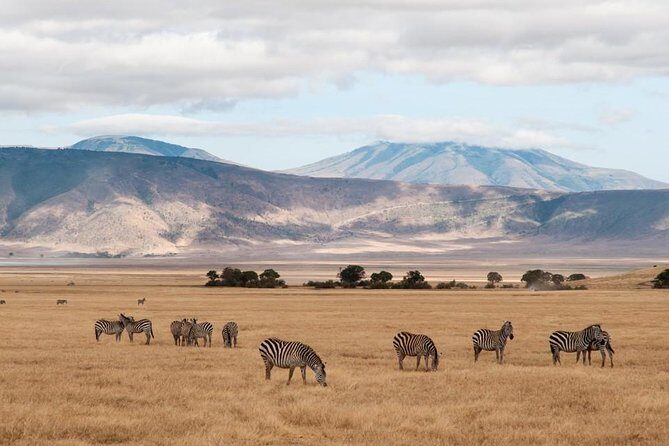
Day 6 is early breakfast, then a half-day game drive on the Ngorongoro Crater floor, followed by lunch (provided) and the drive back to Arusha. The itinerary shows about 6 hours total on the day.
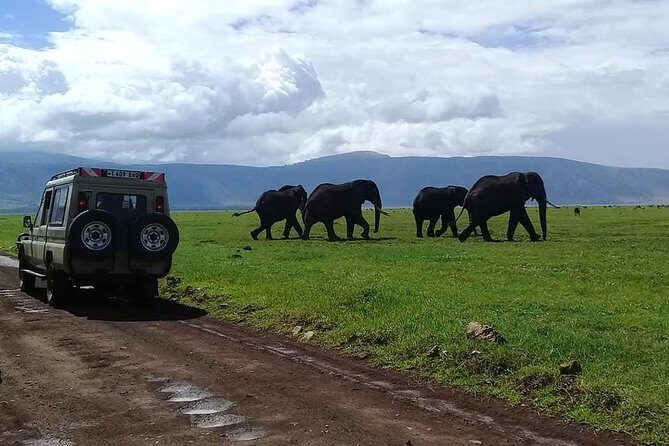
Ngorongoro is a “big moment” destination, and the reason is simple: the crater floor can concentrate wildlife into a smaller area. It’s the type of environment where your eyes keep finding new things—animals at different distances, different behavior patterns, and sometimes surprise sightings.
Half-day here is a good compromise. You get the main crater experience without draining yourself for a full marathon before heading back. And after a multi-park safari, that matters.
Meals at camp: personal cook power (and what’s included)
One of the best parts of this safari style is that you travel with a personal cook. Meals aren’t left to chance or “grab something later.” The itinerary includes:
- Breakfast (5)
- Lunch (6)
- Dinner (5)
That’s five nights in camp with dinner included, plus breakfasts built into each next morning. It keeps the days simple: get up, eat, drive, eat, drive, camp, sleep.
Water-wise, mineral water is included. Beverage drinks are not included, so if you drink a lot of bottled drinks or want soda/juice, plan ahead and budget for it.
Food quality varies by camp and cook style, but in the real-world comments about this operator, people highlighted cooks like Modi for making the meals something they looked forward to. On a camping safari, that can be the difference between “fine” and “this trip stayed with me.”
Camping comfort you’ll actually use at night
Campsites here are described as comfortable, and the details matter:
- Solar-heated showers
- Eco-friendly toilets
- Guards to watch over you at night
- Tents, sleeping bags, and cots provided
If you’re wondering whether camping will feel “safe enough,” the guard detail is reassuring. Also, solar-heated showers aren’t just comfort—they help you sleep better after dusty drives. A shower after a long day can feel like a spa moment, even if it’s not a fancy one.
One more practical point: because you bring your own backpack (and only your backpack), pack smarter than bigger. Bring layers for mornings and evenings, and keep essential items easy to reach. You’ll live out of your pack during daily drives and camp routines.
4×4 safari transport with roof-top open viewing: why it’s worth it
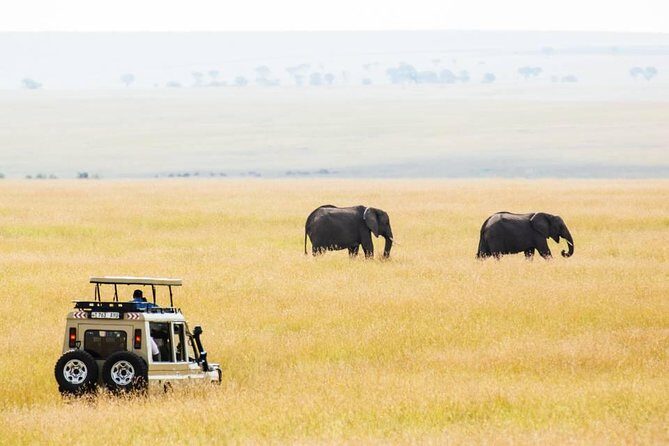
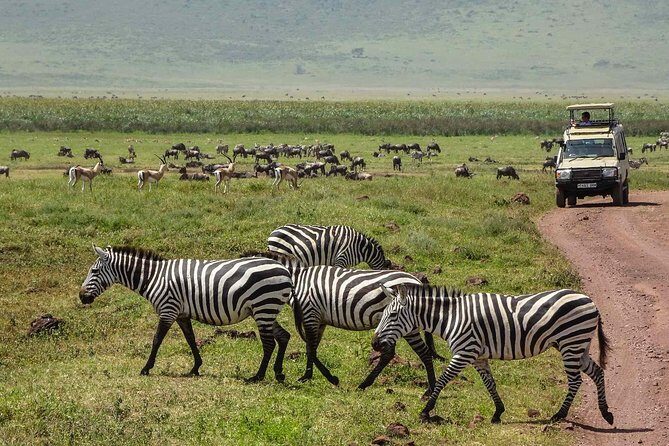
You’ll travel in 4×4 safari transport with an open roof-top for wildlife viewing. That affects your experience more than people think.
When animals are far, a roof-top open setup can give you better visibility and faster scanning. When animals are close, it helps you notice movement and changes in direction. Either way, you spend less time guessing and more time seeing.
It’s also easier for photos—no glass reflections, less obstruction. If you hate photo timing and just want the real action, it still helps because you’ll spot animals sooner.
Small-group size (max 6) ties in here too. In a crowded vehicle, people shift, block views, and get tense. A smaller group keeps the vibe steady.
Price and value: is $1,780 fair for what you get?
At $1,780 per person for about 6 days, you’re paying for a full safari package, not just transportation.
What’s included:
- All camping facilities (including tent and sleeping setup)
- Safari transport in a 4×4 for game viewing
- Driver guide & cook
- Airport transfers: pickup
- All accommodation on the safari itinerary
- Mineral water
- Meals (breakfast/lunch/dinner counts as listed)
What’s not included:
- Tipping
- Beverage drinks
- Travel insurance
- Hotel accommodation in Arusha before/after
So the value equation looks like this: you’re buying the hard parts—park mobility, team support, food, and sleep logistics—while skipping the hassle of arranging dozens of small services. If you’d otherwise need to line up a guide, vehicle, camp setup, and meals yourself, the package price starts to feel pretty sensible.
Also, park admissions are marked as free or included across different days. That suggests the package likely covers most of the entry costs across the route, but you should still confirm details when you book so there are no surprises.
What to pack (so the camping part stays fun)
The tour overview frames it like: pack your backpack, and the safari provides the key camping items. Use that as your baseline.
I’d plan for:
- Lightweight clothing you can layer
- A warm layer for early mornings and cooler evenings
- A small daypack for water, sunscreen, and snacks
- Something for dust (even if you only use it sometimes)
The biggest mistake people make on camping safaris is bringing too much “just in case.” When your schedule is driving and game drives, you want fewer items that you’ll actually use.
Who should book this safari (and who shouldn’t)
This tour fits best if you want:
- A budget-friendly safari without giving up comfort entirely
- Up-close wildlife viewing from a proper safari vehicle
- A real team experience with a driver-guide and cook
- The vibe of sleeping in nature, not in a hotel bubble
It may not fit you if:
- You want resort-style lodging or daily room service
- You hate basic camping conditions, even with showers and toilets provided
- You’re not into long days on safari roads (there’s one long driving day listed around 12 hours)
If you’re flexible, it’s a great way to get the Tanzania parks circuit without turning the trip into an expensive logistics project.
Should you book this 6-day budget Tanzania camping safari?
Yes—if you’re excited by the idea of sleeping close to the bush and you can handle basic camping in exchange for real wildlife time. This route is paced with meaningful game-drive blocks in Tarangire, Lake Manyara, Serengeti, and Ngorongoro, and it’s supported by a driver-guide and cook who handle the parts most people dread: meals, movement, and camp setup.
I’d say skip it if your definition of a safari includes plush beds and minimal effort. You’re paying for an experience that’s closer to the ground than the lodge version.
If you’re the type who likes doing things the practical way—good planning, good guides, and time outside—this is the kind of safari that can feel both authentic and surprisingly comfortable.
FAQ
How long is the 6 Days Budget Tanzania Camping Safari?
It runs for about 6 days.
What time does the safari start, and where does it end?
It starts at 8:30 am in Arusha, Tanzania, and ends back at the meeting point.
Which national parks and areas are included?
You visit Tarangire National Park, Lake Manyara, Serengeti National Park, and the Ngorongoro Conservation area (including Ngorongoro Crater).
Is airport pickup included?
Yes. The tour includes airport transfers, with pickup from the airport.
What camping gear and camp facilities are provided?
Tents, sleeping bags, and cots are provided, along with camping facilities such as solar-heated showers and eco-friendly toilets. There are also guards watching over the camp at night.
Are meals and drinks included?
Yes. The tour includes breakfast, lunch, and dinner as listed, plus mineral water. Beverage drinks are not included.
Is tipping included in the price?
No. Tipping is not included.
Can I cancel for a full refund?
Yes, with free cancellation if you cancel up to 24 hours in advance of the experience’s start time.