REVIEW · ARUSHA
3 Days Serengeti & Ngorongoro Crater group safari
Book on Viator →Operated by Simbaland Magic Tours · Bookable on Viator
Three days, two wildlife icons, one tight schedule. I like how the safari runs in a custom jeep for up to 6 people with a pop-up roof for better views, and I like the focus on early wildlife time to help you catch more animal action. The main trade-off is the long driving days between Arusha, Serengeti, and the crater, so you’ll want to travel with patience.
You’ll start with a Serengeti day that includes a quick crater-area viewpoint stop and an optional Maasai village visit, then follow up with an early game drive that sets you up for your Simba campsite stay near the rim. On day 3, you’ll descend into Ngorongoro for a full crater safari stretch aimed at the hardest quarry of all: the black rhino.
One more practical note: tips for the driver and chef are not included, and those extra dollars matter if you’re on a tight budget. If you’re the type who packs light and gets stressed by early starts, plan ahead for mornings that begin before sunrise.
In This Review
- Key things to know before you go
- Small-group Serengeti to Ngorongoro: why this route works
- Day 1: Arusha to Serengeti with a quick crater-area viewpoint and Maasai culture option
- Day 2: early Serengeti game drive, lunch reset, then Simba campsite near the rim
- Day 3: Ngorongoro descent, black rhino odds, and a full crater day
- Jeep comfort, guides, meals, and the small touches that matter
- Price and value: what $800 covers, and what it doesn’t
- Who should book this safari (and who might want a different style)
- Should you book this 3-day Serengeti and Ngorongoro group safari?
- FAQ
- How many people are in the group?
- Is pickup offered from Arusha?
- What meals are included in the price?
- Are entrance fees included for Serengeti and Ngorongoro?
- Are tips included?
- What is the cancellation policy if plans change or weather is bad?
Key things to know before you go
- Max 6 travelers in a pop-up roof jeep for easier spotting and more personal attention
- Early starts on both Serengeti and Ngorongoro days to maximize daylight viewing
- Ngorongoro black rhino focus during a long crater descent window
- Maasai village stop is optional, so you can choose culture time or more wildlife time
- Meals and drinks included: water plus beer & wine, with multiple breakfasts/lunches and two dinners
- Guides and staff get real praise, with names like Emanuel, Simon, David, Jackob, and Simon showing up in feedback
Small-group Serengeti to Ngorongoro: why this route works
This is the classic Tanzania combo: Serengeti first, Ngorongoro next. What makes this particular version feel smart is that it’s built for short time and limited budget, without pretending you can do everything at a slow pace. You’re not spending days transferring between far-flung lodges—you’re moving efficiently so you can actually spend time looking at animals.
The biggest value is the small group size. With a max of 6 people in a custom safari jeep, you tend to get quicker scanning and fewer “everyone wait” moments. A pop-up roof also helps in a practical way: you can see over vehicles when the roadside gets crowded, and you can keep your eyes on the action instead of twisting your neck all day.
The one consideration is that you’ll feel the travel time. Day 1 is a long push from Arusha toward the Serengeti, and day 2 includes a transfer toward the crater rim area at Simba campsite. If your ideal safari is slow mornings and long naps, this route may feel like a sprint.
A few more Arusha tours and experiences worth a look
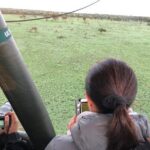
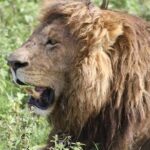
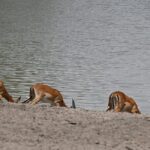
Day 1: Arusha to Serengeti with a quick crater-area viewpoint and Maasai culture option
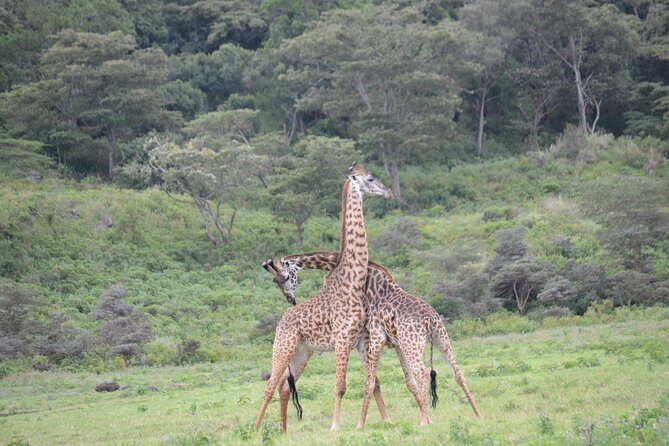
Day 1 starts with breakfast in Arusha around 7:15 a.m., then the drive toward Serengeti takes about 8 hours when you factor in stops. That means your first day is less about lounging and more about getting into position. You’ll also pass through the Ngorongoro conservation area, and you get a short gate and viewpoint pause where you can take in the crater’s scale.
That viewpoint stop is brief, but it serves a purpose. You get a “big picture” moment early, so when you later descend into Ngorongoro, it feels less like a surprise and more like a plan you already understand.
You’ll also have the chance to visit a Maasai village. It’s listed as optional, which is good—this part can be meaningful if you want cultural context, and it can be skipped if you’d rather protect daylight for wildlife spotting. Either way, the key is choice. If you’re using your time in Tanzania to focus on animals, you can keep this short. If you’re curious about traditions and community life, this is an easy add-on before the real game drives begin.
One more practical thing: expect a long first day. Bring a light layer for vehicle rides, and keep a small snack on hand if you’re the type who gets hungry between meals.
Day 2: early Serengeti game drive, lunch reset, then Simba campsite near the rim
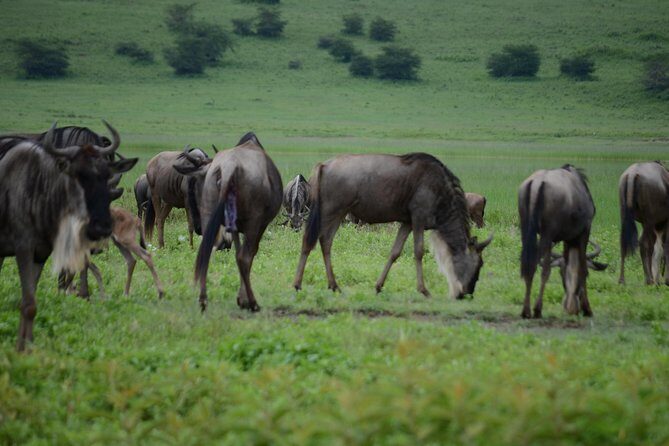
Day 2 is where the safari starts to feel like a true game drive marathon. After an early breakfast around 6:00 a.m., you head into Serengeti for wildlife viewing until the afternoon. The plan is to use the morning hours for the best chances—when animals are active and the light is good for spotting.
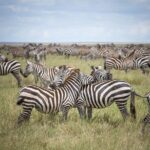
In Serengeti, mornings matter because you’re working with animal behavior, not just roads. The earlier you go, the more likely you are to see active grazing, movement across open areas, and predators beginning their day. If you happen to be traveling during the wildebeest migration season, this is also where you have a shot at seeing large herds at their most dramatic moments—timing really matters.
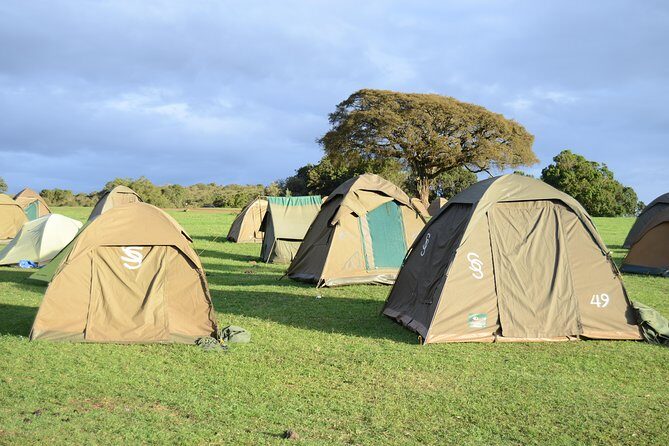
Midday is a reset. You head back to camp for lunch, then pack and transition toward Simba campsite near the rim of Ngorongoro. The drive time is about 2.5 hours, and you’ll still have time for additional roadside game viewing while exiting Serengeti.
This is a smart pacing choice. You’re not losing the day completely to driving. Instead, day 2 becomes a bridge day: Serengeti action in the morning, crater-area positioning in the afternoon. If you don’t do this well, travelers end up spending too much time “on the way.” Here, you stay in the wildlife mindset.
My advice: when you reach Simba campsite, treat it like your launchpad for day 3. Hydrate, eat well, and try to get rest. Ngorongoro day starts very early too.
Day 3: Ngorongoro descent, black rhino odds, and a full crater day
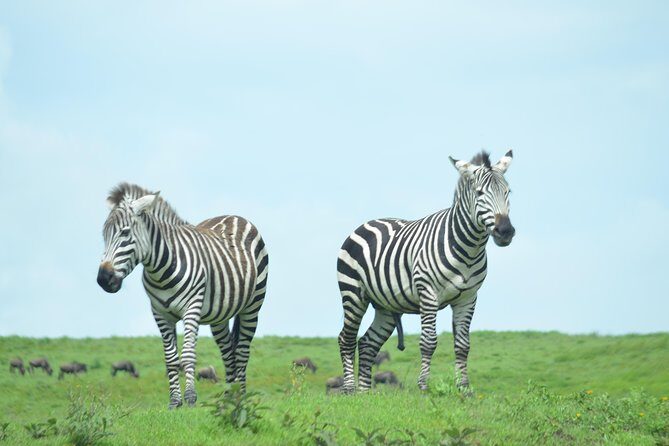
Ngorongoro is the moment most people picture when they hear the name Tanzania. The plan for day 3 is an early breakfast, then a descent into the crater around 6:15 a.m. The crater safari lasts about 6 hours, giving you a real block of time to drive slow, scan carefully, and chase sightings as they appear.
Here’s the practical twist: black rhino are the hardest to spot, and the crater can affect visibility. Animals aren’t evenly distributed, and rhino can stay out of view longer than wildebeest or zebras. The itinerary specifically aims at black rhino search, which tells you this day isn’t just a casual loop—it’s an intentional hunt with a strong chance to get the other stars too.
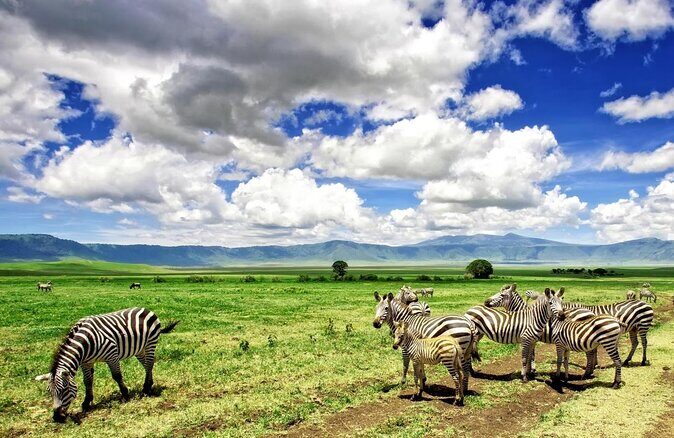
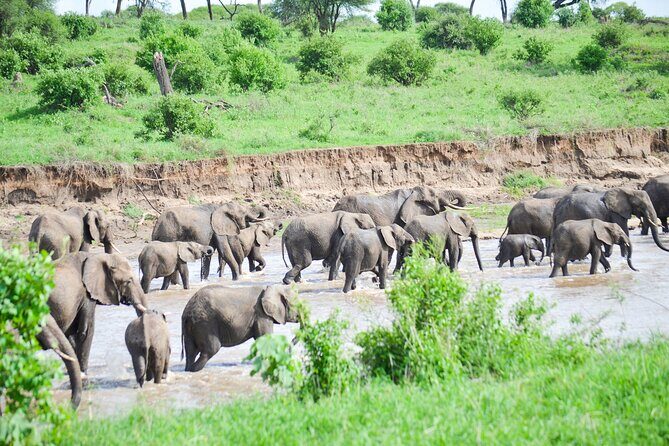
Ngorongoro is famous for how many animals live close together in one place. In a floor-crater environment, you’ll often see a mix of species that would normally be spread out across a huge region. Expect sightings that commonly include hippos, buffalo, wildebeest, elephants, and aquatic birds. Even when you don’t spot every headline animal, the overall density can still feel unreal.
Six hours in the crater is the right length. Shorter trips can rush you into a checklist mindset. This schedule lets your guide adjust as the day evolves—following signs of movement, changing viewing angles, and staying patient when the best action is just around the next bend.
After the crater drive, you return to the campsite area for lunch and then collect your belongings for the return toward Arusha. It’s a wrap day, so keep your camera ready but your energy managed.
Jeep comfort, guides, meals, and the small touches that matter
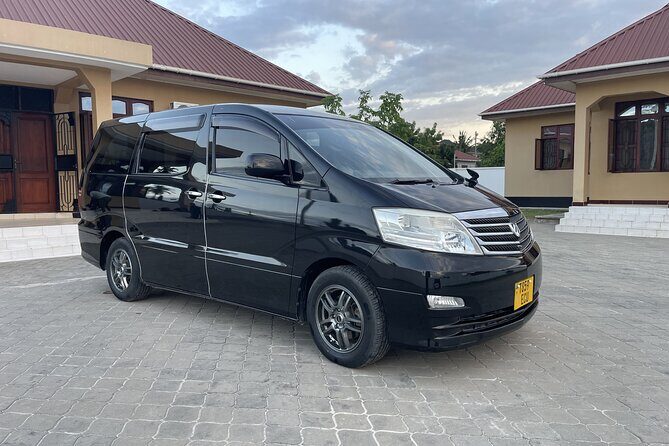
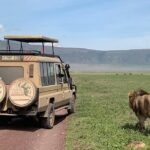
Let’s talk practical comfort. You’re in a custom safari jeep with a pop-up roof, which means you’re not just staring out small windows all day. When the road gets busy or animals move into thicker areas, being able to rise up slightly can make a huge difference. Also, in a small group, you typically avoid the feeling of being trapped in a long convoy.
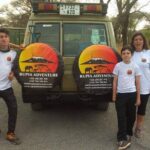
Guide quality matters a lot on a short safari. In the feedback tied to this experience, names like Emanuel, Simon, David, and Jackob show up with praise for strong animal spotting and smooth professionalism. The exact guide you get can vary, but the takeaway for you is simple: ask questions early, and pay attention to how your guide reads the land. Good guidance isn’t just knowing where to go—it’s noticing small motion and positioning the jeep for the best sight lines.
Food is another underrated value here. Water is included, and there’s beer and wine listed as part of the package, which can take the edge off long driving days. Breakfasts are included for all three mornings, and lunches are also included multiple times, with two dinners provided. That helps you budget properly because you’re not hunting meals between parks.
Tips aren’t included for the driver and chef. That’s the one cost you should plan for from the start. On a 3-day safari, tipping feels small compared to the overall price, but it still needs to be accounted for.
A few more Arusha tours and experiences worth a look
Price and value: what $800 covers, and what it doesn’t
At $800 per person for about 3 days, the value depends on how well the itinerary matches what you want to see. This price is built around the classic headline route—Serengeti and Ngorongoro—and the package includes major essentials: transport from Arusha, game drive time, and multiple meals. It’s also structured for a small group (max 6), which tends to lower the stress factor compared with bigger buses.
What you should watch for is budgeting beyond the headline number. Park entrance fees are listed as admission ticket free in the schedule, and you’ll get a mobile ticket, but food extras aren’t your problem here since meals are included. Your biggest additional line item is tipping the driver and chef.
Also, timing affects perceived value. If you hit good migration season, you may see wildebeest activity at scale. If you’re outside peak movement, you’ll still see plenty of animals—you just might not get the same dramatic herds.
Who should book this safari (and who might want a different style)
This is a great match if you want:
- Real wildlife time in a short window
- A small group with a pop-up roof jeep
- A plan that includes both Serengeti and Ngorongoro without adding extra days for transfers
It may not be ideal if you want a slow, luxury pace or you hate early mornings. This itinerary is front-loaded with sunrise starts (Serengeti early, Ngorongoro descent early), and the driving day 1 is long. If you need a lot of downtime, consider a longer safari with fewer transfers.
It also fits couples, friends, and solo travelers who don’t mind sharing a jeep, as long as you’re comfortable with group touring. Maximum 6 keeps it from feeling crowded, but you are still traveling in a shared setup.
Should you book this 3-day Serengeti and Ngorongoro group safari?
I’d say book it if you’re clear on your priorities: big wildlife parks, meaningful time in the crater, and efficient movement from Arusha without blowing your schedule. The long-term reason to choose this route is simple: Ngorongoro is best when you can spend real hours inside it, and Serengeti is best when you catch those early sightings. This itinerary is built around both.
I’d hold back if you’re very sensitive to early starts or you’re hoping for a leisurely, no-stress vacation. This trip is designed to squeeze maximum wildlife value into 3 days, and that means you’ll feel the pace.
If you book, do one thing that improves your odds: when you meet your guide, ask how the day is likely to unfold and what they’ll focus on first. A good guide will adjust on the fly—especially in Serengeti—and your job is to be ready to move when the best opportunity appears.
FAQ
How many people are in the group?
The safari runs with a maximum of 6 travelers.
Is pickup offered from Arusha?
Yes, pickup is offered.
What meals are included in the price?
The package includes breakfasts (3), lunches (3), and dinners (2). Water is included as well.
Are entrance fees included for Serengeti and Ngorongoro?
The schedule lists admission ticket free for the park activities included on the itinerary.
Are tips included?
No. Tips to the driver and chef are not included.
What is the cancellation policy if plans change or weather is bad?
You can cancel up to 24 hours in advance for a full refund. If the experience is canceled due to poor weather, you’ll be offered a different date or a full refund.