REVIEW · ARUSHA
5 Days Safari Tarangire, Serengeti, and Ngorongoro Crater
Book on Viator →Operated by Shavi Tours and Safaris · Bookable on Viator
A few days here can change how you see wildlife.
This private safari is built around serious animal time in Tarangire and Serengeti, then the unforgettable Ngorongoro Crater bowl for Big Five odds. I especially like the close-up vehicle setup (window seating and a raised rooftop while you’re in the parks), and I like how the trip strings together three iconic habitats instead of repeating the same scenery. One consideration: you’ll start early and move on a tight schedule, so the long driving days are part of the deal.
The sleeping style can also surprise you if you’re imagining rough camping. These are tented camps with real bathrooms—beds, a toilet, and a proper shower—plus a watchman system at night. You may hear hyenas or other wildlife sounds after dinner, but the process is designed to keep you safe and settled.
If you’re the type who wants wildlife from dawn to dusk, this is a great fit. If you want a slow, fully relaxed pace with minimal early starts, you’ll likely feel the rhythm is more “safari mode” than “vacation mode.”
In This Review
- Key things you should know before you go
- Arusha welcome and a comfortable first night at The Charity Hotel
- Tarangire National Park: baobab country and elephant-heavy game drives
- Serengeti National Park: acacia plains with migration energy in the background
- Serengeti to Ngorongoro Conservation Area: early lunch, then crater rim country
- Ngorongoro Crater: largest intact caldera and serious Big Five odds
- Tented camps that are real lodging, not camping
- How the private safari vehicle helps you see more
- Meals, timing, and what a 5-day rhythm really means
- Price and value: what $2,300 really covers
- Who should book this Northern Safari route (and who should reconsider)
- Should you book this 5-day Tarangire, Serengeti, Ngorongoro safari?
- FAQ
- What time does the safari start?
- Is pickup offered?
- Which parks are included in the 5-day program?
- What meals are included?
- What kind of lodging should I expect?
- Is the tour private?
Key things you should know before you go
- Private safari vehicle with 6 or 8 window seats, and a rooftop that goes up in the parks for better viewing
- Three major parks in five days: Tarangire, Serengeti, and Ngorongoro Crater for a full wildlife sweep
- Tented lodging that’s not camping: en-suite facilities, real showers, and night watchmen with a whistle in your tent
- Ngorongoro Big Five potential, including a real chance at the rare black rhino
- Meals included for most of the trip: breakfasts, lunches, and dinners are part of the package
Arusha welcome and a comfortable first night at The Charity Hotel
Your trip begins in Arusha, after you land at Kilimanjaro International Airport. You’re picked up and transferred to your Arusha accommodation, about an hour from the airport. That’s a big deal on day one. It means you don’t waste your first hours in Tanzania figuring out logistics.
Overnight is at The Charity Hotel International, a few kilometers from the city center. The practical side matters here: Arusha Airport is only about 15 minutes away, and you’re close enough to feel oriented without being in the chaos of central streets. Rooms come with the basics you’ll care about after travel—tea and coffee facilities and a bathroom with bath or shower, plus a flat-screen satellite TV if you want a quiet evening.
The vibe I’d expect on this night: reset your body, get an early night, and prepare for an early start. Starting at 6:30 am for safari days (as listed for the experience) is not “someday soon” early. It’s early-early.
A few more Arusha tours and experiences worth a look
Tarangire National Park: baobab country and elephant-heavy game drives
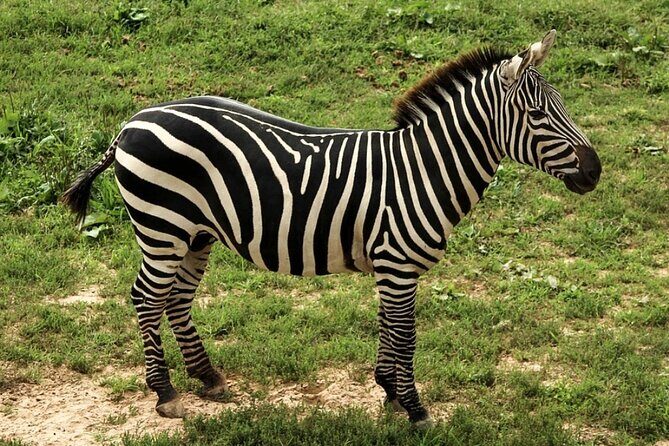
Tarangire is the kind of park that feels different from the rest of the Northern Circuit. The setting is defined by baobab-studded grasslands and big open views, and then the Tarangire River adds a permanent water source that brings animals close—especially in the dry season from June to November.
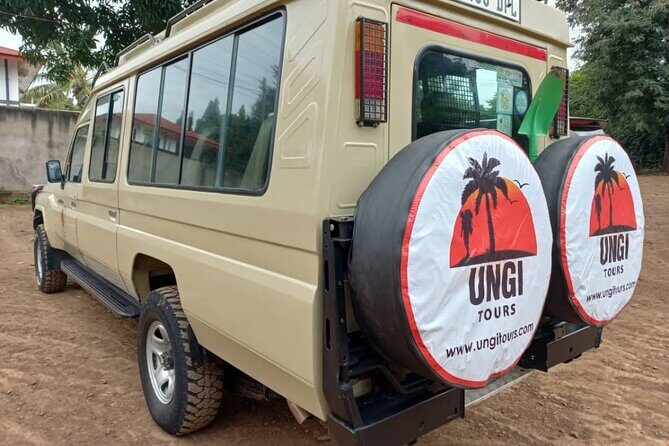
You’ll spend a major block of time on a private drive with your driver and vehicle. This is where the vehicle design helps your chances. You’re in a safari vehicle with 6 or 8 window seats, including the driver’s seat. Once you’re inside the parks, the rooftop goes up, so you can look farther and spot animals without constantly changing positions.
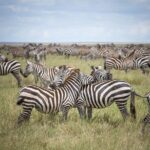
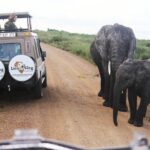
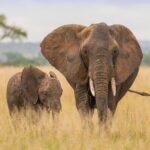
For me, the Tarangire payoff is simple: elephants and other large animals cluster around water, and you often get clearer sightlines in an open, scenic park. You can expect to look for elephant herds, wildebeest, buffalo, zebra, and Grants’ gazelle, with the river acting like a wildlife magnet when conditions are dry.
A small “know before you go” point: a river-focused day can mean you spend more time tracking water-linked movement. That’s great if you want big herds and steady action. If you were hoping for only dramatic predator hunts every minute, Tarangire can be a bit more about density and variety than constant drama.
Serengeti National Park: acacia plains with migration energy in the background
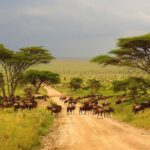
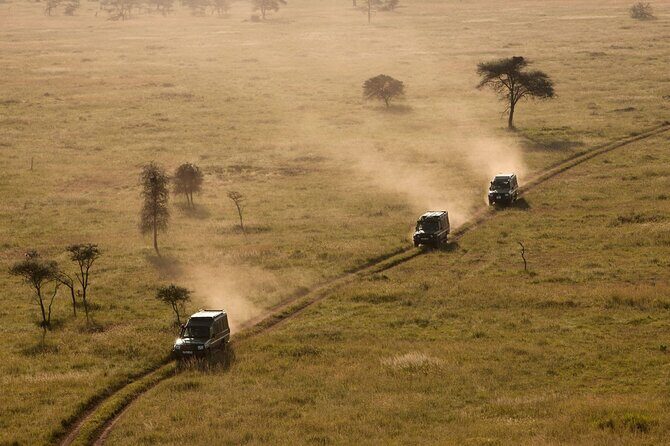
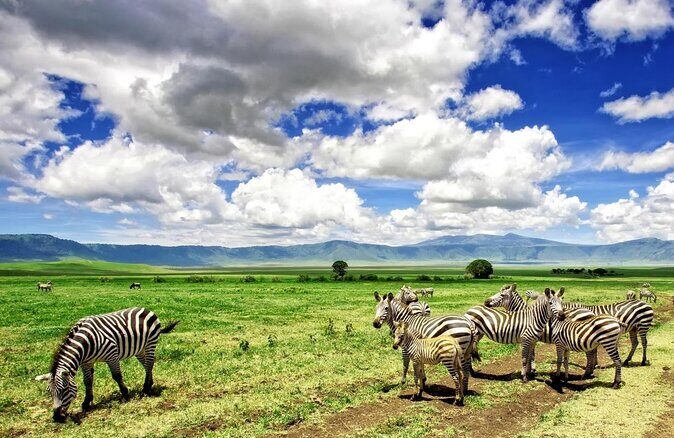
Then you roll into Serengeti, and yes, it’s famous for a reason. Serengeti teams up with Kenya’s Masai Mara to form one of Africa’s best-known wildlife systems. The signature image—acacia trees on wide grass plains—is real, and it’s the visual stage for everything from grazing animals to big predators.
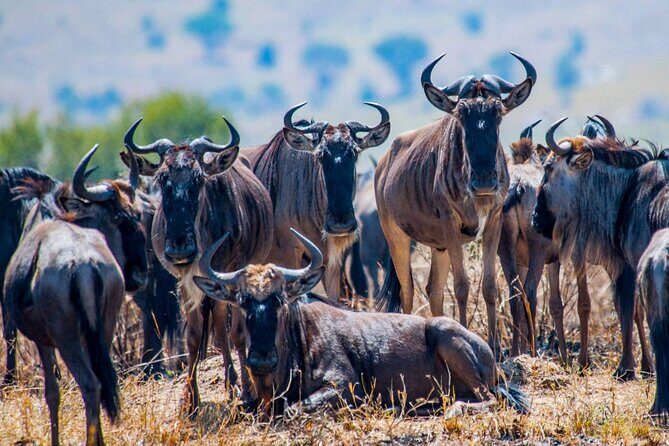
The Serengeti story in your mind should include migration. The annual wildebeest movement across Serengeti and Masai Mara is described as the largest land mammal migration on Earth, with more than a million animals following the rains. Even when you’re not timing your trip to the exact peak of the crossing, the park still carries that sense of movement and opportunity.
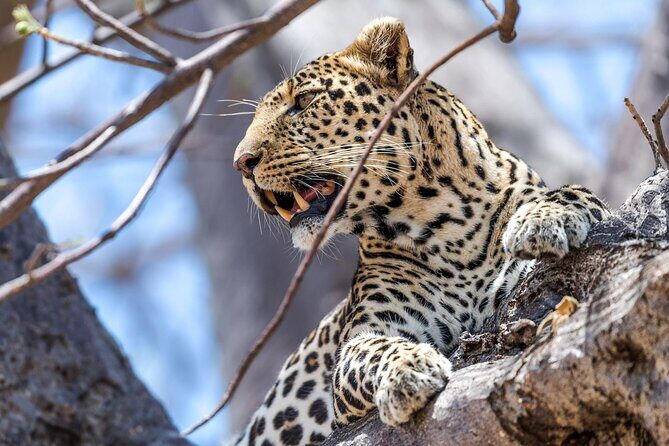
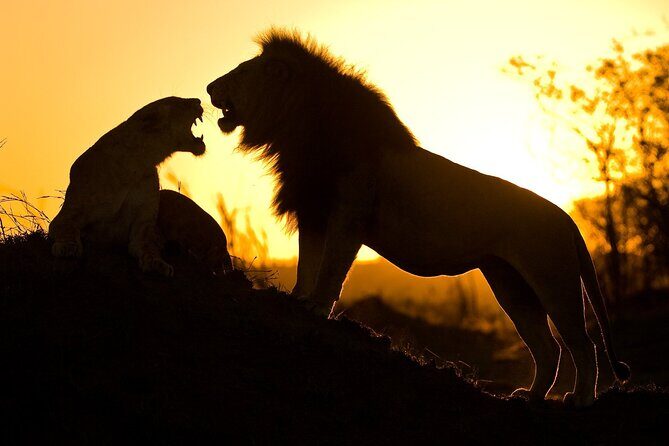
You’ll be looking for plenty beyond wildebeest. The trip description calls out lions, elephants, giraffes, plus gazelles and eland. In practical terms, this means you’ll likely spend long enough on the grasslands to let the day unfold: herds move, predators patrol, and your driver can adjust the route based on what’s happening at that moment.
One consideration here is that Serengeti can feel like a lot of “open space” if you don’t have the eyes for it. That’s why I’m glad your setup includes a driver who knows the animals and the area. The more you trust that guidance, the more rewarding the day becomes.
Serengeti to Ngorongoro Conservation Area: early lunch, then crater rim country
On your way to Ngorongoro, the trip keeps the momentum. After breakfast, you get a morning game drive and an early lunch, then you proceed toward the Ngorongoro Conservation Area. The plan is to drive through the route between Serengeti and Ngorongoro with your experienced driver, who can point out wildlife and natural beauty along the way.
That in-between time is underrated. You’re not just transferring from one checklist box to another. You’re staying in wildlife mode. In Tanzania, wildlife and scenery often show up while you’re moving, not only at the exact entrance gate of the day.
For the night outside the crater rim, dinner and overnight are at Rhino Hotel. Staying on the rim matters. It sets you up for a morning descent later, and it reduces the “rush factor” of trying to do everything in one day.
Ngorongoro Crater: largest intact caldera and serious Big Five odds
Ngorongoro is the main event day. The crater is described as the largest intact caldera in the world, and it’s a non-active volcano. To get down to the floor, you make a descent, and from the rim you get a view that helps you understand why this place creates such intense wildlife density.
Once you’re down, the animal and plant variety is described as immense. This matters because it changes what you’ll see in a single day. Instead of hunting for one habitat type, you’re often scanning a whole system: lake edges, open grass patches, woodland, and the slopes connecting them.
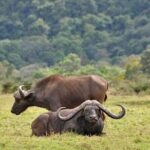
The highlight is the Big Five mention. The tour information states that all the Big Five—elephant, black rhino, buffalo, leopard, and lion—can be found in the crater. That doesn’t mean you’ll see all five, every trip, every day. What it does mean is you’re in a place where chances exist for each category.
The rare prize here is the black rhino. The plan specifically calls out a chance to see it, which tells you the day isn’t just “maybe we’ll get lucky.” You’ll be focused on the right areas and adjusting to what’s present.
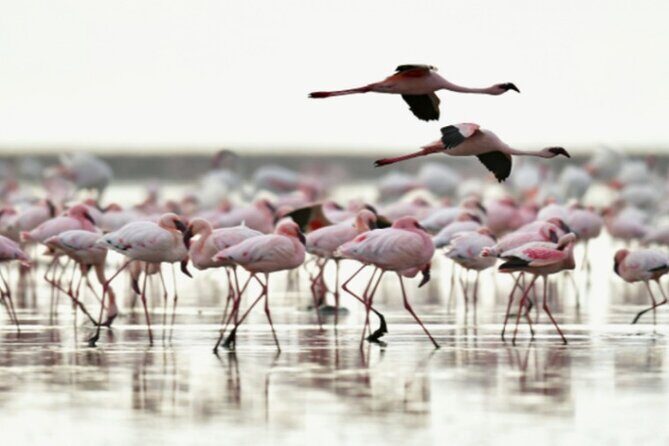
Then there’s Lake Magadi, the alkaline lake inside the crater. The details are fun because they match what you’re likely to notice: flamingos come to feed, and hippos cool off in sweet-water pools after grazing outings. That combination—alkaline lake life plus hippo water behavior—helps keep the day feeling varied even if you’re not seeing predators every hour.
A few more Arusha tours and experiences worth a look
Tented camps that are real lodging, not camping
One of the best surprises in this kind of safari is that “tented camp” doesn’t mean “rough it.” The description is clear: you sleep in a tent under canvas, but inside you get regular beds and a toilet and real shower. That single detail changes how you travel. After a long day in the parks, you’re not stuck with the stress of trying to make do.
Nighttime is part of the experience too. You might hear hyenas crying or other animal sounds while you’re sleeping. That can be unsettling if you’ve never heard it before, but the trip setup is designed around safety. When it gets dark after dinner, you’re guided to your tent by a watchman. There’s also a whistle in every tent to call the watchman if needed.
That safety system is what makes the tent style work for most people. It also means you can actually rest instead of spending the evening worrying about what’s outside the canvas.
How the private safari vehicle helps you see more
This tour is private, which changes how your day feels. Instead of fitting into a herd of strangers’ schedules, your driver can concentrate on your sighting goals and the real-time conditions in the parks.
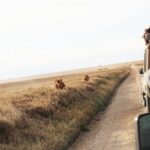
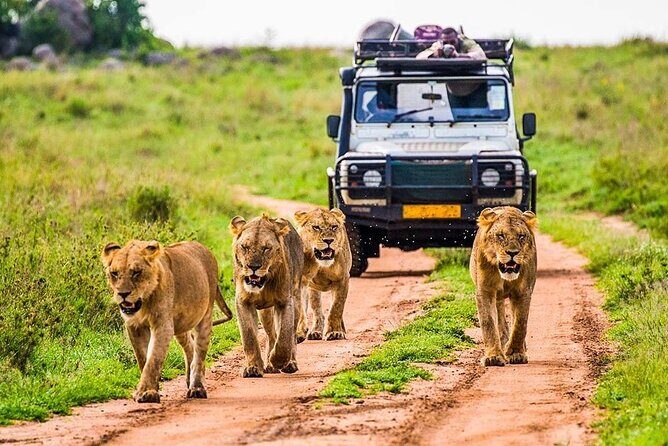
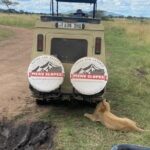
The vehicle details also matter. You’re in a safari vehicle with window seats—six or eight, depending on the vehicle. When you’re in the parks, the rooftop goes up. If you’ve ever tried to watch wildlife while half-sitting behind a seat back, you’ll appreciate why roof-up viewing is a big deal. It buys you line of sight.
There’s also mention that in many vehicles you can charge your phone or batteries. That’s practical in Tanzania, where battery life matters for photos, maps, and staying comfortable.
What I’d tell you to do: treat your day like a moving hide. Keep your camera ready, but don’t rush. Wildlife shows up on its schedule, and the driver’s job is to get you into the right place at the right time.
Meals, timing, and what a 5-day rhythm really means
This trip includes meals across the week: breakfasts (5), lunches (4), and dinners (3). On safari, food logistics can quickly turn into a headache. Having it included makes your day simpler and keeps the pace efficient.
Timing is also important. The safari start time listed is 6:30 am, and game drives are built into each day. That means early mornings, longer park blocks, and late afternoons. If you need a fully flexible schedule with no “early start” energy, this won’t match your travel style.
That said, the payoff is that you’re not spending the best wildlife hours waiting around. Many animals are most active when the day is cooler and the light is better for spotting.
Price and value: what $2,300 really covers
At $2,300 for 5 days, the value is best understood by looking at what’s included. You’re not just paying for game drives. You’re paying for:
- Private vehicle time with your driver
- Accommodations in Arusha and on the crater rim area
- Tented-lodge style stays with en-suite facilities
- Multiple meals (breakfasts, lunches, and dinners)
- Park entry mentioned as admission ticket free in the tour info
- Pickup and transfers tied to the experience
For many travelers, the biggest cost driver on safari is the combination of vehicle + guide + park access + lodging. When those are packaged together, it’s easier to compare and easier to commit. In other words: $2,300 can feel like a lot until you break down how much it would cost to assemble the same elements separately.
Two things to keep in mind: tips and visa are not included, so you’ll want to plan for those. And because this is a private setup, it’s priced for your group size. If you’re traveling solo, you’re often effectively “buying the private experience” rather than splitting it.
Who should book this Northern Safari route (and who should reconsider)
This safari route makes the most sense for you if you want:
- Classic Northern Tanzania highlights in a short window
- A private driver and vehicle for flexible game viewing
- The best kind of lodging comfort for long safari days: tented, but with real showers and en-suite facilities
- A shot at Ngorongoro’s black rhino and crater diversity
It may be less ideal if you want a slow travel pace. The days start early. You’ll drive. And you’ll spend time in between parks where you’re still in transit rather than relaxing.
It’s also a good choice for couples who want their own space and a guide who can focus their time. The trip description and the private format naturally support that kind of travel style.
Should you book this 5-day Tarangire, Serengeti, Ngorongoro safari?
I’d book it if you’re serious about wildlife viewing and you want a clear “best of” circuit: Tarangire for river-and-herds energy, Serengeti for iconic savanna action and migration context, then Ngorongoro for the crater’s concentrated game potential.
I’d think twice if you’re easily worn down by early mornings and long drives. This is a safari. It runs on wildlife time, not late-morning sleep time.
If you do book, pack for cool mornings, expect sounds at night, and bring patience for long scans. When it clicks, Ngorongoro and Serengeti can feel like the world’s most direct animal classroom.
FAQ
What time does the safari start?
The start time listed for the experience is 6:30 am.
Is pickup offered?
Yes. Pickup is offered.
Which parks are included in the 5-day program?
The experience covers Tarangire National Park, Serengeti National Park, and Ngorongoro Conservation Area with a visit to Ngorongoro Crater.
What meals are included?
The package includes 5 breakfasts, 4 lunches, and 3 dinners.
What kind of lodging should I expect?
You’ll stay in tented camps and lodges described as having en-suite facilities. Tents are under canvas but include regular beds, a toilet, and a real shower. You’ll also sleep at Rhino Hotel outside the crater rim.
Is the tour private?
Yes. It’s a private tour/activity, and only your group participates.