REVIEW · ARUSHA
7-Days Private Midrange Safari; Serengeti & Ngorongoro Crater
Book on Viator →Operated by African polecat safaris · Bookable on Viator
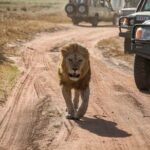
Big cats feel closer when the logistics are solved. This private safari strings together Arusha National Park, Lake Manyara, Serengeti, and the Ngorongoro Crater with guided wildlife time and real comfort.
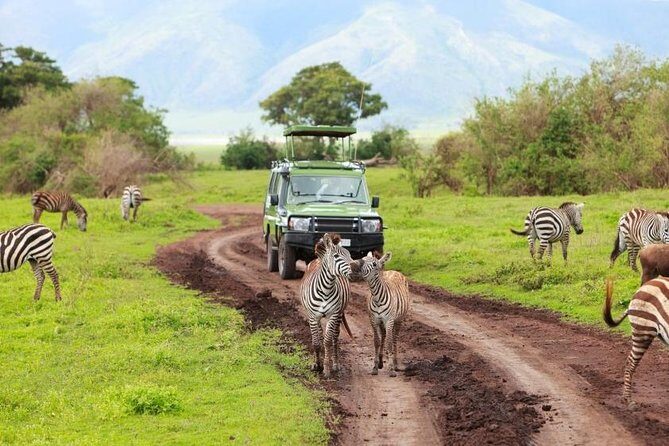
I like that someone else handles the heavy lifting: transport, park fees, midrange lodge stays, and meals. I also like the safari setup, especially the open-roof 4×4 jeep and binoculars included for each client.
The main drawback to plan for is the pace: long drive days and early mornings. There’s also a bike ride segment around Mto wa Mbu, though a free tuk-tuk option exists if you don’t want to ride.
In This Review
- Key things I’d pay attention to before booking
- Arusha National Park first: a walking safari plus viewpoints
- Lake Manyara via Mto wa Mbu: bikes, wildlife, and Maasai culture
- Serengeti: sunrise drives, sunset light, and getting in before the crowd
- Day 3: viewpoint break and a sunset game drive
- Day 4: fewer jeeps in the morning, then another afternoon drive
- Ngorongoro Conservation Area: sunrise action and Naabi Gate timing
- Ngorongoro Crater at dawn: open-roof cruiser and hippo pool picnic lunch
- Food, comfort, and the practical value of this midrange safari
- Getting around: transfers, drive times, and what your day will feel like
- Who this safari is best for (and who should reconsider)
- Should you book this 7-day private safari?
- FAQ
- How long is the safari?
- Where does the safari start and end?
- Which parks and areas are included?
- Are meals included?
- Do I get binoculars and what vehicle do we use?
- Is pickup included?
- Is biking required for the Lake Manyara day?
- What is the cancellation policy?
- Is travel insurance included?
Key things I’d pay attention to before booking
- Ranger-led walking safari in Arusha National Park with an armed guide for close-up wildlife time
- Bike + tuk-tuk option for the Lake Manyara portion, so you can match the day to your energy
- Sunrise and sunset game drives in Serengeti, including an early run when fewer jeeps are out
- Crater descent timing for black rhino odds with an early start inside the Ngorongoro Crater
- Meals with drinks included (not dry boxes), plus a cooler fridge on the vehicle and charging ports
- Bathrooms at gates and picnic sites help keep the day comfortable, especially on long drives
Arusha National Park first: a walking safari plus viewpoints
Day 1 starts with an easy win. You leave Arusha town for about a 45-minute drive to Arusha National Park, the one tied to Mount Meru. If you like your safari to begin with variety instead of just driving, this park delivers.
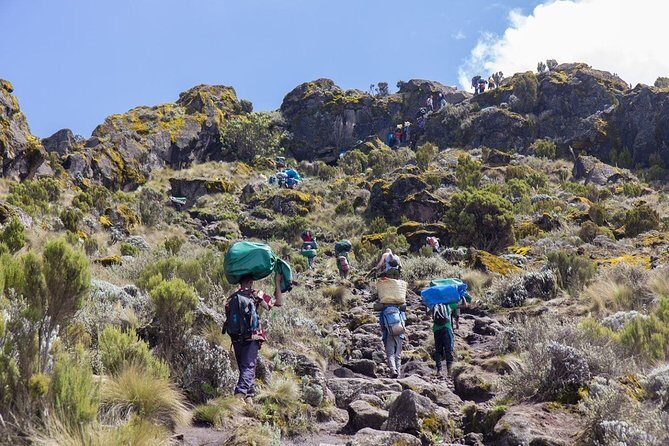
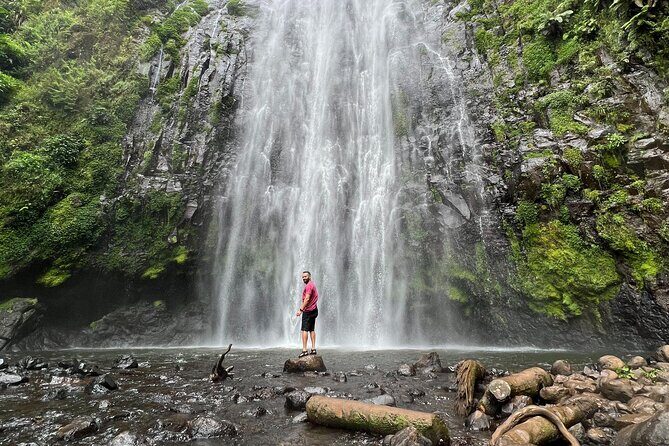
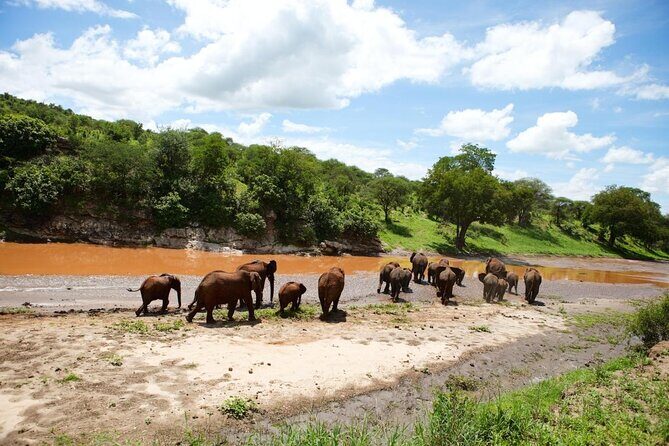
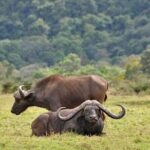
You begin with a walking safari led by an armed, well-informed park ranger. That matters. In a vehicle, you’re scanning from a distance. On foot, you slow down, track movement, and actually notice small things—bush lines, tracks, and the way animals hold space. You might spot giraffes, warthogs, buffaloes, zebras, and even waterfalls close enough to feel real.
After that, the day shifts into classic safari mode with a game drive. You’ll move through areas like the hippo pool and Lake Momela, where flamingos can show up. There’s also a famous fig tree stop and a finish at a view of Little Ngorongoro. Those viewpoints are more than photos. They help you understand what you’re about to chase later in the trip—big scale, big animals, and crater-style scenery.
My take: Day 1 sets the tone without rushing. It’s a smart way to get your safari senses working before you hit Serengeti.
You can also read our reviews of more private tours in Arusha
Lake Manyara via Mto wa Mbu: bikes, wildlife, and Maasai culture
Day 2 keeps the trip active. After breakfast, you head toward Mto wa Mbu and join a bike ride to Lake Manyara. The timing is set in the morning, and you also get a recap of the day’s flow before you go.
Along the lakeside route, you’re looking for zebra, wildebeest, antelopes, and gazelles. The point isn’t to force speed. It’s to travel in a way that feels closer to the environment than a standard drive—and to get you out of the vehicle at least once in the trip.
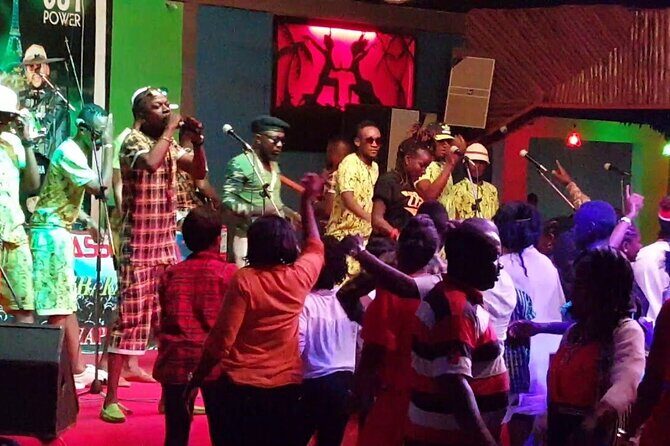
Then you’ll handle a lunch break and head to a Maasai village for a cultural tour. This is one of those parts that helps the safari feel grounded. You’re not only watching animals. You’re also learning how people live in the same region.
If biking isn’t your thing, the tour includes a free tuk-tuk option for kids or older travelers who can’t ride. That small line on paper actually matters on the ground. You can keep the experience without getting stuck in a situation that turns into stress.
You’ll finish the day by driving to Jungle Pearl Resort for overnight.
Potential consideration: This is still a long day (it’s listed as a full roughly 8-hour block), and it’s a “move and do” day. If you prefer quiet afternoons, you may want to mentally schedule a slower pace for Day 3-4 rather than here.
Serengeti: sunrise drives, sunset light, and getting in before the crowd
Serengeti is where many people come for the big sightings. This safari schedules two separate Serengeti days, and that’s one reason it works well.
Day 3: viewpoint break and a sunset game drive
After breakfast, you depart toward Serengeti between about 8:45 and 9:00. On the way, you stop at the Ngorongoro Crater viewpoint for 15–20 minutes. That pause is useful. It’s like a mental warm-up before you descend later.
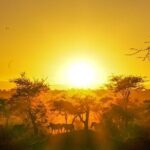
You arrive for lunch at Serenigeti Nabi gate and take a short leg-stretch walk. Then comes the game drive, including a sunset drive as you head to your selected accommodation inside the Serengeti plains. Sunset here is practical: it’s good light, and animals tend to be active around these times.
There’s also an optional Maasai boma visit depending on what you choose.
Day 4: fewer jeeps in the morning, then another afternoon drive
Day 4 starts early with an adrenaline-leaning morning game drive. The idea is that there are fewer safari jeeps out early, so you get peace and quieter wildlife behavior.
You return for breakfast and then go back out again for an afternoon drive through late afternoon, finally heading to Moyo Tented Camp for dinner and overnight.
One small comfort detail that I appreciate: the tour notes that bathrooms are at every gate and picnic site. On a day that runs 7–8 hours of driving and scanning, that reduces the mental friction of long stretches away from proper facilities.
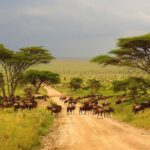
What I like about this Serengeti plan: You’re not treating Serengeti like one big bus ride. You’re getting morning light, evening light, and two days to adjust. That increases your odds simply because you have more chances to spot what you missed.
A few more Arusha tours and experiences worth a look
Ngorongoro Conservation Area: sunrise action and Naabi Gate timing
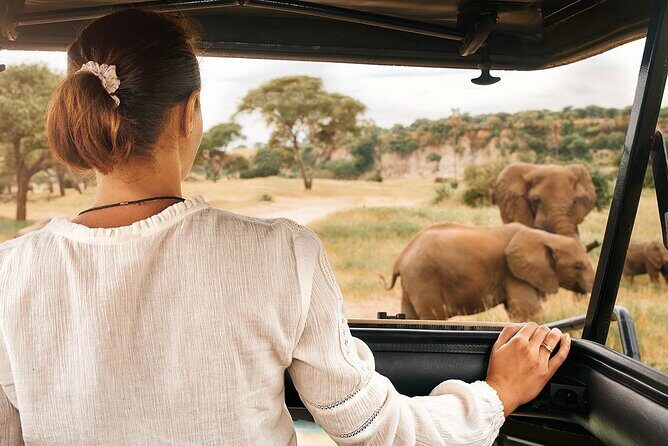
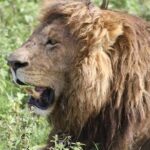
When you shift to Ngorongoro Conservation Area (Day 5), the tour leans into predator timing. You start with a sunrise game drive, aiming for nocturnal predators that finish hunting after dawn. That’s not a guarantee, but timing matters here. You’ll see more natural movement when you arrive early instead of waiting later.
After the morning drive, you return for breakfast. In the afternoon, you stop at Naabi Gate for lunch, then continue transit and game viewing as you head toward Ngorongoro for overnight.
You arrive early evening, then dinner and sunset.
There’s an optional upgrade on this day: you can upgrade to Ngorongoro Serena Hotel for better crater views at extra cost. Even if you don’t upgrade, it’s useful to know that some versions of the experience are more view-focused.
Reality check: The crater region can feel busy on certain routes, so the value here is the daily schedule that keeps you in motion at the right times. It’s not about “rushing.” It’s about matching the day to animal rhythms.
Ngorongoro Crater at dawn: open-roof cruiser and hippo pool picnic lunch
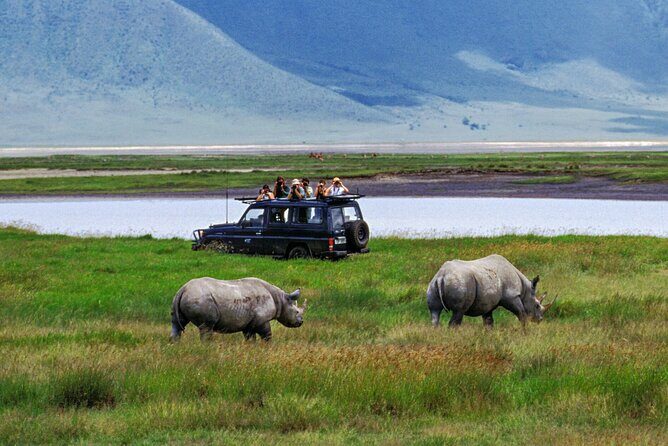
Day 6 is the headline for many people, and the tour puts it on schedule early. The crater day starts between 6:30 and 7:00 am, with a descent into the Ngorongoro Crater. The tour specifically notes that earlier is better for chances of spotting black rhinos.
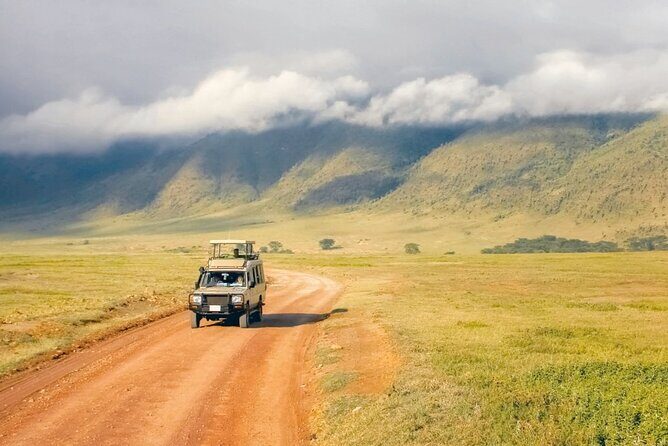
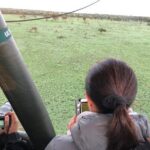
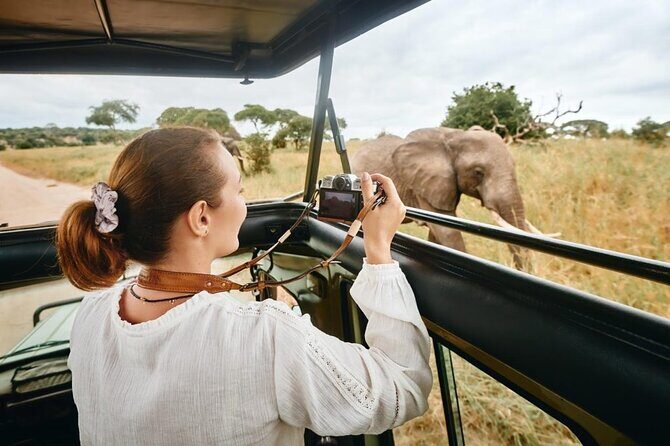
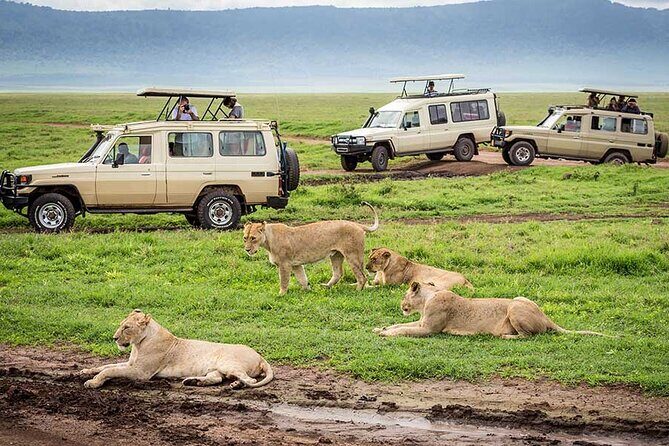
You’ll travel in an open-roof 4×4 Land Cruiser. That matters for two reasons. First, you can see over vehicle roofs and get cleaner photos. Second, you feel the crater change—air, scale, and the way the ground holds animals differently than flat savanna.
The crater’s height is described as about 600–650 meters, which is a helpful mental cue. You’re stepping into a self-contained world. And because the scenery changes with seasons, you’re likely to see something that looks different than photos you may have seen online.
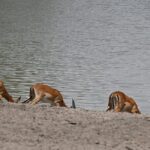
After morning wildlife time, you stop for a picnic lunch by the famous hippo pool. That’s one of those stops that gives you both “wow” and variety. You get your break, you refuel, and you watch wildlife activity around water instead of only scanning open ground.
Then the day continues with more crater game viewing.
My take on this day: If you want to maximize your crater chances, you’ll like this early timing. It’s also a long day, so be ready for steady scanning and frequent stop-start driving.
Food, comfort, and the practical value of this midrange safari
This is priced at $3,589.34 per person. At first glance, it’s not cheap. The value comes from what’s bundled.
Included items are doing real work here:
- Park fees and government tax are covered
- Transport is handled throughout
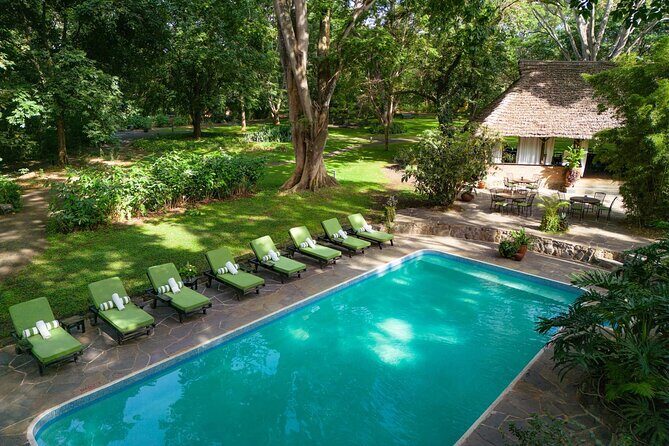
- You stay in midrange lodges (the trip is described as a camping-style experience, but the lodging included is midrange)
- Meals are included as warm meals (not dry boxes), plus water and wine and beer
- Airport transfers are included, along with free luggage storage
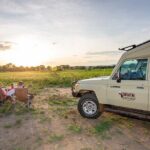
- Your guide and driver are professional, and you’re in an air-conditioned 4×4 safari jeep with pop-up roof, cooler fridge, and charging ports
- Binoculars are included for each client
- Lunch, breakfast, and dinner are all covered for 6 days each
This is one of those packages where you should compare not only the headline price, but the “what’s left after booking.” Here, most of the cost you’d normally add yourself (park fees, guides, vehicle use, and a big chunk of food) is already handled.
On the comfort side, I also like that the jeep setup includes a cooler fridge and charging ports. Safari days chew through phone batteries fast, and cold water can make a long drive feel less brutal.
One review highlight that stuck with me: the chef accompanying the group, Mike, was called out for excellent cooking. That’s not a small detail. Good food can turn an 8-hour day of drives and scanning into a day you actually look forward to.
Possible drawback on comfort: You should expect safari rhythm, not hotel schedule. Even with midrange lodges, a lot of your day is outdoors, on roads, and in the vehicle.
Getting around: transfers, drive times, and what your day will feel like
The safari is structured around long but manageable blocks—many days are listed around 7–8 hours.
You start in Arusha at the Arusha Center Inn on Pangani Street (meeting point listed in Arusha). The tour ends back at the same meeting point after transfer. On the final day, you’ll have breakfast and then be whisked to either Arusha Airport or Kilimanjaro International Airport for your next flight.
In terms of getting on/off for wildlife viewing, the tour also mentions that bathrooms are available at every gate and picnic site. That’s a practical win because it reduces decision fatigue during crater days and long drives.
If you’re sensitive to early starts, plan for them. At least two days are built around sunrise or dawn game drives, and the crater descent is early by design.
Who this safari is best for (and who should reconsider)
This one fits best if you want:
- A structured route across Serengeti and Ngorongoro without planning every step
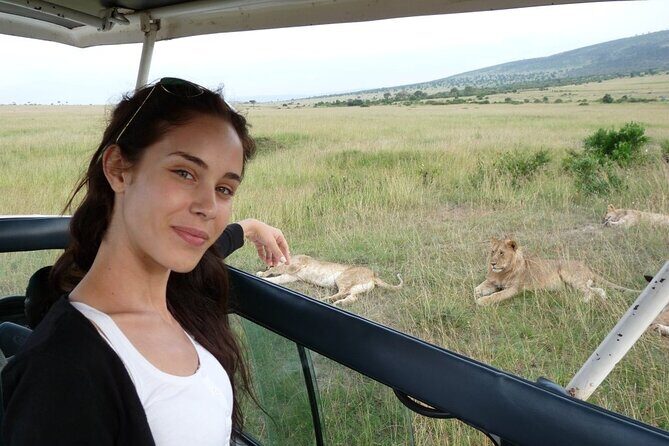
- A safari vehicle experience with open-roof viewing and included binoculars
- A balance of wildlife and cultural time (especially the Maasai village tour)
- More than one chance to spot animals in Serengeti, not just a single day
You should reconsider if:
- You don’t like long travel days or early starts
- You strongly prefer purely lodge-based relaxation with little vehicle time
- You’re hoping for a very flexible itinerary day-by-day. This trip is scheduled for timing and animal behavior.
Also, the trip is described as private, meaning only your group participates. At the same time, it’s positioned to use group touring to help keep costs down. In real life, that usually means the logistics are shared with your group size, but you’re not mixing randomly with strangers day-to-day. You’ll still want to check your exact group size at booking.
Should you book this 7-day private safari?
Yes, if you want a midrange safari that’s built for results and comfort at the same time: guided wildlife drives, practical vehicle setup, and meals covered so you don’t spend the trip thinking about food and logistics.
Book it if you’re specifically chasing the Serengeti + Ngorongoro Crater combo and you like the idea of dawn and sunrise timing. The plan gives you two Serengeti days plus an early crater descent, which is exactly what you want when your schedule is limited.
Don’t book it if your main goal is a slow, laid-back vacation with minimal driving. This safari runs on early light and long wildlife blocks. It’s a working safari day-by-day, even though the lodges are midrange and the meals help a lot.
If you want a straightforward Tanzania route with less hassle and strong built-in timing, this is the kind of package that makes your planning brain shut off.
FAQ
How long is the safari?
It’s listed as 7 days (approximately).
Where does the safari start and end?
It starts at Arusha Center Inn on Pangani Street in Arusha and ends back at the same meeting point.
Which parks and areas are included?
The safari is described as visiting Tarangire National Park, Lake Manyara National Park, the Ngorongoro Conservation Area, and Serengeti National Park. The detailed day-by-day also includes Arusha National Park on Day 1.
Are meals included?
Yes. Warm meals are included (not dry boxes), along with water, wine, and beer. Breakfast (6), lunch (6), and dinner (6) are listed as included.
Do I get binoculars and what vehicle do we use?
Binoculars are included for each client. You use an air-conditioned 4×4 safari jeep with a pop-up roof, plus a cooler fridge and charging ports.
Is pickup included?
Pickup is offered, and roundtrip airport transfer is included as part of the package.
Is biking required for the Lake Manyara day?
A bike ride to Lake Manyara is part of the Mto wa Mbu portion, but a free tuk-tuk option is available for people who are young or older and unable to ride.
What is the cancellation policy?
Free cancellation is available. You can cancel up to 24 hours in advance for a full refund; within 24 hours, the amount paid is not refunded.
Is travel insurance included?
No. Travel insurance is not included. Visa and personal expenses are also not included.