REVIEW · ARUSHA
5-day Affordable Joint Group Safari (with Extra Activities)
Book on GetYourGuide →Operated by Naturalland expeditions · Bookable on GetYourGuide
Wild animals, big views, real camping days.
This 5-day joint group safari is a strong value way to see northern Tanzania’s main hits: Tarangire, Serengeti, and Ngorongoro Crater—then finish with a day of village life and swimming at Chemka. The early starts matter here. They help you catch the animals when they’re most active and give you time for full game drives rather than rushed stops.
Two things I’d put at the top: you get excellent wildlife time with an experienced guide (Arthur was especially helpful in at least one recent trip), and you also get culture that feels practical, like walking up to Materuni Waterfall and doing a bean-to-cup coffee tour instead of only passing through towns. One drawback to plan for: the camping portion is basic, and if it’s cold or rainy, you’ll want proper cold-weather gear and good footwear—some guests reported thin sleeping pads and chilly tents.
In This Review
- Key highlights worth your attention
- 5 Days Through Northern Tanzania: What You Really Get for $1,360
- Day 1: Tarangire National Park and Karatu Campsite
- What to watch for on Day 1
- Days 2–3: Serengeti National Park With Two Full Drive Days
- How the days are paced
- Real talk about camping nights here
- Day 4: Ngorongoro Conservation Area and the Crater Picnic
- Why this stop is worth a full day’s attention
- Day 5: Materuni Waterfall Hike, Coffee Culture, and Chemka Hot Spring
- How to get the most out of Day 5
- Arthur and the Human Side: Guides, Cooking, and How Comfort Impacts the Trip
- Price and Logistics: When This Safari Feels Like a Win
- Who This Safari Suits Best
- Should You Book This 5-Day Joint Group Safari?
- FAQ
- Where does pickup happen, and what time?
- What are the main parks and places included?
- What’s the daily schedule like for safari game drives?
- Do you camp on this tour?
- Where do you sleep on the final safari day?
- Is there hiking?
- Is the coffee tour included?
- Can you swim at Chemka Hot Spring?
- How is the tour guide language handled?
- Is cancellation and pay-later booking available?
Key highlights worth your attention
- Big game focus in Tarangire, Serengeti, and Ngorongoro with multiple game-drive blocks
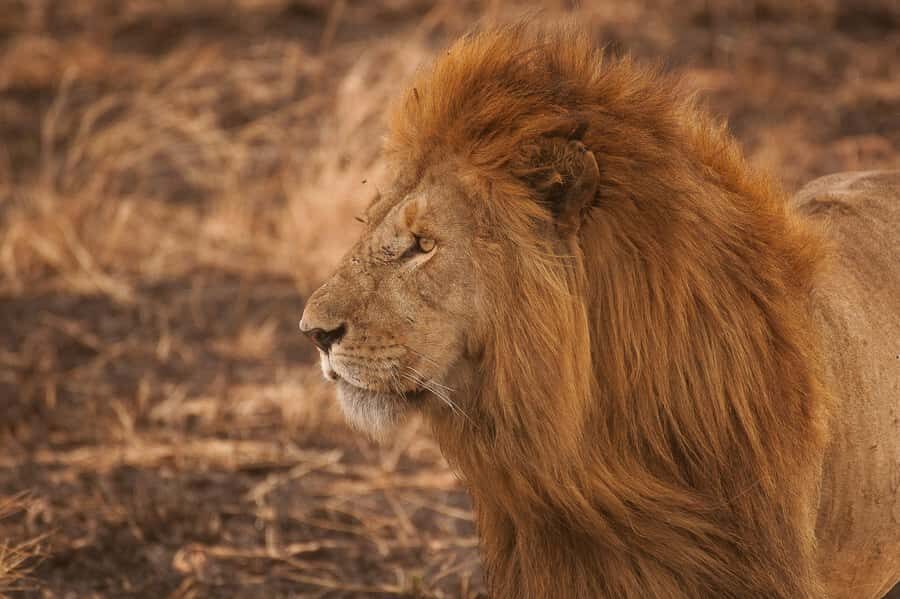
- Two days in Serengeti with morning and afternoon drives for better odds of great sightings
- Crater wildlife density at Ngorongoro Conservation Area, including a picnic in the crater
- Materuni hike + coffee tour that adds real local routine, not just sightseeing
- Cultural day finish with a swim at Chemka Hot Spring and a drop-off at 5pm
5 Days Through Northern Tanzania: What You Really Get for $1,360
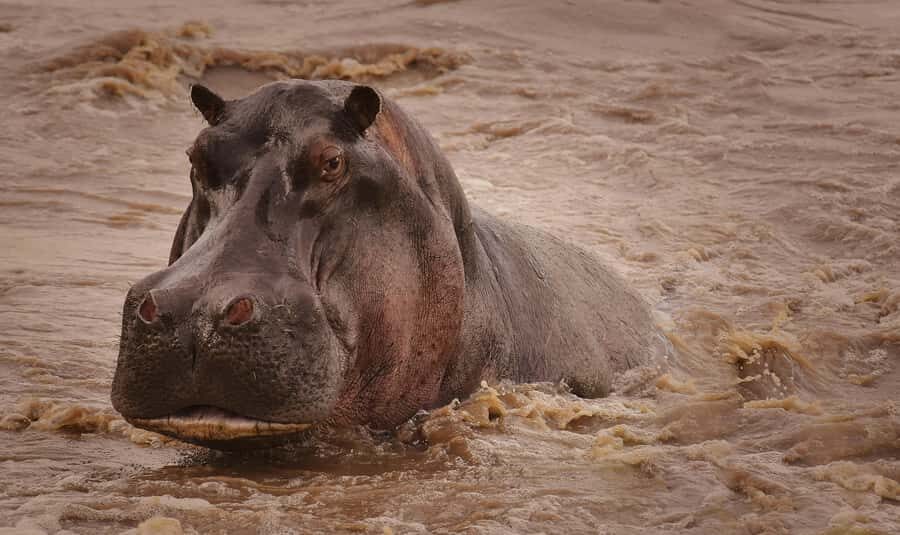
Let’s talk value first, because this itinerary is doing a lot in just five days. You’re paying $1,360 per person for transport, an English-speaking guide, government fees, meals and drinks, plus camping accommodation on the safari days. In practice, that means less hassle for you. You don’t have to coordinate park logistics or figure out how to stitch together separate tours across multiple regions.
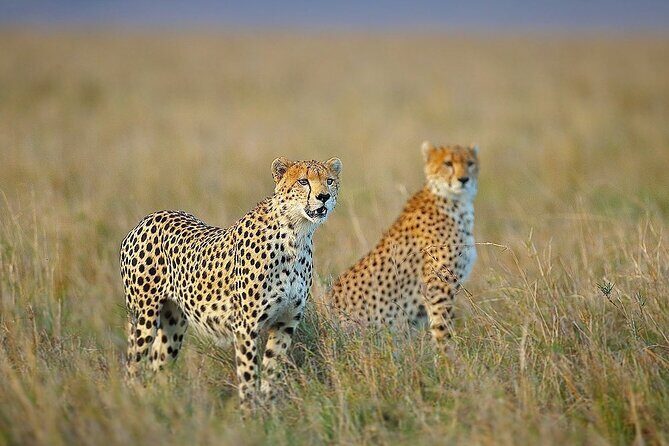
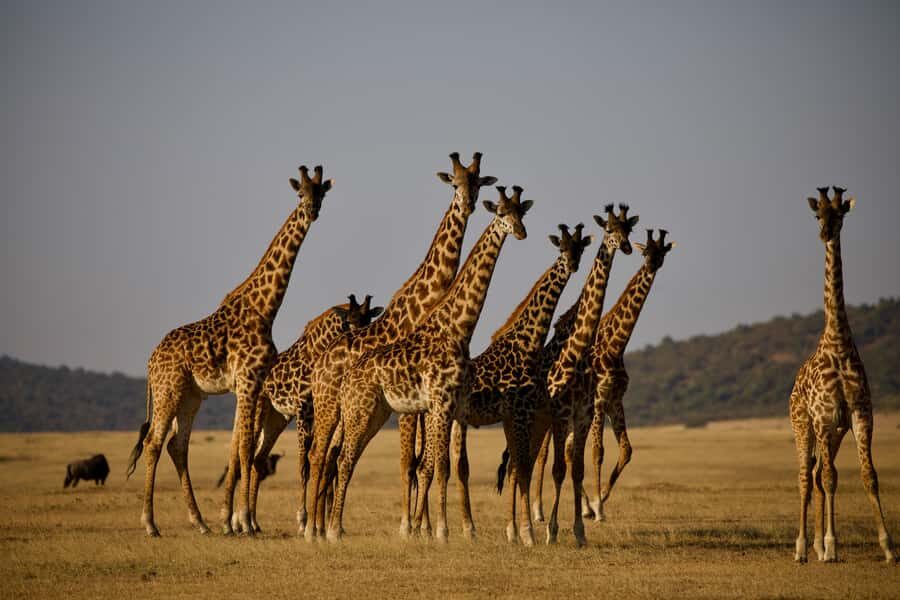
What you get is a classic northern Tanzania routing: Tarangire (elephants and baobabs), then Serengeti (big migration landscapes and constant wildlife action), then Ngorongoro Crater (one day with massive animal concentration), and finally the Materuni + Chemka cultural/outdoor finale. If you want one trip that covers the safari highlights and still gives you a day with hiking and local food, this fits.
The tradeoff is the pace and the camping realities. The schedule includes early departures (often around 8am), long drive days, and nights where comfort is not the top priority. If you’re the type who needs a plush bed to sleep well, you’ll want to read the next sections carefully.
A few more Arusha tours and experiences worth a look
Day 1: Tarangire National Park and Karatu Campsite
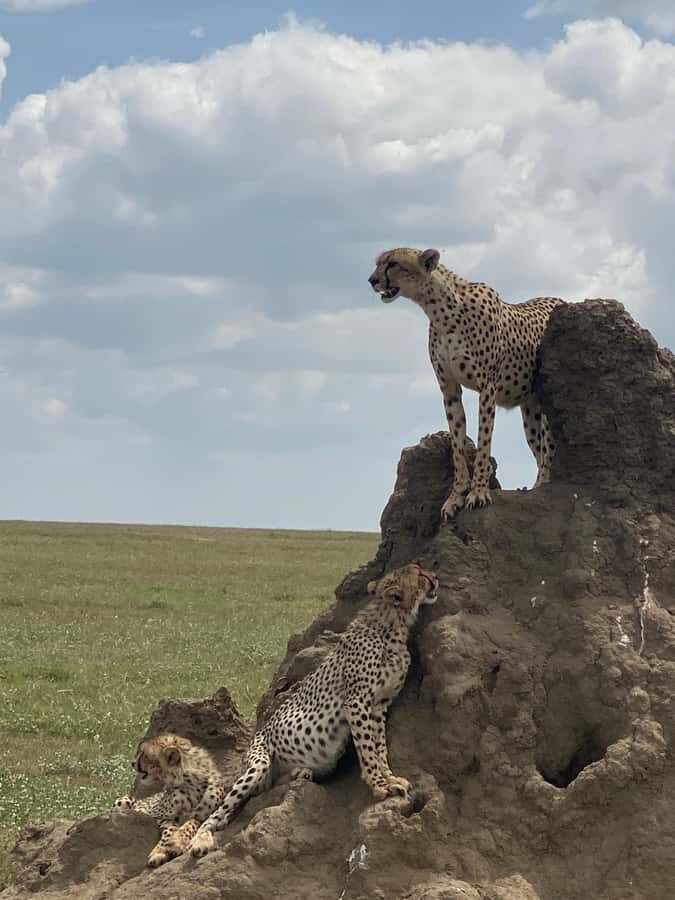
Day 1 starts with pickup at 7am in Arusha (or Moshi on request). Then you head out to a meeting point for an 8am departure into Tarangire National Park. This is the kind of start that helps you arrive early enough for good light and active animals.
In Tarangire, the big draw is the mix of large elephant herds, ancient baobab trees, and diverse bird species. That combination matters because it keeps the drive interesting even on days when you’re not getting constant big-cat drama. Elephants in particular can be powerful to watch up close—calm, slow, and occasionally completely indifferent to your presence.
Around 1pm you’ll have a packed lunch at the park, then continue with more game drive time. The timing is practical: you don’t lose the afternoon to a long detour. You should expect a full day outdoors before settling down.
By about 5pm, you travel to Karatu campsite for dinner and your first night of the camping stay. Karatu is where the “real safari rhythm” starts: dusty roads, the steady sounds of the bush at night, and a schedule that runs on wake-up calls rather than your phone alarm.
What to watch for on Day 1
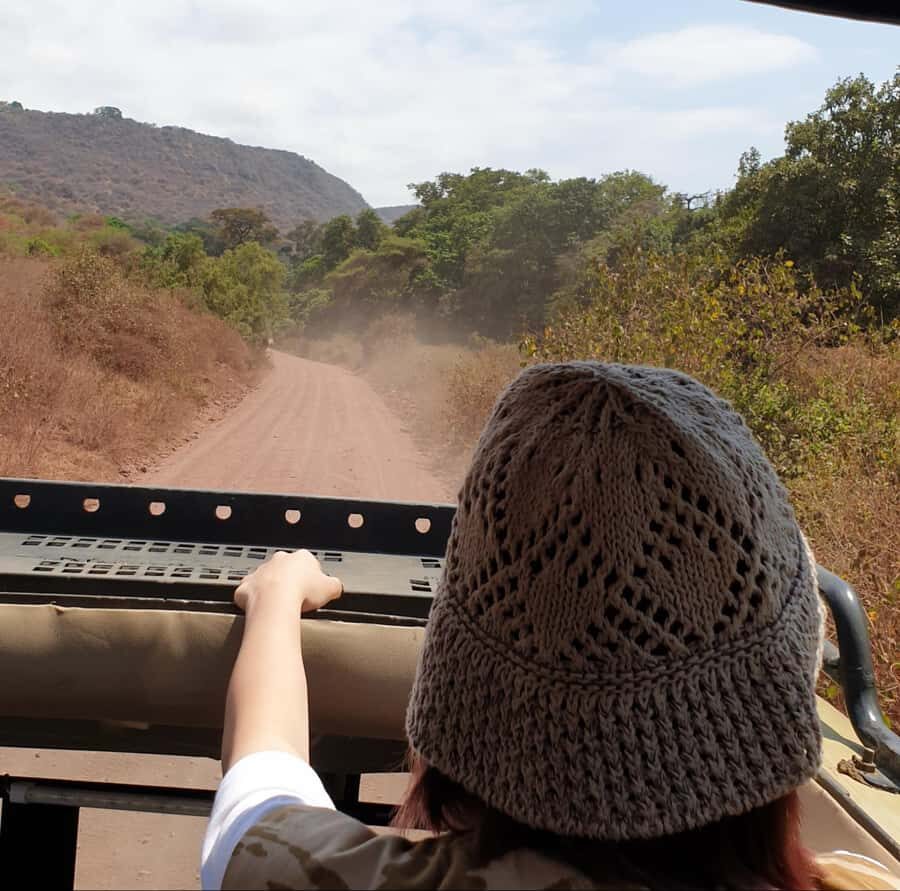
If you’re sensitive to long sitting, bring a small comfort kit—water, sunscreen, and something for your neck. You’ll be spending a lot of time in the vehicle on bumpy roads.
Days 2–3: Serengeti National Park With Two Full Drive Days
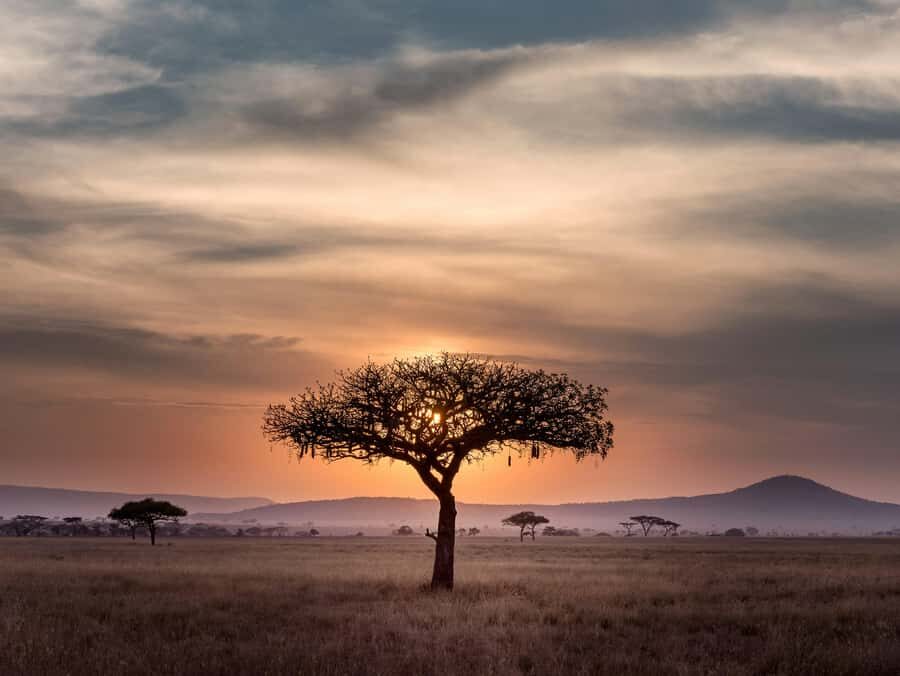
After an early breakfast, you leave for Serengeti at 8am. The itinerary gives you two full days in the park, with a picnic lunch and game drives in the afternoon and morning. That extra day is a big deal. In a five-day safari, you either get rushed drives or you get time. Here, you get time.
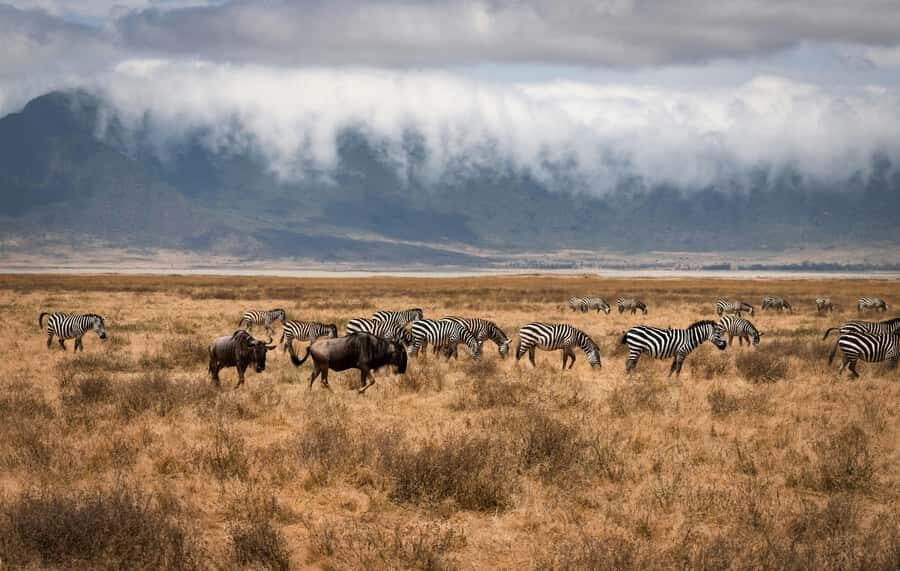
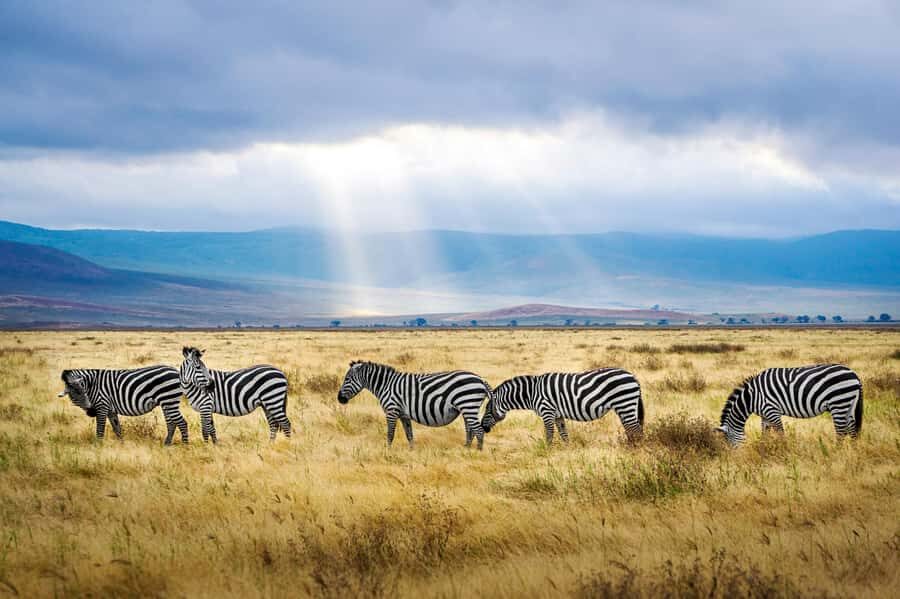
Serengeti is famous for the annual wildebeest migration, and you also get breathtaking scenery and heavy wildlife presence. Even if you’re not there during peak migration timing, the park’s structure keeps animals moving. You’re not just chasing one event—you’re learning how ecosystems work when animals are always on the move.
How the days are paced
On Day 2, you arrive for a picnic lunch, then do an afternoon game drive. You head to the campsite around 4–5pm for dinner and rest.
On Day 3, you get another early start for a morning game drive, then lunch, and another afternoon drive. Then it’s dinner and overnight at the Serengeti campsite again.
That rhythm is what you want if you’re serious about sightings. Morning and afternoon drives are different. Animals change behavior as the light shifts, and drivers often adjust where they look based on where herds and predators are likely to be.
A few more Arusha tours and experiences worth a look

Real talk about camping nights here
This is also where your sleep setup matters. One guest described the tent setup as basic, mentioning a thin foam mattress and a cold feel in the bedding setup. Another noted there was no obvious fire barrier for comfort. So if you book, plan like a camper, not a hotel guest.
Bring or rent what you need to sleep warm. Evenings can feel chilly, and if rainy weather rolls in, damp fabrics can make everything colder than expected. Your “best value” outcome depends on your gear as much as the itinerary.
Day 4: Ngorongoro Conservation Area and the Crater Picnic
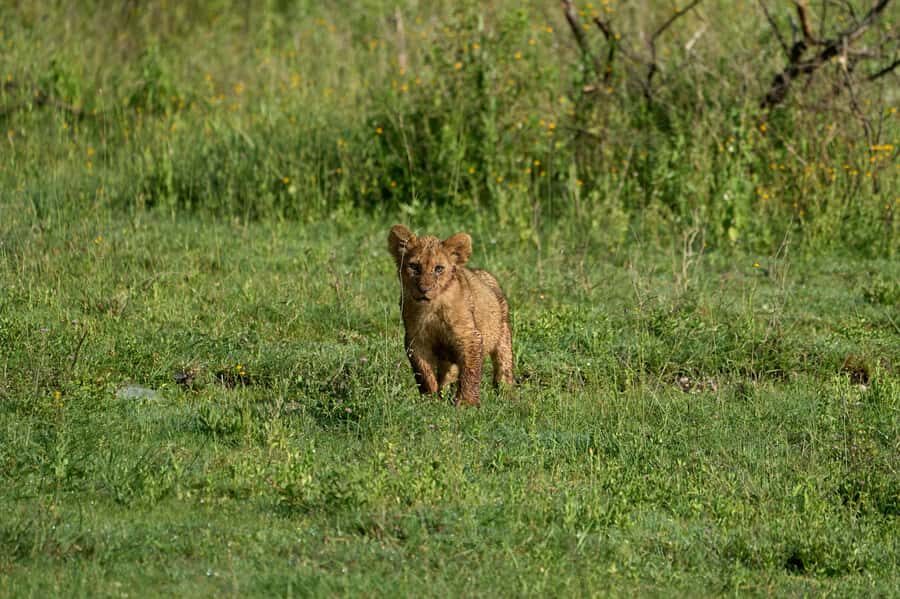
Day 4 is the big signature move: an 8am departure to the Ngorongoro Conservation Area, home to the Ngorongoro Crater—a UNESCO World Heritage Site often called the Eighth Wonder of the World.
This day is structured around one key experience: the crater’s wildlife concentration. If you’ve only ever seen animals spread out across open savanna, the crater is a different type of viewing. More animals can be visible in a smaller area, and that changes how your game drive feels.
You’ll enjoy a game drive in the crater and a picnic lunch there, so you’re not constantly leaving the crater zone to eat. It’s also a practical way to maximize daylight time underground-ish in the conservation area.
Then you depart for Arusha around 4pm and overnight in Tengeru at the provider’s cabin/accommodation site.
Why this stop is worth a full day’s attention
Ngorongoro works well as a “high density” day. You’re not just trying to see what’s out there. You’re learning how a closed ecosystem can concentrate grazing and predator activity. Even if you don’t catch every dream animal, the crater experience often feels complete because the wildlife isn’t spread too thin.
The evening in Tengeru is a nice contrast from camping. It’s still a safari schedule, but the cabin stay can give you a better reset before the final day of hiking and hot springs.
Day 5: Materuni Waterfall Hike, Coffee Culture, and Chemka Hot Spring
This final day is where the tour shifts from classic game drives to active and cultural experiences. You head to Moshi, with departure at 8am.
First up is Materuni Waterfall, described as the highest in northern Tanzania. That means you’ll be walking to a viewpoint that earns the effort. Wear shoes that can handle mud or slippery steps, especially during rainy seasons. One guest specifically recommended adequate footwear after experiencing the hike in cooler or wetter conditions.
After the waterfall, you’ll do a bean-to-cup coffee tour. The point isn’t just tasting coffee. It’s understanding the traditional process from fresh beans to the final drink. If you like travel that connects food to people, you’ll appreciate this part.
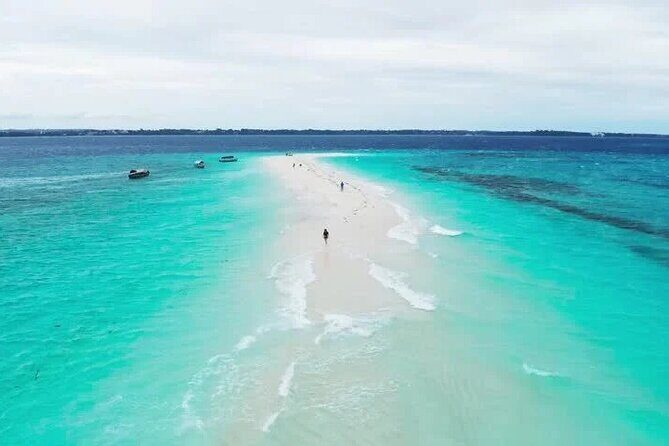
Then you get a typical local lunch, and later you go to Chemka Hot Spring. The tour includes time to have a refreshing swim, which is a smart way to close a safari that’s been mostly dusty roads and long vehicle hours.
The tour ends at Chemka around 5pm, where you’ll be dropped off.
How to get the most out of Day 5
Pack light but smart:
- water-friendly footwear or sandals for the hot spring
- a dry bag or plastic bag for your phone/camera
- a small towel if you have one
- a change of clothes for the ride back
This day feels like a reward day. The hike gives you movement, the coffee tour gives you context, and the hot spring gives you recovery.
Arthur and the Human Side: Guides, Cooking, and How Comfort Impacts the Trip
One of the highest praised aspects of this tour is the people running it. In at least one recent booking, Arthur was described as really helpful throughout the trip. That kind of support matters in Tanzania where timings can shift with road conditions, and where the difference between a good drive and a great drive is often the guide’s ability to interpret animal movement.
Food also came up positively. Guests highlighted that the guides and the cook delivered great meals. In a safari setting, meals aren’t just fuel. They also help you keep energy up across long drive blocks and early mornings.
Now, comfort: camping is included, but it’s not luxury. One guest felt the tent setup was more basic than expected, calling out thin padding and lack of barriers for privacy and warmth. They also mentioned the cold and issues with the camping facilities, including showers and toilets.
So I’ll put this plainly: you’re booking a safari experience, not a resort. If you’re willing to treat it like that—and prep your sleep and warmth—you’ll likely enjoy the adventure more.
Price and Logistics: When This Safari Feels Like a Win
At $1,360 per person, this tour is positioned as affordable for the number of major sites you cover. You’re not just doing one park. You’re doing three major safari areas plus a full culture/activity day with hiking and a swim.
The best way to think about the price is this: the included items remove a lot of hidden costs and planning time. You’re covered for pickups and drop-offs, guide fees, all government fees, food and drinks, and camping accommodation. That’s the difference between “cheap on paper” and “cheap because it’s streamlined.”
Your main “cost” is preparation:
- Bring the right footwear for the Materuni hike.
- Plan for cold or basic tent conditions on camping nights.
- Accept that showers/toilets may be simpler than what you’re used to.
If those points don’t scare you, the price can feel fair for what you’re getting.
Who This Safari Suits Best
This tour is a good fit if you want:
- classic northern Tanzania safari highlights in one package
- strong focus on wildlife time with morning and afternoon drives in Serengeti
- a final day that includes local culture and outdoor time (Materuni + coffee + Chemka swim)
- an English-speaking guide and guided support throughout
It’s less ideal if you’re expecting hotel-level comfort for the camping portion. If you do go, treat your sleeping setup as part of the itinerary, not an afterthought.
This is also a strong choice for people who enjoy planning less and following a clear schedule. The day structure is straightforward: pickup, drive, game drive, picnic lunch, campsite dinner, repeat.
Should You Book This 5-Day Joint Group Safari?
I’d book this safari if you want a focused northern Tanzania route and you’re okay with basic camping comfort in exchange for seeing the big-name places. The combination of Tarangire elephants/baobabs, two Serengeti drive days, Ngorongoro Crater’s concentrated wildlife, and a Day 5 that mixes hiking, coffee culture, and a hot-spring swim is exactly the kind of “all-in-one” trip that works.
Hold off or at least prepare better if you’re very sensitive to cold nights or you strongly dislike basic facilities. One real caution from recent experience: camping comfort may be thin, and sleeping gear matters more than you might expect. If you pack for that, you can turn the biggest downside into just a minor inconvenience.
If you’re flexible, love animals, and want your trip to include real local life—not just drives—this one makes sense.
FAQ
Where does pickup happen, and what time?
Pickup is at 7am from your hotel in Arusha. If you request it, pickup can be from Moshi.
What are the main parks and places included?
You visit Tarangire National Park, Serengeti National Park, Ngorongoro Conservation Area/Ngorongoro Crater, Materuni Waterfall (including a coffee tour), and Chemka Hot Spring.
What’s the daily schedule like for safari game drives?
There are game drives on each safari day. Tarangire includes a midday packed lunch in the park, Serengeti includes a picnic lunch and drives in the morning/afternoon across two days, and Ngorongoro includes a game drive plus a picnic lunch in the crater.
Do you camp on this tour?
Yes. The tour includes camping accommodation, with overnight stays at Karatu campsite and Serengeti campsite during the safari portion.
Where do you sleep on the final safari day?
On Day 4 you overnight in Tengeru at the provider’s cabin/accommodation site.
Is there hiking?
Yes. On Day 5 you hike to Materuni Waterfall.
Is the coffee tour included?
Yes. On Day 5, you’ll do a bean-to-cup coffee tour and have a typical local lunch.
Can you swim at Chemka Hot Spring?
Yes. Day 5 includes time to swim at Chemka Hot Spring.
How is the tour guide language handled?
The tour includes a live tour guide in English.
Is cancellation and pay-later booking available?
The tour offers free cancellation up to 24 hours in advance for a full refund, and it also offers reserve now & pay later so you can keep plans flexible.