REVIEW · ARUSHA
4 Day Tanzania Luxury Safari
Book on Viator →Operated by Serengeti African Tours · Bookable on Viator
Wildlife at three iconic parks.
This 4-day luxury safari is built around big-name Tanzania stops—Lake Manyara, Serengeti, and Ngorongoro Crater—but it’s the in-between details that make it feel smooth. You’re moving in a 4×4, guided by an English-speaking pro, staying at safari lodges, and getting meals handled so you can focus on wildlife spotting instead of logistics.
I especially like how the route balances different ecosystems: forested slopes at Manyara, the open Seronera plains of the Serengeti, then a huge crater full of predators and water. I also like that the trip includes all national park fees and meals (breakfast, lunch, dinner) plus mineral water. One consideration: alcohol, tips, and Arusha hotel nights are not included, so your final cost can creep up if you plan to drink at the lodge or if you need an extra night in Arusha.
In This Review
- Key things I’d mark on your planning map
- Entering the Tanzania “big three” in a luxury rhythm
- Arusha pickup, 4×4 comfort, and what long drives actually mean
- Lake Manyara: baboons, tree-climbing lions, and a park that punches above its size
- Serengeti National Park near Seronera: where river water pulls wildlife close
- Olduvai Gorge: a history pause that helps you see Africa differently
- Ngorongoro Crater: the 600-meter descent that changes everything
- Luxury lodges, solid meals, and the small comfort upgrades you feel
- Price and value: $3,182.06 per person and what you get for it
- Who should book this luxury safari
- Should you book? My honest recommendation
- FAQ
- How long is the 4 Day Tanzania Luxury Safari?
- Where does the safari take place?
- Is pickup offered?
- What vehicle is used for transportation?
- Are meals included?
- Are national park fees included?
- What’s not included in the price?
- Is the tour private?
- Can I cancel for a full refund?
Key things I’d mark on your planning map
- Lake Manyara’s animal variety across woodlands, swamps, cliffs, and hot-spring areas
- Seronera game drives where the Seronera River brings wildlife into a reliable zone
- Ngorongoro’s 600-meter descent that puts you fast into crater-time action
- Olduvai Gorge history stop tied to Leakey discoveries of early humans
- Luxury lodge consistency with dinners and overnights at Serena properties
- Private-group pace where you’re not sharing your schedule with strangers
Entering the Tanzania “big three” in a luxury rhythm
This safari is a classic route, but it’s done with a comfort-first mindset. You’ll be out in the parks during prime viewing windows, then back to lodges for proper meals and rest. That rhythm matters because safari days are long, and tired eyes miss the small stuff.
The tour is private, meaning it’s only your group. That usually translates to fewer delays and a more flexible feel in the vehicle, especially when your guide is trying to match animal movement with the best viewing angle.
A few more Arusha tours and experiences worth a look
Arusha pickup, 4×4 comfort, and what long drives actually mean
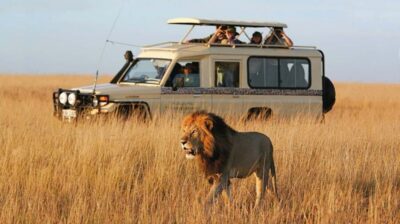
You’ll start from the Arusha area, with pickup offered. Transportation is in a 4×4 safari vehicle, and you’ll be set up with mineral water along the way.
A real-world point: Tanzania road time can feel like a lot on day one and day two, because you’re crossing from the Arusha region toward the park zones and then working your way into the Ngorongoro area. The best way to handle it is practical—bring a warm layer, keep your camera/phone gear organized, and expect that you’ll do a fair amount of sitting before you do a fair amount of watching.
Also, the start time is listed as 12:00 am. That’s unusual on paper, so I’d treat this as a prompt to confirm your exact pickup window in your final confirmation message.
Lake Manyara: baboons, tree-climbing lions, and a park that punches above its size
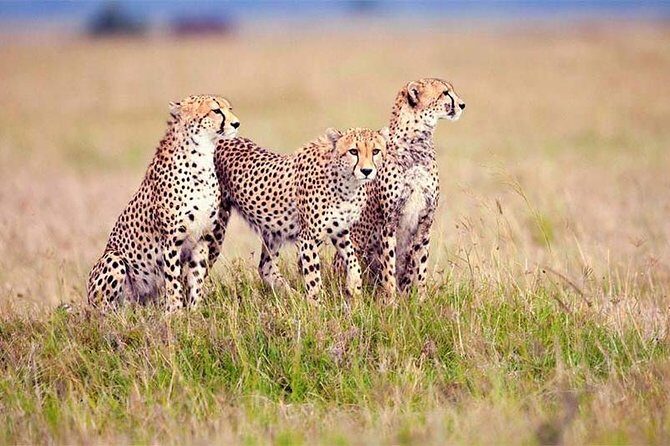
Lake Manyara National Park is small on a map, but it plays big. The area has multiple habitats packed together: acacia woodlands, water forests, baobab-strewn cliffs, swamps, and the lake itself. Even the hot springs area is part of the mix, which helps explain why wildlife and birds show up across a range of micro-places.
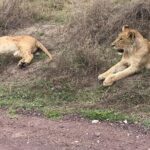
This stop is also known for some standout animal personality. Manyara has the largest concentration of baboons anywhere in the world, and the lions here are famous for tree climbing. That doesn’t mean you’ll see everything every drive, but it does mean your guide can set expectations for behavior that’s a bit different from other parks.
You’ll have dinner and overnight at Lake Manyara Serena Lodge. One practical upside of doing Manyara first is that you’re still warming up your eyes—learning what “moving cues” look like for birds, baboons, and predators before you hit the wider Serengeti plains.
Possible drawback to plan for: Manyara can be excellent for wildlife, but it’s also weather-and-water sensitive in terms of where animals concentrate. If it’s a dry stretch or conditions shift, your guide may need to work a bit harder to find the exact scene you hoped for.
Serengeti National Park near Seronera: where river water pulls wildlife close
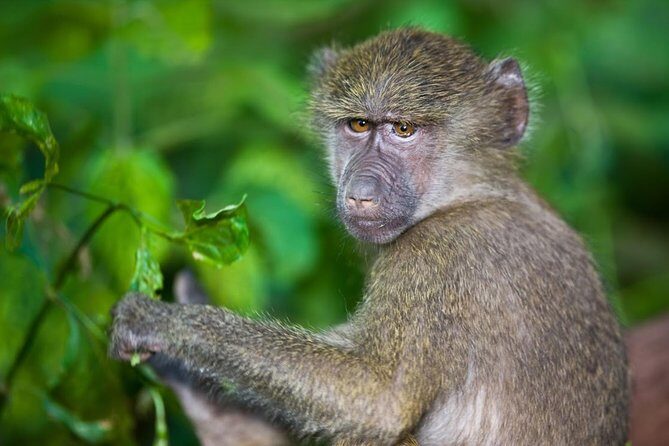
Then you roll into the Serengeti, one of those places where the horizon looks like it goes on forever. The itinerary emphasizes the central park area—Seronera—which is watered by the Seronera River. When a dependable water source sits in a region like this, wildlife tends to show up more consistently, because everyone needs hydration and food.
Plan for an afternoon game drive in Serengeti after lunch. Afternoon drives can be great for action—some animals move more actively as temperatures shift—though you may also want to lean on your guide to help pick the best timing for your specific day.
In terms of what you’ll actually see: the Serengeti is famous for its classic scenes, but the value here is in how the guide reads the landscape. On this kind of route, you’re not just scanning randomly—you’re being taken to a zone that supports a wide range of species, with the river acting like a natural meeting point.
You’ll sleep at Serengeti Serena Lodge, which keeps the “game drive to dinner” loop tight. That matters because the best wildlife sightings often come with a surprise twist, and you don’t want to spend your evening stressed about timing.
Olduvai Gorge: a history pause that helps you see Africa differently
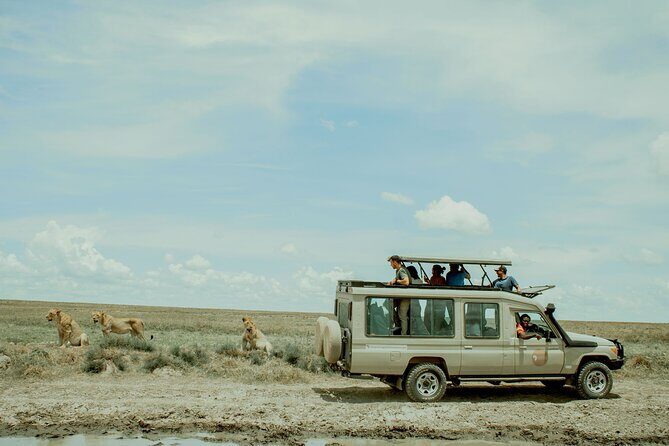
One of the more thoughtful parts of this safari is the stopover at Olduvai Gorge on the way to the Ngorongoro Conservation Area. This is tied to early human evolution research, including discoveries associated with Drs. Lois and Mary Leakey.
The names people remember from this site are Nutcracker Man and Handy Man. Even if you’re not a history nerd, this stop gives you a grounded perspective: while you’re riding through living ecosystems and hunting for lions on the move, the region also connects to deep time—when humans were learning how to survive and adapt.
Practically, this is also a break from pure vehicle time. You’ll have a chance to reset before the crater-focused days ahead.
A few more Arusha tours and experiences worth a look
Ngorongoro Crater: the 600-meter descent that changes everything
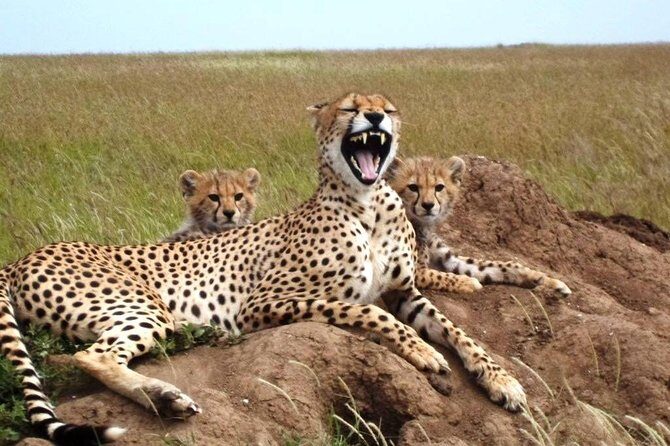
Ngorongoro Crater is the kind of place that makes you understand scale. After an early start and a descent of over 600 meters into the crater, you’re instantly surrounded by wildlife habitat and crater conditions that keep animals feeding and moving year-round.
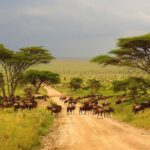
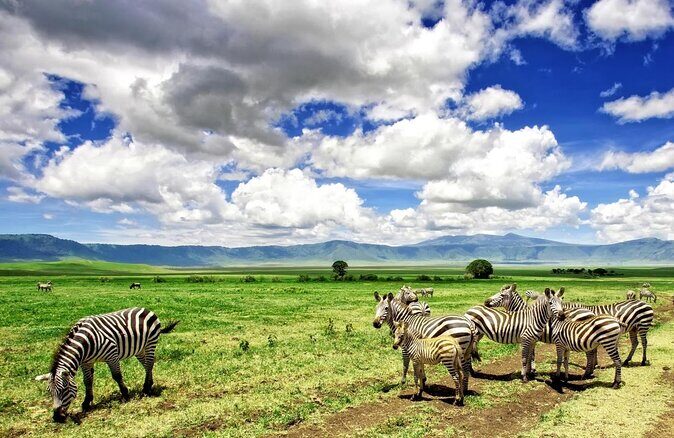
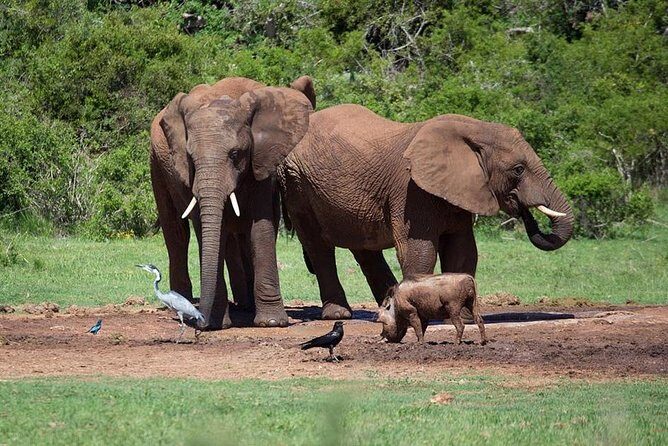
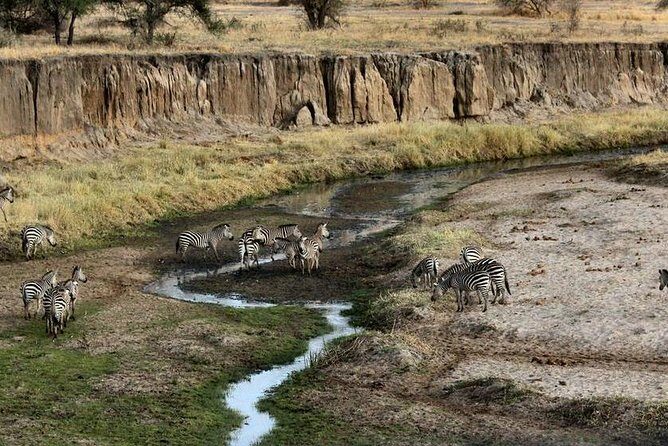
A big reason this works so well as a safari day is water and food availability inside the conservation area. You’ll have a chance to look for herds of wildebeest and zebra, along with buffalo, eland, warthog, and even hippo. Giant African elephants are also listed among the animals you may see here, which is a reminder that crater viewing isn’t only about predators and grazing.
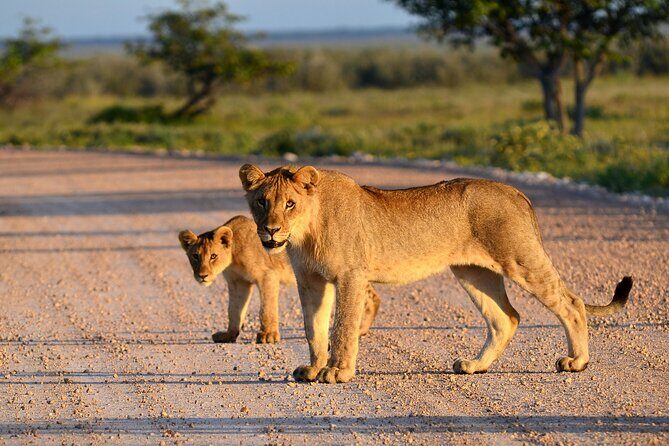
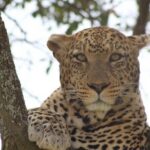
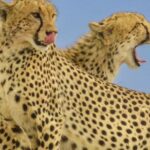
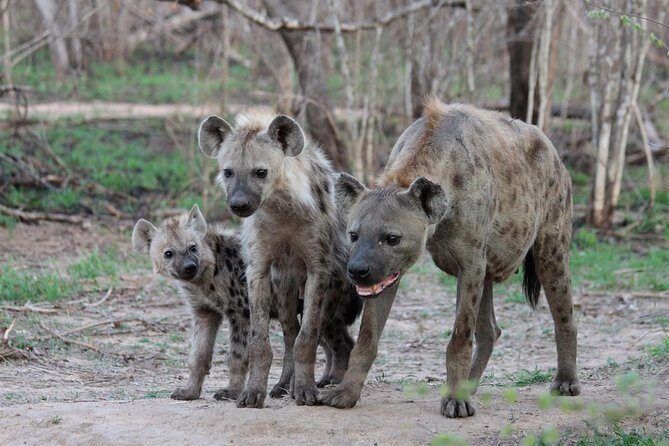
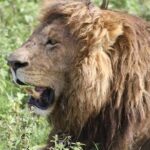
Predators are a major draw too, including lions, hyenas, jackals, cheetahs, and the elusive leopard. Leopard sightings can take time and sharp eyes, and that’s exactly where having an experienced guide helps. Your best strategy is to keep your attention on likely sighting points and to let your guide position the vehicle for safe, steady viewing.
The itinerary also includes a visit to Lake Magadi, a large but shallow alkaline lake in the southwestern corner of the crater. That detail matters because lakes change how animals behave—where they travel to drink, where they feed, and where predators wait. In other words, it’s not just scenery; it’s part of the wildlife logic.
You’ll have dinner and overnight at Ngorongoro Serena Lodge after the early crater day.
Luxury lodges, solid meals, and the small comfort upgrades you feel
This tour includes breakfast, lunch, and dinner across the days listed, plus mineral water. Lodges handle the heavy lifting: meals are planned, timing is coordinated with your drive schedule, and you’re not spending half the trip searching for food spots.
Luxury here doesn’t mean you’re in a resort with a spa menu and a beach bar. It means you’re in safari lodges designed for comfort after long, bumpy days in the field—often with better buffers for rest, warm showers, and good dining when you’re ready to recharge.
The reviews you’ll see for this operator often highlight the guide experience and vehicle condition, including the value of having a vehicle setup that supports viewing. On safari, comfort is practical: you want to stay relaxed enough to spot motion, and you want a setup that helps you see without constantly shifting your position.
If you care about photo time, pay attention to the game-drive routine. Your guide’s stop-and-scan decisions can make the difference between a quick glance and a moment you can actually frame.
Price and value: $3,182.06 per person and what you get for it
At $3,182.06 per person for a 4-day safari, this isn’t a budget deal. The question is value, not sticker shock.
Here’s why the price can make sense: the tour includes all national park fees, transportation in a 4×4 safari vehicle, a professional English-speaking guide, and meals for the days listed. When park entries, game-drive logistics, and most dining are already covered, you don’t end up with that annoying “add-on stack” that some trips have.
That said, the not-included items matter. Alcohol, soft drinks, visa fees, and tips aren’t included. Also, if you need lodging in Arusha itself before the safari starts, that’s arranged on request rather than built into the package.
My practical take: this is best value if you’ll actually use what’s included. If you plan to skip alcohol, you’re likely to stay closer to the baseline. If you need an extra Arusha night, budget that up front so you’re not surprised later.
Who should book this luxury safari
This safari fits best if you want the famous Tanzania parks without spending your attention on logistics. You like the idea of a guided route that moves you between major ecosystems—Manyara, Serengeti, and Ngorongoro—in a short window.
It’s also a good fit for couples and families who want a private pace. The vehicle and schedule are set so you can focus on wildlife and not feel like you’re constantly merging with other groups.
If you’re the type who hates early mornings or long drives, this might feel like too much. The itinerary is built around early game drives and moving between regions, and that’s not a small demand.
Should you book? My honest recommendation
I’d book this safari if you want a smooth, guided luxury version of Tanzania’s top wildlife circuit. The combination of park diversity (woodlands to plains to a crater), strong animal viewing structure (especially around Seronera and Ngorongoro), and lodge-based comfort makes it a smart way to spend a limited number of days.
But I’d hesitate if your budget is tight or if you know you’ll want to add Arusha nights and ongoing drinks at the lodge. In that case, you may be happier with a shorter or more basic package—or at least do a quick reality check on your tip and alcohol expectations before you commit.
If you do book, pack for early drives and keep your camera ready. Ngorongoro can be the day where everything clicks.
FAQ
How long is the 4 Day Tanzania Luxury Safari?
It’s listed as 4 days (approx.).
Where does the safari take place?
The experience is located in the Arusha area, Tanzania, with stops at Lake Manyara, Serengeti National Park, and Ngorongoro Crater.
Is pickup offered?
Yes, pickup is offered.
What vehicle is used for transportation?
You travel in a 4×4 safari vehicle.
Are meals included?
Yes. Breakfast, lunch, and dinner are included according to the itinerary, along with mineral water.
Are national park fees included?
Yes. All national park fees are included.
What’s not included in the price?
Alcoholic and soft drinks, visa fees, tips, and personal spending for souvenirs are not included. Accommodation in Arusha can be arranged upon request.
Is the tour private?
Yes. It’s a private tour/activity, and only your group will participate.
Can I cancel for a full refund?
Yes, you can cancel up to 24 hours in advance for a full refund. If you cancel less than 24 hours before the start time, the amount paid won’t be refunded.