REVIEW · ARUSHA
Arusha National Park Day Trip
Book on Viator →Operated by Moonlight Tours Expedition · Bookable on Viator
If you want a safari that feels up close, this delivers. The big reason I like the Arusha National Park day trip is the walking safari with a ranger, including a walk toward the crater of Meru, where you experience the park beyond the usual car window. Add a second highlight—the Momela Lakes stretch where you can spot pink flamingos—and you get a full day that mixes action with scenery you don’t have to race through.
Two things I’d put at the top of the list: the chance to walk in the tropical forest instead of only driving, and the way the plan moves you from one end of the park to the next (forest to crater to lakes) without leaving you stuck in one habitat all day. The guides’ tone also matters, and names like Freddy and Kamu show up in feedback for patience and for showing you the areas properly, not just rushing past them.
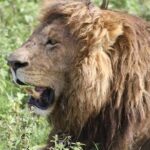
One consideration before you book: Arusha National Park does not have large predators. So if your personal safari wish-list is built around big-cat or lion-level drama, this trip may feel more “wildlife-watching and trekking” than “instant predator encounter.”
In This Review
- Key Points at a Glance
- Why Arusha National Park Works for a Full-Day Safari
- The Drive from Arusha and How It Sets Your Day
- Walking Safari in Tropical Forest Toward Mount Meru Crater
- Jeep Time to Momela Lakes for Flamingos and Water-Edge Wildlife
- Wildlife Mix: Giraffes, Primates, Herbivores, and the No-Predator Factor
- Your Guide and the Private 4×4 Advantage
- Price and What You’re Getting for $300
- Lunch, Mineral Water, and How to Plan Your Breaks
- Who This Day Trip Suits Best
- How to Prepare for a Walking-and-Drive Safari Day
- Should You Book This Arusha National Park Day Trip?
- FAQ
- How long is the Arusha National Park day trip?
- What does the tour cost?
- Is this tour a private experience?
- What’s the main wildlife experience on this day trip?
- What’s included in the price?
- What isn’t included?
- What if the weather is bad or I need to cancel?
Key Points at a Glance
- Walking safari to the Meru crater zone with a ranger-led trek you can do at a light trekking pace
- Momela Lakes stop for pink flamingos and lots of life around the water
- No large predators, so think herbivores, primates, giraffes, and close observation
- Private 4×4 transport that keeps your day efficient and tailored to your group
- Lunch and mineral water included, plus all park entry fees
- Guide credibility shows up in real names, including Freddy, Kamu, Fredrick, Michael, and Osward
Why Arusha National Park Works for a Full-Day Safari
Arusha National Park is Tanzania’s most accessible park in a very practical way: it’s close enough to Arusha that you can enjoy a true safari day without losing half your vacation to long drives. The park is also different in feel. You’re not stuck in one long loop of vehicle sightings; the day is designed to put you on foot for part of the experience.
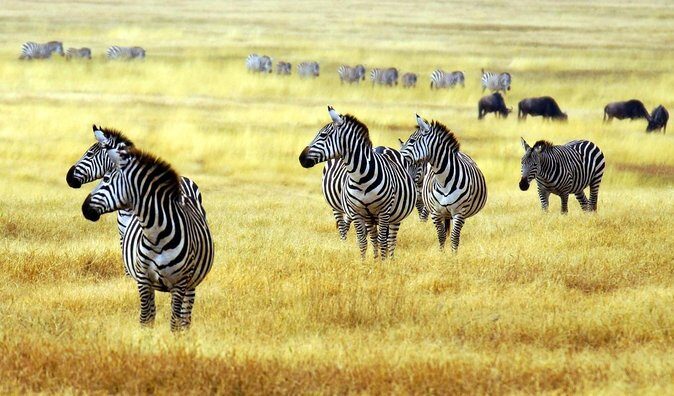
Wildlife variety is another big reason people enjoy it. You’ll find a large giraffe population (the park is known for being home to Africa’s largest giraffe numbers), plus multiple primate species and plenty of large herbivores. And because there are no large predators, the “vibe” is calmer. You’ll likely spend more time watching animal behavior at closer range rather than bracing for a sudden chase.
The park’s geography also adds a fun twist. Meru’s crater is inside the park area you’re visiting, so your trek isn’t random or generic—it’s tied to one of Tanzania’s standout features. That makes this day trip feel more like a specific experience than a generic game drive.
A few more Arusha tours and experiences worth a look

The Drive from Arusha and How It Sets Your Day
You’re starting in Arusha, with the park roughly a 45-minute drive away. That matters more than it sounds. A short transfer gives you energy for the walking part, and it keeps the day from feeling like a travel day plus a quick stop.
Your tour runs about 8 to 10 hours total, and you’ll return back to the meeting point at the end. Your group is private, meaning only your party participates. In a place like this, private time often means less waiting, less shuffling, and more time with your guide when questions come up.
One thing to double-check is the start time shown as 12:00 am. Your confirmation should confirm the real pickup timing for your specific booking. I’d treat the displayed start time as a placeholder until your details arrive.
Walking Safari in Tropical Forest Toward Mount Meru Crater
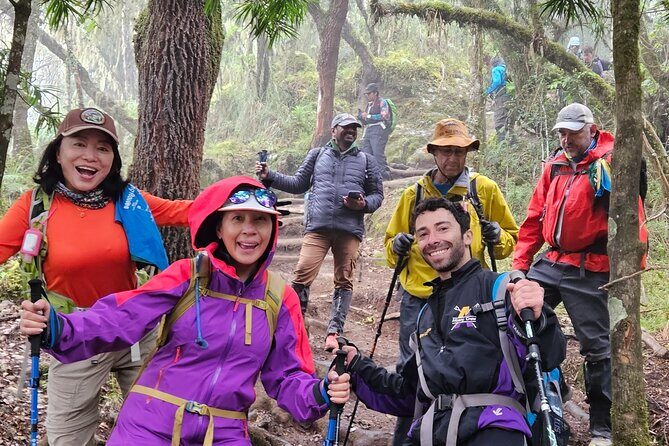
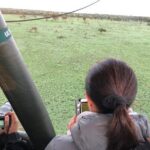
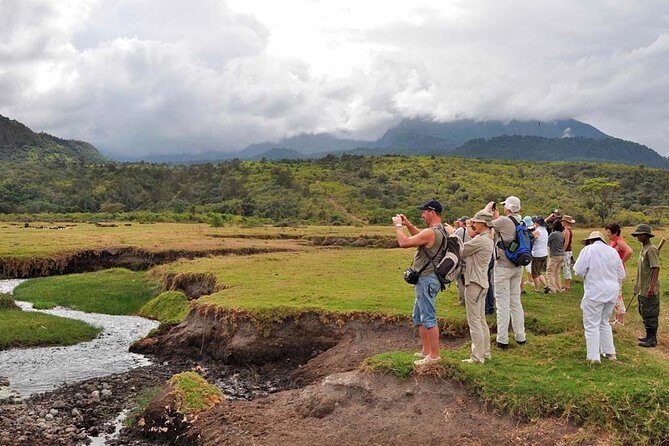
This is the heart of the day. After you enter the park area, your safari includes a light trekking experience with a ranger, which is how Arusha National Park does something Tanzania does differently. You’ll walk in a tropical forest, and animals are something you watch outside the car, not only through a windshield.
Walking safaris change your attention. In a vehicle, you tend to look where the guide points. On foot, you’re scanning the ground line, the understory, and the edges of clearings. If you’ve ever wanted to feel like you’re part of the habitat instead of watching it from the road, this is the moment.
The most memorable detail is the chance to walk toward the crater of Meru, tied to Meru’s status as the second highest peak of Tanzania and the fifth highest in Africa. Even if you don’t think of yourself as a serious hiker, this part is still framed as a light trekking experience with a ranger. That balance—adventure, but not extreme—makes it easier to plan around.
Practical reality: walking in the forest means you’ll want to be ready for uneven ground and a more sensory experience than a car ride. Your guide and ranger are the ones who set the pace, but you’ll still want footwear with traction and clothes you feel comfortable moving in for the better part of the morning/early day segment.
After the walking portion, you shift gears. A jeep handles the next leg, taking you farther into the park.
Jeep Time to Momela Lakes for Flamingos and Water-Edge Wildlife
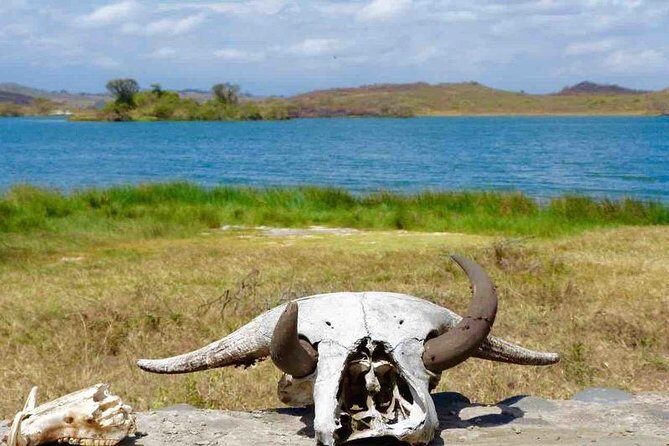
Once your trek is complete, the day continues by jeep, driving you to the furthest part of the park: Momela lakes. This change matters because it gives you a different kind of wildlife viewing—more open water-edge and bird-life possibilities than dense forest walking.
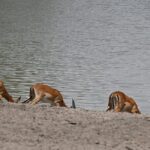
Momela Lakes is where the day gets extra photogenic. Pink flamingos are a major draw here, and the lake area also supports plenty of other animal activity around the water and shoreline habitats. The route itself also offers wildlife chances, since you’re seeing the transition from one region of the park to the other.
If you’re the type who likes a “two-part” safari day, this works well. You get walking time that feels intimate, then a vehicle segment that lets you cover ground and re-focus with a fresh batch of wildlife sightings.
Wildlife Mix: Giraffes, Primates, Herbivores, and the No-Predator Factor
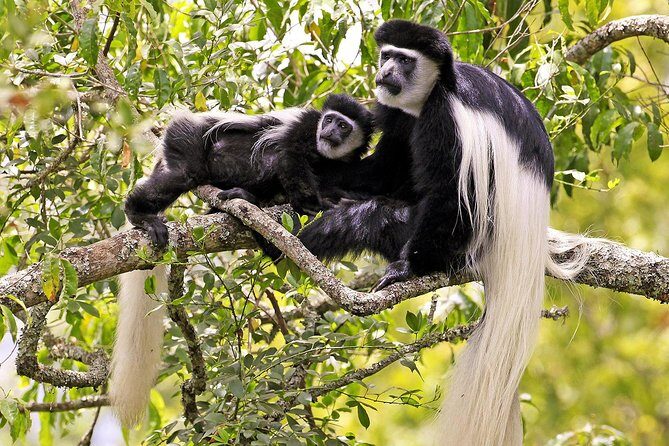
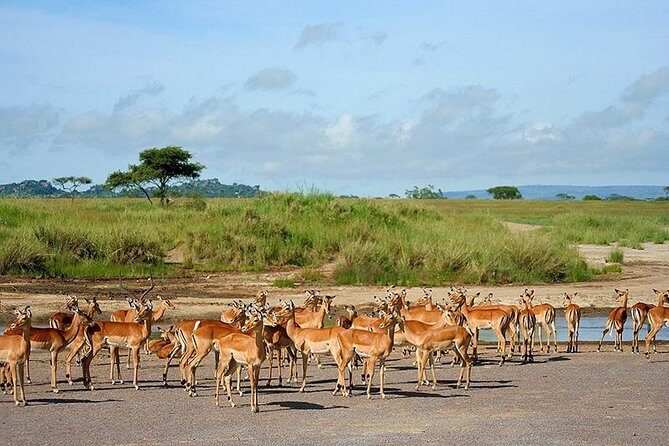
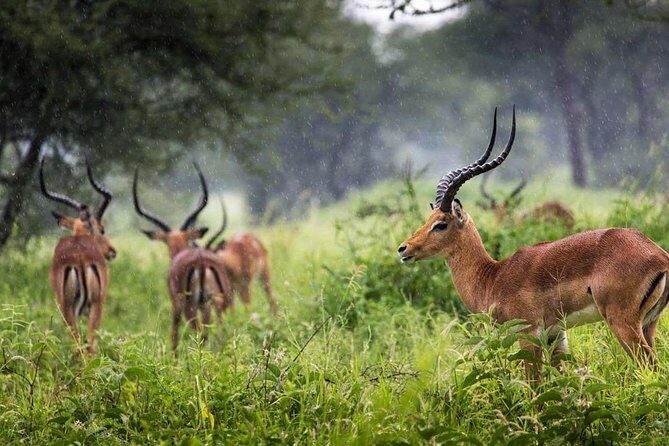
Arusha National Park is all about variety, but it’s also important to set expectations. The park is home to Africa’s largest giraffe population, so giraffe sightings are a fair bet when you’re moving around appropriate habitats. There are also multiple primate species, which can be exciting if you enjoy behavioral watching—call-and-response sounds, foraging, movement through branches, and the way groups stay alert.
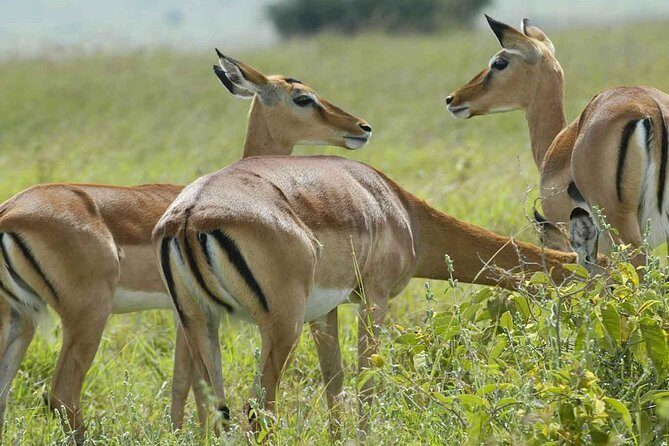
Large herbivores show up as well, and this is one of the reasons the “no large predators” detail is such a big deal. Without large predators, the park tends to feel less tense. That doesn’t mean you won’t see impressive moments. It means the drama often comes from feeding behavior, social dynamics, and animals going about their day, rather than from a sudden hunt.
So the biggest “fit” question is simple: do you want a day that’s more about walking, water-edge wildlife, and broad species watching? Or do you specifically want classic big-predator tension? If your wish-list is big cats, you may feel the park is too calm for that style of safari.
Your Guide and the Private 4×4 Advantage
A safari day lives or dies by your guide’s skill and pace, and the feedback here gives you reason to pay attention to that. Names like Freddy and Kamu come up for patience and for showing you the areas properly. Other feedback credits a team with Fredrick, Michael, and Osward for being super professional—people who knew the industry well and carried that confidence into the experience.
That matters because Arusha National Park includes two very different modes: walking and vehicle viewing. You want a guide who can manage both without turning the day into a rush. A private tour helps, too. You’re not coordinating with a large mixed group, and you’re less likely to lose time due to someone being late or confused.
Transportation is in a 4×4 safari vehicle, with private transportation as part of the package. Combined with the tour length, that means you can actually fit the walking segment and the Momela Lakes segment into one day without feeling like you’re stuck in transit.
Also, it’s worth noting the tour includes all entry fees, which removes one chunk of “unknown cost” from the day. You’ll still need to handle visa fees (if relevant to your travel), but park entry and core tour access are handled.
Price and What You’re Getting for $300
At $300 per person, the question isn’t just whether it’s expensive. It’s what you’re paying for. In this case, the price bundles in several items that add up fast on safari days: transportation in a 4×4, a professional safari guide, private transportation, lunch, mineral water, and all entry fees.
For me, that makes it easier to judge value. If you have to pay for vehicle time, guide time, and entry fees separately, a “day trip” can start to cost like multiple half-days. Here, you’re getting a guided day with both a trekking component and a vehicle component, plus the meals plan that includes lunch.
The items not included are also clear: visa fees, tips, personal spending for souvenirs, and travel insurance. Those are normal exclusions, but it’s helpful to budget them early so the final total feels predictable.
Bottom line: if your priority is a structured, guided day that’s more than a quick drive-by, this price starts to make sense.
Lunch, Mineral Water, and How to Plan Your Breaks
You’ll have a lunch included plan and mineral water during the day. That’s a practical win, especially when part of the morning includes walking in tropical forest conditions and you’re then switching to vehicle time.
Because the day lasts about 8 to 10 hours, I recommend treating lunch as your anchor point. Eat when it’s offered, drink water steadily, and don’t wait until you feel “behind.” Even if you’re not a big snacker, having lunch handled is one less thing to manage while you’re focused on wildlife.
If you’re someone who gets hungry between activities, you might still want a little personal budgeting for snacks—though the only meal explicitly included is lunch, so anything extra becomes personal spending.
Who This Day Trip Suits Best
This is a great option for you if you want Tanzania without the long overnight logistics, but still want more than a standard car-only game drive. It’s also a strong match for families and for people who like walking safaris or just want a different pace.
You’ll also likely enjoy it if you’re interested in primates and herbivores as much as classic predators. The park is built around giraffes, primates, and herbivore-rich habitats, plus bird-life at the lakes.
On the other hand, if you’re traveling with very limited mobility or you’re hoping for an intense, strenuous hike, you might want to think carefully. The trekking is described as light, but it still is trekking in a tropical forest environment.
How to Prepare for a Walking-and-Drive Safari Day
I’d pack smart for comfort rather than gear fantasy. The day includes a light trekking portion with a ranger, plus long-ish vehicle time afterward. Wear closed-toe shoes with grip, and choose clothing that you’re fine getting a little warm and active in.
Bring your own personal spending budget for extras like souvenirs, since that’s not included. Also remember that tips aren’t included, so decide ahead of time what feels fair for your guide and driver service.
If you’re a photo person, this type of itinerary is a real advantage: walking time helps you catch behaviors, while Momela Lakes offers bird-life opportunities. You’ll have different chances throughout the day, not just one long stretch.
Should You Book This Arusha National Park Day Trip?
I’d book it if you want a day that feels hands-on—especially because it includes a walking safari with ranger guidance and a trek toward the crater of Meru, then a shift to Momela Lakes for flamingos and water-edge wildlife. The structure is clear, the park is accessible, and the value math is helped by the fact that entry fees, 4×4 transport, lunch, and mineral water are included.
I’d skip it (or at least adjust expectations) if your main goal is big predators. Arusha National Park is not built for that kind of tension. It’s built for close observing, walking safari experiences, giraffes, primates, herbivores, and bird-life.
If you want an authentic Tanzanian day without turning it into a multi-day safari trip, this one is a strong fit.
FAQ
How long is the Arusha National Park day trip?
It runs about 8 to 10 hours.
What does the tour cost?
The price is $300.00 per person.
Is this tour a private experience?
Yes. It’s listed as a private tour/activity, meaning only your group participates.
What’s the main wildlife experience on this day trip?
The experience includes a walking safari with a ranger through tropical forest, with the chance to walk toward the crater of Meru, followed by a jeep drive to Momela lakes for wildlife viewing and pink flamingos.
What’s included in the price?
Included are 4×4 safari vehicle transportation, a professional safari guide, private transportation, lunch, mineral water, and all entry fees.
What isn’t included?
Not included are visa fees, tips, personal spending money for souvenirs, and travel insurance.
What if the weather is bad or I need to cancel?
The experience requires good weather. If it’s canceled due to poor weather, you’ll be offered a different date or a full refund. There is free cancellation up to 24 hours in advance for a full refund. If changes are made less than 24 hours before the start time, they aren’t accepted.