REVIEW · ARUSHA
4 days Private Safari Tour Tanzania
Book on Viator →Operated by MORAKA AFRICA SAFARIS · Bookable on Viator
Four days, three parks, one wild rhythm. This northern circuit is built for people who want the big-name wildlife highlights without spending a week bouncing between checkpoints. You’ll start in Arusha, get picked up, and roll straight into game drives with park access included and a private setup for just your group.
I especially like the way the itinerary mixes classic savanna sightings with a crater that feels like a wildlife magnet. Tarangire gives you that Rift Wall backdrop and lots of big, recognizable animals, and Ngorongoro Crater brings the high-density predator-and-prey action that makes people plan Tanzania in the first place. The one thing to consider is timing: you’re moving quickly between ecosystems, so this is not a slow, unhurried safari.
What also works for me is the practical support side of the trip. You get a professional guide who can speak English, Spanish, and French, plus drinking water and soft drinks, and your meals are included across all days. And if you’re a bit last-minute, the booking help from Moraka Africa Safaris (including support shared by a customer named Latipher) is the kind that helps the plan click into place.
In This Review
- Key points to know before you go
- Northern Circuit in 4 Days: the fast track to three icons
- Day 1: Tarangire National Park and Rift Wall sightings
- Day 2: Serengeti Seronera area, Seronera River water, and an afternoon drive
- Day 3: Olduvai Gorge stop and the human evolution connection
- Day 4: Ngorongoro Crater descent, predator odds, and Lake Magadi
- Private Safari Value: what $2,500 buys in 4 days
- Driver-Guide, logistics, and timing that keep the day smooth
- What to pack and how to stay comfortable during long drives
- Should you book Moraka Africa Safaris for this 4-day northern circuit?
- FAQ
- How long is the 4 days Private Safari Tour Tanzania?
- Where does the tour start and when?
- Does the tour end back at the same meeting point?
- Which parks are included?
- Is this safari private?
- What’s included in the price?
- Is free cancellation available?
Key points to know before you go
- Three major stops in only 4 days: Tarangire, Serengeti, then Ngorongoro Crater on a tight schedule.
- Seronera area focus in Serengeti: you’re based around the Seronera River zone, one of the park’s key wildlife areas.
- Olduvai Gorge timing: an early stop on Day 3 that connects what you see now with the human story of evolution.
- A real crater game drive on Day 4: you descend over 600 meters and aim for predator sightings.
- Meals and basic refreshment included: breakfast, lunch, dinner plus drinking water and soft drinks.
- Private group setup: only your group participates, which usually means easier pacing and fewer compromises.
Northern Circuit in 4 Days: the fast track to three icons
This safari is designed for one goal: hit Tanzania’s northern highlights efficiently. Tarangire, Serengeti (Seronera), and Ngorongoro Crater are the three names most people end up studying on maps, brochures, and late-night wildlife videos. Doing them in one 4-day rhythm makes sense if you’re short on time but still want variety—different habitats, different animal behavior, and different driving styles.
Value-wise, the big reason this works is that your days are already structured around prime viewing windows. You’re not just driving from place to place; each day is built around substantial game-drive time, and you get meals included so you’re not hunting for food between long drives. Also, since it’s private, you’re less likely to get stuck with a slow group dynamic.
The other side of the coin is that “fast” means you’ll spend some hours on the road. The tradeoff is that you’re not giving up the headline parks—you’re compressing the experience. If you hate moving every day, consider a longer safari. If you’re okay with an active pace, this itinerary fits that mindset well.
One more practical note: it starts at 7:00 am in Arusha and ends back at the meeting point. So you’re planning your trip around a full morning start instead of casual late-brunch travel.
You can also read our reviews of more private tours in Arusha

Day 1: Tarangire National Park and Rift Wall sightings
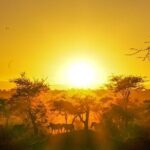
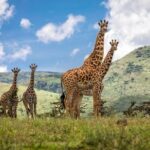
Tarangire is a great first stop because it’s different from what many people picture as classic Serengeti “endless grass.” Here, the action often feels more rugged, with animals grouped in places where water and food concentrate. You head into Tarangire after breakfast for a full day game drive, and the day is framed around seeing a mix of familiar animals—giraffe, zebra, buffalo—against the dramatic backdrop of the Great Rift Wall.
Why that matters for your experience: a Rift Wall view gives you instant context for why Tanzania’s ecosystems look the way they do. Even if you’re not a geology nerd (totally okay), those long sightlines help you understand the “why” behind the animal patterns you’ll notice later in the trip.
What to expect from Tarangire viewing: you’ll likely spend time scanning, then suddenly refocusing when herds or solitary animals pop into view. The driving style is the kind that rewards patience. It also tends to create a nice warm-up day—less pressure than a crater morning, but still seriously exciting.
Potential drawback to plan around: because this is a full day, you’ll want to treat Day 1 like a long day workout. Pack for sun and cool mornings. Bring enough layers that you’re comfortable sitting in the vehicle for hours.
Day 2: Serengeti Seronera area, Seronera River water, and an afternoon drive
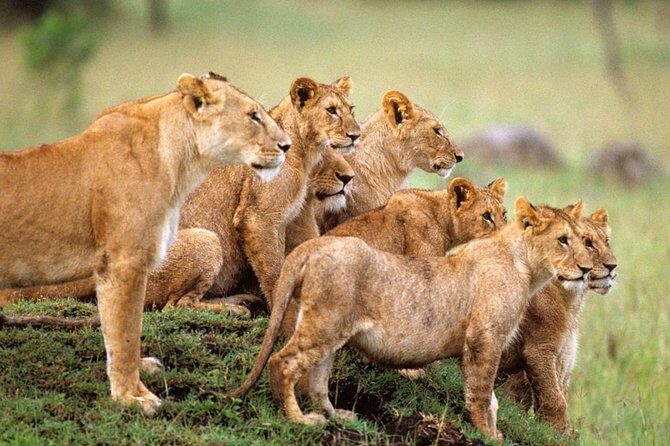
Day 2 is where Serengeti starts to feel like what most people imagine: open plains, wide distances, and that sense that wildlife is always somewhere just beyond the next turn. After breakfast, you head from the high-lying farmland of Karatu and through the Ngorongoro Conservation Area before descending into Serengeti National Park.
The itinerary then centers on the Seronera area, described as one of the richest wildlife habitats in the park. The reason is practical: the Seronera River provides a reliable water source that draws wildlife to that zone. That’s not marketing fluff. Water is the engine of animal movement, and when you build the day around water, you often improve your odds of multiple species in one area.
You arrive in time for lunch, then enjoy an afternoon game drive. Afternoon viewing can be a mixed bag depending on season and animal mood, but Serengeti’s systems are big. Even when animals aren’t as active as you’d hope, the sheer number of potential sightings keeps things interesting. Plus, an afternoon drive after lunch can be a good energy balance. Day 2 is long, but you get a proper meal break.
My practical take: if you care most about seeing lots of wildlife rather than only one standout moment, Seronera is a smart choice. If you’re chasing a specific event like a kill sequence (which you can’t control), you’ll still need luck. But setting yourself near a consistent water hotspot is the kind of decision that stacks the odds.
Day 3: Olduvai Gorge stop and the human evolution connection
Day 3 starts early with a game drive in the Ngorongoro Conservation Area, then you move to a key historical stop at Olduvai Gorge. This is one of those rare “stop-and-learn” moments that changes how you experience the rest of the safari.
Olduvai Gorge is tied to work by Drs. Lois and Mary Leakey, who discovered fossils described as evidence connected to early human evolution—skulls referred to as Nutcracker Man and Handy Man. Even if you don’t remember every detail, the effect is powerful: you’re looking at a landscape shaped by time, climate, and movement—now home to wildlife, and long before that, part of human history.
Late in the day, you transfer to Ngorongoro Rhino Lodge for dinner and overnight. That matters because it reduces stress. You’re not scrambling for a place to sleep after a long drive and a crater-focused plan.
What to consider on Day 3: the schedule shifts from wildlife to history and back to wildlife again. That can be great if you enjoy variety, but it’s not the day to plan for maximum relaxing. If you get tired easily from changing settings, bring something simple to make downtime easier—like a small snack or a warm layer for the evening.
Day 4: Ngorongoro Crater descent, predator odds, and Lake Magadi
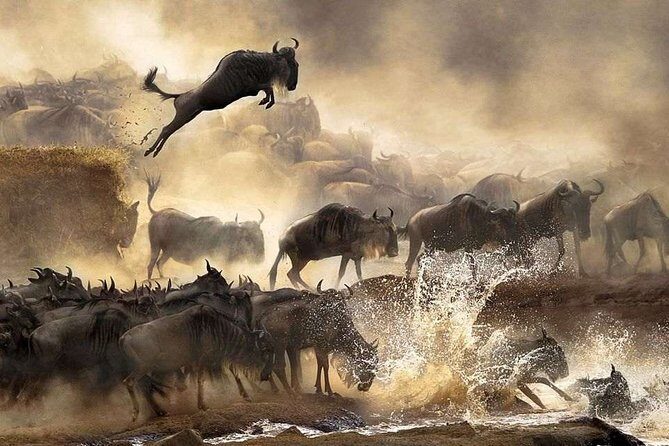
Day 4 is the big show. After an early breakfast, you descend over 600 meters into Ngorongoro Crater to view wildlife. This is where the safari’s “everybody dreams of the crater” promise becomes real. The crater’s year-round water and fodder support a huge variety of animals, and the density is the point—more eyes on more animals in a smaller space than many other reserves.
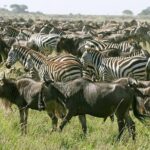
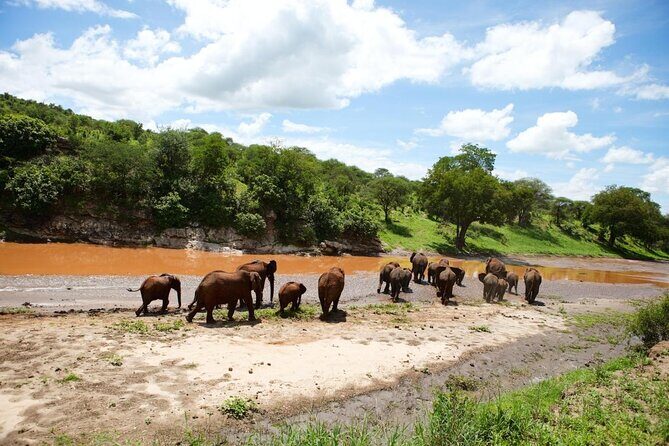
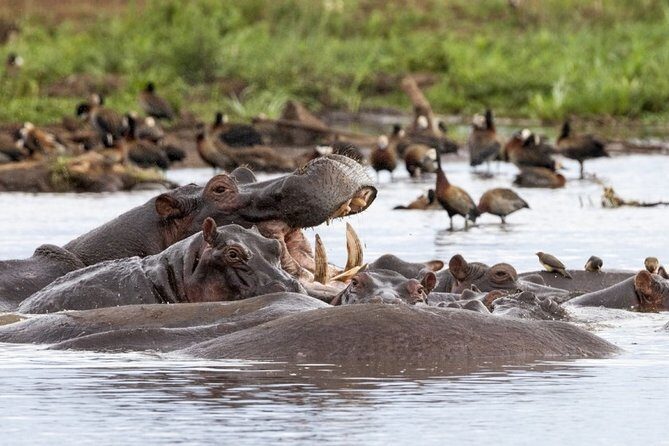
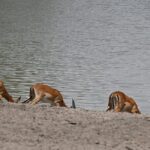
The listed wildlife includes herds of wildebeest, zebra, buffalo, eland, warthog, hippo, and giant African elephants. That range means you’re not locked into one “type” of sighting. You’ll likely see big, noticeable animals alongside smaller characters like hyenas and jackals depending on where they’re moving.
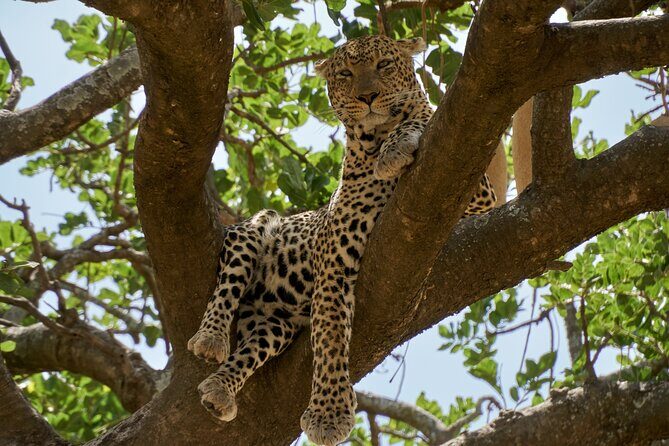
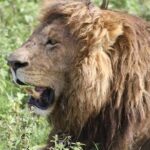
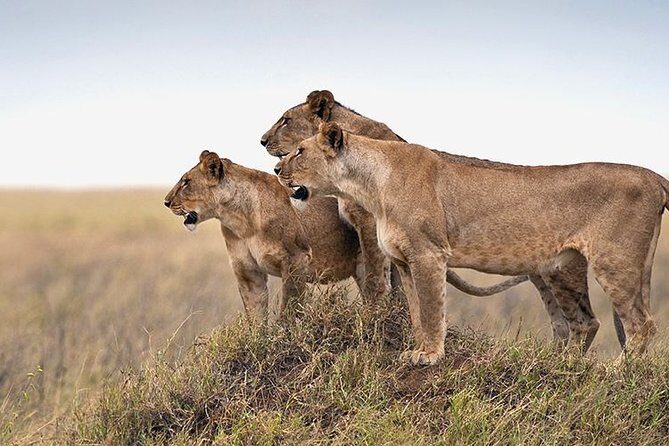
Predators are a major focus too. Lions, hyenas, jackals, cheetahs, and the leopard can all show up, with leopard described as sometimes requiring a trained eye. You can’t order wildlife. But you can improve your odds by having someone who knows what to scan for and when.
One smart inclusion is the visit to Lake Magadi, a large but shallow alkaline lake in the southwestern corner of the crater. Lakes in ecosystems like this matter because they can concentrate animals and change where birds and mammals travel throughout the day. The crater is a closed world, and these internal landmarks help you understand movement patterns.
My practical advice for the crater day: bring steady patience. The best sightings often come after a period of watching. If you spend the whole time rushing shots or constantly changing positions, you’ll miss subtle moments—like a predator’s alert posture or a herd shifting direction.
A few more Arusha tours and experiences worth a look
Private Safari Value: what $2,500 buys in 4 days
At $2,500 per person for 4 days, you’re paying for a private, guided, all-in-one circuit that covers multiple parks and daily game driving. This isn’t a budget backpacking trip, but the structure is clear: the price covers all fees and taxes, plus professional guiding and daily meals (breakfast, lunch, dinner across the days listed), and drinking water and soft drinks.
From a value perspective, the “included” part is doing real work:
- Game drive access across the key parks, with admission ticket noted as free in the schedule.
- Full-day structure rather than loose scheduling.
- Meals that remove decision fatigue and keep you on time.
- A multilingual guide (English, Spanish, French) who can help you communicate clearly and stay organized.
What’s not included is also clearly stated: tips for driver/guide and safari cook, international flights, travel insurance, and visas. Tips aren’t included because that’s usually handled by the guest based on service. If you’re budgeting, set aside a comfortable tip amount so it doesn’t feel like an afterthought.
One more value lever: private means the schedule is built around your group rather than the speed of strangers. That usually leads to less time wasted on logistics and more time spent actually looking for animals. In a safari, wasted minutes matter.
And if your plans are flexible: free cancellation is allowed up to 24 hours before the experience start time. That’s the kind of safety net that makes it easier to book confidently when you’re still finalizing dates.
Driver-Guide, logistics, and timing that keep the day smooth
A good guide doesn’t just drive. They read the reserve, interpret animal behavior, and manage the day so you spend your energy where it counts. This tour includes a professional driver/guide who speaks English, Spanish, and French. That’s a practical advantage if you’re not comfortable only relying on English explanations.
The tour also includes pickup offered and then returns you to the meeting point at the end. Start time is 7:00 am, which is early, but early starts are the easiest way to fit big parks into a short trip. You’re not trying to catch animals during the hottest, laziest hours only—you’re aiming for day patterns when movement can be more predictable.
The schedule also shows intentional sequencing:
- Day 1 focuses on Tarangire.
- Day 2 centers Serengeti’s Seronera zone.
- Day 3 adds Olduvai Gorge and positions you for the crater on Day 4.
That means your sleeping locations align with your next day’s viewing goals. You sleep at Seronera Lodge after the Serengeti day, and then at Ngorongoro Rhino Lodge before the crater. Those placements reduce the chance you’ll start Day 4 stressed or delayed.
A small but real customer-care signal comes from the booking experience described by a customer supported by Latipher. The key detail there wasn’t just friendliness—it was fast replies and being available for extra information. For a complex trip like Tanzania, that kind of responsiveness keeps you from spiraling over tiny uncertainties.
What to pack and how to stay comfortable during long drives
This itinerary is built on hours in vehicles and changing temperatures as the day moves. So pack for comfort first, optics second.
Here’s what you’ll be glad you brought:
- Light layers for morning and late afternoon, plus something warm enough when you’re descending or waiting.
- A hat and sunscreen for long sun exposure.
- Binoculars if you have them, since the crater and plains can stretch distances fast.
- A small day bag with water (you’ll also have drinking water included) and simple snacks if you prefer extra energy between meals.
- Phone storage and a plan to keep lenses clean if dust happens.
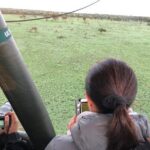
Photography tip: don’t fight the car. Keep your body stable and shoot in short bursts. Wildlife doesn’t pose on schedule, and hopping around in an uneven vehicle can turn a great chance into a blurry one.
Also, if you have dietary needs, note that other dietary requirements are on request. That’s important to communicate early, so your meals are handled smoothly.
Should you book Moraka Africa Safaris for this 4-day northern circuit?
If you want the northern circuit big hitters in a short window, this is a strong fit. The itinerary covers Tarangire, Serengeti (Seronera), and Ngorongoro Crater with a private group setup and meals handled for each day. For many people, that balance of structure and flexibility is the sweet spot.
Book this tour if:
- You’re time-limited but still want multiple major parks.
- You value a private guide setup with professional support.
- You like the idea of pairing wildlife viewing with a meaningful Olduvai Gorge stop.
Think twice if:
- You hate travel days with long drives between parks.
- You want a slow pace with lots of downtime every afternoon.
One last thing: the crater day is the one to mentally prepare for. Bring patience, stay warm, and understand that predator sightings depend on timing and where animals decide to be. The reward is seeing an ecosystem that concentrates wildlife the way few other places can.
If you can align your dates and you’re comfortable with an active 4-day pace, this is the kind of safari that delivers big results without turning your trip into a logistical puzzle.
FAQ
How long is the 4 days Private Safari Tour Tanzania?
The tour duration is approximately 4 days.
Where does the tour start and when?
It starts in Arusha, Tanzania, with a start time of 7:00 am.
Does the tour end back at the same meeting point?
Yes. This activity ends back at the meeting point.
Which parks are included?
The tour visits Tarangire National Park, Serengeti National Park (Seronera area), and Ngorongoro Conservation Area/Ngorongoro Crater.
Is this safari private?
Yes. It’s a private tour/activity, and only your group will participate.
What’s included in the price?
The package includes all fees and taxes, a professional English/Spanish/French-speaking driver/guide, drinking water and soft drinks, and breakfast, lunch, and dinner across the days listed.
Is free cancellation available?
Yes. You can cancel for a full refund up to 24 hours in advance of the experience’s start time.