REVIEW · ZANZIBAR CITY
Zanzibar: Spice Farm Tour with Traditional Cooking Class
Book on GetYourGuide →Operated by Bluecity Tours Zanzibar · Bookable on GetYourGuide
Spices with dirt under your nails. This Zanzibar spice farm experience is interesting because you don’t just smell the spices—you learn how they’re grown, then eat a Swahili-style meal you helped make. I especially like the hands-on cooking training with a local chef and the farm visits that cover spices like cardamom, ginger, vanilla, coffee, nutmeg, cinnamon, and lemongrass. One thing to consider: the tour length can run shorter than advertised, so I’d plan with some breathing room.
You’ll start in Stone Town, then head to the rural Unguja South spice farms for a guided walk through the plants and their uses. You’ll get explanations from your guide on planting and harvest timing, and you’ll also see special sights like a coconut climber (butterfly) and young coconuts. If you’re expecting a long, strict 6-hour block, be flexible—your session may be about 3.5 hours depending on the day.
In This Review
- Key Highlights You’ll Actually Care About
- Getting From Stone Town to a Real Spice Farm in Unguja South
- What You’ll See on the Farm: Cardamom, Ginger, Vanilla, Coffee, and More
- Why the three farm sections are worth it
- The Trade and Exploration Story Behind Zanzibar Spices
- Coconut Climber (Butterfly) and Young Coconuts: A Photo Stop With Purpose
- The Cooking Class With a Local Chef: Cut, Cook, and Eat Swahili Flavors
- What the chef-led training feels like
- A note on recipes
- Price and Value: Is $47 Worth It?
- Practical Tips Before You Go: Shoes, Cash, and Simple Rules
- What to bring
- What to know about restrictions
- Simple timing strategy
- How the Group Size and Flow Can Affect Your Experience
- Who Should Book This Spice Farm and Cooking Class?
- Should You Book This Tour or Skip It?
- FAQ
- Where does the tour start and end?
- How long is the experience?
- What’s included in the price?
- What languages is the tour guide available in?
- What spices do you see on the farm?
- Do you visit coconuts as well?
- Is there a cooking class included?
- What should I bring?
- Are there any restrictions on what you can bring?
- Can I buy spices during the tour?
Key Highlights You’ll Actually Care About
- Three-part farm walkthrough showing how Zanzibar spices grow and what each one is used for
- Coconut climber (butterfly) and young coconut trees, with explanations you can tie back to cooking
- Planting and harvesting timing lessons so you understand what you’re tasting
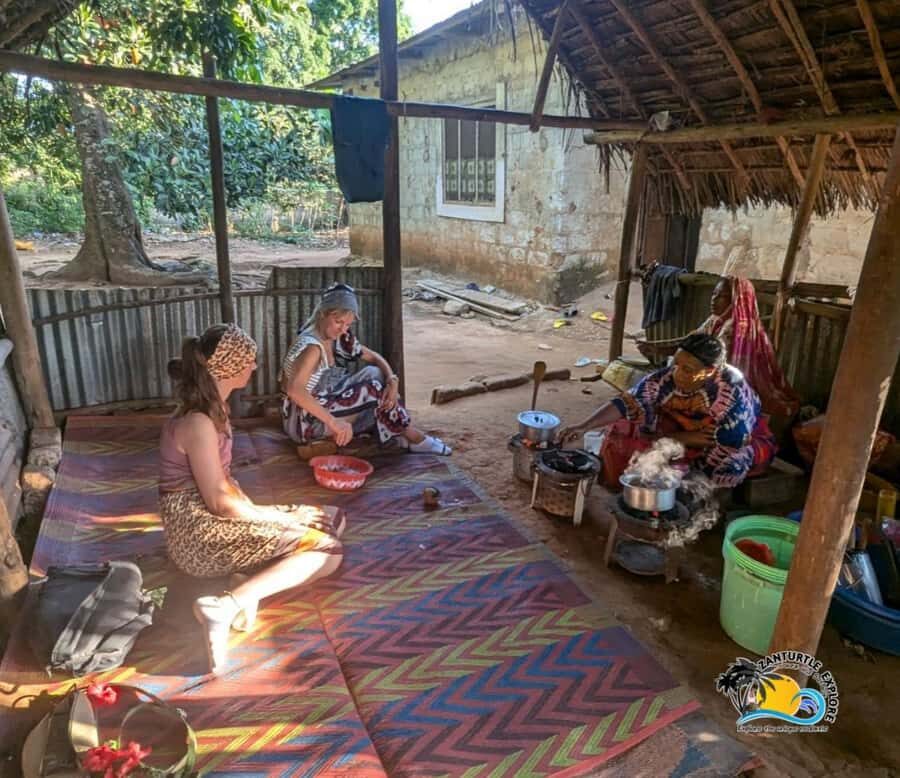
- Cooking with a local chef using materials bought from a local workshop by local women
- Swahili cuisine tasting with time to chat while you eat
Getting From Stone Town to a Real Spice Farm in Unguja South
Stone Town is the start point for this tour, with pickup and drop-off arranged around hotels. From there, you’ll head into the rural Unguja South area where the spice plants are growing right in the ground (not staged in a display garden).
What makes this portion feel valuable is the contrast: Stone Town is all history and streets, while the farm gives you living context. You’ll spend your morning or afternoon learning how the spices relate to daily food on Zanzibar, not just “tourist smells.”
The tour is sold as 6 hours, but keep your schedule flexible. On at least some days, the experience may be shorter and more focused, which can be a plus if you don’t want a long, drawn-out program.
You can also read our reviews of more cooking classes in Zanzibar City


What You’ll See on the Farm: Cardamom, Ginger, Vanilla, Coffee, and More
A big selling point here is that you visit three parts of the spice farm. You don’t just walk past plants—you get guided explanations about each spice and how it’s planted and harvested.
You’ll see a solid lineup, including cardamom, ginger, vanilla, coffee, nutmeg, cinnamon, and lemongrass. That range matters because each spice shows up in Zanzibar cooking in different ways: some for aroma, some for heat, some for sweetness or fragrance.
In practical terms, this walkthrough helps you understand why Zanzibar is called Spice Island. The spices aren’t treated like props. They’re treated like ingredients with growing cycles and uses, which makes your later meal feel more “earned.”
Why the three farm sections are worth it
Three stops usually means less rushing and more repetition: you’ll see plants, hear how they’re used, and then see them again with cooking relevance. If you’re a curious eater, that structure tends to stick better than one long single stop.
A possible drawback: the tour focuses on explanation, not on deep scientific facts. If you want a formal agriculture class, you may wish for more technical detail. Still, you’ll walk away with an everyday understanding of how these spices get from plant to plate.
The Trade and Exploration Story Behind Zanzibar Spices
Spices on Zanzibar aren’t only about cooking. Your guide will also share historical insight tied to Zanzibar’s era of trade and exploration. You’ll hear the kind of context that helps you connect farm life to the wider world.
Why it matters for you: when you understand that Zanzibar spices were once a valuable commodity, your farm visit becomes more than a cute outing. It turns into a story about why these crops mattered, and why they were worth traveling for.
You don’t need to be a history nerd to enjoy this part. If you’re the type who likes learning the “why” behind what you’re eating, this section adds real meaning.
Coconut Climber (Butterfly) and Young Coconuts: A Photo Stop With Purpose
One of the standout farm sights is the coconut climber (butterfly), plus young coconuts. This isn’t just a random photo moment; it fits into the cooking and ingredient story.
If you’ve never seen a coconut climber like this in person, you’ll likely find it memorable. Seeing plants up close helps you understand where coconut-based ingredients come from, and why coconuts are such a core part of island food.
And yes, it’s also a great visual break from looking at spice stems. Think of it as a “breather” stop that still supports your meal later.
A few more Zanzibar City tours and experiences worth a look





The Cooking Class With a Local Chef: Cut, Cook, and Eat Swahili Flavors
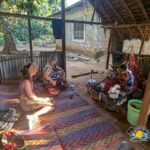
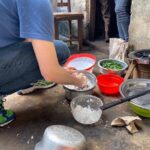
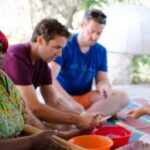
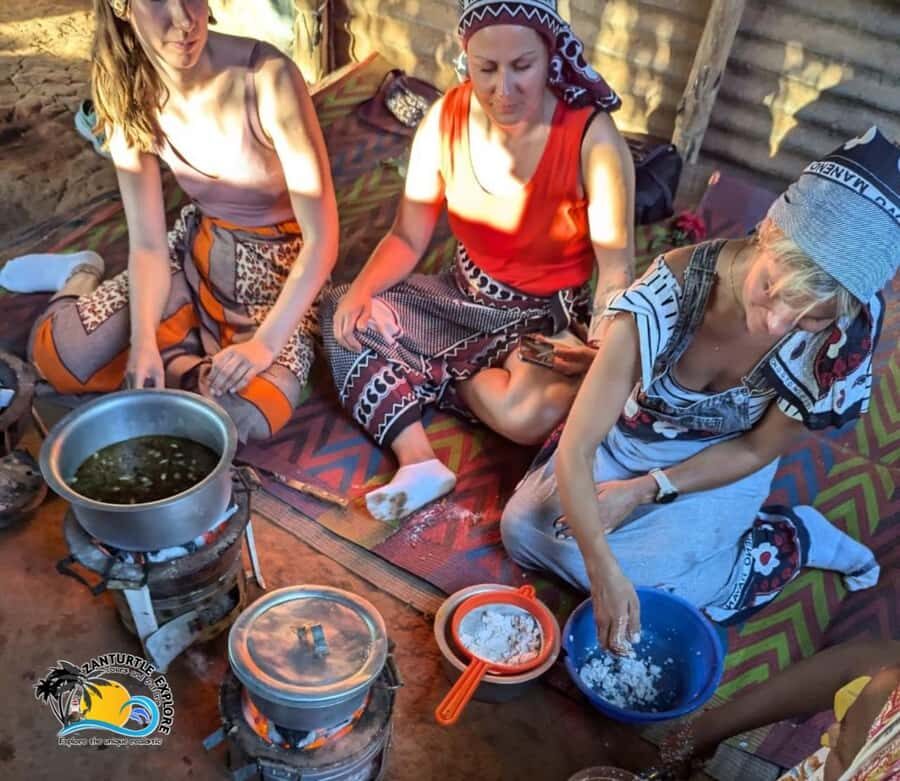
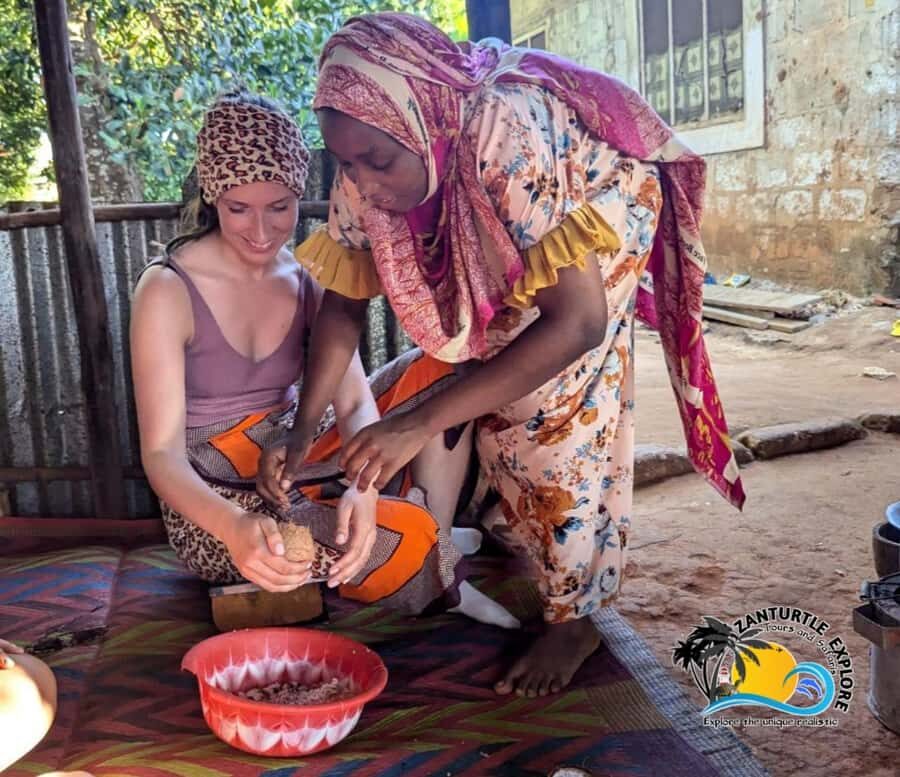
The heart of this experience is the cooking training. You’ll head to a workshop area where the ingredients and materials are already prepared, and then a local chef leads the class.
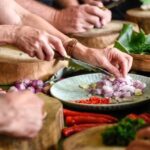
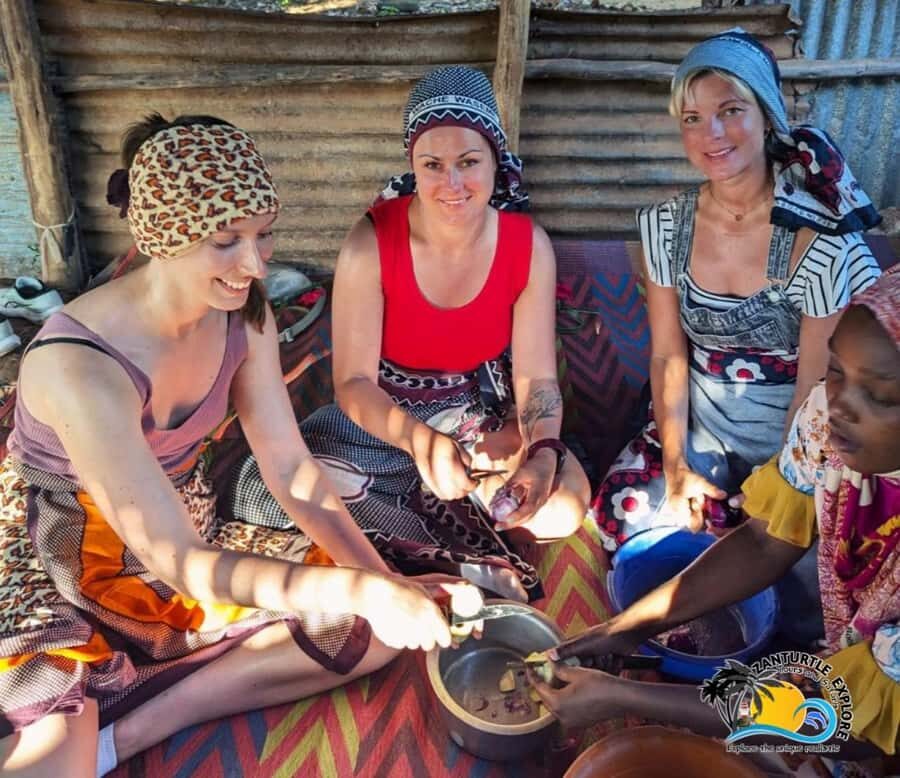
Your meal experience is built around the idea that you participate. Everyone gets tasks, and you’ll likely be doing practical prep like cutting ingredients. It’s the kind of activity where you can actually pay attention, learn the order of steps, and then recognize the flavors when they hit the table.
What the chef-led training feels like
You’ll get instructions on how to use the items properly and how to prepare original Zanzibar-style cuisine. This is where the farm knowledge starts paying off: if you remember learning about ginger or cinnamon on the farm, you’ll notice them more during cooking.
A nice detail is the social side. When the meal is ready, you and the chef can share conversation while you eat. That kind of interaction matters because it turns a “class” into a human exchange, not a performance.
In some sessions, you may even get to make coconut milk yourself, which is a fantastic way to connect farm to finished cooking. Don’t assume it’s guaranteed, but it’s a real possibility and a great sign of how hands-on the program can be.
A note on recipes
One consideration: the class may not provide a written recipe. If you’d like a follow-along recipe you can take home, I suggest asking the chef or guide if you can get the recipe details in some form before you leave.
Price and Value: Is $47 Worth It?
At about $47 per person and roughly 6 hours (though it can run shorter), this tour offers value if you want more than a quick tasting.
Here’s why it can be a good deal:
- You get pickup and drop-off around Stone Town hotels
- Entrance fees are included
- A tour guide handles the explanation and farm navigation
- Bottled water is provided
- You also get a Swahili cooking experience, not just a walk through plants
That mix matters. A pure “spice tasting” can stay pretty surface-level. This format includes guided farming context plus cooking and eating.
If you’re careful with expectations, you’ll get along great. If you’re hoping for a long, slow agricultural lecture and a full cookbook handout, you might feel slightly shortchanged. But for most people who want a hands-on Zanzibar experience, it hits the right balance of education and food.
Practical Tips Before You Go: Shoes, Cash, and Simple Rules
This tour keeps things straightforward. Here’s what you should plan for:
What to bring
- Comfortable shoes (you’ll be walking around farm areas)
- Cash (useful on-site, especially if you want to buy spices)
What to know about restrictions
Alcohol and drugs aren’t allowed. So if you planned to treat this like a casual drink-and-tour outing, adjust your expectations.
Simple timing strategy
Since the experience can run shorter than the advertised duration, don’t stack it too tightly with another rigid plan in Stone Town. Give yourself buffer time to avoid stress.
How the Group Size and Flow Can Affect Your Experience
Your experience may feel very different depending on the day. Sometimes it can be a small group, which can make the cooking training more personal and the farm explanations easier to follow. On small days, you also get more chances to ask questions during prep and while you eat.
If you end up in a larger group, you’ll still get the same core activities: farm walkthrough, spice explanations, cooking with the chef, then a shared meal. But the pace can feel a bit tighter and questions may get fewer.
So for planning, I’d treat this as a flexible, family-run style experience rather than a big, fixed factory tour.
Who Should Book This Spice Farm and Cooking Class?
You’ll probably love this if you:
- Want a Zanzibar experience that connects ingredients to the land
- Enjoy cooking classes where you actually cut and prepare food
- Like markets and farm stories, but prefer something with a meal at the end
- Are curious about spices beyond the usual “smells good” level
You might not love it as much if you:
- Want a strictly timed 6-hour schedule with no changes
- Need a written recipe handed to you during the class
- Are looking for a lab-style, highly technical agriculture lesson
It’s best for people who travel to learn through everyday life: food, spice, work, and conversation.
Should You Book This Tour or Skip It?
I’d book it if you want a memorable Zanzibar food day that feels real and practical. The best part is the combination: farm visits to see and understand spices, then a chef-led cooking class where you get to participate and eat Swahili cuisine.
Skip it only if your schedule is extremely tight or if you need guaranteed 6 hours with a formal recipe at the end. Otherwise, $47 gets you more than a tasting—it gives you a story you can tell when you get home: ginger, cinnamon, nutmeg, coffee, vanilla, cardamom, lemongrass, and the people who grow and cook them.
FAQ
Where does the tour start and end?
The tour includes pickup from Stone Town and returns you back to Stone Town.
How long is the experience?
The duration is listed as 6 hours. Starting times are based on availability, and the experience may run shorter on some days.
What’s included in the price?
It includes transport (pickup and drop-off around Stone Town hotels), entrance fees, a tour guide, and bottled water.
What languages is the tour guide available in?
The live tour guide is available in English, French, Italian, and German.
What spices do you see on the farm?
You can expect to see cardamom, ginger, vanilla, coffee, nutmeg, cinnamon, and lemongrass.
Do you visit coconuts as well?
Yes. You’ll have the chance to see a coconut climber (butterfly) and young coconut.
Is there a cooking class included?
Yes. A local chef provides instructions and you’ll prepare Zanzibar-style cuisine, then enjoy the meal together.
What should I bring?
Bring comfortable shoes and cash.
Are there any restrictions on what you can bring?
Alcohol and drugs are not allowed.
Can I buy spices during the tour?
You may be able to purchase spices on site, so having cash is a good idea.