REVIEW · ARUSHA
4 Days /3 nights Tarangire, Serengeti and Ngorongoro crater
Book on Viator →Operated by Afrozone kingdom safaris · Bookable on Viator
Elephants, then the Serengeti, then a crater floor. I like that this safari strings together Tarangire and Ngorongoro so you get variety fast, and you keep it in a small group (max 6 travelers) for a more personal feel.
I also like the hands-on service vibe: pickup is offered, tickets are mobile, and communication is the kind you want when you’re planning time and routes in Tanzania. The drawback to keep in mind is that this is a packed itinerary, so you’ll spend lots of the day in the vehicle and your schedule stays tight even when you’re hoping for that perfect sighting.
On the animal side, you’re not just doing “random game drives.” You’re moving through places that are known for very specific wildlife habits, like Tarangire’s elephant rhythm and Serengeti’s river-backed density. I’d suggest you come with flexible expectations on sightings (wildlife decides the timing), but the route itself is built to maximize chances across different habitats.
In This Review
- Key highlights you should care about
- Three Parks, One Tight Circuit From Arusha
- Tarangire National Park: Baobabs, Elephants, and a Full Day to Get Your Bearings
- Serengeti National Park: Seronera Area Game Drives and River-Backed Wildlife
- Ngorongoro Crater: Dense Wildlife, Predator Chances, and a Picnic on the Floor
- Day Four Back to Arusha: Crater Time Again and a 5pm Arrival
- Price and Value: Is $980 per Person Fair for This Plan?
- Service Style: Communications That Lower the Stress
- What You’ll Like Most, Based on the Experience Tone
- Who This Safari Suits Best
- Should You Book This 4-Day Tarangire–Serengeti–Ngorongoro Safari?
- FAQ
- What parks does this safari include?
- How long is the trip?
- Is pickup and a mobile ticket included?
- Are park admissions included in the price?
- What meals are included?
- What’s the maximum group size?
Key highlights you should care about
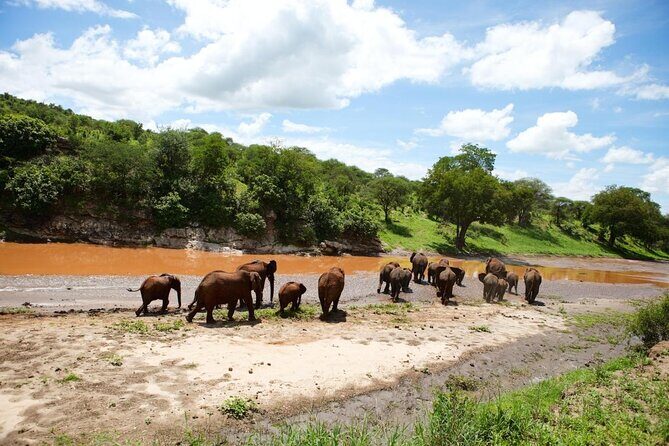
- Tarangire’s elephant strength: famous for huge elephant numbers and baobab trees that support their feeding cycle
- Small group safari (up to 6): easier pace and less chaos at sightings and meal stops
- Serengeti Seronera area focus: game drives centered on a wildlife-rich corridor near the Seronera River
- Ngorongoro crater density: one of the most crowded wildlife zones in Africa, with lots of predator potential
- Picnic-style comfort: picnic lunch included at key parts of the journey, including crater-floor time
- Meals built in: breakfast, lunch, and dinner included across the 4 days (airfare and insurance are not)
Three Parks, One Tight Circuit From Arusha
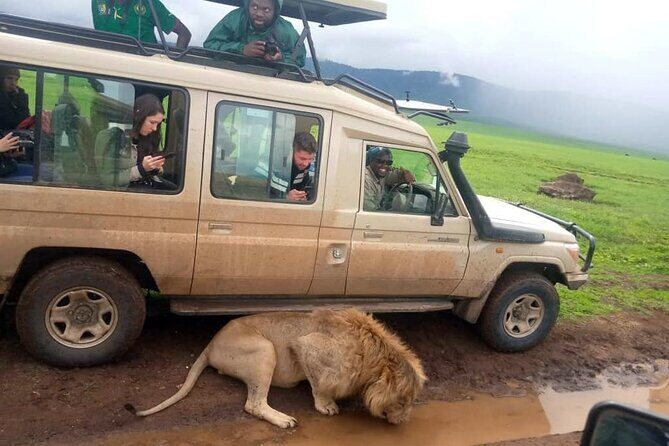
This 4-day / 3-night safari is set up like a best-of sampler that still tries to be practical. You base your trip in the northern Tanzanian parks and move in a logical order: Tarangire first, Serengeti next, then Ngorongoro—ending back in Arusha around 5pm on the last day.
What makes the route work for you is that each stop has a different “feel.” Tarangire leans toward elephants and baobab feeding habitat. Serengeti shifts you to open plains and river-linked wildlife areas. Ngorongoro compresses a lot of species into one crater bowl, where the odds of seeing many animals in a shorter span can be higher than in more spread-out areas.
One practical note: this kind of safari rewards people who enjoy the hunt as much as the payoff. If you want a slow, restful holiday with minimal driving, this itinerary may feel like too much. If you want a focused wildlife program and you’re good with long days, it’s a solid match.
A few more Arusha tours and experiences worth a look



Tarangire National Park: Baobabs, Elephants, and a Full Day to Get Your Bearings
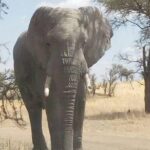
Day 1 is all about Tarangire National Park, with a full-day game drive plus a picnic lunch inside the park. Tarangire has a reputation for a reason: it’s the only destination noted here for accommodating thousands of elephants, and the baobab trees are a major part of why those elephants stay so active throughout the year.
What you can realistically expect from this day is a calmer entry into safari rhythm. Instead of immediately jumping into the largest “big-game” spectacle, you start in a park where a single species story is strong. When the elephant population is that concentrated, it tends to bring everything into sharper focus: bigger herds means more predictable movement patterns, and it also means more chances to spot juveniles, families, and the occasional dramatic lineup of adults near feeding zones.
Also, this is your chance to learn how your driver/guide is working. You’re not just taking photos—you’re seeing how they read the land: where to wait, when to reposition, and how to time your drives for animal activity.
A small plus that matters on Day 1: dinner and overnight at camp after the driving gives you a clean reset. You’ll likely feel it most on Day 2 and 3, when the itinerary gets more intense.
Serengeti National Park: Seronera Area Game Drives and River-Backed Wildlife
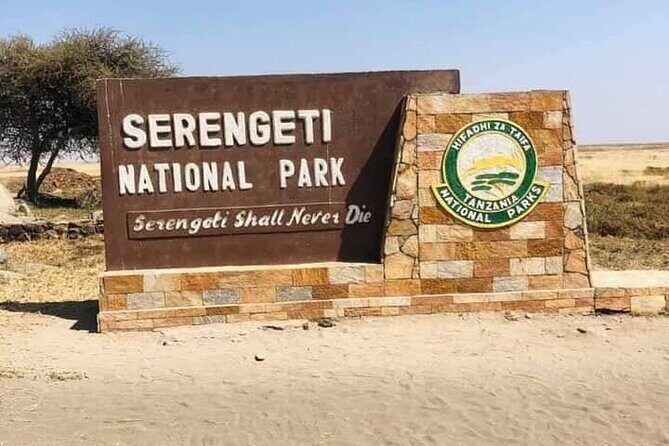
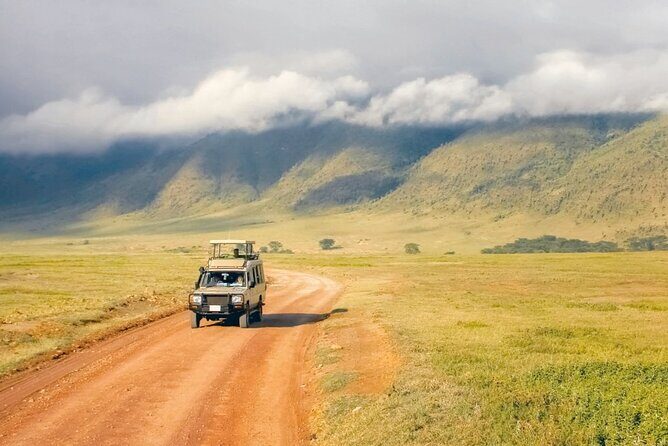
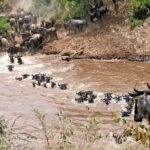
On Day 2, you head to Serengeti. The route takes you through Karatu farmland and the Ngorongoro Conservation Area before you descend into the park itself. Then you get game drive time in the central Serengeti area, called Seronera, where the Seronera River supports a dense concentration of wildlife.
This is a good strategy for your viewing because you’re not depending only on random movement across endless grass. You’re anchoring your drives to a water source and a known wildlife habitat zone. That matters because animals gather around water—especially when the plains are wide and visibility is everything.
Timing also helps. You arrive for lunch and then go straight into an afternoon game drive. Afternoon light can be great for spotting, and it often lines up with animals moving to drink, graze, or position near cover.
What I like for you here is that Serengeti isn’t presented as a single moment. It’s a real half-day inside the park, not a quick drive-by. That extra time improves your odds of seeing a spread of species, not only the loudest ones.
One consideration: Serengeti driving can be bumpy, and the days start to feel long. Bring patience. If you go in thinking every stop will deliver a perfect photo within 10 minutes, you’ll get stressed. If you treat it like a slow search—with breaks and snacks arranged for you—it feels a lot better.
Ngorongoro Crater: Dense Wildlife, Predator Chances, and a Picnic on the Floor
Day 3 is your Ngorongoro crater day, and it’s built around two big ideas: morning game drive first, then a descent and more crater-floor time with lunch boxes.
Ngorongoro is described here as one of the most densely crowded African wildlife areas, with an estimated 30,000 animals. That density is the point. Instead of chasing a scattered distribution across miles of plains, you’re working inside a natural amphitheater where many species share the same bowl-like space.
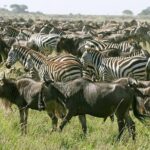
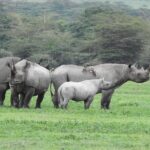
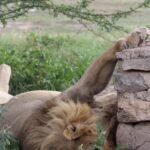
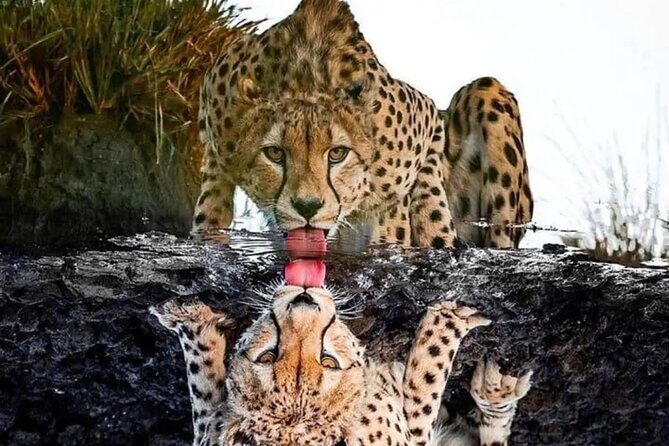
Your crater game drive isn’t only about herbivores, either. The crater is noted for predators like lions, hyenas, jackals, cheetahs, and the elusive leopard. You also get specific species context: wildebeest, zebra, buffalo, eland, warthog, hippo, and giant African elephants are all called out as part of the mix.
The other meaningful detail is Lake Magadi, where you can find species such as flamingo along with buffalo, gazelle, and zebra. That gives your day a couple of different “targets” rather than one single view.
And you end with a picnic lunch on the crater floor. Eating in the crater bowl turns a transit stop into an experience moment. It’s also one of those things that makes the day feel different from a normal drive day.
If you’re the kind of traveler who likes tight structure—wake up, drive, game drive, then structured breaks—Day 3 is the one that will feel most satisfying. It’s where the route earns its name as a highlight itinerary.
Day Four Back to Arusha: Crater Time Again and a 5pm Arrival
Day 4 keeps the Ngorongoro momentum. The plan is breakfast, then a descent into the crater with a lunch box and full day game drive. Then, late in the afternoon, you drive back to Arusha town and arrive around 5pm.
This day is designed for people who don’t want to “hit” the crater once and move on. By having a full day game drive with crater-floor time, you’re giving yourself a second chance at those day-changing sightings. Wildlife often shifts by time of day, and light can change what you can spot and how animals behave.
You also get a good practical payoff: the schedule keeps you from ending the safari in the middle of the wilderness with an uncertain return. That 5pm arrival helps you plan the rest of your evening in Arusha without scrambling.





Price and Value: Is $980 per Person Fair for This Plan?
At $980 per person, the big question isn’t just the number. It’s what that number covers and how much “on-the-ground time” you actually get.
Here’s what looks strong on value:
- Park admissions are free for the itinerary days that list them as free (and Ngorongoro is included).
- Meals are included: breakfast (3), dinner (3), and lunch (4) across the 4 days. That’s real money saved if you’d otherwise be eating out daily.
- Small group size (max 6) often means better vehicle dynamics during sightings and less feeling like cattle in a bus line.
- Pickup offered and mobile tickets reduce friction before you even start driving.
What you should watch on value:
- Airfares and travel insurance are not included, so your total trip cost will rise depending on where you’re flying from and your insurance choices.
- This is a time-intensive safari. If you’re trying to stretch time on the ground for a budget, you might find longer itineraries cheaper per day, but you’d lose some of the “high concentration” effect of hitting three parks in 4 days.
For most people, $980 makes sense if you want a focused northern circuit, want meals handled, and prefer a small group over larger crowds. If you’re already covering food and admission separately, then the price looks less dramatic on paper. But if you want the trip organized so you can focus on spotting animals, this package fits the job.
Service Style: Communications That Lower the Stress
A safari lives or dies on communication and driving quality. The feedback attached to this operator highlights strong planning and excellent before-trip coordination. One name that comes up in the service story is Adam, who provided clear trip details, answered questions, and put real thought into the daily plan based on interests.
You’re also told that communication is handled in a way that’s easy to manage from your side, which matters when you’re traveling to a place where schedules and timing are everything. Add in the fact that mobile tickets are used, and it’s less likely you’ll run into the classic last-minute “where’s my confirmation?” stress.
Also note the group size cap (6 travelers). That tends to make service feel more hands-on because there are fewer people to coordinate at once.
What You’ll Like Most, Based on the Experience Tone
The strongest themes built into this safari are: smooth organization, a friendly team, and a route that’s meant to deliver variety fast.
You’ll probably enjoy this if you:
- want three major wildlife areas in 4 days without adding extra days to travel planning
- like the idea of structured game drive blocks with picnic lunches
- prefer small-group safari pacing
- value good communication before departure
You might think twice if you:
- want lots of downtime and low driving time
- get easily irritated by schedule intensity
- expect guarantee-level wildlife sightings (nobody can promise predators or specific animals on any day)
Who This Safari Suits Best
This one fits best for couples, small friend groups, and families who want a strong overview of Tanzania’s northern circuit and don’t want to spend days piecing together logistics. It’s also a decent fit for travelers who like learning as they go—because your driver/guide’s role is central to what you see.
If you’re celebrating something, this style of trip can also feel special because there’s a lot of “big moment” potential stacked across only three nights: elephants in Tarangire, Serengeti plains and river-linked wildlife, then Ngorongoro’s crater density and crater-floor picnic time.
Should You Book This 4-Day Tarangire–Serengeti–Ngorongoro Safari?
Yes, if your priority is a high-effort, high-coverage safari circuit with meals included, small-group comfort, and a plan that targets specific habitats like elephant feeding grounds and river-backed Serengeti wildlife.
Consider an alternative if you want a slower pace, longer recovery between drives, or a more flexible wildlife schedule where you don’t follow the same tight daily structure.
If you do book, my practical advice is simple: pack for long days on the road, keep your expectations flexible on animal timing, and lean on your guide’s knowledge during each drive. This safari is at its best when you treat it like a guided search through three different “worlds,” not just a checklist of parks.
FAQ
What parks does this safari include?
It covers Tarangire National Park, Serengeti National Park, and Ngorongoro Crater, with pickup starting from Arusha.
How long is the trip?
It runs about 4 days with 3 nights.
Is pickup and a mobile ticket included?
Pickup is offered, and the tour uses a mobile ticket.
Are park admissions included in the price?
Admission is listed as free for Tarangire and Serengeti, and Ngorongoro is listed as included for the relevant day.
What meals are included?
Breakfast is included for 3 days, lunch is included for 4 days, and dinner is included for 3 days.
What’s the maximum group size?
The tour has a maximum of 6 travelers.