REVIEW · ARUSHA
5 Days Mid-Range Group Safari with Accommodation
Book on Viator →Operated by Suricata Safaris · Bookable on Viator
Three parks in five days is a lot.
This safari is a smart mix of comfort and wildlife time, run for up to 7 travelers and led by a certified guide. You’ll cover Tarangire, Lake Manyara, Serengeti, and the Ngorongoro Conservation Area, with day drives that feel adventurous but not chaotic.
What I like most is how much the guides focus on finding animals and explaining what you’re seeing. People name-check guides like Adam, Amiri, Fredy, Damien Daniel, Philix, Rocky, Elias, Barik, and Rasta Man, and the common thread is active spotting plus clear, useful info. I also love the way the mid-range lodges support the next early start, with many mentions of clean, cozy stays and genuinely good meals.
The one drawback to keep in mind: this is a packed 5-day route. Most days run about 6–8 hours of safari time plus drive days between parks, so if you want slow and lazy, you might feel the pace.
In This Review
- Key highlights at a glance
- The real feel of a 5-day mid-range group safari
- Arusha to Tarangire: baobabs, elephants, and a strong warm-up day
- Lake Manyara mornings: flamingos, forest edges, and lion odds
- Serengeti on two days: predator chances and that plains rhythm
- Serengeti to Ngorongoro: trading savannah for crater wonder
- Ngorongoro crater sunrise: Big Five opportunity with a picnic plan
- The mid-range lodging part: where your comfort actually shows up
- Certified guides: why the names you see matter
- Price and value: is $1,800 per person fair?
- Tips to make this safari smoother (and happier)
- Who should book this safari, and who might not love it
- Should you book Suricata Safaris for this 5-day route?
- FAQ
- FAQ
- Which parks are included in this 5-day safari?
- How long is the safari?
- What’s the group size limit?
- Is pickup included?
- Are meals included?
- Are park admission tickets included?
- Who leads the safari?
- Is international airfare included?
- Are medical or travel insurance included?
- Can I cancel for a full refund?
Key highlights at a glance
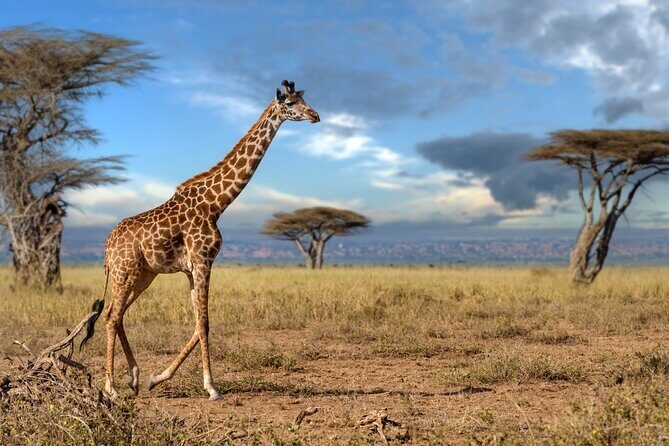
- Max 7 travelers for a more personal game-drive vibe
- Tarangire first day with baobabs and elephant herds
- Lake Manyara for flamingos and possible tree-climbing lions
- Serengeti twice so you get a morning rhythm and more predator chances
- Ngorongoro sunrise crater drive with a hot picnic lunch
- Mid-range lodging + strong food to recharge after long days
The real feel of a 5-day mid-range group safari
A safari like this works because it keeps your eyes on the goal: animals, tracks, and the story behind behavior. With a small group (reported as up to 7), you tend to get quicker turns on wildlife sightings, and you’re less likely to feel like you’re part of a moving crowd.
You’re also buying time efficiency. Four parks in five days is not “casual.” The schedule is designed for repeat chances—especially with Serengeti on two separate days and an early Ngorongoro crater start. If you can handle long days and early mornings, the payoff is huge.
The “mid-range” part matters more than you might think. You’re out in the field, often with sunrise timing, then you need sleep that actually restores you. In the feedback, people repeatedly point out clean, cozy lodges and food that doesn’t feel like an afterthought. That’s the difference between a trip that stays fun versus one where you’re tired enough to miss the magic.
A few more Arusha tours and experiences worth a look
Arusha to Tarangire: baobabs, elephants, and a strong warm-up day
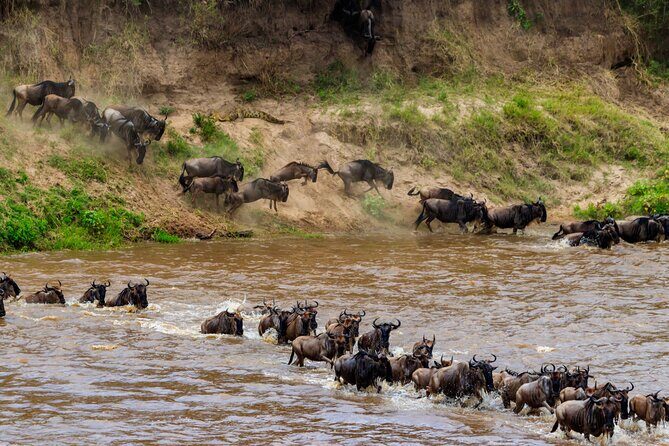
Day one starts after breakfast in Arusha, then it’s a drive to Tarangire (about two hours). Once you reach the park, you get a game drive right away. Tarangire is a great “first park” because it’s visually distinctive: you’ll see those big ancient baobab trees, and that alone helps you understand why guides love this place. Baobabs create natural landmarks for spotting animals moving through open country.
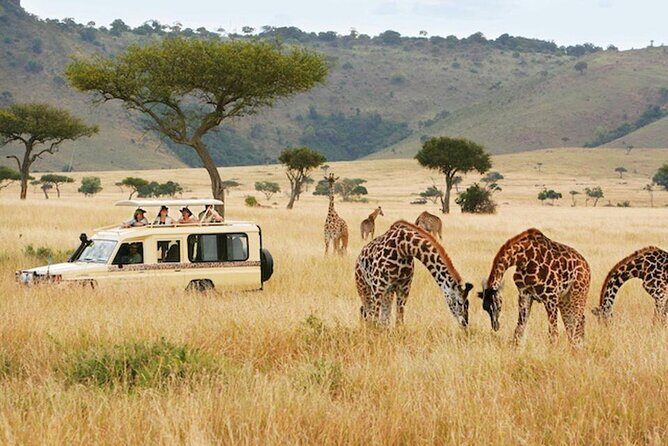
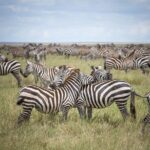
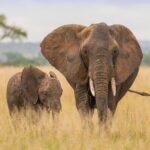
From there, your day centers on the usual Tarangire stars: elephants, zebras, and giraffes. You’ll also get a picnic lunch in the middle of the action, which is a practical perk. Instead of rushing back to camp, you stay in the park and keep eyes on the grassland and waterways.
What to consider: this is still a travel-and-drive start day. Plan to stay flexible and expect that you’ll feel like you just “arrived” before you’re already back on the move. If you’re the type who wants to unpack and settle for hours, this itinerary is not built for that.
Lake Manyara mornings: flamingos, forest edges, and lion odds
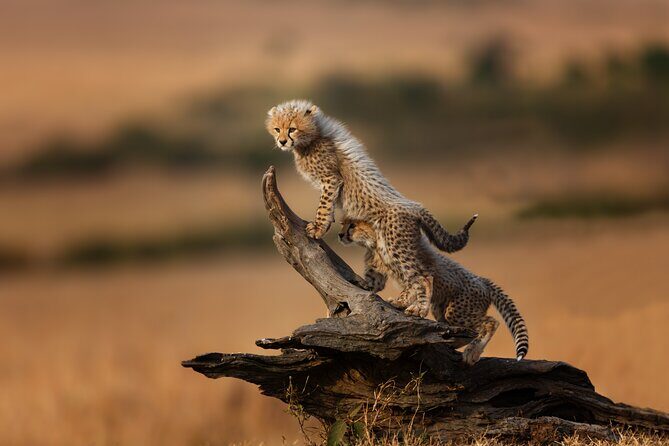
Lake Manyara is a different kind of safari day. It’s not just “open plains.” It mixes dense forest, open woodlands, and the soda lake area that draws lots of birds—especially flamingos. That change in scenery helps you notice different wildlife styles: animals that stick close to cover, birds that pop from the trees, and bigger mammals working the edges.
Your day starts early for a game drive while the park wakes up. This is when you often get better animal movement—plus better light for photos. The route here is designed for variety: elephants and giraffes can show up, and Lake Manyara is known for the rare tree-climbing lions. You can’t count on that sighting, but the timing and park types make it a realistic target.
Then comes the practical part: you’ll have a picnic lunch. The park is small enough that you can keep your day fluid rather than stuck in one long stretch of vehicle time. If you’re someone who likes birds or enjoys spotting smaller creatures along with the big names, Manyara usually gives you more “stuff to watch” per hour.
The one thing I’d watch for is expectations. Lake Manyara can feel busy for photographers because there’s color and variety. If you only care about the big, obvious predator action, you may judge it too quickly. Give it time; Manyara’s strength is how many different animals show up in different habitats.
Serengeti on two days: predator chances and that plains rhythm
Serengeti is the headline for a reason, but the smart move here is timing it twice. You go from Lake Manyara to Serengeti after breakfast, and the drive includes the Great Rift Valley scenery outside the parks. Even before the game drive starts, the long views help you understand the scale. Serengeti isn’t a “short walk” park. It’s a wide, open stage where animals travel like they mean it.
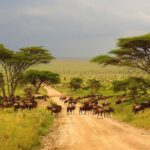
On your first Serengeti day, you’ll get a game drive once you arrive. This is where the experience tends to click: the savannah opens up, you start recognizing the patterns of grazing and movement, and you begin to see how predators position themselves based on where prey is likely to be.
Your second Serengeti day is built for timing. You start with a morning game drive again, which is exactly when you want to chase action—predators moving, animals feeding, and that general early-day energy. After that, you enjoy lunch, then head toward Ngorongoro.
Why two days matters: you’re not just buying “more time.” You’re buying two different light angles, two different animal rhythms, and two separate chances for luck. The safari brain works like this: the first day teaches you what the ecosystem looks like, and the second day lets you react faster when things happen.
Serengeti to Ngorongoro: trading savannah for crater wonder
After the second morning in Serengeti, your route shifts toward the Ngorongoro Conservation Area. You arrive in the evening and sleep near the crater area, then the next day is the payoff.
This middle portion of the itinerary is mostly about positioning. You’re doing the classic safari trade: more travel time now so you can get the crater timing later. It’s worth it because Ngorongoro is all about when you arrive at the crater itself.
Also, evening arrival means you don’t lose the day to extra navigation. The next morning you’re ready to go early, which is key. When you start early, you get cooler air, calmer conditions, and better chances of seeing animals before the day gets too busy.
A few more Arusha tours and experiences worth a look

Ngorongoro crater sunrise: Big Five opportunity with a picnic plan
Ngorongoro crater is one of those places where “wow” happens fast—especially at sunrise. You wake early to watch sunrise over the crater, then after breakfast you head into the crater for a guided drive.
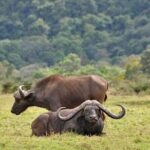
This is where the route claims Big Five opportunity, meaning the chance exists to see animals like buffalo and big cats in their natural habitat. You still shouldn’t assume any single species. Safari is weather- and animal-behavior-dependent. But crater ecology concentrates wildlife into a smaller area, and that helps your odds compared to spread-out open-country parks.
You’ll spend the day exploring different crater ecosystems, from greener patches to more open grassland. That variation matters because it changes where animals feed and rest. You’re also on a plan: hot picnic lunch and guided exploration through the day.
Then it’s back to Arusha after lunch time earlier in the afternoon/evening schedule, ending with the drive that turns memories into stories you’ll keep repeating at dinner.
Practical note: Ngorongoro days can feel long because the crater experience is the main event. If you get impatient waiting for wildlife, work with your guide’s pace. This is the time to slow down and scan. The best sightings often come when you stop looking for one big animal and start tracking movement patterns.
The mid-range lodging part: where your comfort actually shows up
Mid-range on safari isn’t about luxury furniture. It’s about basics you feel: a bed that’s ready when you return, clean rooms, and meals that help you reset.
In the feedback, people specifically call out cozy and clean sleeping places, along with strong food quality. Some even mention a chef cooking lunch each day, which is a big deal after long drives. It takes pressure off you to find food on your own and makes the day feel well-managed.
You might stay at lodges like Suricata Boma Lodge near Manyara Lake, Tanzania Bush Camp in Serengeti, and Tortillis Camp (names mentioned in feedback). Even when “mid-range” differs by property, the pattern in the reviews is consistent: friendly staff, good logistics, and food that doesn’t leave you hungry.
One thing to keep realistic: lodges inside safari circuits can vary in style and “how mid-range” they feel. One review noted accommodations sometimes felt more luxurious than mid-range. That’s not a promise for every departure, but it hints that the operator may select nicer properties than you’d expect at this price tier.
Certified guides: why the names you see matter
This tour lives or dies by the guide. Here, that’s not just marketing talk. Multiple guides are specifically praised in feedback: Adam, Amiri, Fredy, Damian Daniel, Philix, Rocky, Elias, Barik, and Rasta Man. People mention the same core strengths: patient spotting, solid knowledge of fauna and plants, and flexibility in pursuit of sightings.
If you’re worried about wildlife knowledge, don’t be. A good guide makes the difference between seeing animals and understanding what you’re looking at. You get better at noticing small signs—fresh tracks, feeding zones, and animal body language that signals danger or calm.
I also like that the guidance seems practical. People mention best spots for photos, plus timing advice. That matters on a real safari calendar, because you only get so many hours at each park and the light changes fast.
Price and value: is $1,800 per person fair?
$1,800 per person for five days in Tanzania’s biggest safari circuits is not “cheap,” but it also isn’t trying to pretend this is a backpacking trip. It’s paying for the hard parts: long drives, park access, a certified guide, and included meals.
What makes the value feel stronger is what’s included on paper:
- A certified guide
- Accommodation
- 5 lunches, 4 dinners, and 4 breakfasts listed in the package
- Admission ticket is marked free
- Pickup is offered
- Mobile ticket
You still pay extra for international flights and personal travel insurance, and those are real costs. But you’re not separately paying for each park entry fee, and you’re not organizing the entire route yourself.
My take: for a 5-day, small-group route hitting Tarangire, Lake Manyara, Serengeti, and Ngorongoro, the price looks positioned for people who want a confident plan without going fully high-end. If you’re the type who values comfort after sunrise starts, this sits in the “worth it” category.
Tips to make this safari smoother (and happier)
1) Pack for long days. You’ll be in the vehicle and outdoors for hours. Light layers and a hat are your friends.
2) Bring patience for the crater day. Ngorongoro is special, but it’s not a factory line. If you rush, you miss the small moments.
3) Trust the guide’s scanning. When someone points, it’s rarely random.
4) Plan for early mornings and sleep well tonight. Your best “safari mood” comes after a real night’s rest.
5) Keep expectations flexible. Big Five opportunity means chance, not a guaranteed checklist.
Also, keep your phone charged. You’ll want backups for photos, since the best sightings often happen when you’re too excited to remember charging.
Who should book this safari, and who might not love it
You’ll probably love this tour if you:
- Want a small-group safari (max 7)
- Like being guided rather than self-driving
- Are okay with early starts and long days
- Care about more than one ecosystem, not just “one famous park”
You might not love it if you:
- Want a slow pace with lots of downtime
- Get cranky after hours in a vehicle
- Prefer guaranteed sightings of specific animals (nobody can promise that)
Should you book Suricata Safaris for this 5-day route?
If you want a mid-range safari that hits Tanzania’s top wildlife areas with strong guidance, this looks like a solid choice. The standout theme is guides who actively work to find animals and explain them, plus lodges and meals that help you recover between early mornings.
I’d book if your priority is animal time with a plan, not a relaxed schedule. I’d hesitate only if you strongly dislike long drive days or need very flexible, slow pacing.
FAQ
FAQ
Which parks are included in this 5-day safari?
The route covers Tarangire National Park, Lake Manyara National Park, Serengeti National Park, and the Ngorongoro Conservation Area.
How long is the safari?
It runs for about 5 days.
What’s the group size limit?
This tour has a maximum of 7 travelers.
Is pickup included?
Pickup is offered.
Are meals included?
Yes. The package includes 5 lunches, 4 dinners, and 4 breakfasts.
Are park admission tickets included?
Admission tickets are listed as free.
Who leads the safari?
A certified guide is included.
Is international airfare included?
No. International flights and departure taxes are not included.
Are medical or travel insurance included?
No. Medical, luggage, and travel insurance are not included.
Can I cancel for a full refund?
Yes, free cancellation is offered. You can cancel up to 24 hours in advance for a full refund. If you cancel less than 24 hours before the start time, the amount paid is not refunded.