REVIEW · ARUSHA
4-Day Safari: Lake Manyara, Serengeti & Ngorongoro
Book on Viator →Operated by Kenya Bush Expeditions Tour and Travel · Bookable on Viator
Four days, three parks, serious wildlife time. This is a camping safari built around maximum time in the game-drive seats, moving from Lake Manyara’s soda-lake drama to the Serengeti plains and down into the Ngorongoro crater. Two things I like a lot: the chance at tree-climbing lions and the way your schedule is supported by boxed lunches so you lose less time to transfers. One possible drawback: you’re trading comfort for budget—expect basic campsite stays and some long, bumpy road days.
I also like the small group limit of up to 15 people, plus pickup and drop-off from your Arusha accommodation. It keeps the vibe friendlier and makes it easier to hear your guide when they’re calling out what to watch for.
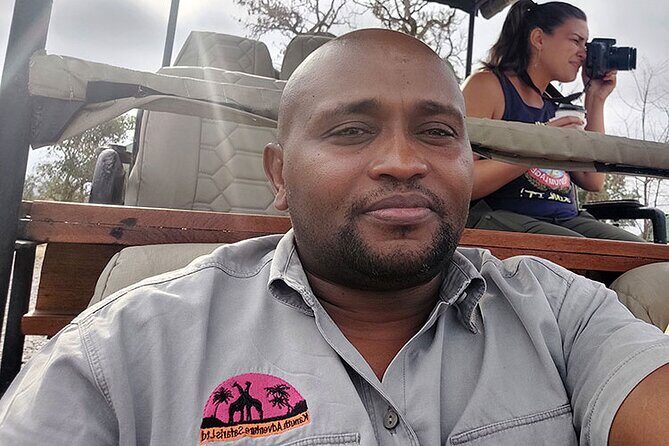
Finally, the guide experience varies by departure, but the strongest feedback names people like Masulya and Martin for finding animals and answering questions, and others like John, Joe, and Max for keeping the pace moving. Just be aware that service quality can depend on who’s assigned for roles like cooking and guiding.
In This Review
- Key things to know before you go
- A budget-friendly safari route that hits three “wild modes”
- Lake Manyara: soda lake views, elephants, and a shot at tree-climbing lions
- Serengeti: the Seronera water source that keeps wildlife coming
- Ngorongoro crater day: early viewing, optional Olduvai stop, and the descent payoff
- Ngorongoro crater: half-day safari in a dense wildlife bowl
- Price and value: where your $1,743.59 per person goes
- The real “feel” of this safari: small groups, camping nights, and the road factor
- What to pack (and what to do) for better sightings
- Who this safari is best for (and who should rethink)
- Should you book this safari?
- FAQ
- What parks are included in the 4-day safari?
- Does the tour include meals?
- Is pickup and drop-off in Arusha included?
- What is the maximum group size?
- Are park entrance fees included?
- Is Olduvai Gorge included?
- Is the booking refundable?
Key things to know before you go
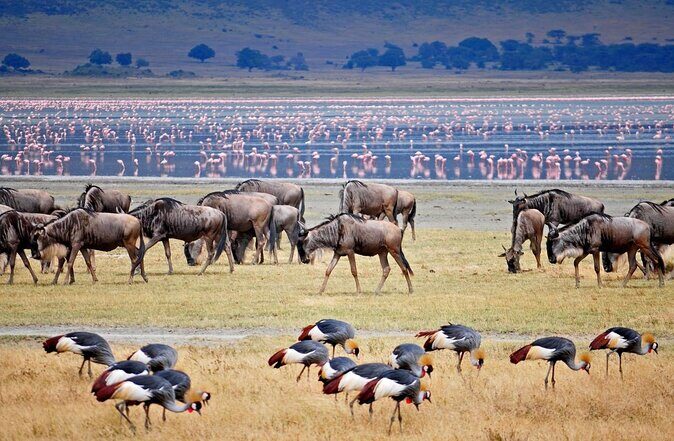
- Tree-climbing lions and flamingos at Lake Manyara, where the lake shape controls what you’ll see
- Seronera-area game drives in Serengeti, centered on water and wildlife activity
- Ngorongoro crater time with a half-day descent-focused safari for predator and prey spotting
- Boxed lunches that protect your viewing time instead of pausing for long meal stops
- Small group cap (15) plus Arusha pickup/drop-off for simpler logistics
- Camping stays with dinner and breakfast included, not a hotel-style setup
A budget-friendly safari route that hits three “wild modes”
This 4-day safari is aimed at people who want real wildlife time without paying for a fully private, luxury lodge. The route is smart: it strings together three very different ecosystems in a short window, so your sightings don’t feel repetitive.
On paper, it looks like a typical northern Tanzania loop. In practice, the sequence matters. You start at Lake Manyara for a dramatic Rift Valley setting and a good shot at tree-climbing lions and flamingos. Then you shift to the open plains rhythm of Serengeti. Finally you drop into Ngorongoro crater, where a dense concentration of animals makes even a half-day feel eventful.
You should also know what kind of trip this is. You’re staying at campsites, and dinner and breakfast are included, but this is still a camping experience. If you want a spa, this isn’t that. If you want to wake up near wildlife and spend the day in search mode, it’s a good fit.
A few more Arusha tours and experiences worth a look
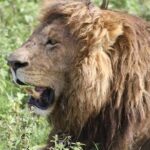
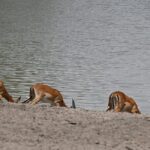
Lake Manyara: soda lake views, elephants, and a shot at tree-climbing lions
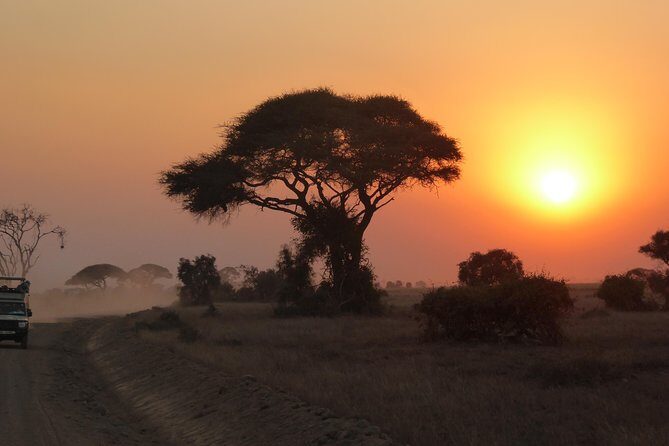
Lake Manyara National Park is dramatic in a way you feel right away. The famous feature is the shallow soda lake that covers a large chunk of the park, and that water chemistry pulls in animals that you don’t see the same way elsewhere.
The park’s mix is the whole point. Where the lake and surrounding slopes create feeding zones, you get:
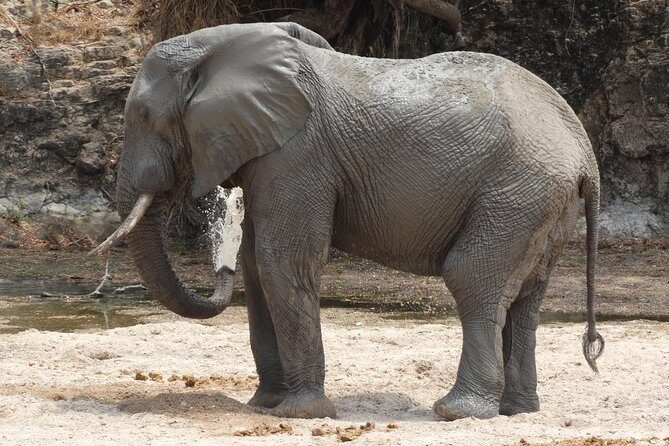
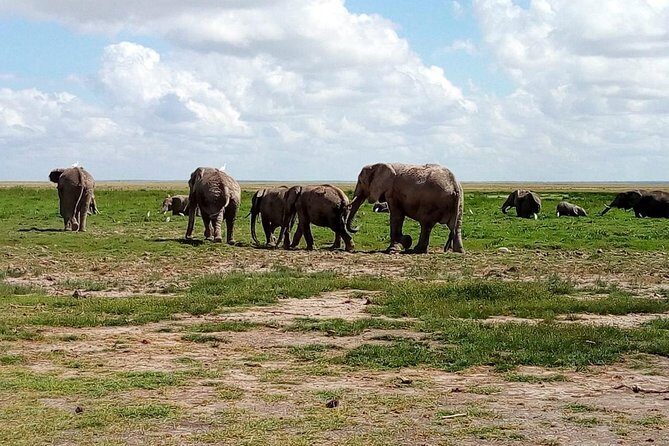
- large elephant concentrations
- flocks of flamingos drawn to the algae
- and the headline behavior—tree-climbing lions
That tree-climbing piece isn’t a guarantee, but Lake Manyara is one of your best chances in the region for the classic sightings people talk about. Even when the lions aren’t in the trees, you’ll still get action: elephants moving through edge habitat, birds clustering by the lake margins, and plenty of wildlife spread out in a compact area.
Your day here is structured to reduce dead time. You’re picked up in Arusha, arrive in time for lunch at the camp, then head out for an afternoon game drive. Afternoon timing can be great for behavior changes—animals start adjusting for evening movement, and birds often get more active in the shifting light.
The tradeoff: you might arrive with a bit of travel fatigue. But since this is your first safari day, it’s also the easiest day to “switch on” once you’re in the park gates.
Serengeti: the Seronera water source that keeps wildlife coming
From Manyara, you move toward Serengeti through farmland and the Ngorongoro Conservation Area highlands. That drive shift is more than scenery. It’s how the day “changes gear.”
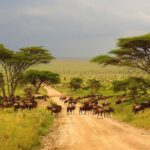
Then Serengeti opens up. The plan centers on the central park area known as Seronera, which is tied to the Seronera River. The simple logic is water draws life. When a river (and surrounding habitat) holds water consistently, animals keep returning to graze, drink, and rest. Predators also use those same routes.
Seronera is often where you’ll feel the classic Serengeti spread: big distances, rolling plains, and wildlife popping up when you least expect it. The focus here is on an afternoon game drive after lunch, with dinner and an overnight at camp.
A practical note: Serengeti can be “hunt and wait” depending on where animals are that day. Your best strategy is patience plus a guide who pays attention. In the feedback I saw tied to this kind of route, guides praised for finding animals and explaining what’s happening tend to make the biggest difference—especially when you’re trying to learn faster than the vehicle’s motion.
If you like stopping to scan, ask questions, and watch patterns instead of only chase the biggest headline animal, Serengeti is the park that rewards you most.
Ngorongoro crater day: early viewing, optional Olduvai stop, and the descent payoff
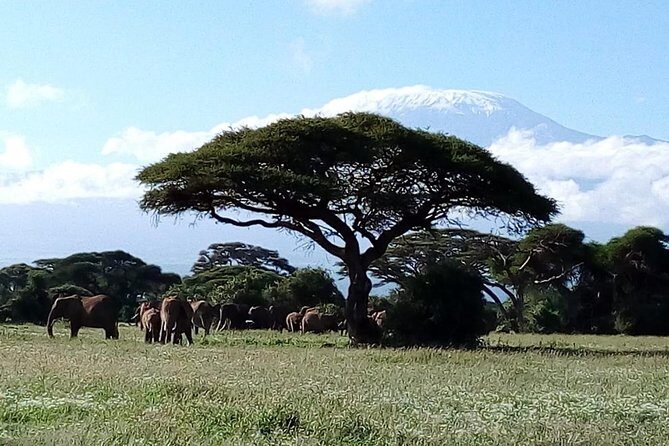
Ngorongoro Conservation Area is where the itinerary gets serious. You start with an early morning viewing session, then you head toward Ngorongoro late evening for your campsite night.
There’s also an optional Olduvai Gorge stop. If you choose it, you pay extra for that portion. The value here is perspective: Olduvai Gorge is tied to major human-evolution discoveries credited to the Leakey research work, including important fossil finds named in connection with early humans. Even if you’re not a science person, it adds meaning to the fact you’re visiting a region where both human and animal stories run deep.
Then comes the crater logic. You’re not spending a full day before you see the crater wildlife. Instead you build anticipation: early game viewing, then a transfer timing that positions you for a true crater morning.
One thing I’d plan for is patience with timing. This kind of route often means you feel the day start early, then stretch into the evening drive. That’s normal for crater-area logistics, and it’s why the structure matters: you want to be in position to descend when the light and animal activity are best.
Ngorongoro crater: half-day safari in a dense wildlife bowl
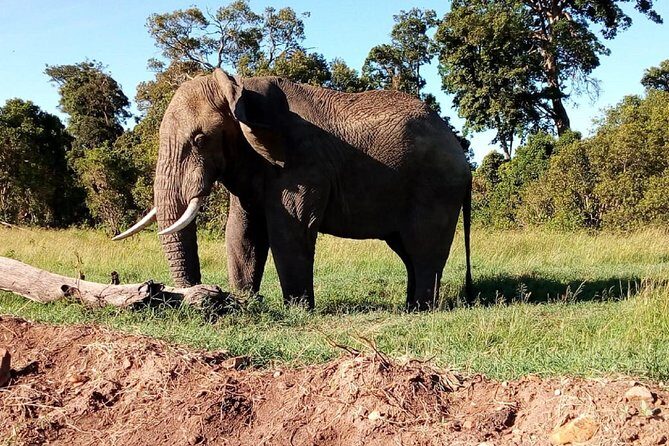
Your final safari portion is the crater descent for about a half day. If Serengeti is about wide-open patience, Ngorongoro is about concentration.
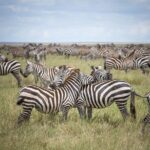
The area supports a wide mix of animals, including wildebeest, zebra, buffalo, eland, warthog, hippo, and giant African elephants. Predators are a major part of the appeal too: lions, hyenas, jackals, cheetahs, and the leopard—though leopard sightings can take a trained eye and still aren’t guaranteed.
The half-day format can sound short, but there’s a reason it works. When animals live close together in predictable habitat pockets, your chances rise even if you’re not out there for a full day. You also get a more focused experience: fewer long vehicle-only hours, more time dedicated to scanning and short repositioning as sightings pop up.
Lunch here is handled as a picnic lunch. That matters because it keeps the pacing tight and helps you avoid the classic safari problem of losing prime viewing hours to meal logistics.
A few more Arusha tours and experiences worth a look
Price and value: where your $1,743.59 per person goes
At $1,743.59 per person, this tour sits in the “budget but not bargain-hunting” category for northern Tanzania. You’re not paying for luxury accommodations, and that’s reflected in the campsite lodging approach. But you are getting core safari costs handled for you.
What’s included that actually saves money and stress:
- Driver/guide throughout
- National park entrance fees
- Breakfast and dinner on three days (3 breakfasts, 3 dinners)
- Lunch on four days (including boxed lunches and picnic lunch)
There are also two details that affect value more than people expect:
- Group cap and service style. A small group (up to 15) helps the experience feel more personal, and it often makes it easier to keep track of sightings without a giant scramble in and out of vehicles.
- Time protection. Boxed lunches reduce downtime and keep you in the vehicle during prime viewing windows instead of stopping for long, unpredictable meal breaks.
Where you should budget extra:
- Toiletries and towels (not included)
- Bathing soap and personal sanitary items (not included)
- Olduvai Gorge tour costs, if you add that stop
Balanced take: if you want a comfy lodge, this won’t feel worth it. If you want the best use of a short trip and you’re okay with camping, the included park fees and meals make the pricing feel more reasonable.
The real “feel” of this safari: small groups, camping nights, and the road factor
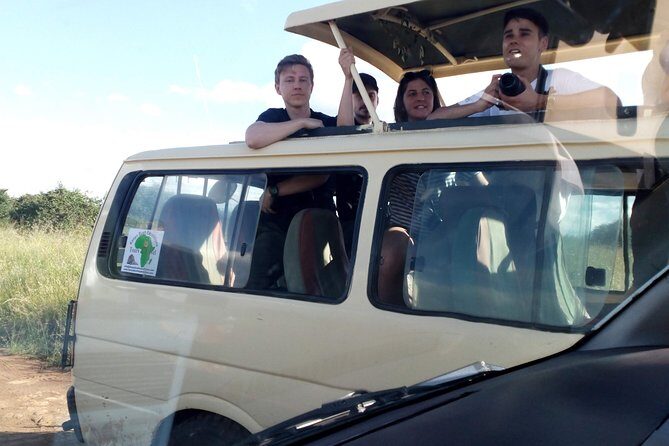
Camping safaris are a specific vibe. You’ll likely wake up with the soundscape of camp life, eat included meals, and spend most of your day moving in search of animals. That’s part of why people love this style—it feels closer to the parks than hotel stays do.
From the feedback I reviewed, the camping side gets a strong nod when people like the adventure and social aspect. Some groups describe tent-making or at least a hands-on camping atmosphere, which can be part of the charm if you’re not expecting turn-down service.
The road day factor is also real. Several comments point out that roads can be rough. That’s not a deal-break for most safari travelers, but it’s worth planning for:
- Bring layers and a small towel so you can handle dust
- Have a strategy for motion comfort
- Keep water handy when stops happen
On the human side, the best experiences often link to the guide and driver working as a team. Names like Masulya and Martin show up with praise for making sure expected animals were in the mix and for answering questions—even the ones that start as curiosity and turn into real learning.
One balanced caution: there’s evidence this operator can subcontract roles such as cook or guide services. That doesn’t automatically mean you’ll have problems, but it does mean the experience can vary by departure and assigned staff. If you care a lot about guide style and camp quality, I’d ask what’s confirmed for your specific departure before you lock in.
What to pack (and what to do) for better sightings
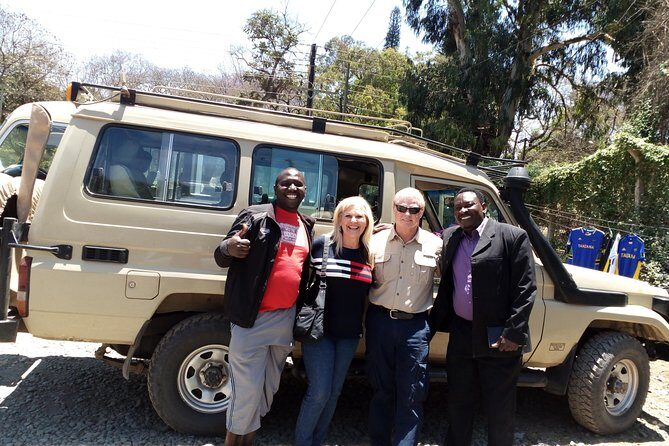
You can’t control wildlife. You can control your preparation.
Here’s what matters most for this particular route:
- Binoculars if you have them. You’ll spend a lot of time scanning for movement on open plains and in crater viewpoints.
- Layers for early starts. Morning in the Rift Valley can feel cooler, then warm up fast.
- A dust plan: sunglasses, a hat, and a cloth for wiping lenses when the road gets dusty.
- Simple cash strategy for optional extras like Olduvai Gorge if you decide last minute.
During game drives, your best move is mental, not physical. Ask your guide what they’re tracking and why. Even if you’re not a wildlife expert, understanding the “why” helps you notice faster—like why certain species cluster around water sources, or why predator behavior shifts when prey is nearby.
Also, boxed lunches and picnic lunches are doing something helpful for you: they reduce the urge to rush through spotting just to get food. Use that time. Eat, hydrate, then reset your eyes for the next viewing window.
Who this safari is best for (and who should rethink)
This 4-day safari is a strong match if:
- you want to see three classic northern parks in one trip
- you’re okay with camping accommodations
- you value more game-drive time over hotel comfort
- you like small-group energy and real conversation with your guide
It might not be ideal if:
- you expect a luxury lodge setup
- you’re very sensitive to rough roads and early mornings
- you want absolute certainty in staffing quality every single day (because services can be subcontracted)
If you’re traveling solo, this kind of small group can be a win. Multiple strong experiences tied to solo travelers show that joining a friendly group can turn the safari into more than just wildlife spotting—it becomes a shared adventure.
Should you book this safari?
I’d book this tour if you want a smart, budget-friendly route across Lake Manyara, Serengeti, and Ngorongoro, and you’re happy with camping nights. The included entrance fees, meals, and the way lunches are handled make it easier to spend your time where it counts: in the parks.
If camping is a hard no, or you’re hoping for lodge-level comfort, look for a higher-priced version with upgraded accommodation. And if you’re picky about service consistency, ask what’s confirmed for your guide and camp staff for your specific departure.
FAQ
What parks are included in the 4-day safari?
You’ll visit Lake Manyara National Park, Serengeti National Park, and the Ngorongoro Conservation Area, including crater wildlife viewing.
Does the tour include meals?
Yes. Breakfast is included for 3 days and dinner is included for 3 days. Lunch is included for 4 days, including boxed lunches and a picnic lunch.
Is pickup and drop-off in Arusha included?
Pickup is offered from your Arusha accommodation, and the safari also returns you back to Arusha at the end.
What is the maximum group size?
The maximum group size is 15 travelers.
Are park entrance fees included?
Yes. National park entrance fees are included.
Is Olduvai Gorge included?
Olduvai Gorge is an optional stop. Any related costs are not included in the package price.
Is the booking refundable?
No. The experience is non-refundable and cannot be changed for any reason.