REVIEW · ARUSHA
4-Day Safari from Arusha: Tarangire, Serengeti and Ngorongoro
Book on Viator →Operated by Bestday Safaris · Bookable on Viator
A good safari can start with one lucky glimpse. This one focuses on Tanzania’s big draws—Tarangire, Serengeti, and the Ngorongoro Crater—with day-by-day wildlife driving and included meals. I like that the trip runs private (only your group), and I also like the way the days are built around game drives with smart timing, like an early start for Serengeti’s prime viewing.
Two things that really make this feel like good value: park entry and core logistics are handled (fees/taxes, transport in a 4×4, driver-guide, and meals), so you don’t keep mentally tallying extra costs mid-trip. And the accommodation setup is practical, with self-contained rooms and hot showers, plus tented-camp options if you want the more bush-close experience.
One consideration: you’re committing to a full day out in the vehicle at least a few days in a row, and this experience needs good weather. If you hate long drives or you’re trying to pack too much into your Tanzania days, you’ll feel it.
In This Review
- Quick hits before you go
- The parks: why this 4-day loop works
- Day 1 in Tarangire National Park: elephants, baobabs, and rare surprises
- Day 2 and Day 3 in Serengeti: Seronera, morning light, and the hunt for the moment
- Day 4 in Ngorongoro Crater: why this place feels different
- What your day-to-day experience feels like (vehicle, pace, and comfort)
- Price and value: $1,754.88 per person, what that actually buys
- Guides and spotting power: what I’d watch for in the field
- Lodges vs tented camps: choosing the right “night vibe”
- Getting there: meeting point and timing that matter
- Costs to keep in mind beyond the package
- Who this safari suits best (and who should think twice)
- Should you book this 4-day Arusha safari?
- FAQ
- Where does the safari start in Arusha?
- Is this safari private?
- How many people are required to book?
- What parks are included in the 4-day safari?
- What accommodation style is included?
- Are meals included?
- Is drinking water included?
- Are park entry fees included?
- Are airport transfers or Arusha hotel nights included?
- Is free cancellation available?
Quick hits before you go
- Private safari, daily year-round availability (minimum 2 people per booking)
- Big wildlife targets: elephants in Tarangire, Seronera-area density in Serengeti, and crater concentration in Ngorongoro
- Real crater wildlife: Ngorongoro supports an estimated 30,000 animals year-round due to water and fodder
- Included essentials: meals (breakfast/lunch/dinner), drinking water (1.5 liters per person per day), and admission fees/taxes
- Comfort + option: lodge or tented camps with self-contained rooms and hot showers
- Hands-on guiding: you may get star spotters like Isaac, Six, Joseph, Ali, and Kaana—names that repeatedly show up in guide feedback
The parks: why this 4-day loop works
If you’ve ever looked at a Tanzania safari map and thought: okay, but where do I actually go, this route is the answer. You hit three habitats that each shine for different reasons, instead of just checking boxes.
Tarangire is famous for elephants and baobab scenery, especially in drier months when animals gather near water. Serengeti is about scale and variety, with the Seronera region acting like a wildlife magnet thanks to its river system. Then you finish in Ngorongoro, which is basically a wildlife amphitheater—walls, altitude, and a year-round supply of water help keep animals concentrated.
A few more Arusha tours and experiences worth a look



Day 1 in Tarangire National Park: elephants, baobabs, and rare surprises
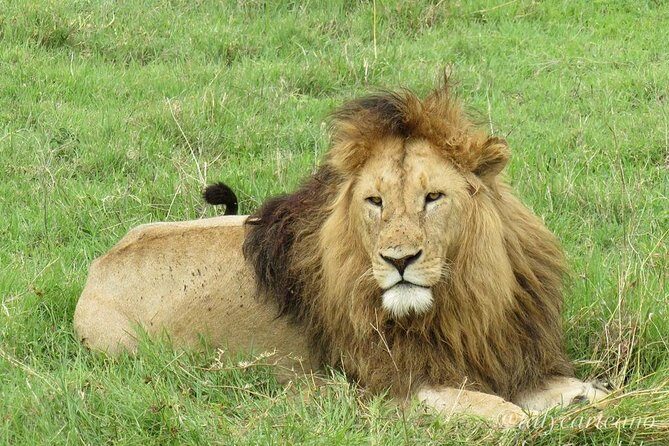
Day 1 starts with the drive into Tarangire National Park, then a full day game drive with picnic lunch. The park’s look is part of the charm: acacia woodland, big African baobabs, and swampy areas in the south that pull in animals when it’s dry outside. It’s a different feel than the open, sweeping plains you’ll see later.
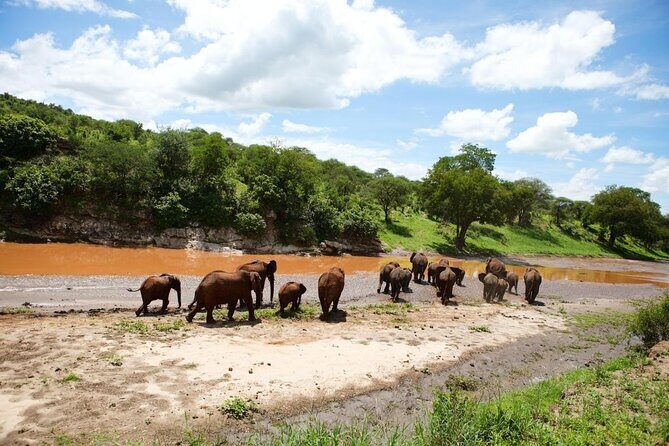
Tarangire is especially known for large elephant herds, and this is one of those parks where you don’t just hope to see them—you plan your day around finding them. You’ll also want to keep your eyes peeled for less-common sightings. Tarangire is home to rare species such as the Greater Kudu, the Fringed-eared Oryx, and a few Ashy Starlings.
Practical note: Tarangire days tend to move at the pace of wildlife, not the pace of a timetable. That’s good. You’ll spend more time where animals are showing, and less time forcing detours when the bush is quiet.
Day 2 and Day 3 in Serengeti: Seronera, morning light, and the hunt for the moment
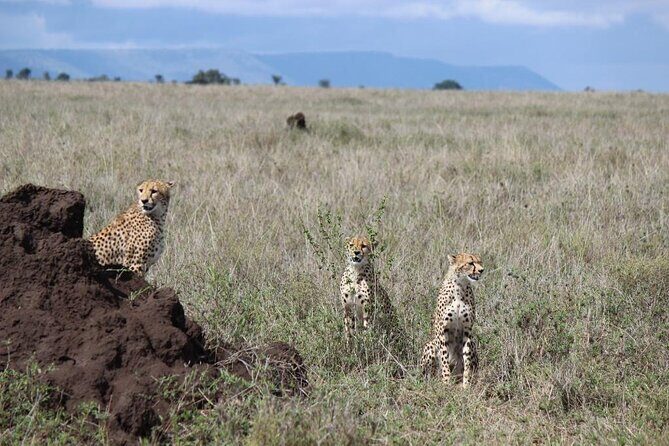
On Day 2, you’ll head from the highlands down toward the heart of the Serengeti through farmland and the Ngorongoro Conservation Area. Once you reach the Serengeti, you’ll focus on the central Seronera area, which is known for being one of the richest wildlife zones inside the park. The reason is simple: the Seronera River helps provide steady water that supports a wide range of species.
The day is built around a game drive after breakfast, and this is exactly how you want it. Serengeti viewing often comes down to light, patience, and positioning. If you can be in the right patch of country early, you usually see more.
Day 3 starts early too, with an early breakfast followed by a morning game drive. Then you’ll shift from Serengeti toward the Ngorongoro Conservation Area, including a game drive en route. That in-between drive matters more than most people think. Wildlife doesn’t only appear when the schedule says it should, and the transfer day gives you extra chances instead of turning into dead time.
Day 4 in Ngorongoro Crater: why this place feels different
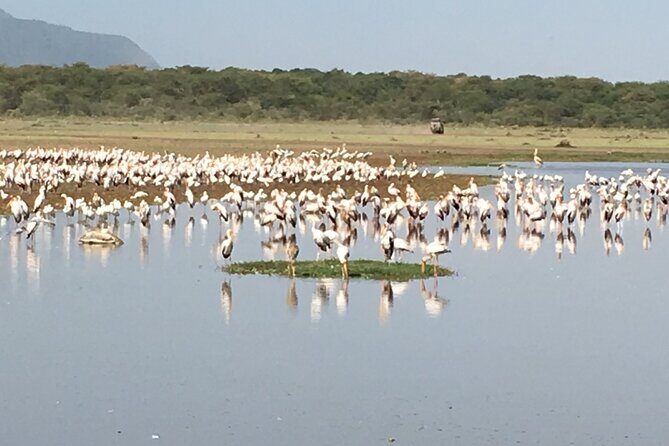
Day 4 is the main event: after breakfast you’ll descend into the Ngorongoro Crater for game drives, plus a picnic lunch on the crater floor.
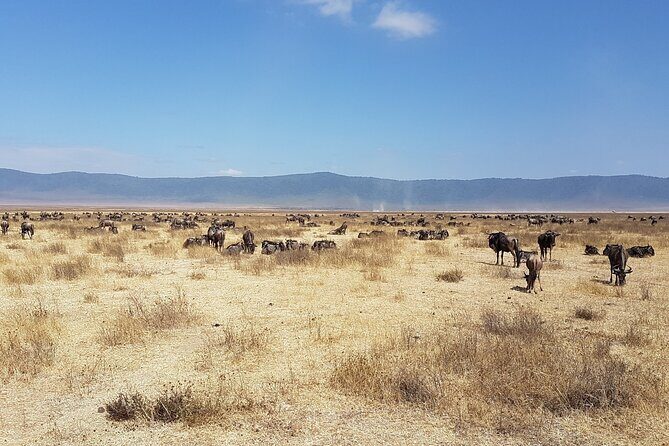
Here’s what makes Ngorongoro feel so intense. The crater is one of the most densely populated wildlife zones in Africa, with an estimated 30,000 animals. The big secret is that it has a year-round water supply and fodder, which helps animals stay instead of moving away when conditions change.
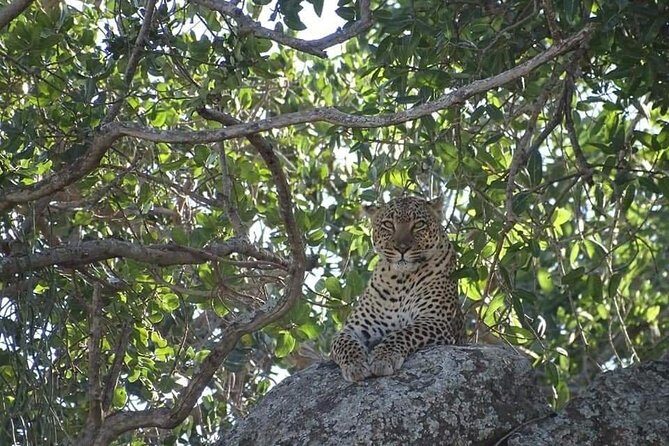
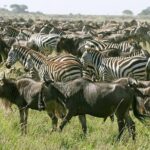
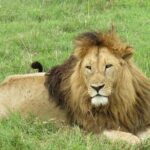
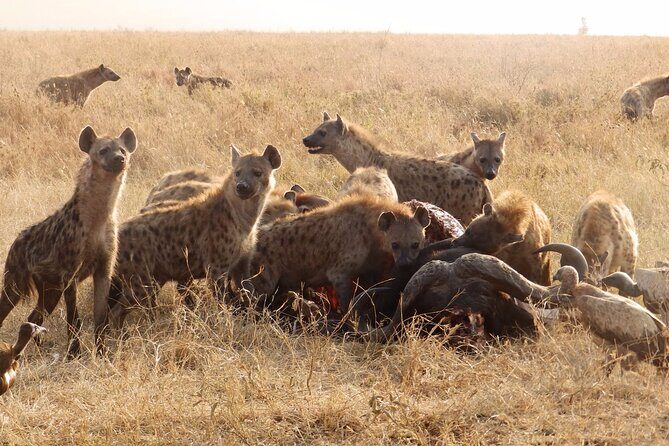
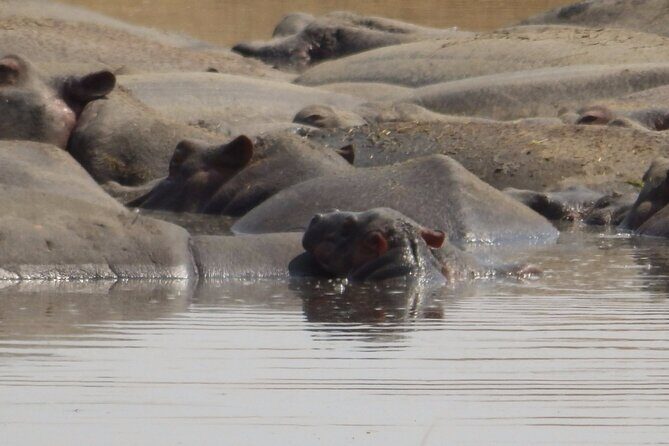
You can expect to see animals like wildebeest, zebra, buffalo, eland, warthog, hippo, and giant African elephants. Predators also get attention here: lions, hyenas, jackals, cheetahs, and—when luck and timing line up—leopard. The crater walls create a natural viewing bowl, which often makes for more frequent sightings than you get on flatter, wider parks.
One small planning thought: crater drives can feel like time travel because the scenery and animal density both change quickly. You’ll want sunscreen and patience, because the best views can happen suddenly and then vanish just as fast.
What your day-to-day experience feels like (vehicle, pace, and comfort)
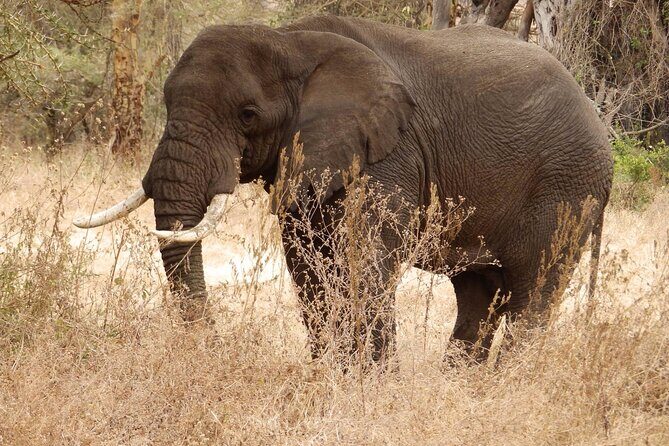
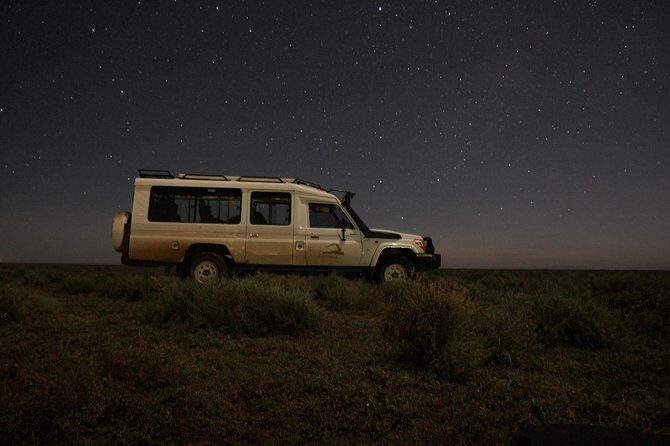
This is a 4×4 safari vehicle with a driver-guide. That matters because the roads and tracks inside and between parks require real off-road experience, not just a bus ride with windows.
Accommodation is either lodge or tented camps, and the setup includes self-contained rooms with hot shower. That’s a welcome combo: safari nights can be chilly or dusty, and having a hot shower back in your room makes the next morning game drive feel way more humane.
Meals are included throughout: breakfast, lunch, and dinner. Drinking water is also included at 1.5 liters per person per day. If you’ve ever done a safari where you constantly search for water, you’ll appreciate that this is handled.
A few more Arusha tours and experiences worth a look

Price and value: $1,754.88 per person, what that actually buys
At $1,754.88 per person, this safari isn’t a budget impulse buy. But look at what’s included: all fees and taxes, transport during the safari in a 4×4, a driver-guide, accommodation, and a full set of meals (plus water). That’s a lot of the “hidden” safari cost that can otherwise surprise you.
You’re also paying for location efficiency. Tarangire, Serengeti, and Ngorongoro in a tight time window is where you win. If you tried to stitch this together on your own, you’d spend time negotiating guides, permits, and logistics. Here, you get a ready-made circuit with park entry covered and a consistent guiding team.
What’s not included is also worth noting for budgeting: airport transfers, nights in Arusha (you start and end back at the meeting point), domestic/international flights, personal expenses, and tips. Optional add-ons like balloon rides or visiting a local village aren’t part of the base price.
Guides and spotting power: what I’d watch for in the field
The most praised part of this safari, again and again, is guidance and wildlife spotting. Names that come up include John and Anock, Isaac, Six, Joseph, Ali and Joseph, and Kaana. That doesn’t mean everyone gets the same people, but it does suggest the operator invests in guides who can track and interpret.
When a guide is good, you feel it in three ways:
- You spend more time in the right areas instead of wandering.
- You understand what you’re seeing (not just ticking animals off).
- You learn how to read signs in the landscape, like fresh tracks, bird calls, and where animals typically drink or rest.
If you want to maximize your odds of seeing predators—especially in Serengeti and the crater—ask your guide questions during quiet moments. Most strong guides enjoy that back-and-forth, and it helps you connect animals to behavior instead of treating everything like a single photo stop.
Lodges vs tented camps: choosing the right “night vibe”
You have a choice in accommodation style: lodge or tented camps. Both aim for comfort, with hot showers mentioned for the room setup, but the feel differs.
Lodge nights are more predictable: you can expect a more structured camp base and easier recovery after long drives. Tented camps can feel more “out there” because they’re closer to the bush atmosphere. That can be brilliant if you like the feeling of being in the landscape, and it’s fine if you sleep through sounds. If you’re a light sleeper, pick lodge—your mornings will thank you.
Getting there: meeting point and timing that matter
This safari starts at 8:30 am at Msumbi Coffees TFA Shopping Complex on Sokoine Rd in Arusha. The activity ends back at the same meeting point. There’s no airport transfer included, and nights in Arusha aren’t included, so you’ll want to plan your arrival day accordingly.
Also, this tour is private, and the minimum booking requirement is 2 people. If you’re traveling solo, you’ll want to confirm whether you can join a small private group or if you’ll need to pair with others.
Costs to keep in mind beyond the package
Even with fees and meals handled, a few extra budget items come up often:
- Tips for your driver-guide and cook (not included)
- Personal expenses like laundry, phone use, and beverages beyond what’s included
- Optional add-ons (balloon rides, and village visits)
- Flights and airport transfers, since those aren’t covered
- If you’re sensitive to packing, bring the basics because you’re not described as stopping for lots of extras during the drives
One more practical point: this safari requires good weather. If conditions are poor, the operator may offer a different date or a full refund, depending on what happens.
Who this safari suits best (and who should think twice)
This is a strong fit for you if:
- You want the classic Northern Circuit highlights without juggling separate arrangements.
- You value a structured plan with daily game drives and included meals.
- You like being in the vehicle early, since morning drives tend to be where action starts.
It’s also ideal for couples, friends, and small groups who want privacy. Because it’s private, you won’t have to share decisions about pacing, stops, or where you spend time with wildlife.
Think twice if:
- You dislike long drives. Even with the best spotting, you’ll spend hours on the road.
- You’re traveling with tight schedules in Tanzania and need everything to be “short and sweet.”
- You want airport pickup and full Arusha nights included automatically—this package doesn’t cover those.
Should you book this 4-day Arusha safari?
If your goal is a real, efficient safari circuit—Tarangire for elephants, Serengeti for Seronera-area wildlife, and Ngorongoro for crater concentration—this is an easy “yes” to consider. The biggest reason is value: many of the costs that usually add up (park entry, transport during safari, meals, water, and fees/taxes) are folded into the price.
If you’re choosing between safari operators, ask yourself one question: do you want convenience and a tight plan, or do you want to micromanage logistics yourself? This tour leans toward convenience with professional guiding, and the guide-spotting reputation (with names like Isaac, Six, Joseph, and Kaana showing up repeatedly) is the kind of detail that actually affects your sightings.
FAQ
Where does the safari start in Arusha?
The meeting point is Msumbi Coffees TFA Shopping Complex on Sokoine Rd in Arusha, and the start time is 8:30 am.
Is this safari private?
Yes. It’s described as a private tour/activity, so only your group participates.
How many people are required to book?
The safari is private with a minimum of 2 people per booking.
What parks are included in the 4-day safari?
You’ll visit Tarangire National Park, Serengeti National Park, and Ngorongoro Conservation Area, including Ngorongoro Crater game drives.
What accommodation style is included?
Accommodation is in lodge & tented camps, with self-contained rooms and hot showers mentioned.
Are meals included?
Yes. The tour includes meals (breakfast, lunch, and dinner) for all days on the safari, and it includes both vegetarian and non-vegetarian options.
Is drinking water included?
Yes. 1.5 liters of drinking water per person per day is included.
Are park entry fees included?
Yes. The experience includes all fees and taxes, and park admission is listed as free for the game-drive stops.
Are airport transfers or Arusha hotel nights included?
No. The package lists airport transfers and nights in Arusha as not included.
Is free cancellation available?
Yes. You can cancel up to 24 hours in advance for a full refund, and the experience requires good weather (if it’s canceled due to poor weather, you’ll be offered a different date or a full refund).