REVIEW · ARUSHA
4-Day Private Lake Natron and Serengeti Wildlife Safari
Book on Viator →Operated by Destiny Explorers · Bookable on Viator
A trip built around two lakes can change how you see Tanzania. Here you get Lake Natron and Serengeti in one run, with a guide who keeps the story moving from volcano ground to wildlife drama.
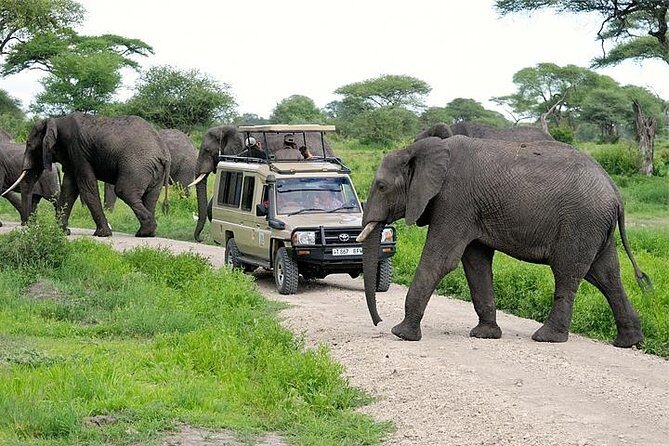
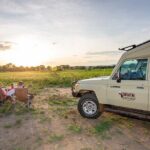
I also like the practical feel of a private safari: you’re in a 4×4 safari vehicle with a pop up roof, so you can spot animals without craning your neck all day. The one real consideration is time and driving—expect long stretches in the car between parks.
I especially value the people side of this experience. With Issa from Destiny Explorers, the communication tone is quick and helpful, and the service feels geared around your pace rather than a rigid script. The possible drawback? This kind of circuit is weather sensitive, so if conditions are poor, you may need to adjust dates.
In This Review
- Key things that make this safari work
- A 4-day circuit built for wildlife variety, not just checkmarks
- Day 1 to Lake Natron: red water, flamingos, and Ol Doinyo Lengai
- The long drive north: why the road time matters on this safari
- Day 2 through Serengeti National Park: Maasai homeland to big-plains wildlife
- Ngorongoro Crater day: where wildlife density is the whole point
- Lake Manyara: lions, pink birds, and the forest-lake mix
- The private guide factor: why communication like Issa’s matters
- Price and value: what $1,600 per person gets you
- What the pop-up roof and 4×4 really change for you
- When this safari is a great match
- A note on weather and how it affects your plans
- Should you book this Lake Natron and Serengeti wildlife safari?
- FAQ
- What’s the tour duration?
- Where does the safari start?
- Is this a private safari?
- What’s the price per person?
- Do you offer pickup?
- What vehicle do you use?
- What’s included with meals?
- Are park admission tickets included?
- What happens if the weather is bad?
- Can I cancel and get a full refund?
Key things that make this safari work
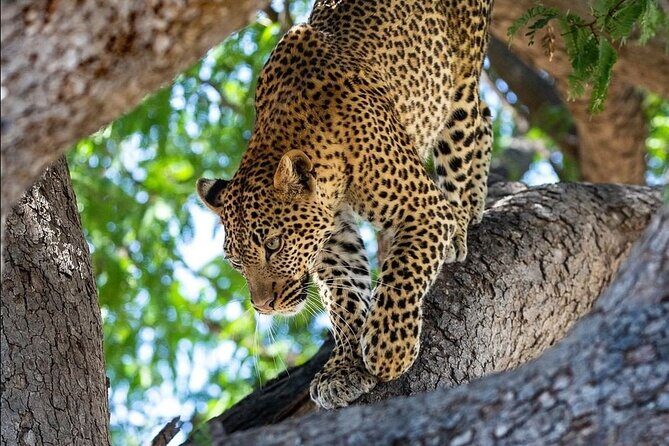
- Lake Natron’s flamingo scale: a soda lake where millions of lesser flamingos breed, even with highly alkaline red water
- Volcano setting: you’re close to Ol Doinyo Lengai, including trails toward Engero Sero waterfalls
- Serengeti approach through Maasai homeland: you drive through areas where the Maasai are the permitted community in the conservation/protected land
- Ngorongoro Crater concentration: a massive caldera with a packed mix of wildlife, including the chance at black rhino
- Lake Manyara’s tree-climbing lions: plus birdlife and elephants, with a groundwater forest environment
A 4-day circuit built for wildlife variety, not just checkmarks
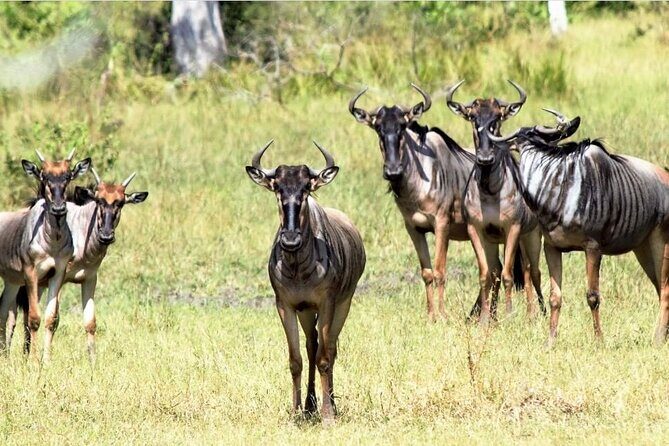
This is a private safari that links four standout areas in roughly four days, starting and ending in Arusha. The big value here is variety: soda lake birds, wide open plains, crater wildlife density, and a forest-lake park known for lion behavior.
Because it’s private, the rhythm can feel more natural than on group tours. Your driver-guide is also in the driver’s seat on timing and where you stop—within normal park rules, of course—so you’re not stuck waiting for everyone to catch up.
The main tradeoff is simple: it’s a lot of driving. The drive days are long, so if you’re sensitive to long road hours, this is where you’ll feel it.
You can also read our reviews of more private tours in Arusha
Day 1 to Lake Natron: red water, flamingos, and Ol Doinyo Lengai
Lake Natron is the kind of place you remember because it looks unreal. It’s a mineral-rich soda lake in northern Tanzania near the Kenya border, and it acts as a breeding ground for hundreds of thousands to about 2.5 million lesser flamingos. Even with the highly alkaline water, the birds keep showing up in numbers that are hard to wrap your head around until you see them.
What makes this stop more interesting than a quick photo pull-over is the setting. Lake Natron sits below Ol Doinyo Lengai, an active volcano in the Rift Valley. That changes the whole mood of the day: the terrain feels volcanic and dramatic, and the air of the region matches the lake’s striking red tones.
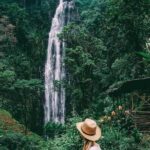
You’ll also have a chance to connect the scenery to something physical. Trails lead from the lake area toward Engero Sero waterfalls, where water flows over rock into a natural pool. Even if you don’t get an epic view from every angle, you’re still walking through a real system—lake, mineral conditions, water flow, and rock.
Practical note: alkaline areas aren’t the place to be careless. Stick to marked paths, keep your gear protected around dust and salt spray, and plan to move at a steady pace if you’re walking near rocky sections.
The long drive north: why the road time matters on this safari
This safari doesn’t treat the road like a waste of time. The drive from Arusha to Lake Natron can take up to 6 hours, and you’ll notice the environment gradually swap from greener patches to dryer, dustier country.
That slow change matters because it helps you understand why the parks feel so different. By the time you reach Lake Natron, you’re not just arriving at an attraction—you’re arriving after a shift in climate and terrain that makes the flamingos and volcanic backdrop make more sense.
You’ll also pass Maasai villages en route, often appearing as small dots across the wider scenery. It’s not a town tour, but it’s a real visual reminder that wildlife areas sit alongside human communities.
Tip: long drives are easier when you’re ready. Bring a light layer for morning air, sunglasses for bright stretches, and snacks if you know you get hungry between meal stops.
Day 2 through Serengeti National Park: Maasai homeland to big-plains wildlife
After Lake Natron, you’ll head into Serengeti National Park with a drive that can be long and rewarding. On the way, you pass through Maasai homeland, described here as the only area where Maasai people are permitted to live in the conservation and protected land.
What I like about this is the context it gives you before you even reach the animals. You see how grazing and daily life connect to the open-country setting around the park. The Maasai are traditionally nomadic, and the culture is described as centered on family knowledge of plants used for survival—along with the cattle herding you may spot in bright traditional clothing.
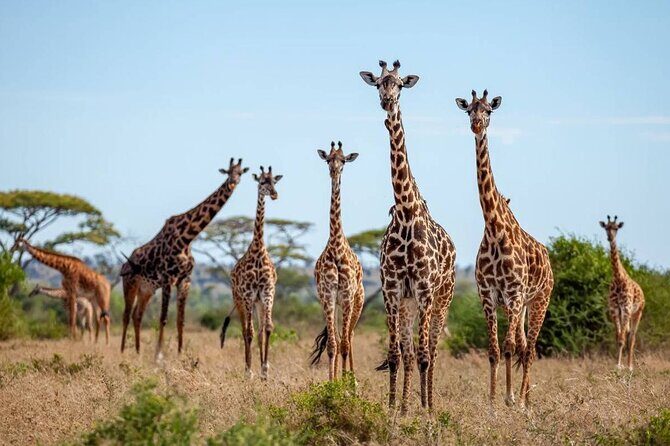
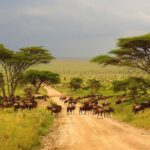
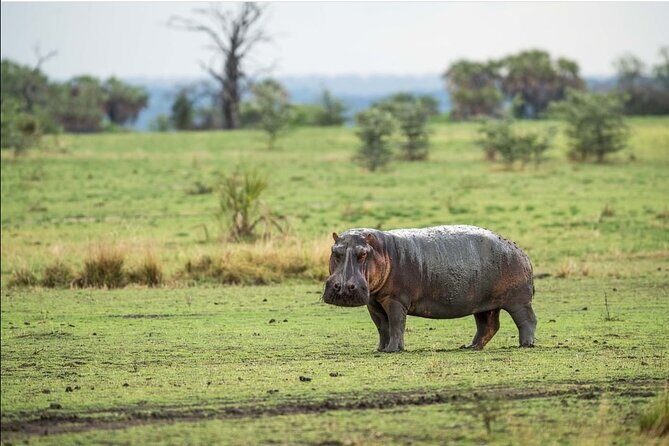
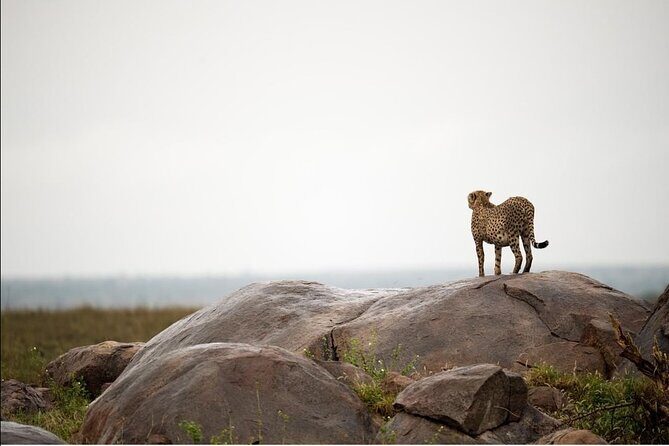
Once you enter the wildlife zone, you’re in classic savanna country where spotting can start even before you settle into deeper park roads. The guide route includes chances to see giraffes, zebras, and other wildlife along the way, so you’re not waiting for the first animal until late in the day.
This day is also a reminder that Serengeti isn’t one view. It’s a moving experience. One of the best parts of a private safari is that you can stop and re-check positions as the light changes.
Practical note: Serengeti sightings can be unpredictable. A good guide helps you translate animal behavior into where to look next—so pay attention to what your driver is explaining rather than focusing only on what you want to see.
Ngorongoro Crater day: where wildlife density is the whole point
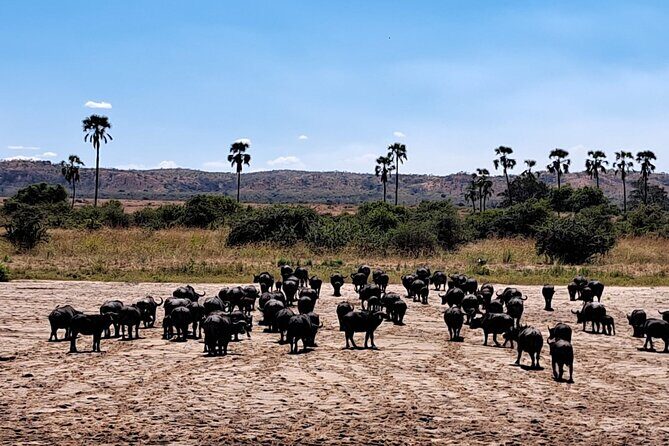
If there’s one place in this circuit built for concentration, it’s Ngorongoro Crater. The crater is described as about 3 million years old, and it’s the world’s largest inactive, intact and unfilled caldera with roughly 20 square kilometers inside.
That size is part of the magic. When the terrain channels animals into visible areas, you get more chances at wildlife in a shorter time than you might on more spread-out park drives.
The highlight for many people is the possibility of black rhino, which is noted as rare and endangered. You can also expect other large species such as lions, elephants, zebra, and hyenas, with many others depending on conditions and where the animals move.
Even without a guaranteed checklist, the crater’s structure supports great viewing. The roads and open spots inside the caldera create natural lines of sight, and the pop-up roof vehicle helps you maintain a clean sightline for photos.
One consideration: crater roads and parking areas can mean longer pauses in traffic or crowds at peak times. A private setup helps, but you’ll still be operating inside a world-famous site.
A few more Arusha tours and experiences worth a look
Lake Manyara: lions, pink birds, and the forest-lake mix
After an overnight stay near Ngorongoro, you continue to Lake Manyara National Park for what’s often called the day of the lions. The park is around 330 square kilometers, and about 200 square kilometers becomes lake area when water levels are at a maximum.
This means the visual mood can shift day to day. One moment you’re in areas associated with flamingos and birdlife; the next you’re scanning for herd animals and big cats where the terrain tightens up.
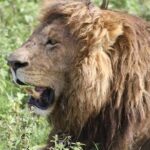
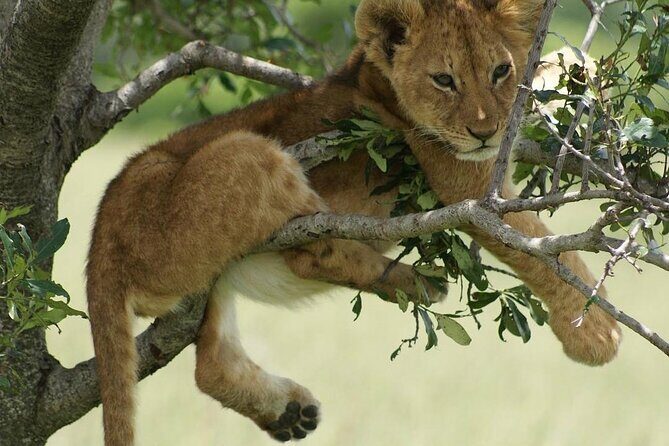
The park is well known for tree climbing lions, tied to the groundwater forest environment. Even if you don’t see that exact behavior, the reason this park is special is the mix of habitats in a relatively compact area.
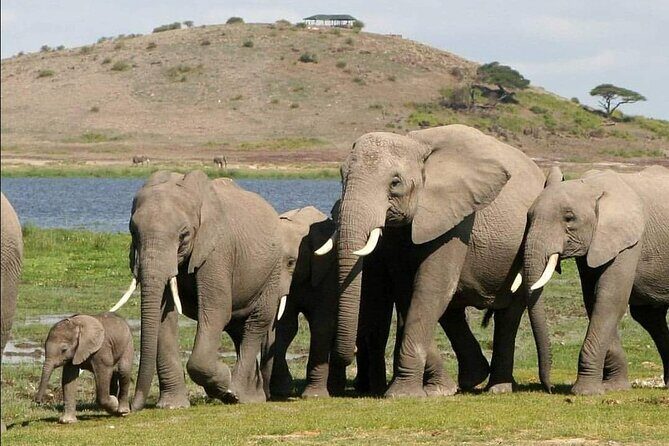
Elephants are also mentioned, and that matters because elephants often signal where the park’s life is concentrated. If your goal is variety, this is a good ending point because it brings you back toward birds and mammals without the steep crater feel.
Mid-afternoon you start the drive back to Arusha, so the day feels like a strong finale rather than a last-minute sprint.
The private guide factor: why communication like Issa’s matters
A safari lives or dies by the guide. In the provided experiences, the standout theme is how well Issa handled communication—prompt responses, helpful preparation tips, and a respectful, polite attitude that kept your preferences in mind.
That doesn’t sound exciting on paper, but it matters in real life. When you know what to expect and how to prepare, you feel calmer at 7:00 am, you don’t panic about clothing or timing, and you can focus on spotting.
The same theme shows up in how the experience is run: things are described as smooth and in order from booking onward. For a 4-day circuit covering four areas, that kind of organization prevents the slow stress that can ruin a safari.
Practical takeaway: once you book, use the communication channel early. Ask what to pack for day/night temperatures and how to handle sun and dust. Your guide already has the route knowledge; your job is to arrive ready so you can enjoy it.
Price and value: what $1,600 per person gets you
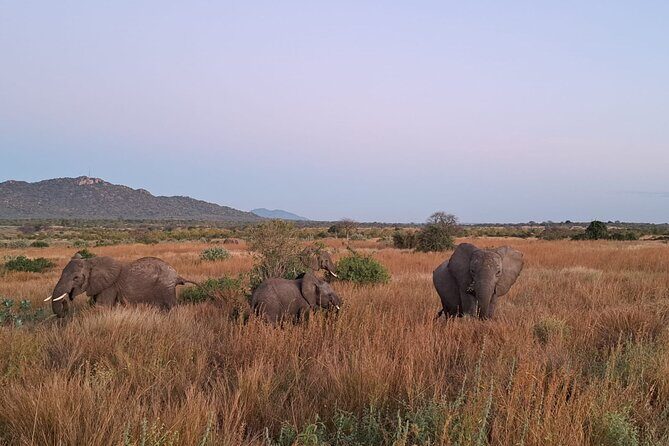
At $1,600 per person, you’re paying for a private route across multiple major sites with a proper safari vehicle. The included elements are what make the number feel more reasonable:
- 4×4 safari vehicle with a pop up roof
- Parking fees
- Meals: lunch (4), breakfast (3), dinner (3)
- The experience includes admission tickets listed as free for the park stops
When you compare that to piecing together separate day tours, this package format saves time and mental energy. You also gain consistency: you’re not changing companies mid-trip or dealing with new logistics each day.
Still, it’s smart to think about your own expectations. If you only care about one or two parks, this circuit might feel like too much. If you want big variety and a guide to connect the dots across regions, the pricing starts to make sense.
What the pop-up roof and 4×4 really change for you
A pop-up roof isn’t a luxury for its own sake. It’s a practical spotting tool, especially in parks where animals can be behind shrubs, at the edge of open plains, or moving along terrain. You can often see and photograph without shifting awkwardly in your seat.
A 4×4 also matters in Tanzania’s driving conditions. It’s designed for the kind of roads safari routes use—roads that can be rough, dusty, or uneven after rain.
In a private safari, you also tend to get more chances to find the best viewing angle because your driver can position the vehicle based on your sightline needs and the park’s rules for where vehicles can stop.
When this safari is a great match
This safari fits best if you want a classic northern Tanzania mix and you’re okay with long drive days. It’s especially good for people who:
- Want Lake Natron flamingo scale plus Serengeti plains in one trip
- Care about seeing a variety of wildlife settings: lake, savanna, crater, and forest-lake
- Value a responsive, respectful guide and smooth communication
- Prefer private flexibility over group pacing
It might not be ideal if you get motion sickness easily or you strongly dislike early starts and long road hours.
A note on weather and how it affects your plans
The experience notes that it requires good weather. If conditions aren’t suitable, the provider will offer either a different date or a full refund. So it’s smart to build in a little patience.
Even with good weather, safari conditions can vary. Your guide’s job is to make the best use of what’s happening each day, so trust the schedule and stay flexible.
Should you book this Lake Natron and Serengeti wildlife safari?
I’d book this if you’re chasing variety and you want one guide-run experience tying four major areas together. The flamingo scale at Lake Natron, the wildlife concentration at Ngorongoro, and the end cap of Lake Manyara make this feel like a complete northern circuit in a short window.
I’d think twice if you only want one park, because the travel rhythm is built for covering ground. Also consider whether your body handles long days in a vehicle well.
If your biggest priority is a calm, organized trip with strong communication—like the experiences described with Issa—this is the kind of safari that tends to deliver.
FAQ
What’s the tour duration?
The safari lasts 4 days (approximately).
Where does the safari start?
It starts in Arusha, with a stated start time of 7:00 am.
Is this a private safari?
Yes. It’s a private tour/activity, so only your group participates.
What’s the price per person?
The price is $1,600.00 per person.
Do you offer pickup?
Pickup is offered.
What vehicle do you use?
You travel in a 4×4 safari vehicle with a pop up roof.
What’s included with meals?
Meals are included: lunch (4), breakfast (3), and dinner (3).
Are park admission tickets included?
Admission tickets are listed as free for the park stops included in the experience.
What happens if the weather is bad?
The experience requires good weather. If it’s canceled due to poor weather, you’ll be offered a different date or a full refund.
Can I cancel and get a full refund?
Yes. You can cancel up to 24 hours in advance for a full refund.