REVIEW · ARUSHA
Small Group Serengeti and Ngorongoro Crater Adventure Safari
Book on Viator →Operated by SERENGETI LANDMARK TOURS · Bookable on Viator
A safari in two Tanzania icons means fewer transfers—and more time watching animals behave naturally. This 4-day Serengeti and Ngorongoro Crater route is built around big, dramatic contrasts: wide-open Serengeti plains for migration moments, then a contained volcanic “garden” where wildlife packs in close. I like that it keeps you in the action with a small group (max 6) and uses a 4×4 pop-up roof safari jeep, so spotting is easier than in a regular vehicle. I also appreciate the practical structure: early game drives, real meal stops, and park costs handled for you.
The one thing to think about is the pace. You’ll start mornings early (around 5:30–5:45) and you’ll spend serious hours on the road—about 7–8 hours to reach Serengeti on Day 2. If you’re hoping for a slow, sleep-in kind of vacation, this itinerary may feel like you’re always moving.
In This Review
- Key takeaways (what matters most)
- Why This Serengeti + Ngorongoro Route Makes Sense
- Day 1 in Arusha: A Soft Landing Before the Safari
- Day 2: The Long Drive to Serengeti, Plus a Sunset Game Drive
- Day 3: Sunrise in Central Serengeti, Then Head Toward Ngorongoro
- Day 4: Dawn Descent Into Ngorongoro for Big Five Sightings
- Jeep, Guides, and the Small-Group Feel (Max 6)
- Food and Comfort: What’s Included (and What You Should Budget)
- Timing and Strategy: How the Itinerary Helps Your Chances
- Price and Value: Is $790 Fair for This 4-Day Plan?
- Who This Safari Fits Best (and Who Might Want Another Style)
- Should You Book This 4-Day Serengeti and Ngorongoro Adventure?
- FAQ
- FAQ
- What locations does the safari pick you up from?
- How many people are in the group?
- What vehicle is used for the safari drives?
- Are the park fees included in the price?
- What meals are included during the 4 days?
- Is drinking water provided?
- Does the tour include Big Five sightings at Ngorongoro?
- What time do the wildlife activities start on the early days?
- What is not included in the tour price?
- Is there free cancellation?
Key takeaways (what matters most)
- Small group of up to 6 helps your guide keep track of what you see and where
- Pop-up roof 4×4 jeep gives better views during game drives
- Central Serengeti stays at Seronera helps you catch both sunset and early light
- Two sharp game-drive windows (sunrise and afternoon/evening) improve your odds
- Ngorongoro crater descent at dawn puts you on the floor before crowds and heat
- Meals + unlimited water included means fewer budget surprises during the safari
Why This Serengeti + Ngorongoro Route Makes Sense
This safari works because it pairs two very different ecosystems. In Serengeti, the animal story is wide and roaming—especially during migration periods. In Ngorongoro Crater, the story is concentrated. The crater is a large inactive volcanic caldera, and that “bowl” effect funnels animals into a smaller space.
On this 4-day adventure, you’re not just traveling from point A to point B. You’re timing your days around wildlife activity. You get a sunset drive in Serengeti after a long driving day, then you get an even earlier morning drive the next day. Finally, you’re on the crater floor at dawn, when animals tend to be more visible and the light is cleaner for spotting.
Value-wise, this package covers the big operational items: park fees, government bills, and game drive transport in a pop-up roof 4×4. That matters in Tanzania, where you’ll quickly learn that “cheaper” can turn into “add-on city.” Here, a lot of the essentials are already handled.
A few more Arusha tours and experiences worth a look
Day 1 in Arusha: A Soft Landing Before the Safari
Day 1 is simple: you arrive in the Arusha area and get an overnight in Arusha city after pickup from Arusha airport or Kilimanjaro airport. There’s no pressure-filled schedule here, which I like. It helps you adjust before the long days of sunrise spotting.
You also get a sense of what your trip will feel like right away: logistics-focused, not chaotic. Confirmation is provided at booking time, and the tour uses a mobile ticket, which is convenient when you’re juggling flights.
One practical note: Arusha is your launchpad for the parks. Even if you’re eager to get into the bush, keeping Day 1 calm is smart. You’ll need sleep for early wake-ups on the next days.
Day 2: The Long Drive to Serengeti, Plus a Sunset Game Drive
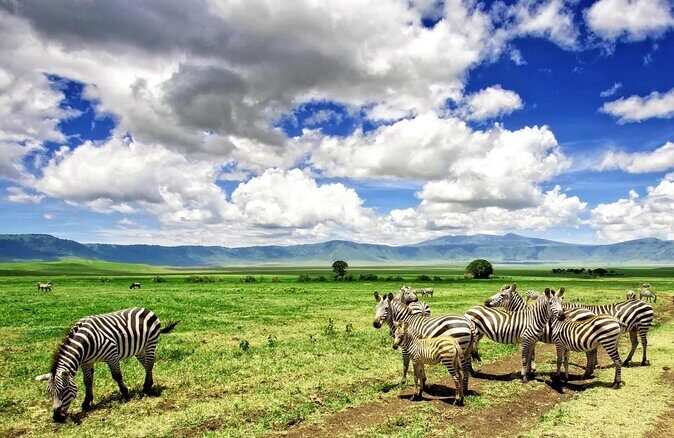
Day 2 starts with an Arusha hotel pickup at 7:30 am and a drive that takes about 7 to 8 hours to reach Serengeti. That’s a full chunk of the day, but it also gives you a moving view of the region. You’ll pass by the Rift Valley scenery and you’ll also get views connected to the Ngorongoro area along the way.
By the time you reach Serengeti—around 3:00 pm—you’re not just arriving. You’re going straight into an experience. You’ll do an evening game drive in central Serengeti, aiming for that “golden hour” effect when visibility often improves and animals move with lower sun glare.
Then comes dinner and overnight at Seronera campsite inside Serengeti. That inside-the-park timing is more than convenience. Staying in the park typically reduces extra driving time and gives you a stronger chance at better wildlife encounters—because you’re already where the action is.
A realism check: Serengeti has a huge space. You can’t control where animals are. But you can control when you’re out there, and this plan gets you into the field at a solid time—afternoon moving into evening.
Day 3: Sunrise in Central Serengeti, Then Head Toward Ngorongoro
Day 3 begins early again. You’ll wake around 5:45 am for breakfast, then go out for an early morning game drive that runs until about 11:30 am. This is one of the strongest parts of the itinerary because morning drives often deliver clearer sightings. Animals tend to be more active, and your eyes tend to work better in softer light.
Then it’s back to the campsite for a hot lunch, and you’ll pack up before transferring toward Ngorongoro, with dinner and overnight at the Simba campsite.
What I like here is the balance. You’re not spending the entire day in transit, but you are moving at a time when the tour is most efficient. By the time you arrive near Ngorongoro, you’re set up to do the crater descent at dawn on Day 4.
Wildlife expectations are strong on this day too. Central Serengeti is known for high concentrations of large mammals, and this tour is designed to cover main areas with your driver guide. In a place like Serengeti, the guide matters. A good guide isn’t just pointing at animals—they’re making choices based on where sightings line up that day.
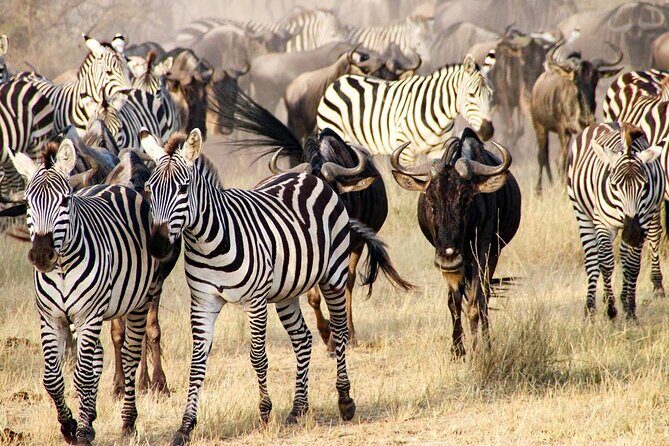
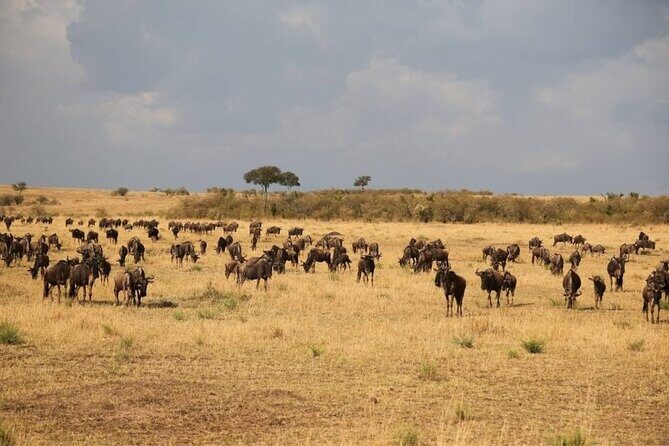
Also: the tour description highlights migration patterns in the broader Serengeti ecosystem—more than 1.5 million wildebeest and about 250,000 zebra in the migration narrative. What you can bank on is the chance to see parts of it, since drought and grass availability push herds and predators around the park. Your guide’s job is to position you for those movement patterns.
Day 4: Dawn Descent Into Ngorongoro for Big Five Sightings
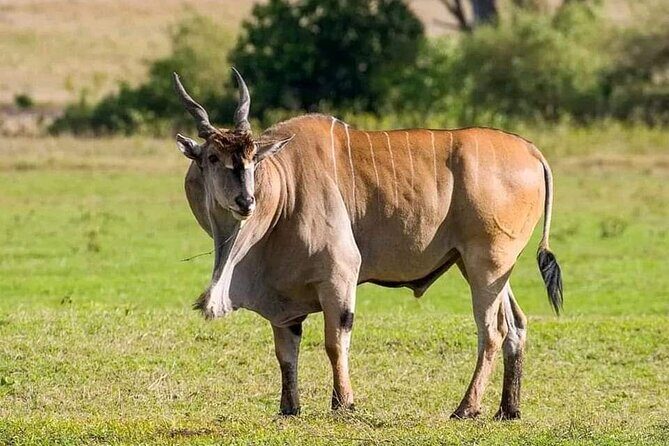
Day 4 is where the itinerary turns special. Breakfast happens around 5:30 am, and then you descend into the Ngorongoro crater floor.
Why this matters: crater floor visibility can drop if you go later. Dawn typically gives you an advantage—less heat haze, animals more active, and the overall feel of the crater more “alive” than crowded.
You’ll be able to see big game, and the tour specifically mentions the chance to spot Big Five, including black rhino. Ngorongoro is also known for its density of animals and birds. The description calls out significant numbers: over 6,000 wildebeest and hundreds to thousands of other species, plus a major bird scene that includes flamingos.
Lunch is taken inside the crater, which I find practical for two reasons. First, it keeps your schedule tight and avoids long exits. Second, it gives you time to look for animals without constantly relocating. It’s not just “sit and eat.” It’s still part of the safari.
If Serengeti feels like a vast stage, Ngorongoro feels like a focused exhibit. And because it’s a crater, many animals are easier to locate relative to the open plains—especially if you’re visiting at the right time of day.
Jeep, Guides, and the Small-Group Feel (Max 6)
This tour runs with a maximum of 6 travelers, and that’s a big deal for safari quality. In a larger group, you can lose time waiting for everyone to line up for views. With only a handful of people, your guide can keep the drive flow moving and fine-tune where to stop.
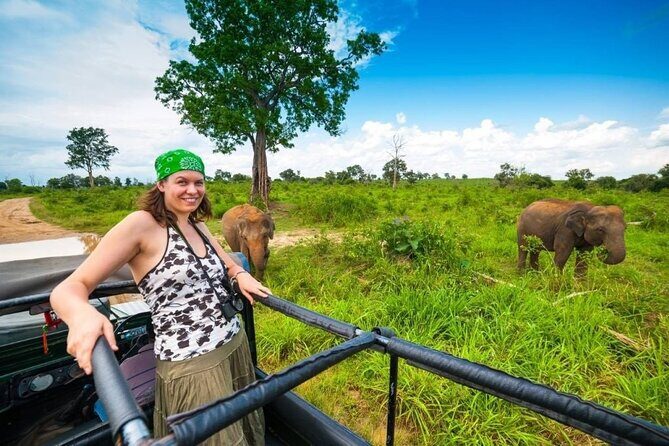
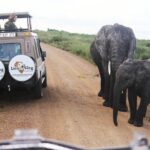
You also travel in a 4×4 pop-up roof safari jeep. That pop-up roof isn’t a gimmick. It helps when animals are farther off or when you need a better angle than window viewing provides. It’s one of those “you’ll be glad it’s there” features.
On the human side, the operator behind the trip is praised for organization and communication. In past experiences, the manager Raymond has been mentioned as responsive and helpful when questions come up. Guides are also named on longer safari trips in the same company network (like Innocent), which suggests consistent attention to guiding and planning.
For you, the practical takeaway is simple: if you ask questions, you’re likely to get answers. That reduces stress, especially if you’re coordinating with a flight schedule.
Food and Comfort: What’s Included (and What You Should Budget)
Meals are included for the safari days: 3 breakfasts, 3 lunches, and 3 dinners. There’s also unlimited drinking water, which I strongly recommend you actually drink through the day. In hot conditions, hydration is part of spotting well.
The tour includes park fees and government bills, plus the safari vehicle and guide team. That helps keep the budget predictable.
What’s not included is just as important:
- Tips for safari (plan a budget for this)
- Alcohol drinks
- Personal-use items
Comfort details like room style or campsite quality aren’t fully spelled out in the provided info, so you should be ready for a safari setting rather than a resort vibe. Campsites inside parks are often basic compared with city hotels, but they put you where you want to be—closer to wildlife activity and saving you extra travel.
If you’re sensitive to early starts, pack for sleep and comfort. If you’re sensitive to long drives, bring something to make the road time tolerable (snacks, water, and a plan for motion comfort).
Timing and Strategy: How the Itinerary Helps Your Chances
This route is built around a “two-moment” wildlife rhythm:
1) morning drives (cooler, often more active animals)
2) late-day drives (sunset and evening movement)
Day 2 gives you the late-day experience after a drive day. Day 3 gives you the sharper morning window until about 11:30 am. Day 4 gives you the crater descent early enough to make the day count.
That timing matters because safari viewing is a probability game. You’re not just hoping. You’re positioning.
Also, note the geography of the camps:
- You sleep at Seronera campsite in Serengeti
- You sleep at Simba campsite near Ngorongoro
That matters because you’re not doing “park day trips” where you drive out and back under time pressure. Instead, you’re staying within the ecosystem you want to observe.
Finally, the tour description emphasizes that the guide will make efforts to cover main areas and help you see parts of migration. That’s the right way to think about it. Migration is natural chaos with timing built in. The best you can do is go with a guide who tracks conditions and movements.
Price and Value: Is $790 Fair for This 4-Day Plan?
At $790 per person, this isn’t a budget “fly-in and wing it” deal. But it also isn’t priced like a luxury lodge safari. The value comes from what’s included:
- Safari vehicle with pop-up roof 4×4
- Professional guide and safari chief
- Park fees and government bills
- Unlimited drinking water
- Meals across the safari days (breakfast, lunch, dinner)
- Pickup from airports and support that keeps you from starting the trip lost
When you compare safari pricing, the big question is what gets added later. Here, major operational costs are already covered. You still need to budget for tips and alcohol, plus personal items, but the core safari engine is in the package.
The other part of the value equation is the route choice. Serengeti and Ngorongoro are the Tanzania “name-brand” parks for a reason. They’re different enough that you don’t feel like you’re repeating the same scenery for four days.
So for many people, this is a fair price-to-experience ratio—especially if you care about seeing big animals and you want a guided plan that runs on a clear schedule.
Who This Safari Fits Best (and Who Might Want Another Style)
This tour is a strong fit if you:
- want big wildlife experiences without a complicated itinerary
- like the idea of sunrise game drives
- are okay with camping-style lodging (at campsites) in exchange for better timing
- prefer a small group over big convoy drives
- want a trip that focuses on Serengeti + Ngorongoro rather than spreading time across more parks
It may be less ideal if you:
- hate early mornings (5:30–5:45 starts)
- want lots of late sleep and slow afternoons
- dislike long driving stretches (Day 2 is about 7–8 hours)
If you’re traveling as a couple, a small group, or solo and want structure, this is an efficient way to do the route.
Should You Book This 4-Day Serengeti and Ngorongoro Adventure?
If your goal is wildlife density and dramatic variety, I’d say yes—book it. This itinerary is designed to put you in the parks at the right times: sunset and sunrise for Serengeti, then an early descent for Ngorongoro crater. The small group cap (max 6) and pop-up roof jeep make it feel less like a transport service and more like an actual safari.
Before you commit, be honest about the tradeoffs: early mornings, long drive time, and campsite-style lodging. If you can handle that, you’re set up for a memorable safari where you can realistically chase sightings ranging from migration moments to crater-floor concentration.
FAQ
FAQ
What locations does the safari pick you up from?
The tour offers pickup from Arusha airport or Kilimanjaro airport, plus pickup from your Arusha hotel at 7:30 am on the Serengeti departure day.
How many people are in the group?
The tour has a maximum group size of 6 travelers.
What vehicle is used for the safari drives?
You travel in a 4×4 pop up roof safari jeep.
Are the park fees included in the price?
Yes. Park fees and government bills are included.
What meals are included during the 4 days?
Breakfast, lunch, and dinner are included: 3 breakfasts, 3 lunches, and 3 dinners.
Is drinking water provided?
Yes. The tour includes unlimited drinking water.
Does the tour include Big Five sightings at Ngorongoro?
The itinerary description says you can see all Big Five on the crater floor, including black rhino.
What time do the wildlife activities start on the early days?
Day 3 includes an early breakfast around 5:45 am before the morning game drive. Day 4 includes breakfast around 5:30 am before descending into Ngorongoro.
What is not included in the tour price?
Not included are tips for safari, alcohol drinks, and personal-use items.
Is there free cancellation?
Yes, you can cancel up to 24 hours in advance for a full refund.
If you’d like, tell me your travel month and whether you prefer more comfort or more wildlife time—I can suggest how to pack and what to prioritize for that season.