REVIEW · ARUSHA
3 Days Tanzania Private Budget Safari to Serengeti & Ngorongoro
Book on Viator →Operated by Tanzania Serengeti Safaris · Bookable on Viator
The best kind of safari is the one you can actually afford. In three days you’ll go from Arusha to Serengeti National Park for big cat and herd sightings, then finish with a crater day in Ngorongoro. What makes this trip interesting is the combo: classic savanna wildlife time plus the unique Ngorongoro Crater ecosystem. You also get a private setup, pickup offered, and a schedule that keeps you out in the parks instead of stuck in paperwork.
I especially like that it’s designed as a private budget safari with an experienced professional guide, and the basic costs are covered (fees/taxes and admission ticket are listed as free). I also like the meal plan: breakfast and dinners on the ground, plus lunches during your drives—so you’re not hunting down food every few hours.
One consideration: it’s “budget,” so don’t expect luxury lodging or lots of downtime. You’re on a tight 3-day rhythm with long park days and campsites, and you’ll want to plan for tips (not included) and for your own hotel before/after.
In This Review
- Key reasons this Serengeti + Ngorongoro safari works
- Day 1: Arusha to Serengeti game drives and a budget campsite reset
- Day 2: Two big things in one day—Serengeti plains and the drive toward Ngorongoro
- Day 3: Ngorongoro Crater descent for dense wildlife—elephants, lions, and the caldera factor
- What you’re really paying for: $1,483 per person and the value math
- Comfort level on a budget: campsites, meals, and the “short but full” rhythm
- Who should book this 3-day private safari—and who might want more time
- Booking call: should you book this Serengeti and Ngorongoro private budget safari?
- FAQ
- What time does the safari start, and where does it end?
- Is this tour private or shared?
- What’s included in the price?
- What is not included?
- How long is the safari?
- What happens if it gets canceled due to weather?
Key reasons this Serengeti + Ngorongoro safari works
- Private by design: only your group participates, so you can move at your pace within the schedule
- Serengeti twice: a first afternoon game drive plus a full day to chase action and wildlife
- Ngorongoro Crater is the finale: you’ll descend into the caldera for dense wildlife viewing
- Admissions and park fees covered: admission ticket is listed as free, and all fees/taxes are included
- Food is built in: breakfast (2), lunch (3), dinner (2) so you’re not constantly stopping for meals
- Early start energy: start time is 7:00 am, which matters for wildlife and traffic timing
Day 1: Arusha to Serengeti game drives and a budget campsite reset
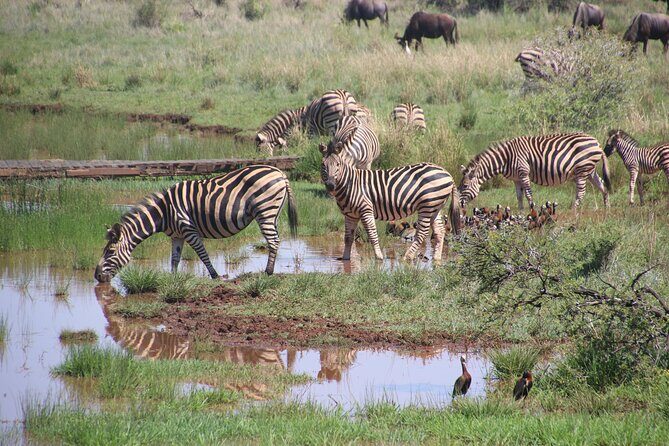
Your safari starts with a pickup from Arusha (and it runs from 7:00 am). After that, it’s straight into the drive toward Serengeti National Park. This first travel day matters because it sets the tone: you’re not just “getting there,” you’re arriving with time for wildlife.
In the afternoon, you’ll get an exhilarating game drive with stops timed for animal activity and light. The plan calls out sightings ranging from lions and elephants to rhinos, cheetahs, zebras, and wildebeest. That list is a nice reminder that Serengeti isn’t one big postcard moment—it’s a real system of prey, predators, and water sources. When you’re in the right areas at the right time, the variety can feel almost unfair.
By evening, you’ll head to a cozy budget campsite for dinner. This is where the “budget” label shows up in a good way: you spend money where it counts (park time + guide time), then you sleep somewhere simple enough to keep the price realistic. If you’re the type who gets cranky about Wi‑Fi, you’ll do fine—this trip is built for animals, not streaming.
Practical note: with a 3-day safari, day 1 isn’t the day for a heavy itinerary. It’s the warm-up. You’ll still feel the “wow” factor, but you’re also saving your legs and patience for day 2, when the Serengeti time stretches longer.
You can also read our reviews of more private tours in Arusha
Day 2: Two big things in one day—Serengeti plains and the drive toward Ngorongoro
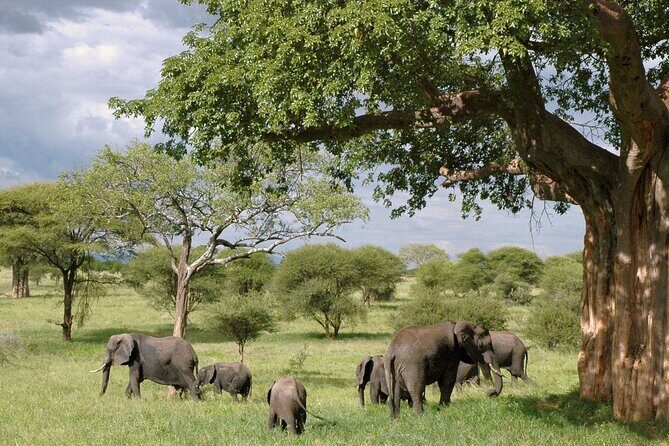
Day 2 starts in Serengeti with the day’s goal spelled out: game drives across varied areas and ecosystems. Expect a full-on wildlife day, with time spent looking for animals around plains, rivers, and waterholes. In Serengeti, waterholes are often where the story gets dramatic. Even when you don’t see a predator moment immediately, you’ll usually see something—grazing herds, alert birds, and animal tracks that suggest what’s about to happen.
You’ll likely have chances to spot giraffes in typical acacia settings and elephants moving through open areas. The itinerary also flags the wildebeest migration as season dependent. That’s important: migration timing changes what you’ll see, so this trip works whether you’re visiting during peak movement or a quieter window. Either way, the guide can help you interpret animal behavior—where herds are heading and why.
The schedule includes a picnic lunch inside the day. This is one of those underrated parts of a safari you’ll feel in your body: you’re not rushing back to a lodge for a bland meal. You get to eat and keep your eyes on the savanna. If you’re trying to take photos, lunch breaks can turn into the best photo light of the afternoon because you’re waiting in the right place, not driving back and forth.
In the afternoon, you’ll make your way toward Ngorongoro Crater for the night at a nearby budget campsite. That overnight transfer is a practical move. It reduces your pressure on day 3 because you’re already positioned for the crater descent the next morning.
Day 3: Ngorongoro Crater descent for dense wildlife—elephants, lions, and the caldera factor
Ngorongoro Crater is one of those places that changes how you think about wildlife viewing. The itinerary describes it as the world’s largest intact caldera, and that geology matters for what you’ll see. Instead of open savanna spread for miles, you get a bowl-like environment where animals can feel surprisingly close and sightings can stack up.
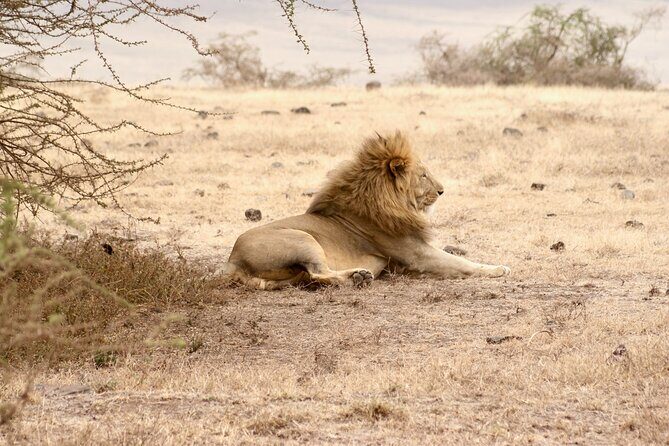
The day centers on a Ngorongoro Crater tour, with a picnic lunch in the crater. Wildlife highlights in the plan include herds of elephants, lounging lions, and lots of interactions between species. That “interactions” clue is key. In this kind of terrain, you can sometimes watch multiple parts of the food chain share the same viewing areas—herbivores grazing, predators conserving energy, and smaller animals reacting to the bigger ones.
You’ll also be descending into the crater environment, which usually means you should dress for temperature changes. Even when the air feels warm on top, the crater can feel different once you go down. Bring layers you can actually use, not just “nice for packing.”
After lunch and crater viewing time, you’ll finish the day and return to the meeting point in Arusha. Three days is short, but crater days can feel complete. Ngorongoro has a way of giving you the “I can’t believe this is real” moment without needing a whole extra week.
What you’re really paying for: $1,483 per person and the value math
At $1,483 per person, this safari sits in the “budget private safari” category—meaning you’re paying for access, time in the parks, and a guide, not luxury extras. The included items are what make the price feel logical:
- Experienced professional tour guide
- All fees and taxes
- Breakfast (2), lunch (3), dinner (2)
- Admission ticket listed as free
- Pickup offered
- Group discounts (not the same as private pricing, but it’s a value lever)
When you compare safari costs, the hidden variable is often what’s actually covered. Here, the itinerary explicitly includes a lot: meals across the driving days and fees/taxes. Also, the day plan lists “admission ticket free” for each day, which is a big deal for budgeting.
What’s not included is also clear:
- Flights
- Tips to guides and cook
- Hotel before and after Safari
So the real decision is this: if you already have flights handled and you’re okay arranging your Arusha hotel on your own schedule, this price can feel like it buys you real wildlife time at a controlled cost. If you need everything bundled and timed perfectly from the moment you land, you might find yourself paying extra for the missing hotel nights and for the tip expectations.
For many people, the budget value comes from simplicity: you’re not juggling meal spots, park fee math, or tour add-ons. You’re paying for a guided wildlife route with meals in place.
Comfort level on a budget: campsites, meals, and the “short but full” rhythm
The trip includes accommodation at well-selected campsites (described as cozy budget campsites). That’s a helpful phrase because campsites can range from “basic and fine” to “not what you hoped.” You’ll want to mentally set expectations: this is a wildlife-first safari.
Food is included for the days that matter—breakfast (2), lunches (3), dinners (2). That’s not just convenience. It keeps you on schedule. In Tanzania safari timing, the parks don’t care about your appetite. Having lunch already planned means you spend more time where animals are and less time stalled by logistics.
The itinerary also lists 8 hours for each day’s main block. That’s typical for safari pacing, but it still means you should pack like you’ll be outdoors for much of the day. Bring things you’ll actually use: sun protection, a water plan, and comfortable footwear that works on uneven ground around viewpoints and rest stops.
And yes: you’ll be up early. A 7:00 am start time is common-sense for wildlife viewing and driving between areas without stress. If you hate mornings, you’ll still be fine—just don’t treat it like a vacation that starts at noon.
A few more Arusha tours and experiences worth a look
Who should book this 3-day private safari—and who might want more time
This is a great fit if you:
- Want a private safari experience (only your group)
- Care more about seeing wildlife than about fancy hotel rooms
- Are working with a shorter window but still want both Serengeti and Ngorongoro
- Prefer a guided plan with meals and fees handled
This might be less ideal if you:
- Want maximum comfort and luxury accommodations
- Get stressed by early mornings and long days
- Need hotel coverage before/after the safari (since it isn’t included)
Also consider your photography goals. If you’re hoping for the most dramatic scenes, Serengeti’s timing (especially for wildebeest migration) can shift by season. The itinerary flags migration as season dependent, so choose dates based on when you want that specific storyline.
Booking call: should you book this Serengeti and Ngorongoro private budget safari?
I’d book it if you want the classic Tanzania combo—Serengeti wildlife time plus Ngorongoro Crater density—without paying for luxury. The included guide, meals, and fees make the cost feel more grounded than many “cheap” safari deals that later surprise you with add-ons.
Before you hit confirm, do three quick checks:
- Are you okay with campsites and a packed 3-day rhythm?
- Have you arranged your Arusha hotel before and after (since it’s not included)?
- Are you budgeting for tips and deciding what you’ll pay for between-day extras?
If those boxes are fine, this tour makes a strong case for value: you’ll spend your money where it matters—park time, guide guidance, and time in two of Tanzania’s most famous wildlife zones.
FAQ
What time does the safari start, and where does it end?
The safari starts at 7:00 am in Arusha, Tanzania, and it ends back at the meeting point.
Is this tour private or shared?
This is a private tour/activity, and only your group will participate.
What’s included in the price?
The tour includes an experienced professional tour guide, all fees and taxes, breakfast (2), lunch (3), and dinner (2). Admission tickets are listed as free.
What is not included?
Flights are not included, and tips to guides and cook are not included. Hotel before and after the safari are also not included.
How long is the safari?
It’s listed as 3 days (approx.), with about 8 hours of activity on each day.
What happens if it gets canceled due to weather?
This experience requires good weather. If it’s canceled due to poor weather, you’ll be offered a different date or a full refund.