REVIEW · SERENGETI NATIONAL PARK
3 Days Serengeti & Ngorongoro Group Camping Safari
Book on GetYourGuide →Operated by Suricata Safaris Ltd · Bookable on GetYourGuide
A good safari starts long before sunrise. This 3-day Serengeti & Ngorongoro group camping trip is the kind of Tanzania combo that mixes huge plains, a UNESCO crater full of animals, and nights under canvas. It runs with a small group (up to 6), so you spend more time spotting wildlife and less time waiting around.
What I like most is the way the days are built around game drives—early mornings for active animals, plus a full afternoon drive on the first day. I also love the team approach: professional English-speaking guides, a cook feeding you well in camp, and the kind of driver-guiding that helps you get close (without disturbing animals). Names I kept seeing in the experience include Adam, John, Gerald, Tito, Izak, and Ayman, and that matters because it hints at real continuity in how the safari runs.
One thing to consider: this is camping, not luxury. You’re outdoors, nights can get cold (around 5°C), and some camp comforts may be simple (one Serengeti camp reportedly had no hot water, plus roaring lions nearby). If you want consistent warm showers every night, think twice and plan your expectations.
In This Review
- Key highlights worth caring about
- Serengeti to Ngorongoro: why this 3-day format works
- Day 1: Arusha to Serengeti National Park and that first drive feeling
- Day 2: Serengeti sunrise drive, then the move toward Ngorongoro
- Day 3: Descending into Ngorongoro Crater for a concentrated wildlife day
- Guides and the small-group advantage (and why it changes the day)
- Camping comfort: what you’ll likely love, and what you should prepare for
- Price and value: is $900 per person a fair deal?
- Packing like a pro: neutral colors, 10kg limits, and binocular reality
- Park rules you’ll actually feel on the ground
- Who this safari suits best (and who should rethink it)
- Should you book this 3-day Suricata Safari?
- FAQ
- Where does this safari start and end?
- How big is the group?
- What’s included in the price?
- What’s not included?
- What should I pack for cold nights and game drives?
- Is this safari suitable for people with mobility or medical concerns?
Key highlights worth caring about
- Small group (max 6) for a more focused wildlife experience and quicker decision-making on the game drive
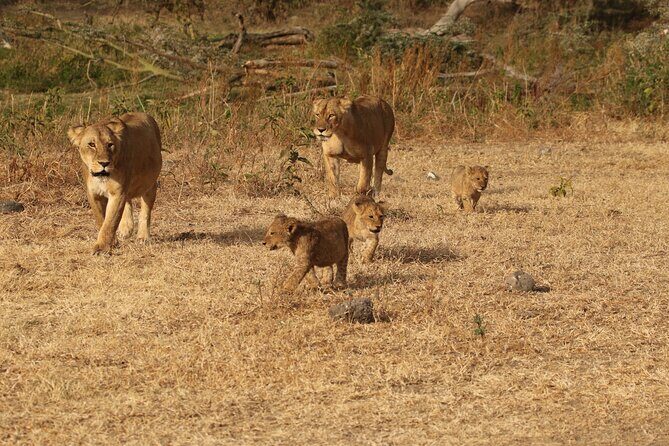
- Big Five target across Serengeti and Ngorongoro, with multiple days built for sightings
- Camping in iconic areas, so you’re actually in the conservation story after the driving stops
- UNESCO Ngorongoro Crater game drive, where you’ll see animals in a compact, dramatic setting
- Food handled in camp by a dedicated cook (Tito is specifically praised for delicious meals)
- Cold-night packing reality, with recommended warm layers and neutral clothing for park rules
Serengeti to Ngorongoro: why this 3-day format works
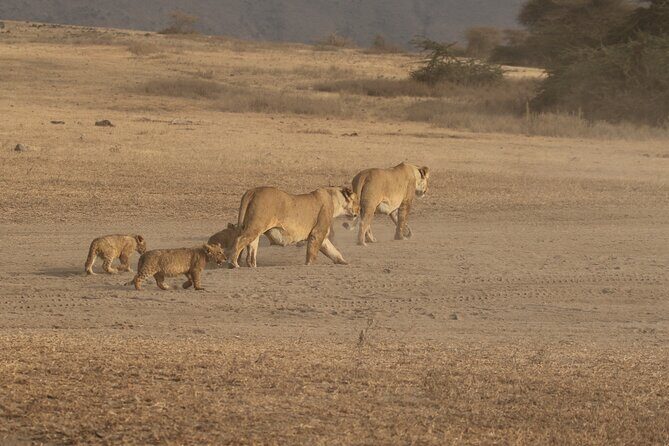
A lot of safaris promise Serengeti and then rush you through it. This one is different because the schedule is shaped like wildlife behavior: animals move early, and the best chances often come before the heat and crowds. You’re leaving Arusha for Serengeti on Day 1, spending real time on the plains, then shifting to Ngorongoro for a crater day that feels concentrated and unforgettable.
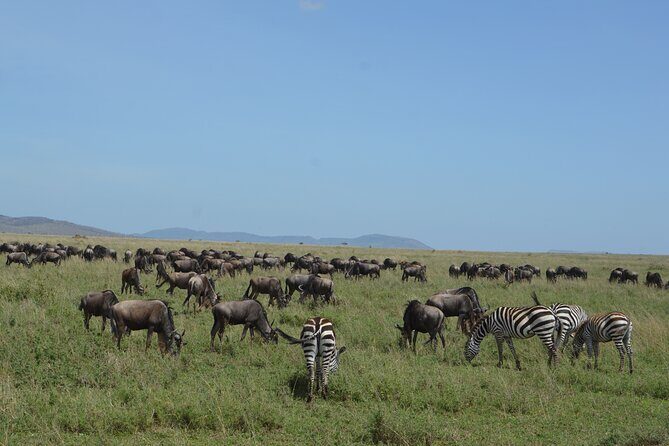
The second reason this format works: you’re not stuck in one type of habitat. Serengeti gives you open plains and big-moving herds; Ngorongoro gives you a natural amphitheater where animals appear in closer view and thicker variety. Even if you’re not a hardcore tracker, those habitat changes help keep the safari feeling fresh from morning to night.
A few more Serengeti National Park tours and experiences worth a look
Day 1: Arusha to Serengeti National Park and that first drive feeling
You start with an early departure from Arusha. The point of that start is simple: you want daylight in Serengeti when animals are easiest to spot and most active. After you reach the park, you’ll have lunch, then go out for an afternoon game drive.
This first drive is about getting your “eyes” tuned. Serengeti plains can look open and calm from a distance, but up close you’re watching patterns: grazing lines, birds waking up and calling, and the occasional dramatic moment when a predator is nearby but staying still. The guides are key here. In this safari, the focus is getting you close enough for clear viewing without stressing wildlife, and that careful approach shows up in multiple guide mentions—Adam is praised specifically for looking after the group and getting you as close as possible without crossing the line.
Practical note: you’ll end the day in camp under the stars. That sounds romantic, and it is—but it’s also real. You’ll be sleeping in a setting where sound travels. One camp experience in the Serengeti was described as having roaring lions at night. If you’re a light sleeper, it helps to think of camping as part of the safari, not an afterthought.
Day 2: Serengeti sunrise drive, then the move toward Ngorongoro
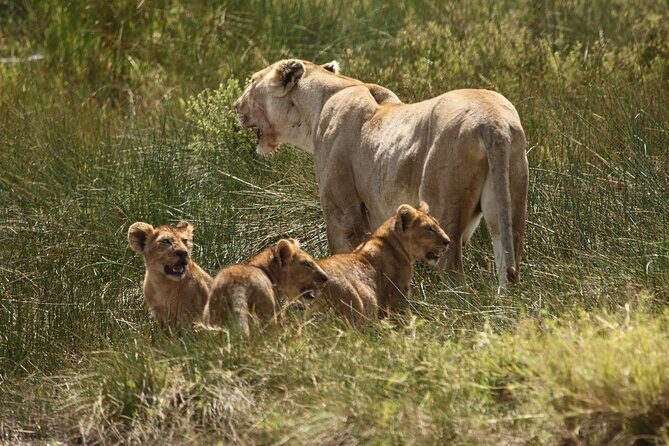
Day 2 starts early again. A morning game drive in Serengeti is usually your best shot at seeing animals up close while the landscape is still cool and everything feels sharper: shadows are longer, movement is easier to detect, and the day often begins with action rather than waiting.
After lunch, you head out of Serengeti and drive toward the Ngorongoro Conservation Area. That mid-day transfer can feel like a breather—there’s scenery and time to reset—then you reach your camp near the crater for the overnight.
This is a smart pacing choice. You get one full morning in Serengeti, then you shift your attention rather than leaving Serengeti halfway through the day. The payoff is that your third day can be fully crater-focused, with a proper descent and a long viewing window.
Day 3: Descending into Ngorongoro Crater for a concentrated wildlife day
On the final day, you wake up early and descend into the Ngorongoro Crater for your game drive. Ngorongoro is a UNESCO World Heritage site, and it’s famous for a reason: it’s a natural bowl that holds wildlife in a tight space, which means your guide isn’t just hunting for sightings—you’re scanning a whole stage.
Expect a variety of species, including elephants and lions, plus zebras. You might also see flamingos, which matters because the crater isn’t only about mammals—it can deliver birds too, depending on conditions and season.
This is also where the camp difference often shows up. In one highlighted experience, the Serengeti camp was described as simple with no hot water, while the Ngorongoro camp offered hot showers and a zebra visit. That zebra detail might sound small, but it’s exactly the kind of moment that camping enables: animals can be close enough that your camp feels like part of the ecosystem, not a separate hotel bubble.
Guides and the small-group advantage (and why it changes the day)
This safari runs as a small group capped at 6 participants. That may not sound like a big deal on paper, but in practice it affects how your guide manages time and viewing opportunities. Fewer people means easier communication, less scrambling to keep everyone together, and more flexibility when something interesting pops up.
You’ll also have a professional English-speaking guide. Names that came up clearly include Adam and Gerald as guides, plus John handling meeting support. People singled out Adam for looking after the group, planning well, and making sure you get the closest view possible without disturbing animals. In another case, Izak was praised for excellence behind the wheel and for taking good care of the day—plus an added cultural moment with a Tanzanian massage.
Then there’s the camp side, where you really notice whether your operator has done this before. Tito is praised for delicious food, and a cook working smoothly helps the safari feel relaxed rather than stressful. After a long drive, you want a meal that tastes like someone planned it, not something thrown together.
Camping comfort: what you’ll likely love, and what you should prepare for
Camping on a safari is a trade: you give up hotel comfort, and you gain location and atmosphere. Most people who book this kind of trip do want the outdoorsy side, but you still need to prepare for the basics.
What you’ll likely love:
- Nights under the stars, with the feeling that you’re inside the wilderness story
- The soundscape—because yes, animals can be close enough to hear
- The camp rhythm: game drive, dinner, sleep, repeat
What you need to plan for:
- Cold nights. The trip notes nighttime temperatures can drop around 5°C, so bring warm layers.
- Simple amenities. One Serengeti camp was described as having no hot water, while Ngorongoro camp had hot showers in that experience. Don’t assume the same comfort level every night; ask questions if you need consistency.
Also pay attention to what’s not provided. You’re advised to bring a towel for shower and toilet paper (so plan ahead instead of relying on a room service version of reality). Small misses like this can turn an otherwise great safari into a “why didn’t I pack that?” moment.
Price and value: is $900 per person a fair deal?
At $900 per person for 3 days, you’re paying for more than “a car and a driver.” Your cost includes 4×4 safari vehicle transportation, a professional English-speaking guide, park entrance fees, mineral water during the safari, and accommodation plus meals during the safari.
What’s not included is also clear: visa, international and domestic flights, tips for driver/guide and chef, and travel insurance. Those add-ons can shift your real total, so budget for them before you fall in love with the headline price.
Here’s how I judge value on a safari like this:
- Small group cap (max 6) means you’re not subsidizing a bigger crowd experience.
- Park fees and meals being included saves time and money compared to piecing it together yourself.
- Two major wildlife areas in a short 3-day window is efficient, as long as you accept camping.
If you’re trying to do Serengeti and Ngorongoro without building a logistics headache, this price structure can be reasonable—especially if you prefer a guided, organized experience where someone has already handled the camps and timing.
Packing like a pro: neutral colors, 10kg limits, and binocular reality
You’ll want to pack for game drives and cold nights, not for a casual city weekend.
Clothing and color rules:
- Stick to neutral colors like white, beige, and green.
- Bring warm layers: a warm sweater, socks, and a jacket are recommended since nights can get cold.
- Avoid bright colors (park rules).
Luggage rules:
- There’s a 10kg luggage limit per person. Extra can be stored in the hotel’s storage room.
- Duffel bags are recommended, which usually makes moving camp gear easier.
Gear tips:
- Binoculars can help a lot, but guides will have one available to share in the vehicle. If you own binoculars, bring them only if you’re comfortable managing extra weight.
- Mosquito repellent is recommended, ideally with high mint concentration.
- Plan for what’s not provided: bring a towel for shower and toilet paper.
If you’re used to light packing, this trip might feel strict at first. The good news is that neutral colors and a small warm layer kit covers most needs.
Park rules you’ll actually feel on the ground
These rules exist for wildlife safety and your safety, so treat them like part of the experience—not annoying paperwork.
Not allowed:
- Drones
- Feeding animals
- Bright colors
- Touching animals
The practical takeaway: your guide will control the pace and distance. When you’re told not to get too close, it’s not about killing the fun. It’s about protecting animals, keeping you safe, and making sure the experience stays respectful.
Who this safari suits best (and who should rethink it)
This is a good fit if:
- You want a guided safari with expert navigation and animal knowledge
- You’re happy with camping as part of the adventure
- You like group structure but still want a small group feel
It may not suit you if:
- You have back problems (the trip notes it’s not suitable)
- You use a wheelchair
- You’re traveling with a baby under 1 year
- You’re over 95 years old
Also remember: camping plus early starts means you should be comfortable with waking early and spending long hours in a vehicle.
Should you book this 3-day Suricata Safari?
Book it if your priority is a focused, guided way to see both Serengeti and Ngorongoro in a short time, with a small group and camping that keeps you close to the action. The praised combination of strong guiding (Adam and Gerald show up in standout feedback), good camp food (Tito is specifically loved), and real animal time makes this feel like a well-run safari rather than a rushed checklist.
Skip it or ask tougher questions first if you know you need hotel-style comfort every night. Camping can mean simple amenities, cold temperatures, and sometimes surprising wildlife noise.
If you want a Tanzania experience that feels hands-on—wake up early, drive hard, eat well in camp, and end the day under stars—this is the kind of trip that delivers.
FAQ
Where does this safari start and end?
The safari starts and ends in Arusha, with pickup arranged at your hotel reception by a company representative who will meet you and guide you to the group.
How big is the group?
It’s a small group with a maximum of 6 participants.
What’s included in the price?
The price includes 4×4 safari transportation, a professional English-speaking guide, park entrance fees, mineral water during the safari, and accommodation and meals during the safari.
What’s not included?
Visa, international and domestic flights, tips for the driver/guide and chef, and travel insurance are not included.
What should I pack for cold nights and game drives?
Neutral clothing is recommended (white, beige, green). Bring warm layers such as a warm sweater, socks, and a jacket, because nighttime temperatures can drop to around 5°C. Also pack mosquito repellent with a high mint concentration, plus a towel for shower and toilet paper.
Is this safari suitable for people with mobility or medical concerns?
It’s not suitable for wheelchair users, people with back problems, babies under 1 year, or people over 95 years old.