REVIEW · ARUSHA
Classic 4-Day Tanzania Safari: Tarangire, Serengeti & Ngorongoro
Book on Viator →Operated by VISION SAFARI & TOURS · Bookable on Viator
Elephants and baobabs hit fast. This Classic 4-Day Tanzania Safari is built around an early 5:00 am start, then keeps you moving through three of northern Tanzania’s most talked-about ecosystems. I like that the plan mixes big-safari highlights with real hands-on moments, like a Serengeti walking safari rather than only staying seated for hours.
Two things I’d call out right away are the practical comfort of the large-window safari vehicle (great for quick spotting) and the fact that you actually get crater views while you sleep. One consideration: the schedule packs in 7 to 8 hours per day, so it’s a lot of time on the road and in the bush.
In This Review
- Key things to know before you go
- How the timing works: a 5:00 am start from Arusha
- Tarangire National Park: elephants, baobabs, and a river that shapes the day
- Serengeti National Park: game drives, a walking safari, and Great Migration country
- Walking safari: why this detail matters
- Maasai culture in the Serengeti area
- Ngorongoro Conservation Area: crater rim night, soda lake flamingos, and a Big Five target
- The Big Five angle, without overpromising
- Food, comfort, and what you should expect from the day-to-day
- Price and value: does $1,650 make sense for 4 days?
- Guides and the vibe: what you want from a safari crew
- Best fit: who this safari is for
- Should you book Classic 4-Day Tanzania Safari: Tarangire, Serengeti & Ngorongoro?
- FAQ
- What time does the safari start and where do we meet?
- How long is the safari?
- Which parks are included?
- Is park entry included?
- Does the tour include meals?
- Do I need to bring a ticket?
- Is tipping included in the price?
Key things to know before you go

- 5:00 am pickup from Arusha sets you up to see wildlife while the day is still cool
- Tarangire’s elephant herds and baobabs give you a very different vibe from the Serengeti
- Serengeti morning and evening game drives plus the chance for a walking safari
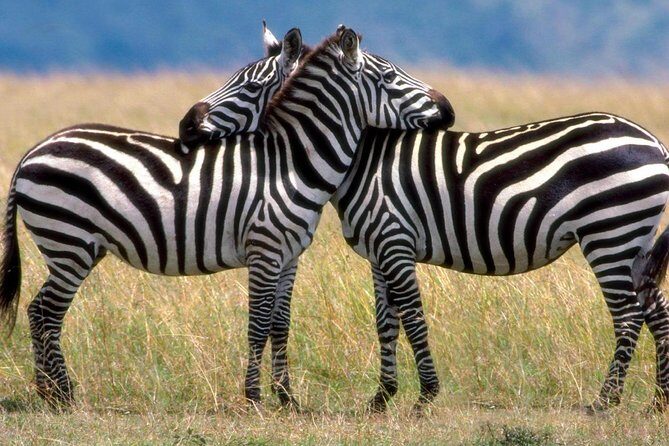
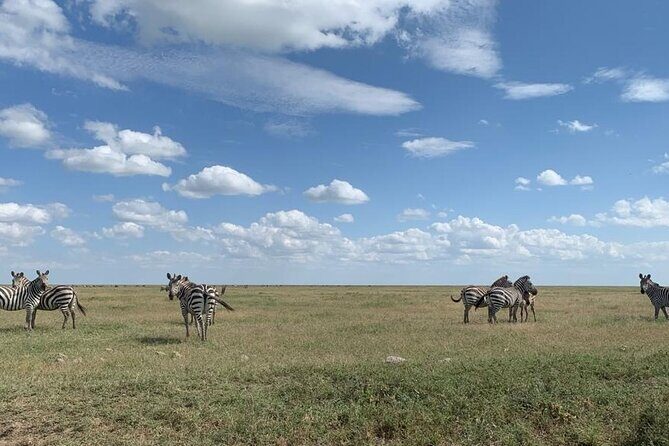
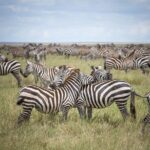
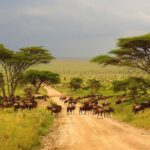
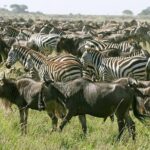
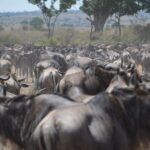
- Great Migration country is part of the pitch, with zebras and wildebeest across the plains
- Ngorongoro crater rim overnight adds a classic sunrise game-drive feel
- Maasai culture is built into the experience, not tacked on at the end
How the timing works: a 5:00 am start from Arusha

The tour begins at 5:00 am with pickup at the Four Points by Sheraton Arusha, at the Arusha Hotel area (Clocktower Roundabout, Fire Road, Plot 2). Starting early is not just for drama; you generally get better light for photos, cooler temperatures, and often more active wildlife.
You’re also not guessing what you’ll do each day. The pacing is straightforward: breakfast, a game drive, and a picnic lunch are baked into the rhythm. Expect full-day safari mode: Day 1 is about 7 hours, and Days 2–3 are about 8 hours each. Day 4 runs long too, with the ride back to Arusha after Ngorongoro.
The practical upside is that you’re maximizing daylight for sightings. The downside is that you’ll want to travel light and build in patience for bumpy roads and early wake-ups.
A few more Arusha tours and experiences worth a look
Tarangire National Park: elephants, baobabs, and a river that shapes the day

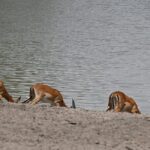
Your Day 1 is focused on Tarangire National Park, one of those places where a single feature can define the whole feel of the trip: the Tarangire River. When water and elephants overlap, you tend to get some of the best viewing of the whole safari, and this park is known for huge elephant herds.
You’ll do a game drive after pickup, and you stop for a picnic lunch while you’re out in the park. Tarangire is also famous for baobab trees, the chunky, sculptural giants that look like they’ve been standing forever. Even if you’re not a plant person, baobabs make it easier to understand why the park works: they’re physical landmarks in a flat-safari world, and they give you scale for everything else.
What you might especially like here is contrast. Tarangire is not the same setting as the Serengeti plains or the crater floor. It’s a more varied starting point, so you don’t feel like you’re repeating the same drive three days in a row.
Serengeti National Park: game drives, a walking safari, and Great Migration country

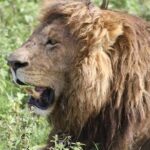
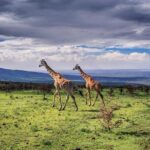
Day 2 and Day 3 keep you in Serengeti National Park, which is where many people start daydreaming before they ever pack a bag. The focus is the huge savanna scale and the animals you associate with the Serengeti: lions, leopards, buffalo, elephants, and rhinos.
The schedule gives you two shots at prime wildlife viewing: morning and evening game drives on Day 2, plus another game drive on Day 3. That matters. In big ecosystems, timing can change what you see. By doing both ends of the day, you’re not betting everything on one light window.
Walking safari: why this detail matters
One of the most valuable parts of this plan is the chance for a guided walking safari. The itinerary frames it as a way to get up close with the park’s flora and creatures. Even with clear viewing rules, walking tends to sharpen your attention. You notice movement, tracks, and bird activity faster than you do from a vehicle.
In other words: the walking element is not just an extra activity. It changes how you experience the park. It also breaks up the long-drive rhythm.
Maasai culture in the Serengeti area
Day 2 also includes the idea of cultural tours in Maasai settlements. That’s a useful counterweight to the animal-focused part of the trip. You see that this is not a park that exists in a bubble; people live with and around conservation systems.
I’d still keep expectations practical: cultural tours will be time-limited compared to a land-and-living trip. But as an introduction, it’s a solid use of time.
A few more Arusha tours and experiences worth a look



Ngorongoro Conservation Area: crater rim night, soda lake flamingos, and a Big Five target

On Day 3, you shift from the Serengeti to the Ngorongoro Conservation Area and spend the night on the crater rim. That overnight is a smart choice. You’re not rushing through just to tick off a landmark. You’re positioned so Day 4 can be a focused crater day.
Ngorongoro Crater is described as a major must-see and even frames it as the world’s biggest inactive volcanic caldera. The important part for you is what that shape does to wildlife viewing: the crater floor becomes its own contained world, which can mean more consistent opportunities for sightings.
The itinerary’s list of what you can see includes:
- flamingos in the soda lake
- lions, elephants, and rhinos
That same Day 4 also mentions game drives and animal observation, plus the chance to interact with Maasai culture and learn about customs and way of life.
The Big Five angle, without overpromising
This tour positions Ngorongoro as a place where you can connect with the Big Five. The value of that is simple: you’re aiming at a top-tier wildlife zone, not a random stop. The reality check is also important: safari sightings depend on movement, season, and where animals choose to be that day. The tour can put you in the right country and keep you out on the ground for the time window—but it can’t control the wild.
Food, comfort, and what you should expect from the day-to-day

This safari includes meals across the trip: breakfast (3), lunch (4), and dinner (3), and it says dietary restrictions are handled as part of the included package. That’s a big deal on safari, where hunger can turn a good day into a cranky day fast.
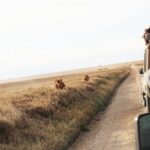
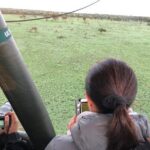
In terms of comfort, the information here is consistent with what people like most about this kind of safari: the vehicle is described in a review as being comfortable with huge windows for viewing. That detail matters more than you’d think. You’ll spend long hours looking for quick sightings, and window space can be the difference between photos that make sense and photos that blur.
You’ll also be in a private-transport setup and the max group size is listed as 100 travelers. Because it’s not fully clear how that max is distributed across vehicles, I’d treat it as a bigger-program number. Practically, you’ll want to confirm whether your crew stays tight or if you could be paired with other safari parties depending on availability.
Price and value: does $1,650 make sense for 4 days?

At $1,650 per person, this is not a budget safari. But it is also not a “bare-minimum” itinerary.
Here’s the value case based on what’s actually included:
- All fees and taxes
- Private transportation
- Meals: breakfasts, lunches, and dinners
- Admission ticket free on Days 1–3
- Admission ticket included on the crater day (Day 4)
- A plan that covers Tarangire + Serengeti + Ngorongoro with meaningful time in each
When I evaluate safari value, I look at the total package, not the nightly rate. This tour handles the big-ticket basics (parks, meals, transport) and gives you more than one wildlife zone per day. You’re also getting the walking safari and Maasai cultural components, which are not always included in short itineraries.
The one cost item explicitly called out is tipping, which is not included. If you’re the kind of traveler who likes to budget everything, factor that in early so it doesn’t surprise you at the end.
Guides and the vibe: what you want from a safari crew

The itinerary emphasizes knowledgeable guides, and the reviews add a human layer. I saw mentions of guides and hosts like Simon and Shebbie, with notes that the staff were funny, helpful, and communicative. Another review mentions Haroun being especially helpful when there were travel disruptions and missing bags on the way to Zanzibar.
That signals something important for you: this provider isn’t just running a route. They’re paying attention to the day-to-day experience, and they show up when things go wrong off the itinerary. In safari travel, small problems feel bigger because you’re far from services. Having a team that can react matters.
Best fit: who this safari is for

This Classic 4-Day safari fits you if:
- you want a first-timer-friendly route with three major parks
- you like the idea of morning and evening game drives rather than one long push
- you’re interested in at least a taste of Maasai culture
- you don’t mind long safari days and early starts
It’s also a good option if you care about comfort details like vehicle viewing and food included throughout the trip. And if you’re aiming for rare sightings, the safari is the right kind of place to try; one review specifically called out seeing a rhino, which is not something every safari guarantees.
Should you book Classic 4-Day Tanzania Safari: Tarangire, Serengeti & Ngorongoro?
If your priority is classic Tanzania animals with real variety, I’d lean yes. The itinerary makes sense: Tarangire opens with elephants and baobabs, the Serengeti gives you multiple game-drive windows plus a walking safari, and Ngorongoro concentrates wildlife in a crater setting with an overnight on the rim.
The main reason to pause is the pace. You’re signing up for long days. If you want a slow, comfort-first trip with minimal driving, this is likely too much.
My practical suggestion: book if you’re ready for early mornings, you want big wildlife moments, and you value included meals and park access. If those match your style, this is a strong way to see Tanzania in just four days without losing time to planning.
FAQ
What time does the safari start and where do we meet?
The pickup starts at 5:00 am from the Four Points by Sheraton Arusha area (Arusha Hotel, Fire Road, Clocktower Roundabout, Plot 2, Arusha 23100, Tanzania).
How long is the safari?
It’s a 4-day safari (approx.).
Which parks are included?
You visit Tarangire National Park, Serengeti National Park, and Ngorongoro Crater / Ngorongoro Conservation Area.
Is park entry included?
The itinerary indicates admission is free on Day 1, Day 2, and Day 3, and included on Day 4.
Does the tour include meals?
Yes. It includes breakfast (3), lunch (4), and dinner (3), and it lists dietary restrictions as included.
Do I need to bring a ticket?
A mobile ticket is included, and confirmation is received at the time of booking.
Is tipping included in the price?
No. Tipping is not included.