REVIEW · ARUSHA
6 Days Serengeti Wildebeest Migration Safari
Book on Viator →Operated by Africa Joy Tours - Day Tours / Mult Day Tours · Bookable on Viator
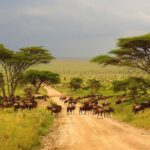
Wildlife drama starts early. This 6-day Serengeti and Ngorongoro safari is built around the annual wildebeest migration, when huge herds move across the plains toward Kenya and back again. Two things I like right away: you get dedicated game-drive time in the Serengeti, and you sleep with the promise of real crater views at Ngorongoro.
The plan also makes logistics feel calmer than most safaris. You’re met at Kilimanjaro International Airport (JRO), transferred to Arusha, then guided through the parks with a private setup for your group.
One possible drawback to consider: migration timing is nature’s call, not a human schedule. Your best chances for specific moments depend on where animals are at the time you go, even though the itinerary is designed to maximize wildlife sightings year-round.
In This Review
- Key Highlights You Should Know
- Why the Serengeti-to-Ngorongoro Combo Works for Migration Fans
- Day One in Arusha: The Briefing That Sets the Tone
- Serengeti National Park: Picnic Views at Naabi Kopje
- Potential downside to keep in mind
- Spending the Second Day in the Heart of Serengeti
- Last Serengeti Hours and a Night with Rhino Lodge Views
- Ngorongoro Crater: Early Game Drive and the Hippo Lake Stop
- Price and Value: What You’re Really Paying For
- The People Matter: Guides, Responsiveness, and Peace of Mind
- What to Pack and How to Prepare (Without Overthinking It)
- Who This Safari Fits Best
- Should You Book This 6 Days Serengeti Wildebeest Migration Safari?
- FAQ
- FAQ
- What airport do I fly into for this safari?
- What time does the safari start each day?
- Is pickup included?
- Is this a private tour or shared with other people?
- What meals are included?
- Do I need to bring my own tickets?
- What wildlife areas will I visit?
- Is there a weather-related change option?
- What’s the cancellation window?
- Is the tour physically accessible for most people?
Key Highlights You Should Know

- Two full Serengeti days to boost your odds of seeing lions, cheetahs, elephants, and more
- Naabi kopje picnic lunch with a chance to spot pink-headed lizards
- Rhino Lodge on the crater rim for sunset views over the caldera
- Early Ngorongoro crater drives when wildlife activity is often strongest
- Big five possibility in the crater thanks to the crater’s animal “oasis” effect
- Private tour for your group plus airport and park transfers to reduce hassle
Why the Serengeti-to-Ngorongoro Combo Works for Migration Fans
If you’re chasing the Great Migration vibe, you need two things: time on the ground and smart geography. This safari gives you both. Serengeti is where the herds roam in massive numbers, while Ngorongoro crater is famous for funneling animals into a smaller, easier-to-scan area.
What makes this route practical is the sequence. You move from the Serengeti plains into the crater area without wasting a day. And because the transfer approach heads along a road near the rim of Ngorongoro Crater, you don’t start your safari experience on an empty slate. You’re already in “wildlife mode” while en route.
A few more Arusha tours and experiences worth a look
Day One in Arusha: The Briefing That Sets the Tone

Your first day starts when you land at Kilimanjaro International Airport (JRO). You can arrive anytime, then you’ll meet your team and take a private transfer to Arusha Safari Lodge (and your stay is at Mvuli Hotel for dinner and overnight on half board).
In the evening, you’ll gather for a pre-safari briefing and an equipment check. That matters more than people think. Safari setups can differ based on vehicle rules, animal-viewing expectations, and what your guides want you ready for before you hit the parks. You’re also confirming you have mandatory medical coverage and travel insurance, which is a good sign the operator takes safety and responsibility seriously.
This is also a “get your bearings” kind of night. After a travel day, you want a warm base in Arusha before a long day in the bush.
Serengeti National Park: Picnic Views at Naabi Kopje

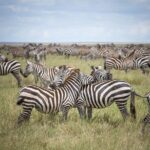
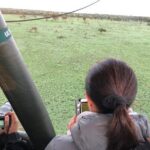
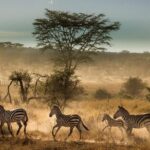
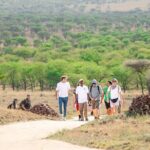
The first proper wildlife day starts early from Arusha, with a drive into Serengeti National Park. You travel along a road near the rim of Ngorongoro Crater, which is a clever way to stack sightings into transit. When the savannah is busy with zebras, wildebeest, giraffes, and other wildlife, you’re not just “getting there.” You’re already watching.
Once inside the Serengeti, you’ll have time for a picnic lunch at Naabi kopje, a small rocky hill in a flat area. One of the neat details here is the mention of pink-headed lizards—the kind of small wildlife moment that makes the day feel more grounded than just “big animal spotting.”
After lunch, the plan is to keep rolling with a leisurely game drive across the plains. You’ll spend the night at Serengeti Camp, and the vibe is exactly what you’d want after a day of watching: settling in with the sounds of zebras and hyenas somewhere beyond the darkness.
Potential downside to keep in mind
Game drives depend on weather and animal movement. If visibility is poor or wildlife is positioned farther away, the day can feel less “dense” than you hoped. The upside: you’re doing more than one Serengeti day, so one slower moment doesn’t decide the whole trip.
Spending the Second Day in the Heart of Serengeti

The next day focuses on being in the center of Serengeti rather than just skimming the edges. This is where you benefit from having extra time. The park supports a wide mix of animals, and the longer you’re out there, the more likely you are to catch different species in different moments.
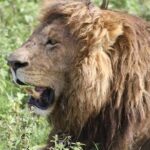
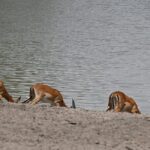
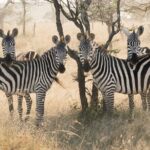
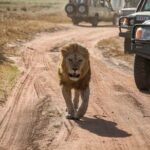
This day highlights the variety you can expect: lions, leopards, elephants, cheetahs, and water buffalo are all on the table. The list also includes zebras and wildebeest, plus elands, hyenas, gazelles, crocodiles, giraffe, monkeys, baboons, hippos, rhinos, and antelopes.
That’s a huge spread. In plain terms: you’re not betting everything on one animal story. Even if the exact migration drama looks different from what you imagine, you can still have a strong day of wildlife viewing.
A few more Arusha tours and experiences worth a look

Last Serengeti Hours and a Night with Rhino Lodge Views

Eventually, it’s time to leave Serengeti and head toward the Ngorongoro area. This day works as the bridge between two styles of safari viewing: open plains scanning versus crater-area animal concentration.
You’ll enjoy another game drive with animal sightings and a picnic lunch before driving to Ngorongoro Conservation Area. Your overnight is at Rhino Lodge, described as overlooking the unbroken caldera of Ngorongoro Crater. That one detail is a big deal for how memorable the day feels, even after a long safari schedule. After dinner, you’re set up to watch sunset over the savannah, then rest with the feeling that the best is still waiting at dawn.
Also note: dinner is prepared by a friendly cook. That’s a small line in the plan, but food quality and evening comfort matter when you’re spending the day in the field. When the operator builds in proper meals, it usually means less time dealing with hungry, cranky energy the next morning.
Ngorongoro Crater: Early Game Drive and the Hippo Lake Stop

Your Ngorongoro crater day starts early with breakfast, then you head into the crater when wildlife spotting is often best. In this kind of environment, timing can change everything. Morning drives tend to be the sweet spot because animals are more active and the crater’s “oasis” effect is easier to read.
The highlight is a game drive around the crater, plus a picnic lunch near a small lake inside the park. That lake is home to hippos and migratory birds, so you get more than just the main headline animals. It’s also a good break from constant scanning while still keeping you in the wildlife zone.
About the Big Five: the plan explicitly calls out a high possibility of spotting them due to how the crater concentrates animals. The Big Five here are listed as lion, elephant, leopard, rhino, and water buffalo. I’d treat that as an excellent target, not a guarantee—because even in a well-run safari, nature sets the final rules.
Price and Value: What You’re Really Paying For

At $2,880 per person for about 6 days, this is positioned as a mid-to-premium private safari experience. The value comes from what’s included and what’s reduced.
Meals are covered: the plan lists breakfast (5), lunch (5), and dinner (6). That means you’re not constantly figuring out food stops while you’re already tired from long driving days.
It’s also not a “fly in, see one thing, leave” style trip. You get multiple wildlife blocks: two Serengeti-focused days plus a crater day. You also get private transfers, including pickup from JRO and departure back to JRO.
If you’re the kind of traveler who hates logistical surprises, this structure helps. If you’re the type who wants maximum flexibility to stop whenever you feel like it, a fixed safari rhythm might feel less spontaneous. But for most people chasing the migration story and big-game sightings, a well-timed plan is the right trade.
The People Matter: Guides, Responsiveness, and Peace of Mind

A safari lives or dies on your guide. One mention from a prior experience stands out: James Saitoti, described as very experienced, with the ability to spot a strong range of major animals in Serengeti, plus rhinos and flamingoes in Ngorongoro.
Even if you don’t get the exact same guide, the takeaway for you is clear: prioritize operators who pair you with an experienced wildlife expert. It’s not about knowing names—it’s about knowing where to look and when to move.
On the service side, the operator is linked with staff responsiveness under a name: Verah. The point for you is practical. If your trip needs adjustments (dates, changes to preferences, last-minute decisions), having someone quick to respond can save real stress.
What to Pack and How to Prepare (Without Overthinking It)
The itinerary includes an equipment check at the start, so you’ll want to arrive ready to follow the guide’s setup expectations. Don’t show up with bare-minimum gear and hope everything magically works in the park.
Beyond that, prepare for long days in daylight and early mornings. Serengeti and Ngorongoro both reward patience. Bring clothing that works for hot sun and cooler early starts, plus a water plan you’re comfortable sticking to.
One more preparation point: confirm your medical coverage and travel insurance in advance. The briefing is where that gets checked, so don’t treat it like something you’ll handle later.
Who This Safari Fits Best
This tour makes the most sense if you want a structured plan with real wildlife time and you’re okay with the natural variability of animal movement.
It’s a strong fit for:
- People chasing the migration story but who also want broad big-game odds
- Travelers who value private transfers and not playing travel agent mid-trip
- Anyone who wants Serengeti plains time plus Ngorongoro crater concentration
It might be less ideal if you hate early mornings. The Ngorongoro day starts early specifically for better animal spotting, and Serengeti days also involve getting an early start from Arusha.
Should You Book This 6 Days Serengeti Wildebeest Migration Safari?
If your goal is to see the migration environment and stack your chances across Serengeti and Ngorongoro, I’d seriously consider booking. You’re not gambling on just one park or one time window. You get multiple wildlife blocks, and the crater day is set up with the classic advantages of dawn timing and a concentrated viewing setting.
I’d book especially if these two priorities matter to you: time on game drives and smooth transfers from JRO in and out. Those are the things that quietly make or break safari satisfaction.
Before you commit, ask yourself one question: are you okay with migration moments being unpredictable? If yes, you’re in the right mindset for a trip like this. If no, you might prefer a more flexible safari style that doesn’t build the whole emotional arc around a single seasonal event.
FAQ
FAQ
What airport do I fly into for this safari?
You’ll arrive at Kilimanjaro International Airport (JRO). You’re met there and taken on a private transfer to Arusha for the first night, then you’ll depart back to JRO at the end.
What time does the safari start each day?
The experience lists a start time of 7:30 am.
Is pickup included?
Yes. You’re picked up from JRO with a private transfer to Arusha, and you also receive private departure transfer back to JRO at the end.
Is this a private tour or shared with other people?
It’s private. Only your group participates.
What meals are included?
The plan includes breakfast (5), lunch (5), and dinner (6).
Do I need to bring my own tickets?
You’ll have a mobile ticket, but the park admission status is listed per day (some days show admission ticket included/free). Your booking confirmation should clarify what applies to your specific dates.
What wildlife areas will I visit?
You’ll visit Serengeti National Park and the Ngorongoro Conservation Area, including Ngorongoro Crater.
Is there a weather-related change option?
Yes. The experience requires good weather. If it’s canceled due to poor weather, you’ll be offered a different date or a full refund.
What’s the cancellation window?
There’s free cancellation up to 24 hours in advance of the experience start time for a full refund.
Is the tour physically accessible for most people?
The listing states most travelers can participate.