REVIEW · ARUSHA
3-Day Manyara, Tarangire and Ngorongoro Crater
Book on Viator →Operated by Joagro Safaris Tanzania · Bookable on Viator
Wildlife in a tight, smart loop.
This 3-day safari stitches together Lake Manyara, Tarangire, and the Ngorongoro Crater in a way that’s easy to follow and built for big sightings, not museum-style sightseeing. With Joagro Safaris Tanzania, the vibe stays organized, and guides like Peter (and kind team members like Jonas and Anwar) can make the whole thing feel low-stress.
I love the mix of habitats you get in only three days: park-by-park variety, from the lake edge at Manyara to the baobab country of Tarangire and the crater’s crowded predator zone. I also like that you’re not left guessing—pickup is set (8:00 a.m. from Shoppers Supermarket in Arusha), and you get a professional driver-guide who can speak English, Spanish, and French.
One thing to think about: drives between parks take time, and wildlife timing is never guaranteed—especially for the leopard in Ngorongoro, where you’ll need patience and a sharp eye.
In This Review
- Key highlights (what matters on the ground)
- 3 Days in Arusha’s Big Wildlife Triangle: Manyara, Tarangire, Ngorongoro
- Day 1: Lake Manyara National Park and the Lake-Edge Game Drive
- Night in Arusha: Accommodation That Keeps Day 2 Easy
- Day 2: Ngorongoro Crater, Predators in a Compact Bowl
- Day 3: Tarangire National Park and the Baobab-Elephant Story
- Pickup, Timing, and How the Driving Really Feels
- Meals, Water, and Budget-Friendly Included Extras
- Price and Value: Does $1,280 Make Sense?
- The Guides Make the Day: Scanning, Positioning, and Follow-Through
- Who This Safari Fits Best (and who should adjust expectations)
- Should You Book Joagro Safaris 3-Day Manyara, Tarangire and Ngorongoro?
- FAQ
- FAQ
- What time does the safari start?
- Is this tour private?
- Where does the tour begin and end?
- What parks are included in the 3-day safari?
- Are meals included?
- Is drinking water provided?
- What languages does the guide speak?
- Is park admission included?
- What if my travel plans change or I’m delayed?
Key highlights (what matters on the ground)

- Lake Manyara’s tree-climbing lions and strong birdlife around the lake edge
- Tarangire elephants and baobabs, with the park known for major seasonal movement of herds
- Ngorongoro’s crater bowl concentrating wildebeest, zebra, and predators in one compact area
- Lake Magadi in the southwestern corner, where you can spot this massive shallow alkaline lake
- Included meals, water, and fees, so you can budget without constant add-ons
- A private setup (your group only), which usually makes game-driving more efficient
3 Days in Arusha’s Big Wildlife Triangle: Manyara, Tarangire, Ngorongoro

If you’re short on time but want the classic northern-circuit hits, this is a sensible package. Many safaris try to do too much and end up rushed. This one keeps the focus on three parks that feel very different from each other—so each day has its own “aha” moment instead of blending together.
You’ll base in the Arusha area and head out each day with a driver-guide. The day lengths and the park blocks are set up to give you real time for game drives, while still getting you back in time to reset. It’s also private, meaning you won’t be squeezed into a mixed group that breaks your rhythm.
The other big win is that the logistics are handled for you. Park fees and taxes are included, meals are covered, and you get drinking water daily. That matters in Tanzania, where the “small” things (tickets, snacks, random charges) can quietly eat your budget.
A few more Arusha tours and experiences worth a look
Day 1: Lake Manyara National Park and the Lake-Edge Game Drive

Lake Manyara is the warm-up day that still delivers. It’s known for trees—and the famous idea of climbing lions—plus a lot of birds and animals drawn to the lake itself. You’re picked up soon after breakfast at 8:00 a.m. for a briefing and then a drive toward the entrance area.
On the way, you pass through Mto wa Mbu, a town that tends to be a souvenir and snack stop for people coming and going from the park. I like this detail because it gives you a chance to pick up small items and not panic later. If you want a few last-minute keepsakes, you’re not stuck driving past them blindly.
Once you enter the park, you’re in for the lake-edge rhythm. Many of the sightings here come from the way water shapes the area: animals use it, birds use it, and predators often show up where food is moving. You’ll have lunch arranged at a picnic site inside the park, then more hours of game driving before heading back toward Arusha in the evening.
What to watch for:
- Birds around the lake, especially when the light gets better later in the day
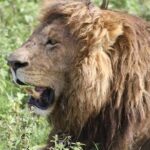
- Any lion activity near trees and rocky areas, where the park’s “climbing lions” reputation comes from
- The overall density of life in and around the lake niches
Possible drawback:
Manyara is fantastic, but it can feel different from “big open plains” parks. If you’re expecting constant long-distance herds, you might need a quick mental shift: the action is often more concentrated and sometimes more “spot-and-track” than “wide and free.”
Night in Arusha: Accommodation That Keeps Day 2 Easy
You’ll have accommodation included, and that’s more important than it sounds. On safari, being tired costs you. You lose patience for early starts and you rush your own enjoyment. With lodging built into the plan, you can focus on wildlife instead of scrambling for where to sleep and how to eat.
You also get an evening in the Arusha area after Day 1, which helps you mentally reset. If you’re coming from a travel day and you want this to feel smoother from the start, having a real base matters.
Day 2: Ngorongoro Crater, Predators in a Compact Bowl

Ngorongoro Crater is one of those places where the geography does the work for you. The crater is over 600 meters deep, and that depth helps concentrate animal movement. The result is a safari feel that’s tight, intense, and often more visually rewarding than you’d expect from a “single destination” day.
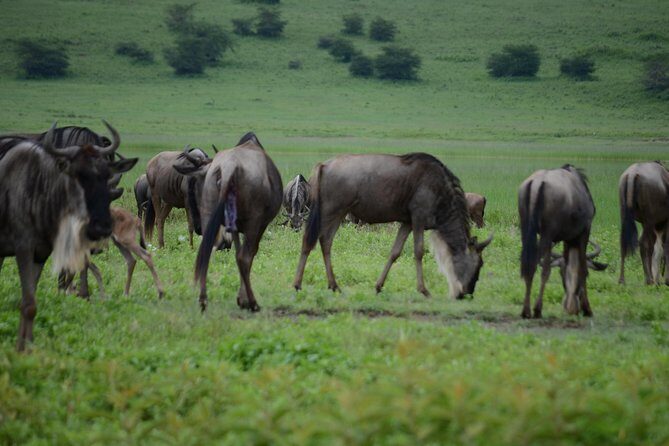
After an early breakfast, you drive to the crater area. Inside, you’re looking at a mix of grazing and browsing animals like wildebeest, zebra, buffalo, eland, warthog, hippo, and African elephants. The reason Ngorongoro is so famous, though, is the predator side. You might see lions, hyenas, jackals, cheetahs, and—when you get lucky—leopards, which can be harder to spot and often rewards patience and a good guide’s scanning.
You’ll also be able to go toward Lake Magadi, a massive but shallow alkaline lake in the southwestern corner. Even when the exact action is elsewhere, this kind of stop gives you a sense of scale and the “crater bowl” feel. It’s also a helpful way to break up long viewing stretches so the day stays enjoyable.
What makes this day valuable for you:
Ngorongoro compresses “different safari moments” into one place. Instead of driving hours to find a new habitat, you often get multiple animal behaviors in a smaller radius: grazing herds, predator patrols, and the occasional surprise moment when something moves.
Possible drawback:
This is the day people tend to plan their expectations around. So if you’re someone who needs guaranteed leopard sightings, you’ll want to manage expectations. Even with a great guide, predators don’t show on command. Your best bet is to treat the crater as a chance for close-up wildlife density and let the leopard be a bonus.
Day 3: Tarangire National Park and the Baobab-Elephant Story

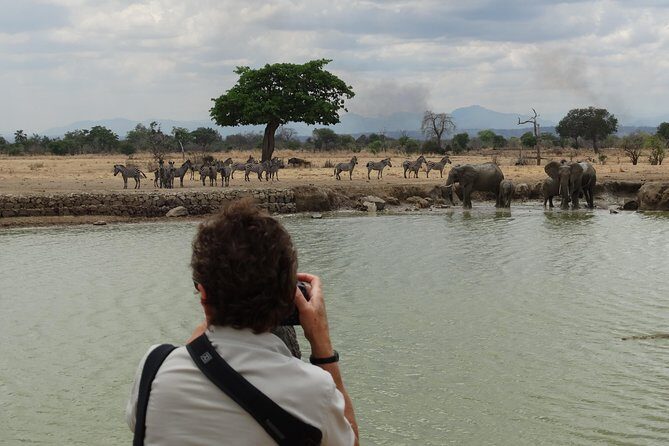
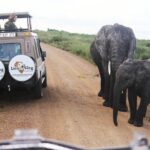
Tarangire is where the safari shifts to a more character-filled, iconic feel. This is a park built around two big themes: big elephant numbers and baobab trees. The combination gives you that classic Tanzania look—tough trees, wide skies (even if you’re moving through bushy spots), and elephants that often feel like they belong to the scenery.
After breakfast, you head to Tarangire. The plan includes a check in Arusha Town first for any last-minute purchases, which I appreciate. It prevents that common safari stress of realizing you needed something simple—like extra sunscreen, cash, or a quick snack—and now it’s too late.
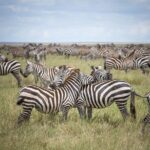
Tarangire is also described as part of an annual movement cycle where you can have huge numbers of animals in the region at certain times—figures cited include up to 3,000 elephants, 25,000 wildebeest, and 30,000 zebras. Even if you don’t hit peak exact numbers every day, the park’s reputation for large herds explains why it’s so good for scanning and patience.
The timing for the day is designed for a real game-drive block, not a rushed drive-by. You’ll have enough time to slow down when herds appear and to cover ground when the action is elsewhere.
What to watch for:
- Elephants near baobabs (great photos, but also great behavioral chances)
- Herd movement patterns, especially when you find where they’re drinking or feeding
- A balance of open sightings and quick “stop fast” moments as the guide spots activity
Possible drawback:
Like everywhere on safari, day-to-day weather and animal movement shape what you see. Tarangire can be excellent, but it still rewards flexibility—so plan to stay present instead of tracking only one species.
Pickup, Timing, and How the Driving Really Feels

This tour starts and ends at the same place: Shoppers Supermarket in Arusha. Pickup is at 8:00 a.m. on the first day, and the overall flow is built around getting you into the parks early enough for good wildlife activity windows.
The tour description lists about 5 hours for each major park segment. In real life, that usually means you’re spending a lot of that time driving and scanning, not sprinting. You’ll want to treat these days as “wildlife days,” not “sleep-in and stroll” days.
Also, it’s private. That matters. When it’s your group only, there’s less disruption and less waiting around for other people’s preferences. You still need to listen to the guide, especially when animals appear suddenly, but you won’t have to manage a crowd.
A small practical tip: pack for early starts and changing conditions. Safari days can feel hot during drives and cooler when you stop for viewing. Having a light layer makes the difference between “comfortable watching” and “fidgeting.”
Meals, Water, and Budget-Friendly Included Extras

A big part of safari value is what you don’t have to pay for or plan. Here, you get drinking water (1.5 liters per person per day), plus lunch and dinners included.
The plan includes lunch three times and dinner two times. That’s the kind of detail that helps you manage your day. When meals are handled, you’re not losing game-drive time to hunting for food or deciding if a roadside stop is safe and clean.
The tour also lists “other dietary requirements on request.” That’s useful if you have restrictions, and it’s worth flagging early so your plan is realistic instead of hopeful.
And yes, all fees and taxes are included. That helps protect the budget, because park entry costs and related charges can otherwise add up in unpredictable ways.
Price and Value: Does $1,280 Make Sense?
At $1,280 per person for a 3-day safari, the big question is whether you’re buying convenience, coverage, and real inclusion—or just paying for transportation.
Here’s what the price appears to cover:
- Park-related costs (fees and taxes are included)
- A professional English/Spanish/French driver-guide
- Accommodation (so you’re not scrambling for lodging)
- Meals (lunch three times, dinner two times)
- Daily water
- A private approach for your group only
When those items are packaged together, the “hidden costs” drop. It also reduces stress, and that’s not a small benefit. One review highlights the team made adjustments after an unexpected plane delay. That kind of flexibility is exactly what you want when your travel timing isn’t perfect.
The realistic trade-off: you’re paying for a high-touch, multi-park program. If you’re the kind of traveler who wants total control and low cost above all else, you might consider self-planning. But if you want a smooth itinerary where someone else handles the driving, fees, and daily timing, this price can feel fair.
The Guides Make the Day: Scanning, Positioning, and Follow-Through
On safari, your guide is not just a driver. They’re your eyes, your interpreter, and your decision-maker for where to spend time.
The tour is run by Joagro Safaris Tanzania, and the reviews reflect a consistent theme: the team works to reduce stress and keep things moving even when travel gets messy. I especially like that you get direct human follow-through, including feedback conversations face-to-face in at least one experience (with guides named Anwar and Jonas). That’s a sign they care whether the day felt successful, not just whether the paperwork was finished.
A strong driver-guide also helps with the hardest part of Ngorongoro: predator viewing. When you’re looking for lions, hyenas, and maybe a leopard, the best strategy is time in the right places and calm scanning—no frantic last-second chasing.
Who This Safari Fits Best (and who should adjust expectations)
This 3-day Manyara–Tarangire–Ngorongoro plan is a good match if:
- You want three iconic parks in a short time
- You prefer a private, organized safari flow
- You want included meals, water, and park fees so budgeting stays simple
- You like seeing different wildlife styles: lake-edge life, elephant-and-baobab scenes, and crater predator density
It may be less ideal if:
- You’re traveling for one single must-see species and you’ll be upset if it doesn’t appear
- You dislike early starts and long drives between parks
- You want a fully independent itinerary with zero structured handling
The bottom line: this tour shines for people who want a smooth, classic wildlife circuit and don’t want to micromanage every detail.
Should You Book Joagro Safaris 3-Day Manyara, Tarangire and Ngorongoro?
I’d book this if you want a well-run safari that hits the big signatures—Manyara, Tarangire elephants, and the Ngorongoro crater full-of-life feel—without turning your vacation into a logistics project.
It also looks like strong value because the essentials are included: accommodation, meals, daily water, and fees. The private nature helps the days feel efficient, and the guides’ track record for keeping things calm during travel problems is the kind of assurance you can’t fake.
If you’re flexible, patient, and ready for wildlife to set the pace, this is a smart three-day choice.
FAQ
FAQ
What time does the safari start?
Pickup is set for 8:00 a.m. from Shoppers Supermarket in Arusha.
Is this tour private?
Yes. It’s listed as private, meaning only your group participates.
Where does the tour begin and end?
It starts at Shoppers Supermarket in Arusha and ends back at the same meeting point.
What parks are included in the 3-day safari?
You visit Lake Manyara National Park, Ngorongoro Crater, and Tarangire National Park.
Are meals included?
Yes. The package includes lunch three times and dinner two times.
Is drinking water provided?
Yes. You get 1.5 liters of drinking water per person per day.
What languages does the guide speak?
The professional driver-guide can speak English, Spanish, and French.
Is park admission included?
For the listed park days, admission is described as included for Ngorongoro, and marked as free for the Lake Manyara and Tarangire portions.
What if my travel plans change or I’m delayed?
A review notes Joagro Safaris Tanzania made adjustments after an unexpected plane delay, keeping the experience stress-free.