REVIEW · ARUSHA
2-Days Private The Ultimate Tanzania Safari Tour
Book on Viator →Operated by Nkingo Adventures · Bookable on Viator
Two parks, 48 hours, and lots of sightings. This 2-day private Tanzania safari from Arusha is built around Tarangire National Park’s famous baobabs and elephants, then it pivots to the Ngorongoro Conservation Area for a morning crater drive where animals share the same stage with humans.
What I like most is the simple focus: you’re not trying to cram in five parks with half a day in each. You get a full 8 hours in Tarangire on Day 1, then another 8 hours in Ngorongoro on Day 2, which gives your guide real time to search and react.
One consideration: because it’s a fast, concentrated itinerary, it’s not the kind of safari where you linger with zero pressure. If you get easily worn down by early starts and long drives, you’ll want to plan your energy (and pack smart).
In This Review
- Key Highlights You’ll Actually Care About
- Two Parks, One Tight 48-Hour Safari Plan
- Arusha Start at 7:00 am: Your Day Begins in the Right Place
- Tarangire National Park: Baobabs, Elephants, and Tree-Climbing Lions
- One small drawback to plan around
- Tarangire River: The Real Reason Dry-Season Safari Magic Happens
- Accommodation, Dinner, and Lunch: Keeping You Ready for Day 2
- Ngorongoro Conservation Area: Early Crater Drive and Wildlife at Scale
- Why the crater experience feels unique
- What Private Really Means Here (Guide, Driver, and Animal Spotting)
- Tree-Climbing Lions, Baobabs, and Elephant Herds: How to Think Like a Safari Viewer
- Price and Value at $2,895 per Person
- Packing and Timing Tips for a 2-Day Safari Sprint
- Should You Book This 2-Day Private Tanzania Safari?
- FAQ
- What are the main parks included in this 2-day safari?
- How long is the tour?
- What time does the safari start?
- Where is the meeting point?
- Is this a private safari?
- What’s included in the price?
- What’s not included?
- Are park admission tickets included?
- What is the cancellation policy?
Key Highlights You’ll Actually Care About
- Private vehicle and guide time so you can move when animals show up
- Tarangire’s baobabs and elephants, including the Tree of Life vibe near the river
- Tree-climbing lions and year-round water action linked to the Tarangire River
- Ngorongoro Crater wildlife density described as around 25,000 animals
- Early morning crater drive for better odds of seeing active wildlife
- Meals, accommodation, and fees included, so you’re not guessing what’s missing
Two Parks, One Tight 48-Hour Safari Plan
This tour is basically a sprint through Tanzania’s most “wow” nature set-pieces, without the usual chaos. You start in Arusha and point the car toward Tarangire, then you switch gears for the Ngorongoro Crater area. That matters because a safari is mostly about timing: when you reach the best habitat at the right hour, sightings tend to improve.
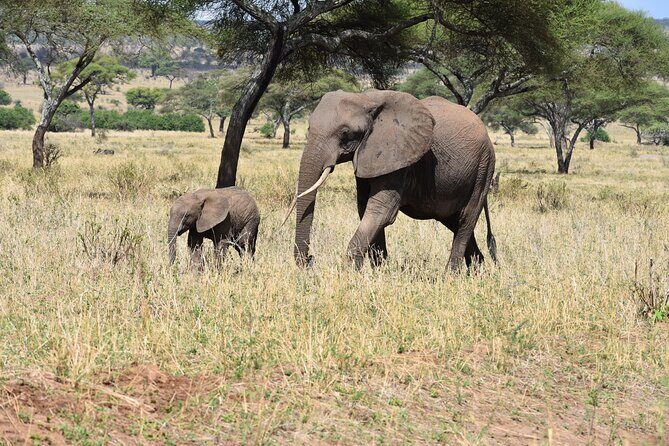
Tarangire is known for elephants and baobab trees, the kind that make you stop the vehicle just to stare. Ngorongoro is known for big concentrations of wildlife inside a volcanic caldera. Put together, you get two very different settings that still deliver the same thing you’re really paying for: animals you can actually watch, not just pass by.
You can also read our reviews of more private tours in Arusha

Arusha Start at 7:00 am: Your Day Begins in the Right Place
Your day kicks off at Clock Tower Post Office in Arusha, with a 7:00 am start. The tour ends back at the meeting point, which keeps the logistics tidy when you’re only doing two days.
Also, the plan includes pickup offered and the tour is described as being near public transportation, which is handy if you’re combining this with other time in town. For a short safari, that kind of simplicity is a quiet advantage. You spend less time figuring out where to go and more time on the road hunting for wildlife.
Tarangire National Park: Baobabs, Elephants, and Tree-Climbing Lions
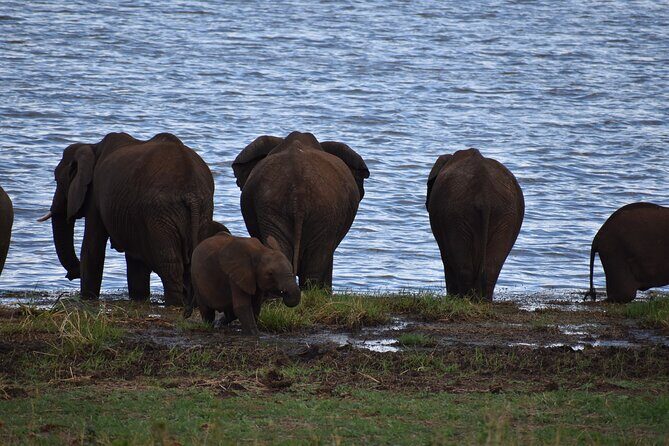
Day 1 is all about Tarangire National Park, and the time block is 8 hours. This park is known for large elephant herds, plus the famous baobab trees people call the Tree of Life. Even if you’ve seen photos before, baobabs tend to look more dramatic in person—thick trunks, huge branching shapes, and a landscape that can make a safari feel like a living nature film set.
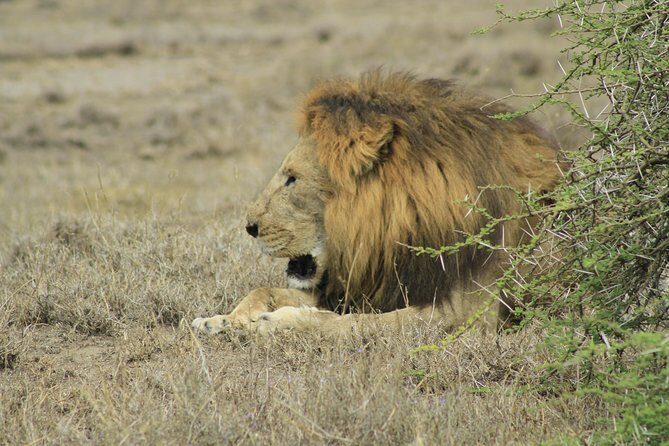
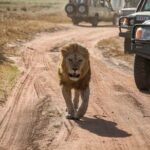
Tarangire is also linked to tree-climbing lions, which is one of those wildlife traits that sounds like a rumor until you’re in the right area. The tour’s structure helps here: with a full morning-to-afternoon window, your guide can position the vehicle where those behaviors are more likely.
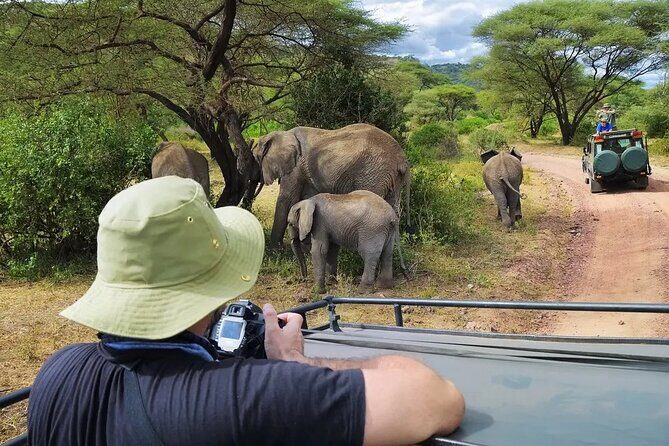
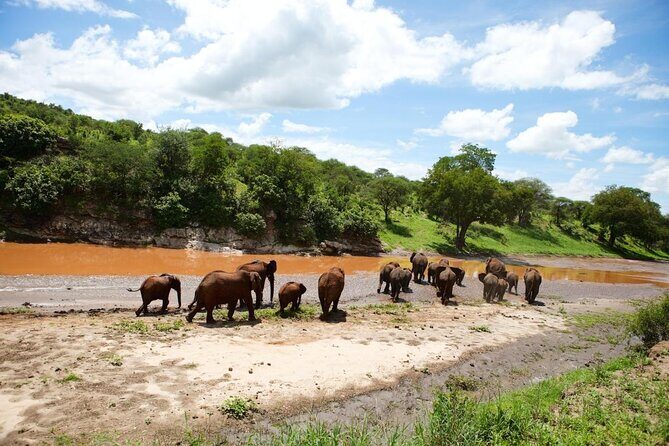
And elephants are the other major reason to love Tarangire. Big herds usually mean steady sighting opportunities, and they also change how the day feels. When elephants are around, everything else gets louder—birds, smaller mammals, and predators all respond to that constant movement.
One small drawback to plan around
Because Tarangire is so strong for animals clustered around water sources and natural features, your best views often depend on where the day’s wildlife is. That’s normal. The upside is that you’re with a guide and vehicle for a full chunk of time, so you’re not stuck staring at an empty patch.
Tarangire River: The Real Reason Dry-Season Safari Magic Happens
Tarangire has a key detail that makes it more than just scenery: the Tarangire River flows year-round and acts as the dry-season water source for wildlife. That means animal movement can concentrate predictably during hotter months.
For you, this matters because your time isn’t just random searching. Instead, your guide is working with a landscape rhythm: water draws animals in, and animals draw attention to themselves. That’s when you can get calmer, more patient viewing rather than constant racing around.
It’s a smart contrast to many places where water disappears and animals spread out. Here, the tour leans into what makes Tarangire effective when nature is more challenging—helping you focus on areas where animals are most likely to show up.
A few more Arusha tours and experiences worth a look
Accommodation, Dinner, and Lunch: Keeping You Ready for Day 2
This tour includes accommodation, plus dinner and two lunches. Even though the details of the lodge aren’t listed here, the inclusion itself is important. In a 2-day safari, surprises with meals or overnight logistics can derail your energy fast.
The way the itinerary is set up—Tarangire on Day 1, then an early start to Ngorongoro on Day 2—also suggests that the overnight stop is there so you can reset, eat well, and be ready for a crater drive at the start of the day.
From the reviews, the lodging arrangements were described as straight from a dream, and the staff were repeatedly described as sweet and thorough. That points to a real-world benefit: after long drives, you’ll want a place that handles basics smoothly—meals, timing, and help without making you chase answers.
Ngorongoro Conservation Area: Early Crater Drive and Wildlife at Scale
Day 2 takes you to the Ngorongoro Conservation Area, with another 8 hours. This is where the tour leans hardest into one of Tanzania’s big-ticket experiences: the world’s largest caldera, often referred to as Ngorongoro Crater.
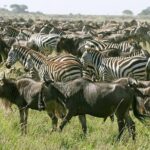
The highlight here is the sheer number of animals in one area. The tour description calls out a concentration of about 25,000 animals. Whether that number is used as an exact count or a way to describe density, the point for you is clear: the crater environment is built for serious wildlife viewing.
Your game drive starts early after breakfast, which is exactly when wildlife tends to be more active. If you arrive when the day warms up, animals can become harder to spot in the open. Early starts also help with visibility—another thing that makes a crater day feel different from a late-morning “maybe we’ll see something” style outing.
Why the crater experience feels unique
Ngorongoro is not just a nature reserve in a vacuum. It’s a place where animals and people share space. That human-and-wildlife overlap changes the feel of the drive. It can make the experience feel more grounded, less like you’re watching from far away. You still get wildlife drama, but it comes with a real sense of place and continuity.
What Private Really Means Here (Guide, Driver, and Animal Spotting)
This is a private tour/activity, meaning it’s only your group. In practice, that matters more than people think—especially on a tight itinerary like this one. When you’re not sharing the schedule with strangers, you can adapt to what your guide sees.
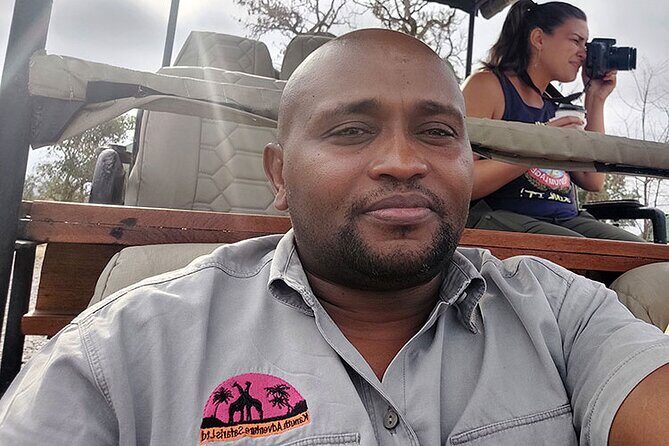
The reviews highlight Allan as the guide, repeatedly praising his driving skill and his ability to spot animals. That “spotter” role is huge on safari. Wildlife can be both close and hard to see. A good guide helps you identify movement, track behavior, and understand what you’re looking at—without wasting your time.
The reviews also mention that the guide taught them things about the country and wildlife. You’ll get more out of your game drives if your guide can connect animal behavior to the landscape—like how water availability shapes movement or why certain species show up in certain areas.
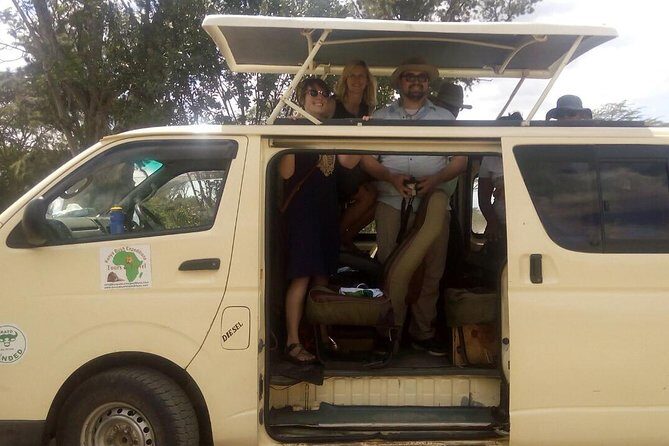
And yes, the vehicle matters too. Private transportation means you’re not stuck waiting for a slow-moving group or dealing with constant repositioning.
Tree-Climbing Lions, Baobabs, and Elephant Herds: How to Think Like a Safari Viewer
If you want to maximize what you see in two days, don’t treat this like a checklist. Treat it like a pattern.
Here’s how the pattern fits your itinerary:
- In Tarangire, look for concentrations tied to water and big animal movement, especially elephants.
- Watch the baobabs as more than photo spots; they’re a major feature of the park and often part of where animals hang out.
- For Ngorongoro, expect wildlife to feel “dense” in the crater setting, especially when you’re there early.
Also, keep your eyes open for behavior, not just species. An elephant herd feeding looks different from one walking. Predators don’t always announce themselves with a sprint. Sometimes a “stillness” is what matters—then movement happens fast.
The biggest tip: stay patient and let your guide set the pace. You’re not on a park theme ride. Wildlife can be unpredictable, but a good search strategy turns uncertainty into chances.
Price and Value at $2,895 per Person
At $2,895.00 per person, this is not a budget safari. So the question isn’t just cost—it’s what you’re buying with that money.
Here’s what’s included:
- Private transportation
- Professional tour guide
- Accommodation
- Dinner and two lunches
- All fees and taxes
- Mobile ticket
When you add those pieces up, the price stops looking like just “a vehicle and a guide.” You’re also paying for the operational work—planning, park access fees, guiding, and the overnight piece that keeps the itinerary doable.
The fact that admission tickets are listed as free for both Tarangire and Ngorongoro in the itinerary details also helps value perception. Even if you still want to verify what’s covered directly at booking, it signals that park access isn’t something you’ll be scrambling to arrange last minute.
Where value can vary is your group size and how much you value private guiding. If you’re the kind of traveler who enjoys a tailored experience with minimal waiting, private safari time can feel worth every dollar. If you don’t care much about that and just want basic seeing-animals, you might compare against shared options.
Packing and Timing Tips for a 2-Day Safari Sprint
With only two days, you’ll want to reduce friction. Bring layers, because early starts can feel cool and midday can warm up quickly. Wear shoes you trust on uneven ground around lodges and viewpoints.
For your day-of-safari routine, keep your focus on comfort and speed:
- Have essentials ready so you’re not rummaging in the car every time.
- Plan for lots of sitting and scanning—camera or binoculars, if you use them, should be easy to grab.
- Bring a small water plan for game drives. The itinerary doesn’t spell out water provision, so it’s smart to assume you may want your own.
This tour starts at 7:00 am and runs long days. If you’re sensitive to early mornings, set your expectations and sleep well the night before.
Should You Book This 2-Day Private Tanzania Safari?
I’d book this if you want a high-impact Tanzania sampler that still gives enough time for real wildlife viewing. The pairing makes sense: Tarangire’s elephants and baobabs on Day 1, then Ngorongoro’s crater density and early-morning drive on Day 2.
I’d hesitate if you need a slow travel pace. With two full 8-hour days and an early start, it’s active. Also, at this price level, double-check what the accommodation includes for your travel style, since lodge details aren’t listed here.
If you’re after a private, guided experience with strong reviews around guides like Allan and smooth lodge handling from Nkingo Adventures, this tour reads like a solid match.
If you want, tell me your travel month and whether you’re traveling as a couple or family, and I can help you sanity-check how well this tight schedule will fit your timing and comfort level.
FAQ
What are the main parks included in this 2-day safari?
Tarangire National Park on Day 1 and Ngorongoro Conservation Area on Day 2.
How long is the tour?
It’s listed as approximately 2 days.
What time does the safari start?
The start time is 7:00 am.
Where is the meeting point?
The meeting point is Clock Tower Post Office in Arusha, Tanzania.
Is this a private safari?
Yes. It’s a private tour/activity, and only your group participates.
What’s included in the price?
Dinner, private transportation, all fees and taxes, accommodation, professional tour guide, and two lunches.
What’s not included?
Tips, souvenir purchases, and international plane tickets.
Are park admission tickets included?
The itinerary lists admission tickets as free for both Tarangire and Ngorongoro.
What is the cancellation policy?
You can cancel up to 3 days in advance for a full refund. If you cancel less than 3 days before the start time, the amount paid is not refunded.