REVIEW · ARUSHA
1 Day Arusha national park (Game drive and walking safari).
Book on Viator →Operated by Livingstone Safari Tanzania · Bookable on Viator
Walking Arusha National Park changes everything. On this 10-hour walking safari plus game drive, you trade the usual vehicle-only view for close-up animal moments, led by a park ranger in one of Tanzania’s more compact, varied parks.
I like how the park is built for a short visit: you get morning hours in the field, then you’re back in the safer rhythm of a drive when needed. I also like that you’re not just chasing sightings—you’re learning how the ranger reads the terrain, and that changes what you notice.
One consideration: part of the day is on foot. If you have limited mobility or you hate being out for long stretches, plan carefully and wear proper shoes.
In This Review
- Key things to know before you go
- Entering Arusha National Park by walking first
- The 8:30am rhythm: pickup, briefing, and getting oriented
- Game drive and walking safari: why you get both
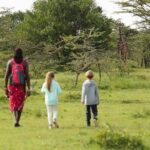
- What the ranger-led safari teaches you on foot
- Wildlife possibilities: monkeys, buffaloes, zebras, giraffes, and more
- Arusha’s scenery focus: Momela Lakes and Mount Meru in real time
- Price and value: is $450 per person fair?
- How long is too long? Timing, comfort, and pacing
- Who should book this Arusha walking + drive safari?
- Should you book this 1-day Arusha safari with a ranger walk?
- FAQ
- What time does the tour start, and how long is it?
- Is pickup included?
- Is this tour private?
- Do I need to use a mobile ticket?
- Is the walking safari guided?
- Can I cancel for a full refund?
Key things to know before you go
- Walking safari with a ranger: This isn’t a casual stroll. You’ll follow instructions and move with purpose.
- 10 hours is a full day: Start early (8:30am) and expect a long, active schedule.
- You’re in a small, scenic park: Arusha National Park is close to Arusha town and Kilimanjaro International Airport, so it works well for one day.
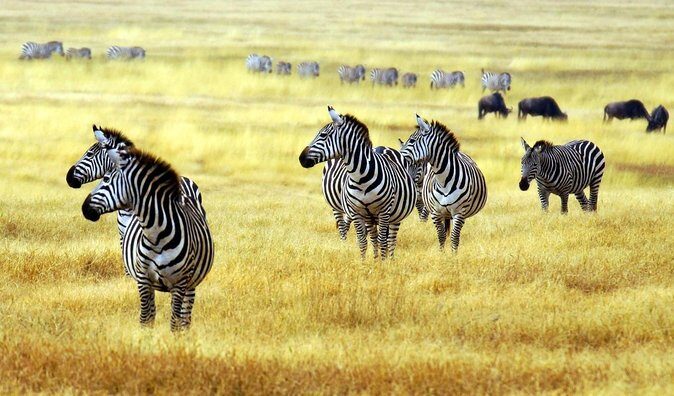
- Your wildlife list can include big and small: Think monkeys, buffaloes, zebras, giraffes, and antelopes—depending on what’s moving that day.
- Private tour for your group: It’s organized around you, not a big crowd.
- You’ll use a mobile ticket: Planning is designed to be simple and quick.
Entering Arusha National Park by walking first
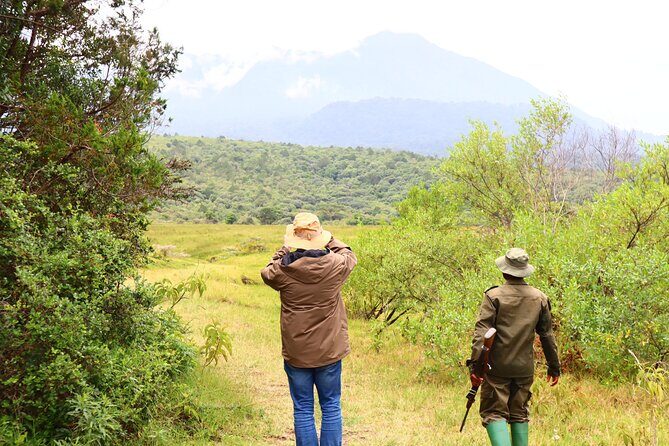
Arusha National Park works because it’s close to where you’re staying. It’s about 50 km from Arusha’s safari-town area, and it’s also relatively near Kilimanjaro International Airport. That matters when you’ve only got a day, because you lose less time to transfers and still get real time in the habitat.
What I like here is the mix of “big view” and “small detail.” Mount Meru’s rugged mass anchors the area, while the Momela Lakes add a different kind of visual drama with their notably different colored waters. When you’re on foot, you notice the textures and movement around the lakes and slopes more than you would from a windshield.
And yes, this is where a lot of people hope for wildlife. But the deeper value is how the ranger guides your pace and attention. You’re not just hoping to see something—you’re learning where animals tend to be when the day is warming up.
You can also read our reviews of more walking tours in Arusha
The 8:30am rhythm: pickup, briefing, and getting oriented
Your day starts late morning? Actually, it starts early. The tour’s start time is listed at 8:30am, and the flow is designed around breakfast followed by a guide/driver meeting and a short safari info briefing.
If pickup is offered for your location (it is included as an option), I strongly recommend you take it. In Arusha, roads and timing can be variable, and being on time makes the wildlife portion better. A 1-day safari is not the time to “wing it.”
After that quick briefing, you travel to the park. This is your setup time—get your water, double-check your footwear, and do the simple things that keep you comfortable later when you’re standing still waiting for signs.
The guide/driver portion is also part of the value. Two things make these tours work smoothly: clear communication at the start and clean handoffs between driving and walking. The tour format is built around that.
Game drive and walking safari: why you get both
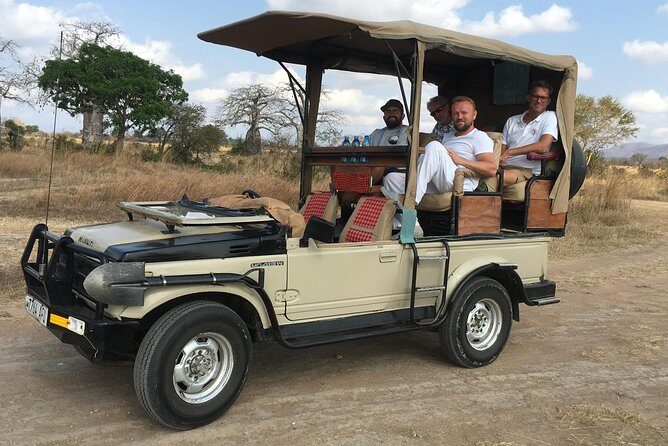
This is the smart combo. A game drive is your fast-moving tool. It helps you cover ground and reposition when sightings pop up or when terrain changes. Then the walking safari is where you slow down and actually read the environment.
On the drive, you’re likely to spot animals at a safer distance. That’s useful for two reasons. First, it gives you a baseline for what’s nearby. Second, it helps the ranger plan the walk based on behavior and space—because walking with wildlife is not about rushing closer.
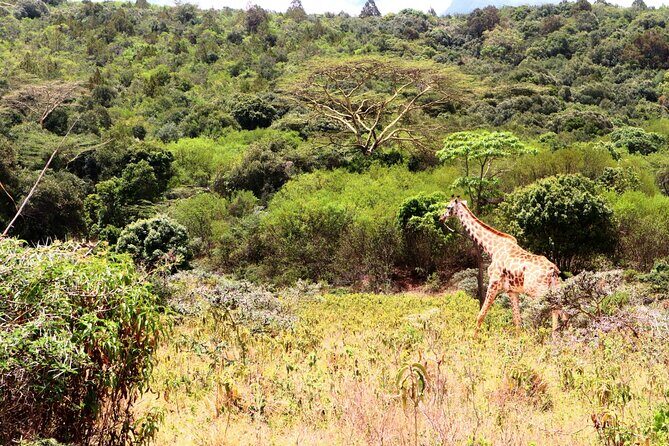
On the walk, the day feels more intimate. You’re moving through the same ecosystem the animals use, so you get chances at different species types. The tour description specifically calls out that you may see animals such as monkeys, buffaloes, zebras, giraffes, and antelopes. Even if you don’t see all of those, walking tends to increase your odds of noticing smaller activity—tracks, calls, and movement in the foliage.
The big takeaway: the drive finds; the walk teaches you how to look.
What the ranger-led safari teaches you on foot
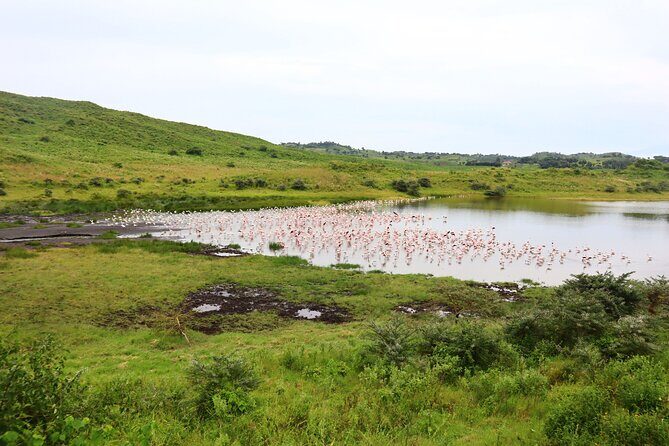
A ranger-led walk is one of those experiences that sounds straightforward until you’re in it. On foot, you’re closer to detail—sound carries differently, animals react faster, and your route matters. That’s why the guidance is key. The tour is done under the direction of a park ranger, not just a general guide.
From the type of feedback this company receives, the focus tends to be on real field expertise and good day management. Names that come up include Ombeni as a standout guide, and Warren as a driver and wildlife expert. The common theme is that these people help you see more and stay calm and safe while doing it.
Here’s the practical part for you: listen for what you’re told, especially about stillness, where to stand, and what to avoid. If the ranger says pause, pause. If you’re asked to watch and not move, do that. Those instructions often decide whether you get a close sighting—or just a quick look from afar.
Also, walking safari days reward patience. If you only think about distance goals (“I need to see a giraffe”), you’ll miss the point. You’ll get more out of it by watching how animals use the terrain—how they react to sound, how they move between patches of habitat, and where they feel safest.
Wildlife possibilities: monkeys, buffaloes, zebras, giraffes, and more
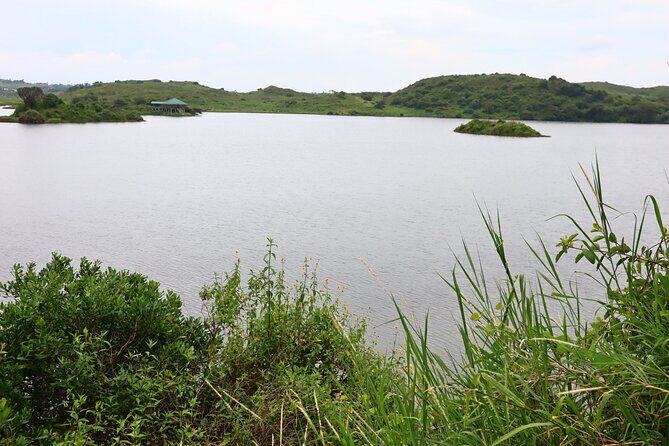
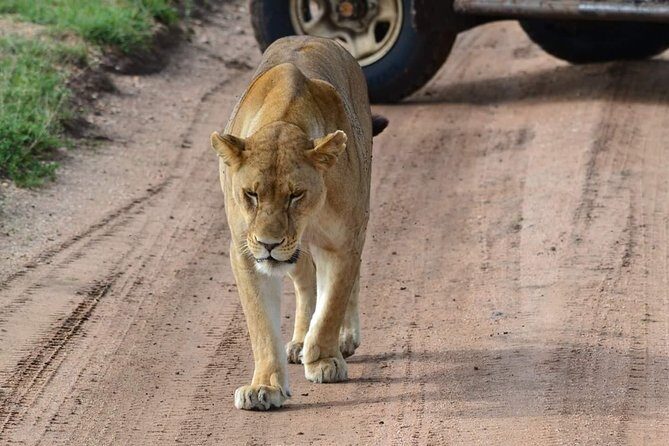
The tour description gives a useful starting list of likely animals: monkeys, buffaloes, zebras, giraffes, and antelopes. Those are big, recognizable species, which is great for first-timers because you can track your progress during the walk and drive.
But the better way to approach it is this: focus on patterns, not checklists.
- Monkeys can appear unexpectedly when you’re moving along edges of habitat or near patches of growth where they feel secure.
- Buffalo behavior is often about timing. If you’re told to be cautious or keep distance, it’s for a reason—buffalo can change their posture fast.
- Zebras and antelopes often let you learn about grazing rhythms. Look for how they pause, re-graze, or reposition.
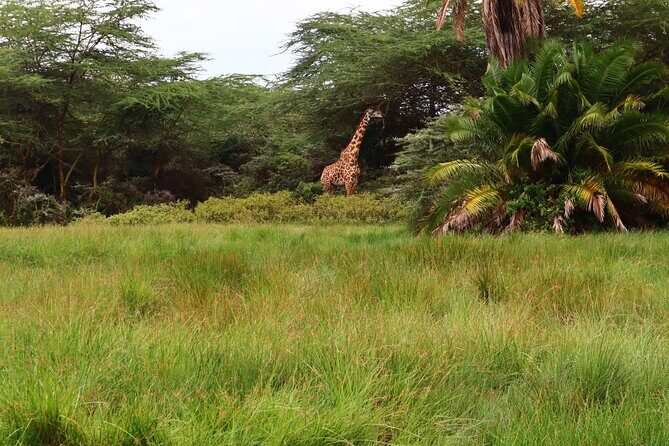
- Giraffes can be easier to spot from the drive but might show up near walkable viewing areas depending on the day’s plan.
Because the walk is guided, you’re not relying on luck alone. The ranger’s job is to read signs in the moment—track, movement, and how wildlife is responding to the area around you.
One more note: this is a 1-day plan, so you won’t control every variable. The value is that you’re using the whole day effectively—driving to find, then walking to experience.
A few more Arusha tours and experiences worth a look




Arusha’s scenery focus: Momela Lakes and Mount Meru in real time
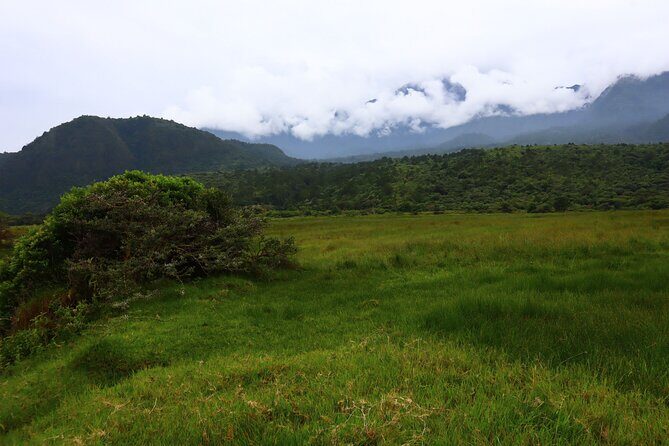
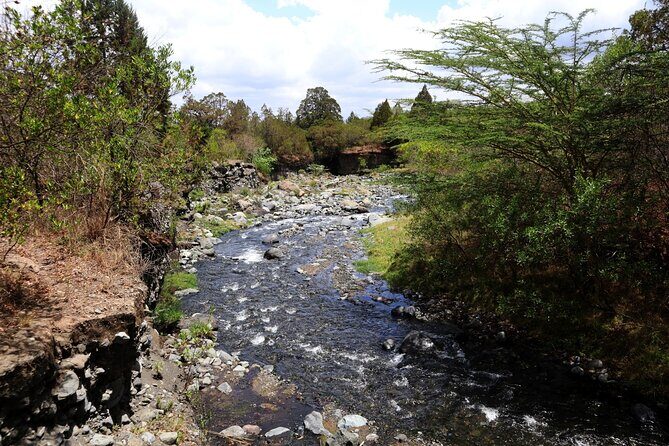
Even if you’re mainly there for animals, Arusha National Park adds meaning through its topography. The park’s three major features highlighted are Mount Meru, the Momela Lakes, and the park’s varied terrain.
Mount Meru is especially interesting because it’s rugged and visually dominant. You’ll feel it in the way the day’s routes and sightlines work—certain directions give you different views of the mountain’s shape and slopes.
The Momela Lakes are a standout because their waters are notably different in color. That detail matters more than it sounds. Color changes how light hits the scene, which affects how animals move around edges and how easy it is to spot movement. On an active day, you’ll notice those visual shifts.
Practically, use the scenery to reset your brain. If you’ve been scanning for animals during the drive, a lake view or a mountain pause can make the next walking stretch feel less exhausting and more rewarding.
Price and value: is $450 per person fair?
At $450.00 per person, this is not a budget safari. But it also isn’t just “sit in a vehicle and hope.” You’re paying for a full day of planning, transportation, and two styles of wildlife viewing—plus the ranger-led walking portion.
Here’s how I’d judge the value:
- You’re getting a structured 1-day plan (about 10 hours), not a half-day.
- You’re paying for real guidance during the walk. That’s usually where safaris become either safe and memorable—or risky and forgettable.
- It’s private: only your group participates. That can be worth a lot if you’re traveling as a family or a small group and you don’t want to share pace and attention with strangers.
- The experience details also indicate admission ticket is free, which improves the value equation if that’s included in what you’ll pay.
Where it might feel less like a deal is if you only care about vehicle-only sightings. If that’s your plan, you may find cheaper options. But if you want the walking safari element—this is the part you’ll talk about later.
If you want good value, the best strategy is simple: book when you can fully commit to the early start and the walking time.
How long is too long? Timing, comfort, and pacing
You’re looking at roughly 10 hours. That’s a lot in the bush, even when the day is well organized. Your comfort will come down to the basics:
- Wear shoes you can stand and walk in for hours.
- Bring water and a light layer, since morning conditions can change.
- Expect quiet waiting moments. The ranger will manage movement when wildlife is near.
The tour description also says most travelers can participate. That’s encouraging, but it still doesn’t mean it’s for everyone. Walking safari days can be physically demanding even without extreme hiking.
So consider this a good fit if you’re willing to walk, pay attention, and follow directions. It’s a poor fit if you need frequent vehicle-only stops for mobility reasons.
Who should book this Arusha walking + drive safari?
This works best for:
- People with limited time in Arusha who still want a real safari experience, not just a short excursion.
- First-time safari goers who want the excitement of a drive but also want the close-up learning of a walk.
- Small groups who value privacy and a guided rhythm rather than a crowded schedule.
- Travelers who appreciate good organization and punctual service. Past feedback for this company highlights smooth day planning and guides who are friendly, helpful, and on time.
It may not be the best choice if you want maximum comfort with minimal walking, or if you dislike spending the day outdoors regardless of the weather.
Should you book this 1-day Arusha safari with a ranger walk?
I’d book it if you want one day that feels like the real Tanzania safari experience: you get variety, you get guidance, and you get the chance to see animals in two different ways. The walking safari element is the main reason to choose it, and the park’s proximity to Arusha and Kilimanjaro makes it practical.
Skip it if walking doesn’t work for you, or if you’re only interested in a quick vehicle drive. Also, if you’re the type who hates early mornings, be honest with yourself—you’re starting at 8:30am.
If you want a full, well-run day with the focus on wildlife and learning, this is a strong option.
FAQ
What time does the tour start, and how long is it?
The safari starts at 8:30am and runs for about 10 hours.
Is pickup included?
Pickup is offered, and you’ll meet your guide/driver before heading to the park.
Is this tour private?
Yes. It’s a private tour/activity, so only your group participates.
Do I need to use a mobile ticket?
You’ll use a mobile ticket for the experience.
Is the walking safari guided?
Yes. The walking safari is done under the guidance of a park ranger.
Can I cancel for a full refund?
Yes. You can cancel up to 24 hours in advance of the experience’s start time for a full refund.