REVIEW · ZANZIBAR
Zanzibar: Quad Bike Adventure Tour to a Local Village
Book on GetYourGuide →Operated by Zanzibar Quad Adventure · Bookable on GetYourGuide
Riding a quad in the heat of Zanzibar sounds like a movie. This 4-hour tour is built for motion and real interaction: you bounce off-road through farmland, meet people inland, and end with a short beach stop after a stop to explain coastal village life. I love the mix of adventure + culture, especially the way the guide talks through daily life, herbs, and local habits. I also like the fruit moment, where you try what’s in season and share it with the people you visit.
One thing to consider: the ride is off-road and runs in the sun, so plan for dust, bumps, and warm conditions. If you’re worried about long waits or you’re not comfortable riding a quad on sand and dirt, you may want to pick a less physical option.
In This Review
- Key Things That Make This Quad-and-Village Tour Worth It
- Quad Bikes in Zanzibar: What This Tour Really Feels Like
- Price and How to Think About Value (Per Quad, Not Per Person)
- Getting Started: Meet Point, the Short Transfer, and First Impressions
- Off-Road Rice Fields: Where the Culture Lesson Begins
- The Inland Village Stop: Spending an Hour With Families
- House of Mad and Rural Life: A Peek Into How Zanzibarians Live
- Spice Plantations: Cinnamon, Cloves, and Lemon Grass Up Close
- Heading Back: Pwani Majangani and a Fishermen’s Village Change of Pace
- Beach Finish: Short, Scenic, and Practical
- Guides, Group Size, and the Names to Remember
- What to Bring (So You Enjoy It Instead of Tolerate It)
- Who This Tour Suits Best (And Who Should Rethink It)
- A Quick Heads-Up on Timing: Heat, Fuel Stops, and Real Life
- Should You Book This Quad Bike Adventure to a Local Village?
- FAQ
- How long is the Zanzibar quad bike adventure?
- Where do I meet the tour guide?
- Is pickup or drop-off included from Kiwengwa?
- What’s included in the price?
- Can I drive if I wear sandals or flip-flops?
- Is alcohol allowed on this tour?
- Is the tour suitable for children?
- What about pregnancy or mobility issues?
- What languages are the guides?
Key Things That Make This Quad-and-Village Tour Worth It

Off-road rice fields and farm paths give you a true “getting off the map” feel.
A full 1-hour village visit lets you spend time with families and kids, not just take photos.
Spice and herb stops cover cinnamon, cloves, lemon grass, and more while you learn what locals actually grow.
Fresh fruit sharing turns the visit from sightseeing into a small, human connection.
A guide-led culture explanation happens more than once, including a comparison between inland village life and the coastal community.
Quad Bikes in Zanzibar: What This Tour Really Feels Like
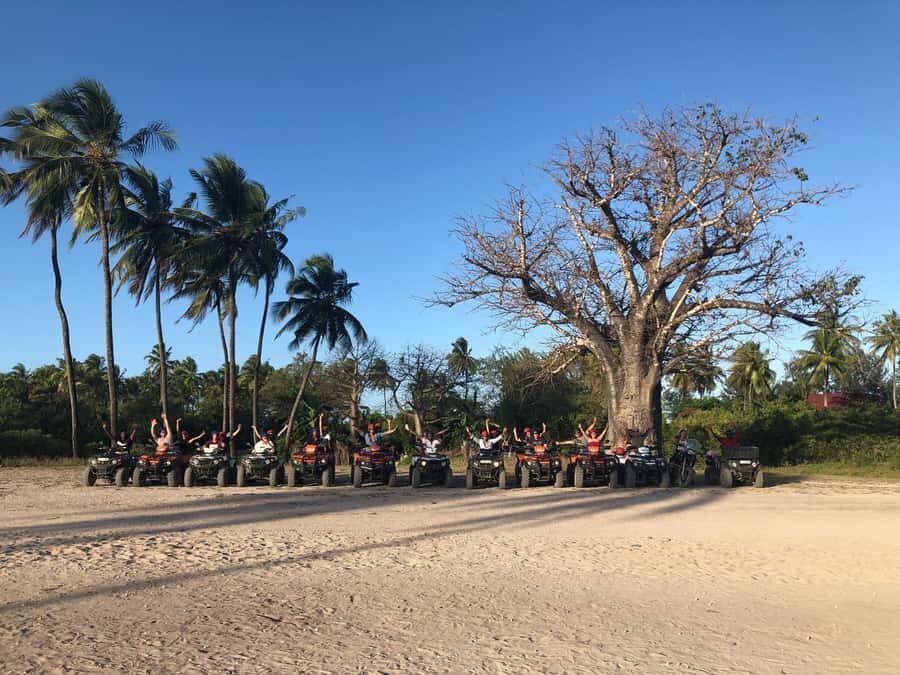
This is not a quiet cultural walk. It’s a 4-hour quad ride that uses the quad as your transportation and your excuse to see Zanzibar beyond the main beach strip. You’ll move from tarmac to off-road terrain, then later transition to sand roads toward a fishermen’s area and the beach.
What makes the format work is the pacing. You don’t just “arrive” and stand still. You ride through farm land, get stops to learn, and then you spend a meaningful block of time in the village—about an hour—where conversation and play are the point.
The best version of this day is simple: you stay open-minded, dress for the ride, and treat the village portion with patience and respect. When you do that, you’ll get more than a souvenir photo.
You can also read our reviews of more cycling tours in Zanzibar

Price and How to Think About Value (Per Quad, Not Per Person)

The headline price is $153 per group up to 2, and the important detail is that pricing is calculated per quad bike. Each quad can carry 1 or 2 passengers. So if you’re traveling solo, expect to pay for a quad by yourself, but if you have a partner, you’ll likely get better value per person.
Group size also matters for planning. The operator notes the max number of quads by size—1 quad (max 2 pax), 2 quads (max 4 pax), and so on up to 8 quads (max 16 people). In practice, this usually means you can end up with a small group, which tends to make the stops feel less rushed.
Is it good value? For me, yes—because you’re paying for more than driving. You’re also paying for a guide, quad equipment, petrol, and the fruit, plus multiple structured stops (rice fields explanation, inland village time, spice/plantation viewing, then a coastal village and beach finish).
Getting Started: Meet Point, the Short Transfer, and First Impressions
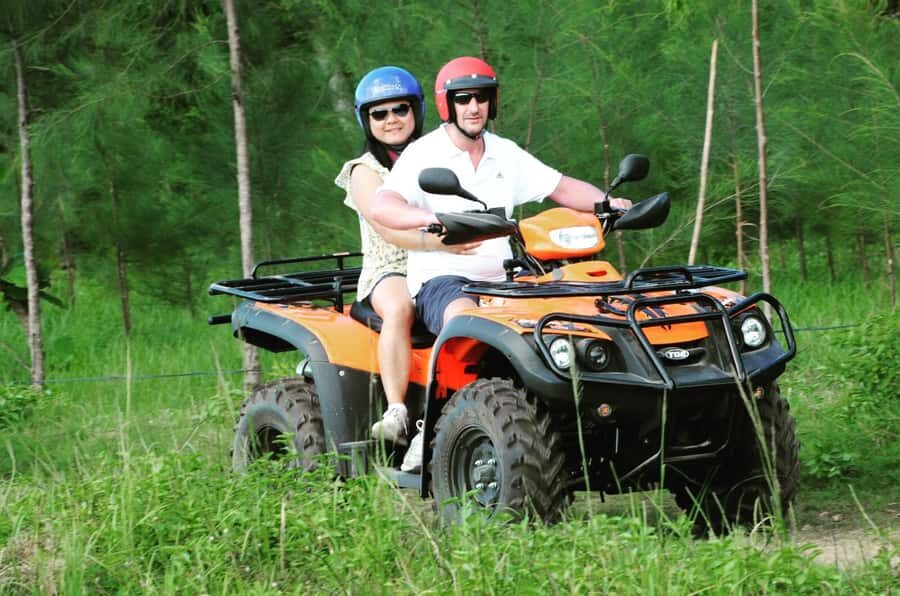
You meet at the office of the activity provider, not at your hotel. The tour explicitly doesn’t include pickup/drop-off from Kiwengwa, so you’ll need to get yourself to the start point.
From there, you drive about 4 km along the main road toward Pwani Majangani before the off-road part begins. That early stretch is useful: it’s where you get oriented and where the day starts feeling organized rather than chaotic.
Expect to get clear quad instructions before you really hit the trail. Multiple guides are praised for being professional with directions and for balancing safety with fun—especially guides like Hussain, Ibrahim, and Mussa/Musa mentioned across different bookings.
Off-Road Rice Fields: Where the Culture Lesson Begins

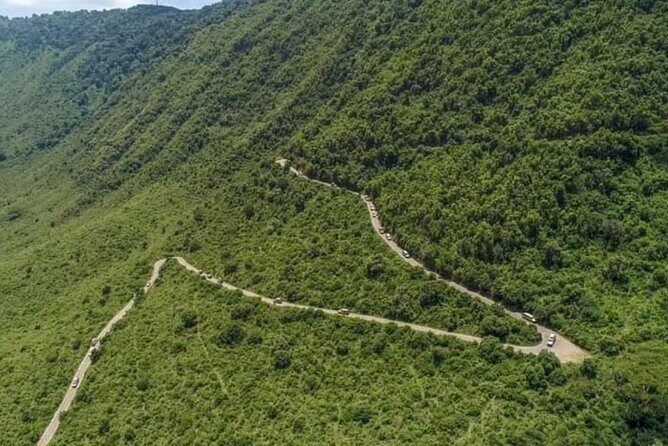
The first big “turn” of the tour comes when you leave the tarmac road. After that small opening ride, you head off-road through rice fields, and your guide stops for about 15 minutes to explain village economy, culture, and habits.
This stop is valuable because it gives you a lens before you arrive in the village. Without it, you’d only see buildings and people. With it, you start understanding what you’re looking at: what locals do for work, how daily life runs, and why certain crops and trees matter.
There’s also often a quick pit stop for a local shop, where you can buy something to offer as a present to the village. Even if you don’t end up buying anything, it’s a good moment to prepare mentally for the village interaction—keep things calm, and treat the visit as a meet-and-share, not a performance.
The Inland Village Stop: Spending an Hour With Families

At the main village stop, you stay for about 1 hour. This is the heart of the tour. You can spend time with children, play, and engage with the community—so you’re not just walking past.
The guided part here matters. You’re not left to guess what to do. Guides also introduce local details and explain what visitors might notice, including everyday life inside typical homes.
One practical consideration: this part of the experience can make you feel things. Some riders describe it as humbling, and it can also highlight the gap between tourist life and village life. If you’re the type who wants everything to feel comfortable and staged, this portion may feel uncomfortable in a good, human way.
If you’d like to be extra thoughtful, the tours’ participants often recommend bringing small kid-friendly items such as candy, toys, or coloring books. If you do that, keep it light, respectful, and follow your guide’s lead so it doesn’t create confusion in the village.




House of Mad and Rural Life: A Peek Into How Zanzibarians Live
After you’ve spent time with families, the tour moves to a typical home in the rural village, described as the House of Mad. Here, your guide discusses life and culture in a more structured way.
This step is good for two reasons. First, it slows down the day after the energy of quad driving. Second, it helps you connect what you saw outside—children playing, homes, routines—to what the guide explains about how people live.
If you’re the kind of traveler who likes context, this is where your brain clicks into place: it’s not just countryside, it’s lived-in community life.
Spice Plantations: Cinnamon, Cloves, and Lemon Grass Up Close
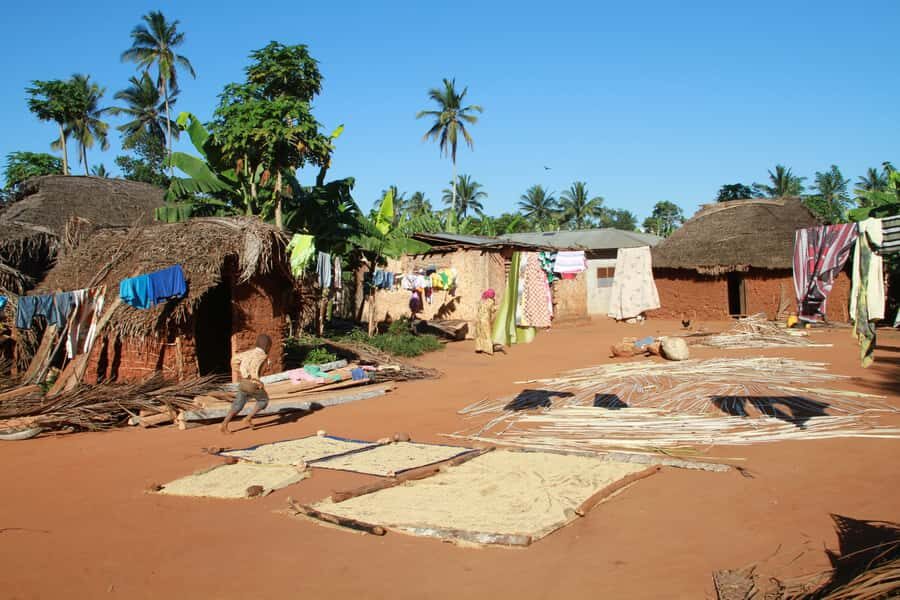
You then head through plantations where villagers cultivate cinnamon, cloves, lemon grass, and other varieties. For many people, this is one of the most satisfying stops because it ties Zanzibar’s famous cooking ingredients to actual plants growing in real ground conditions.
It’s also a great stop for photos, because the plants are part of the story. You’ll hear what they do, where they’re grown, and why they matter locally—especially if you ask your guide questions.
One small tip: wear sunscreen and keep water close. Even when it’s cloudy, the sun on a moving quad day can feel relentless.
Heading Back: Pwani Majangani and a Fishermen’s Village Change of Pace
After the inland village and spice stops, you ride back toward Pwani Majangani. The route includes a coastal angle at the end: you reach a fishermen’s village, with a brief explanation of how coastal community life differs from rural inland village life.
This “contrast stop” is underrated. It’s short, but it gives meaning to the trip’s structure: inland stops show how people farm and live inland; the coastal stop shows how life shifts along the shore.
Then you follow a sand road passing through fishermen’s houses, arriving at a beach stop. You’ll have a few minutes there before heading back.
Beach Finish: Short, Scenic, and Practical

That beach stop is brief—just a few minutes—but it does the job. It gives you a visual exhale after dust, bike sounds, and village interaction. It’s also where you can reset your focus and take a final set of photos.
If you’re hoping for a long beach hang or swimming time, manage expectations. This tour is built around quads and village stops, with the beach as a finishing scene rather than a full beach day.
Guides, Group Size, and the Names to Remember
Good guides can make a quad tour feel like it has a brain. This one gets consistent praise for explanation and energy, with names like Hussain/Hussein, Ibrahim, Mussa/Musa, Abib, and others coming up across bookings.
You’ll also notice the guide team structure matters. People mention different team members handling fun and active engagement, while the main guide explains the meaning behind each stop. That division of labor usually makes the experience smoother for a mixed group.
Also, keep group size in mind. With up to 16 people across 8 quads, the day can still feel communal rather than crowded—especially if you ride with a smaller number of quads in your group.
What to Bring (So You Enjoy It Instead of Tolerate It)
The essentials are straightforward. Bring sunglasses and sunscreen, and use a camera or phone if you like photos.
Dress rules are specific because the ride involves sand/dirt. You’re told to dress modestly, and it’s not allowed to wear sandals or flip-flops, plus bare feet are not allowed. Plan for closed-toe shoes that can handle dust and heat.
And yes, you’ll want water. The tour runs in the sun, and even if the stops are short, you’ll be out long enough for the heat to matter.
Who This Tour Suits Best (And Who Should Rethink It)
This experience is a strong match if you want:
- Active sightseeing (quad driving, not just sitting in a vehicle)
- Village time where you can interact and play
- A structured explanation of spices and daily life
- A balance of adventure + learning + a short coastal/beach finish
It’s not suitable for children under 3, pregnant women, or people with mobility impairments, according to the activity information.
If you hate off-road driving, dislike uneven terrain, or want a relaxed day with minimal exertion, you may want to pick a different Zanzibar tour style.
A Quick Heads-Up on Timing: Heat, Fuel Stops, and Real Life
One practical note: this is an operating day, not a clockwork show. A participant described a stop for fuel that took extra time in heavy heat, and the owner adjusted so the tour still ran fairly close to the expected end.
So if you’re the type who plans dinner at a tight time, give yourself a buffer. The core value is the riding and stops, and those parts depend on keeping the quads fueled and safe.
Should You Book This Quad Bike Adventure to a Local Village?
I think this is an easy yes if you want an off-the-beaten-path Zanzibar experience that mixes quad adventure, spice learning, and real village interaction in a day that stays focused. The proof is in what people consistently highlight: the scenery and fun riding, the informative guides, and the humbling, meaningful village connection—including fruit sharing and the time spent with children.
I’d hesitate only if you strongly prefer comfort over movement, you’re not prepared for dust and sun, or you don’t want any reminders of economic differences. For the right traveler, though, this is one of the most direct ways to see how people live beyond the beach.
FAQ
How long is the Zanzibar quad bike adventure?
The tour duration is 4 hours.
Where do I meet the tour guide?
You meet at the office of the activity provider.
Is pickup or drop-off included from Kiwengwa?
No. Pickup and drop-off from Kiwengwa area accommodation isn’t included.
What’s included in the price?
Included items are a helmet, petrol, and quad bike, plus a live guide and tropical fruit.
Can I drive if I wear sandals or flip-flops?
No. Sandals or flip-flops aren’t allowed, and bare feet aren’t allowed.
Is alcohol allowed on this tour?
No, alcohol and drugs are not allowed.
Is the tour suitable for children?
It is not suitable for children under 3 years old.
What about pregnancy or mobility issues?
The activity information says it isn’t suitable for pregnant women or people with mobility impairments.
What languages are the guides?
The live guide is available in English and Italian.