REVIEW · ARUSHA
The Top Rated 6-Day Serengeti Budget Camping Safari in Tanzania
Book on Viator →Operated by AFRICA NATURAL TOURS · Bookable on Viator
Mara River crossing dreams start here. This top-rated small-group-sharing camping safari strings together Tarangire, Serengeti, Ngorongoro, and Lake Manyara with a clear goal: good odds at the Great Migration around the Mara River. I like that it’s budget-focused but still built around proper parks, long game-drive days, and real time in the places you came to see.
I especially like the human touch built into the day flow. You get a professional, experienced guide with a licensed safari driver guide, plus the trip includes briefing time, purified drinking water, and large portions of fresh, healthy food at camp.
One thing to consider: this is budget camping, not lodge comfort. You’ll sleep at campsites during the safari stretch, and the driving days run long (about 8 hours each), so you should pack for the practical side of an African safari.
In This Review
- Key things that make this safari worth your attention
- A budget camping safari built around the Great Migration in Serengeti
- Day 1 in Tarangire National Park: elephants, baobabs, and a picnic lunch plan
- Day 2 in Serengeti: Central Serengeti to Kogatende and the Mara River drama zone
- Day 3 in Central Serengeti: a full day for sightings that build over time
- Day 4 moving to the Ngorongoro Conservation Area: from plains to crater-edge feeling
- Day 5 inside Ngorongoro Crater: UNESCO wildlife density in one day
- Day 6 Lake Manyara to Arusha: tree-climbing lions and a calmer farewell
- Price and value: what $1,539 covers in a budget camping format
- What’s included on safari days (and what you need to plan for)
- The guide-and-safety side that makes a safari feel well-run
- Who this safari suits best
- Should you book this 6-day Serengeti budget camping safari?
- FAQ
- How long is the safari?
- Where does the safari start and end?
- Which parks are included in the trip?
- Is pickup offered and is a mobile ticket included?
- Are park entrance fees and game drives included?
- What accommodation and meals are provided during the safari?
- Is drinking water and medical support included?
- What vehicle and guide service does the safari include?
- What cancellation terms apply and how many people can join?
Key things that make this safari worth your attention
- Migration-focused routing in Serengeti, with time aimed toward the Mara River area and possible crossing action
- Tarangire elephants and baobabs for classic savanna moments right after leaving Arusha
- Central Serengeti full day for repeat sightings, predator chasing, and plain-to-kopjes variety
- Ngorongoro Crater as the UNESCO day, where you’re hunting wildlife density in one loop
- Lake Manyara finale for tree-climbing lions and strong birdlife
- Park entrance fees and unlimited game drives covered during the safari days, so you can budget cleanly
A budget camping safari built around the Great Migration in Serengeti
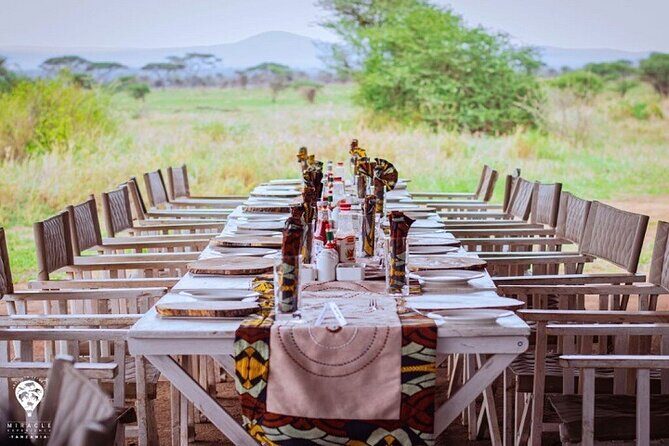
If you want the Serengeti without the pricing of a high-end lodge circuit, this is the style of trip that makes that possible. The route is a smart one: it hits Tarangire first, then moves into Serengeti for migration-minded game drives, adds Ngorongoro for an iconic wildlife day, and finishes at Lake Manyara for a different flavor of park life.
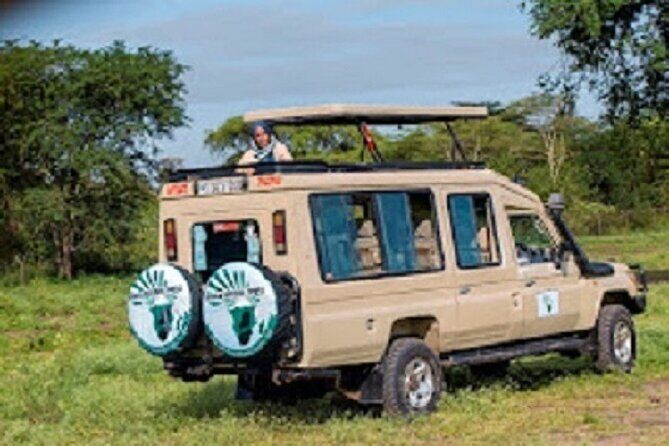
The biggest “value engine” here is how the days are set up around wildlife rather than travel fatigue. You’re not bouncing through every park for a few rushed hours. You’re getting long stretches of unlimited game drives, and the driving is done in a 4×4 safari land cruiser, which matters when roads get rough or you’re repositioning for animal movement.
The other key piece is timing flexibility in Serengeti. The Mara River zone (with hippos and Nile crocodiles along the waterline) is where crossing drama can happen, but it depends on what the herds are doing when you’re there. You’ll spend time in areas like the Central Serengeti and the Kogatende region with a focus on how herds are preparing for the river into Kenya.
A few more Arusha tours and experiences worth a look
Day 1 in Tarangire National Park: elephants, baobabs, and a picnic lunch plan
Tarangire is one of those parks that makes you feel like Africa is turning the lights on. Massive elephant herds are a highlight, and the towering baobabs give the scenery a look that feels instantly memorable. You’ll leave Arusha and arrive for game drives that are designed as a full first-day introduction rather than a quick stop.
What I like about this first day setup is the picnic lunch inside the park. It keeps you from losing prime viewing time to back-and-forth meals outside the wildlife area. After lunch, you continue with additional game drives, which is useful because wildlife doesn’t show on a schedule. If the day starts slow, you still have time to catch your rhythm.
A practical note: Tarangire days can mean lots of sun and long waits between sightings. You’ll be in the open-air rhythm of safari driving, so bring layers you can live in for hours and keep your camera ready. The trip includes clean and purified drinking water, which helps you stay functional without hunting for supplies.
Day 2 in Serengeti: Central Serengeti to Kogatende and the Mara River drama zone
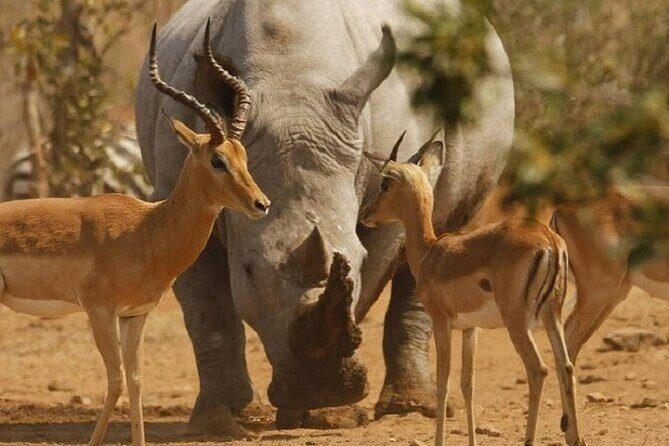
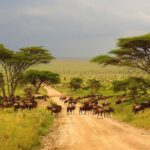
The Serengeti is where your trip starts feeling like the main event. Day 2 is built around migration-focused movement: you’ll drive from Central Serengeti toward the Kogatende region, scanning the kopjes (those rocky outcrops) and looking for carnivores and large migration groups. The real goal is to understand where the herds are in their journey and whether they’re getting close to the point where they’ll push toward the Mara River.
This matters because the Mara River is more than a postcard. It’s a narrow barrier with hippos and Nile crocodiles living in and around the water, so crossing attempts are intense and time-sensitive. Sometimes you get a dramatic river-front moment. Other times you get build-up: herds bunching, groups testing routes, and predators showing up around movement patterns.
If you’re the type who loves wildlife “behavior,” not just animal checklists, this day is a good fit. It’s less about rushing toward a single photo and more about watching how the migration behaves as it approaches a major challenge. And because your safari runs with unlimited game drives, you can usually spend longer on what’s happening than a tighter schedule would allow.
Day 3 in Central Serengeti: a full day for sightings that build over time
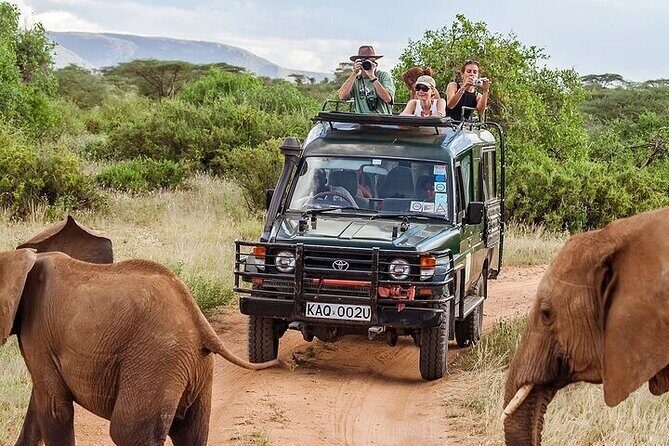
Day 3 is dedicated to a full day of game drives in Central Serengeti. This is a big deal. Serengeti wildlife viewing isn’t always instant. A full day gives you the chance to catch different weather-light moments, see animals at multiple distances, and watch predator activity that may not show up early.
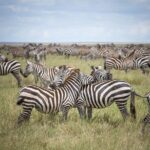
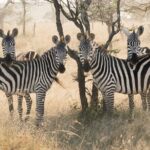
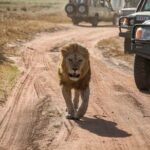
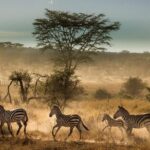
Central Serengeti is also where the variety can feel endless: herds of wildebeest, zebras, and gazelles moving through grasslands; lions and other cats using the terrain like a tool. The day is structured so you’re out long enough to notice the “story arc” of the Serengeti—calm stretches, sudden movement bursts, and then the drama when predators lock onto something.
There’s also value in repetition. Seeing wildebeest once can be stunning. Seeing how they reorganize across a day—how groups shift, how zebras react, how predators position—turns it into something you’ll remember. If you’re traveling with a camera, this day is the one where you’ll likely feel the benefit most.
Day 4 moving to the Ngorongoro Conservation Area: from plains to crater-edge feeling
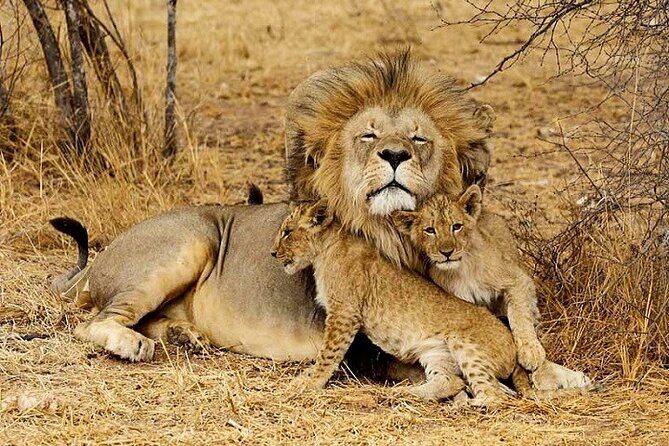
Leaving Serengeti is a real shift. On Day 4, you move toward the Ngorongoro Conservation Area and set up camp near the crater. The driving route changes the feel of the scenery, going from wide-open plains into higher ground terrain.
This travel day can sound like a transfer on paper, but it’s also useful as a breather between the most intense wildlife days. It gives you time to reset physically while still keeping you inside the safari flow. You’re still on a wildlife route, and you’re still in a 4×4 land cruiser with a licensed safari driver guide who knows the parks and how to read conditions.
The campsite base near Ngorongoro is also strategic. It puts you in position for the next day’s crater viewing without burning an entire morning on a long approach. For this style of trip, that’s a real quality-of-experience win.
A few more Arusha tours and experiences worth a look

Day 5 inside Ngorongoro Crater: UNESCO wildlife density in one day
Ngorongoro Crater is the day people remember. It’s UNESCO World Heritage status, and the reason it earns that reputation is simple: wildlife concentration can be striking. In one place, you get dense viewing with different habitats compressed into a single caldera feel.
You’ll dedicate the day to exploring the crater, then return to camp afterward. The itinerary is built around staying in the crater environment long enough to have options: you can follow where animals are moving, reposition as the light changes, and avoid the “one quick loop and done” feeling.
What I appreciate about having a dedicated crater day is how it complements Serengeti. Serengeti often feels like movement across space. Ngorongoro can feel like a wildlife stage with lots happening in closer range. That difference makes the overall trip feel balanced instead of repetitive.
Because entry fees are covered as part of the inclusions, you can also plan your spending calmly. You’re not scrambling to budget the crater day separately.
Day 6 Lake Manyara to Arusha: tree-climbing lions and a calmer farewell
Your final day pivots from crater density to Lake Manyara’s distinct ecosystem. Lake Manyara National Park is known for strong birdlife, and it’s also one of the best places to look for tree-climbing lions—a behavior that’s rare enough that it feels special when it happens.
You’ll have a final safari drive, then as the day winds down you head back toward Arusha. There’s an overnight stay at a campsite on the final stretch, which gives you time to land the experience rather than race straight through and feel rushed.
This ending works well if you want variety. Tarangire brings classic elephants and baobabs. Serengeti brings migration intensity. Ngorongoro brings wildlife density. Lake Manyara adds birds and that unique lion behavior. By the time you reach Arusha again, you’ve had a full “wildlife sampler” without feeling like the trip was stitched together at random.
Price and value: what $1,539 covers in a budget camping format
At $1,539 per person for roughly 6 days, the value here comes from which costs are baked in. This trip includes Tanzania National Park entrance fees and accommodations during the safari, plus professional guide service and a 4×4 safari land cruiser. It also includes dinner, large portions of fresh, healthy food, and clean purified drinking water.
That’s important because safaris can get expensive in the “nickel and dime” moments: park entries, vehicle costs, and getting the guide where you need them. When those are handled, you can judge the price based on the core experience: time in multiple iconic parks with unlimited game drive structure and a focus on the migration route.
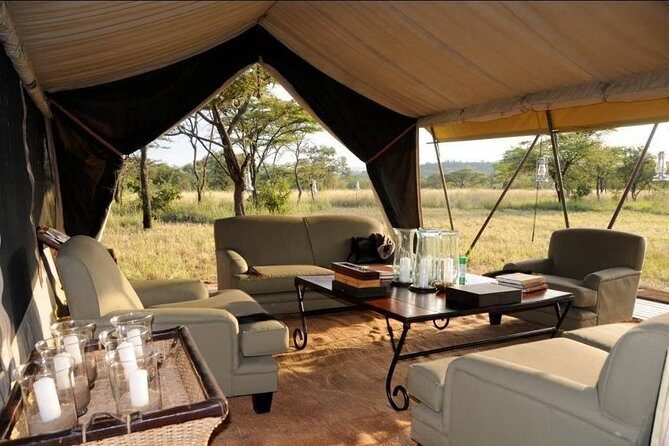
The “budget” part is mainly about where you sleep. You’ll be camping at campsites during the safari days. If you’re expecting the comfort of a lodge with private bathrooms and room service, this won’t match that. But if you’re okay trading luxury for more time watching animals, this pricing can feel fair.
Also, the safari is described as small-group-sharing, and the activity lists a maximum of 90 travelers. That tells me you’re unlikely to be on a private charter, but you should still get a more controlled group feel than huge coach-style operations. Your best strategy is to confirm pickup and exact group size with the operator before you go, especially if you’re sensitive to crowding.
What’s included on safari days (and what you need to plan for)
Here’s what you can count on as part of the package:
- Park entrance fees for the sites visited during the safari days
- Unlimited game drives in the areas you cover
- A professional, experienced guide and a licensed safari driver guide
- 4×4 safari land cruiser transport
- Accommodations during the safari at campsites
- Dinner plus large portions of fresh, healthy food
- Clean and purified drinking water
- Medical kits
- A safari certificate, plus the latest briefing
What’s not included is just as important:
- Travel insurance and medical insurance
- Tips for crew
- Hotel accommodations before and after in Arusha
- Domestic and international flights
- Airport transfers, including airport pickup and drop-off
My practical take: build your trip around the safari itself. Plan your own way into Arusha ahead of time, arrange any hotel nights outside the safari window, and budget separately for tips and insurance. That way you won’t feel surprised when the trip starts.
Also, you’ll want to pack for camping and long days. Even though the trip covers drinking water and meals, you’ll still need your own basics: sun protection, a refillable water bottle for easy access, a good day bag, and layers for early mornings and evenings. The safari guide’s briefing helps, but your gear still makes the experience smoother.
The guide-and-safety side that makes a safari feel well-run
A safari isn’t just about where animals are. It’s about how you get there, how you move when conditions change, and how you handle the small risks that come with being in remote areas.
This trip includes experienced staff: a professional guide and a licensed safari driver guide. You also get medical kits and daily briefing support. That combination matters most during long drive blocks and when you’re repositioning to follow wildlife movement patterns like herds bunching up near the Mara River area.
From the overall tone of service associated with the operator, communication tends to be clear and the focus is on making the experience safe and smooth. That’s not a small thing. When you’re investing time and money in a migration trip, you want a setup where logistics don’t distract you from wildlife.
Who this safari suits best
This is a strong fit if you:
- Want multiple Tanzanian wildlife highlights in one trip, not just Serengeti
- Care about the Great Migration route through Serengeti, especially around the Mara River
- Prefer budget camping over high-end lodge comfort
- Like an organized plan with lots of time on the ground, rather than short park visits
It may be a weaker fit if you need full lodge amenities every night, or if you’re uncomfortable with long drive days. Also, if you’re traveling for a very specific photo event at the Mara River, keep expectations flexible. Crossing moments depend on what the herds are doing when you’re there.
Should you book this 6-day Serengeti budget camping safari?
I’d book it if your priority is classic Tanzania safari variety on a price that stays realistic, while still aiming hard at migration action in Serengeti. The package covers the major costs you’d otherwise have to manage yourself—park fees, vehicle support, game drive time, and camping accommodations—so your money goes to the experience.
I’d pause and ask a couple questions if you’re worried about comfort level or if your schedule is tight around Arusha. Since airport transfers and pre/post Arusha hotel nights aren’t included, you’ll want to plan those pieces early. If you can do that, this is the kind of trip that can turn one amazing week into a lifetime memory of elephants, migration movement, and a UNESCO crater day.
FAQ
How long is the safari?
It runs for about 6 days.
Where does the safari start and end?
It starts and ends in Arusha, Tanzania.
Which parks are included in the trip?
You’ll visit Tarangire National Park, Serengeti National Park, the Ngorongoro Conservation Area (including Ngorongoro Crater), and Lake Manyara National Park.
Is pickup offered and is a mobile ticket included?
Pickup is offered, and you receive a mobile ticket.
Are park entrance fees and game drives included?
Yes. Tanzania National Park entrance fees are included, and the safari includes unlimited game drive time.
What accommodation and meals are provided during the safari?
Accommodations during the safari are included, with dinners provided. The trip also includes large portions of fresh, healthy food.
Is drinking water and medical support included?
Yes. Clean and purified drinking water is included, and there are medical kits.
What vehicle and guide service does the safari include?
You travel in a 4×4 safari land cruiser with a professional, experienced, licensed safari driver guide.
What cancellation terms apply and how many people can join?
Cancellation is free up to 24 hours in advance for a full refund. The activity lists a maximum of 90 travelers.
If you want, tell me what month you’re considering and whether you’re okay with camping nights. I can help you sanity-check whether this migration-focused route is the right match for your timing.