REVIEW · ARUSHA
The Best and Most Affordable 4-Day Tanzania Budget Private Safari
Book on Viator →Operated by Tanzania Serengeti Safaris · Bookable on Viator
Four days can still feel like real magic.
This Tanzania safari is private and budget-minded, starting in Arusha at 7:30am, with an experienced guide shaping your days around wildlife. You’ll get your first Serengeti game drive on day one, then keep pushing deeper into the action.
I especially like the way meals are built into the plan, with picnic lunches on safari day and breakfast/dinner included for most of your nights. The other big win is the Ngorongoro setup: you get a crater descent with a full day focused on the chance to see the Big Five.
One thing to consider: four days is a fast schedule. If you’re hoping for the Great Migration, timing matters, and you’ll be trading downtime for more drives and game time.
In This Review
- Key highlights at a glance
- 4-Day Safari Rhythm: Starting at Shoppers Supermarket at 7:30am
- Day 1 in Serengeti: First Afternoon Game Drive
- Day 2: Full-Day Serengeti and the Great Migration Timing Question
- Day 3: Ngorongoro Crater Descent for Big Five Possibilities
- Maasai Village Visit: Adding Local Culture in the Right Place
- Day 4: Last Game Drive in Ngorongoro and Return to Arusha
- What $1,781 Covers: A Value Check That Actually Makes Sense
- Who This Safari Fits Best (and Who Might Want More Time)
- Practical Tips for a Smooth Safari Without Overthinking It
- Should You Book This 4-Day Budget Private Safari?
- FAQ
- What time does the safari start, and where do I meet?
- Is this tour private or shared?
- What’s included in the price?
- What is not included?
- Are admission tickets included for the park activities?
- What happens if the safari is canceled due to poor weather?
Key highlights at a glance
- Private safari feel on a budget: only your group, with a guide who can tailor what you do.
- Serengeti twice for better odds: an afternoon start plus a full day exploring.
- Ngorongoro crater day is the centerpiece: early start, crater descent, then wildlife through the afternoon.
- Meals are part of the package: lunch four times, plus breakfast and dinner included on the safari days.
- Park fees covered: listed as all fees and taxes included, with admission shown as free.
- Culture can fit in: Maasai village visit is part of the experience concept in the Ngorongoro area.
4-Day Safari Rhythm: Starting at Shoppers Supermarket at 7:30am
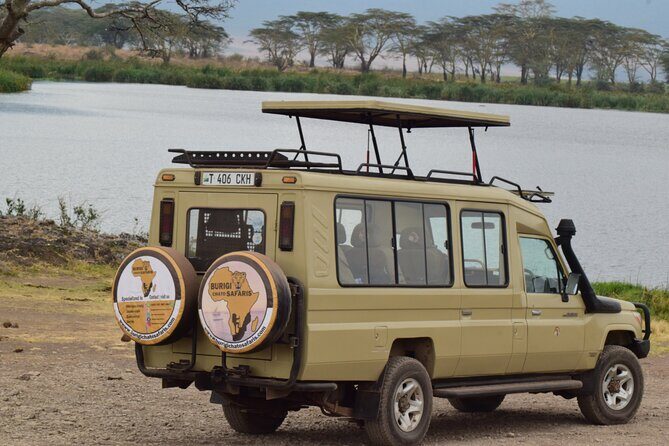
Your trip is built around early starts, and it starts right away. You meet at Shoppers Supermarket in Arusha at 7:30am, then you head out toward Serengeti. That early timing matters because game drives are most productive when wildlife is active, and you’re not spending your vacation stuck in transit later in the day.
This is also a private setup, so you’re not waiting your turn for “the group photo” moment every time the guide needs to adjust the route. You can ask questions, follow your guide’s spotting choices, and generally keep a smoother pace. The plan is designed for people who want Tanzania highlights without stretching the trip to a full week.
One practical note: pickup is offered, but airport transfers aren’t included. If you’re flying in, you’ll want to handle getting to Shoppers Supermarket on your own (or coordinate separate transport). And if you’re arriving before the safari begins or staying after it ends, hotel accommodation outside the safari days isn’t part of the package.
You can also read our reviews of more private tours in Arusha


Day 1 in Serengeti: First Afternoon Game Drive
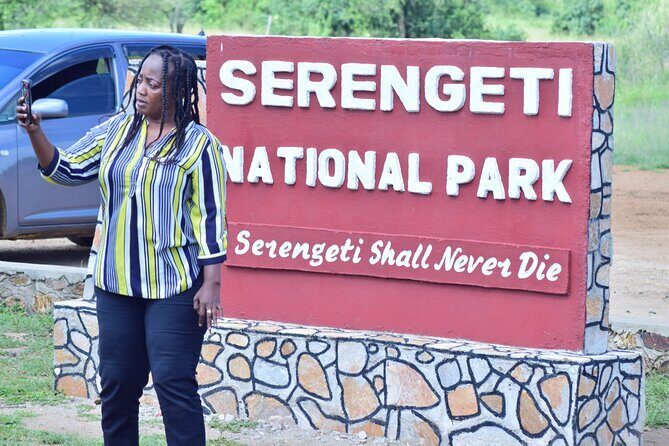
Day one is all about getting you into the moment. You travel from Arusha to Serengeti National Park in the morning, then you start with an afternoon game drive once you arrive. That “arrival + drive” combo is smart for a budget safari, because it helps you use every practical hour instead of spending the day settling in.
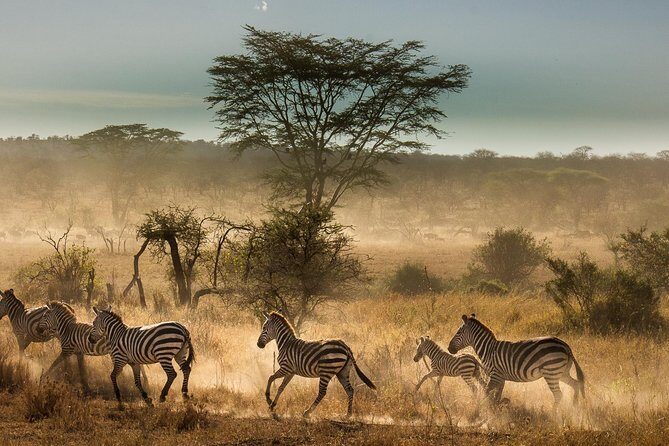
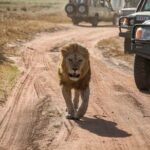
For your wildlife expectations, think “first taste.” This isn’t the day for full-day crater-style intensity, but it’s the day you usually start clocking what’s where: open plains, animals moving across the sightlines, and the feeling of the Serengeti working like a giant stage.
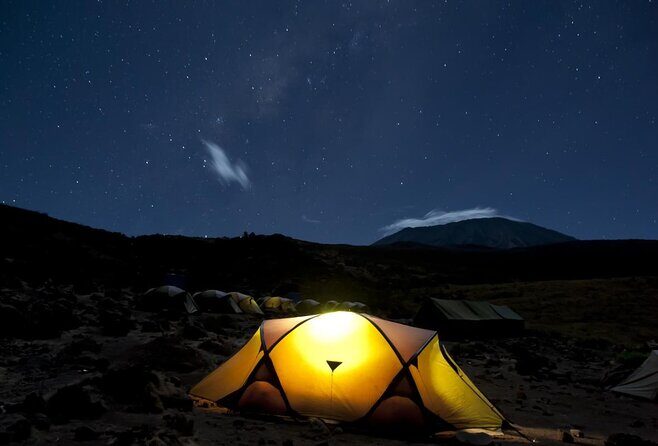
You’ll overnight in a lodge or budget camp in the Serengeti area. Since the listing doesn’t spell out the exact property level, I’d treat that as something to confirm when you book—what matters most to you (quiet nights, simple comfort, hot shower vs. basic facilities) should match the style you’re paying for.
A small win here: admission is listed as free, and all fees and taxes are included. That’s one less spreadsheet worry on your end.
Day 2: Full-Day Serengeti and the Great Migration Timing Question
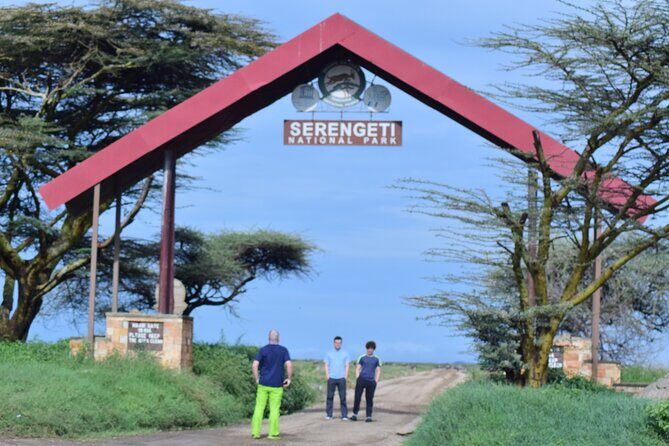
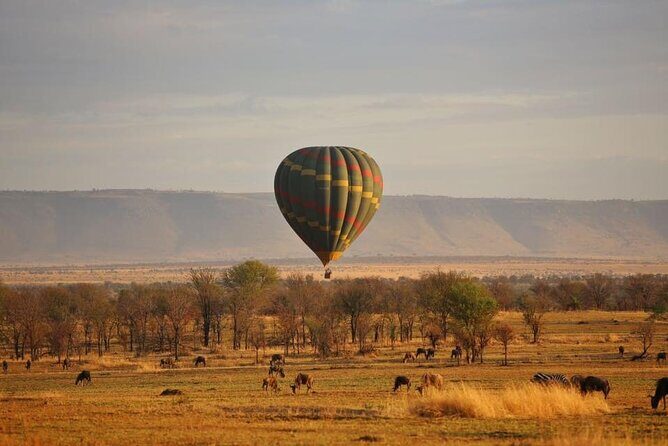
Day two is your long Serengeti day, built for maximum time on the plains. You’ll spend the day exploring the park with your guide, moving between areas to improve your chances of seeing a wider range of wildlife. The plan includes a picnic lunch in the wilderness, then continuing game drives until sunset.
This is also the day where the Great Migration may appear—if your travel dates line up. The safari design acknowledges that the migration is seasonal, so it doesn’t promise a guaranteed crossing, but it gives you the structure to take advantage if you’re there when it’s happening. In other words, you’re not just hoping; you’re out there long enough for the odds to matter.
If you’re trying to see more than the “big names,” this is the day to slow down and look past the constant spotlight of the lions or elephants. The guide’s job is to place you where animal activity is highest. That’s where a good guide makes the difference: knowing when to stop, when to move, and when the plain behind you is actually more active than the one in front.
Physically, this is a long day. The upside is that it’s productive, and the routine is straightforward: game drive, lunch break, more game drive, then a return to camp.
Day 3: Ngorongoro Crater Descent for Big Five Possibilities
If Day 2 is the “Serengeti day,” Day 3 is the “Ngorongoro day,” and it’s laid out like the centerpiece. You’ll eat breakfast early, then head to the Ngorongoro Conservation Area. Mid-morning, you descend into the crater, which is a UNESCO World Heritage Site and a high-odds wildlife zone.
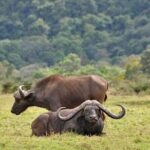
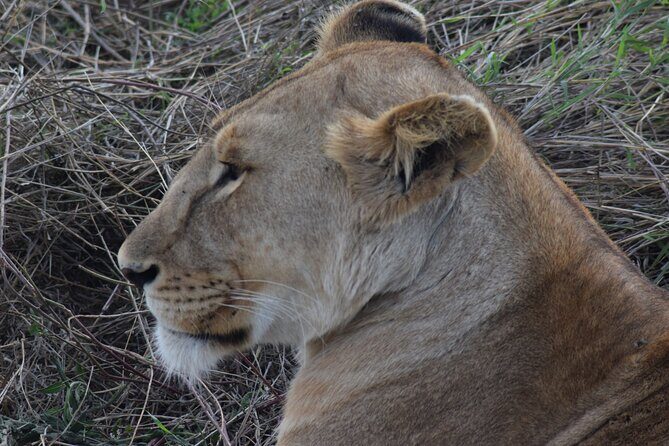
This is where the plan leans hard into the Big Five theme: lion, leopard, elephant, buffalo, and rhinoceros. Nobody can promise all five in a single visit, but you get something more useful than a promise: a full crater-focused block of time. You’ll have lunch as a picnic inside the crater, then continue your wildlife adventure through the afternoon before heading up to your accommodation on the crater rim for a calmer evening view.
That crater rim timing is worth it. You don’t just go down and rush back out. You also get time for perspective—watching the light change after a day of wildlife viewing. It’s one of those practical moments that makes the whole day feel complete rather than rushed.
Also, your timing is tight but purposeful: early breakfast, mid-morning descent, crater day until later, then rim lodging. It’s the kind of schedule that suits people who like action and dislike wasting hours.
Maasai Village Visit: Adding Local Culture in the Right Place
One of the best parts of this safari concept is that it doesn’t treat culture like an add-on. The experience includes a chance to visit a Maasai village in the Ngorongoro Crater Conservation Area.
Here’s how to think about this stop: it’s valuable because it puts a human story next to the wildlife story. You can learn about daily life, traditions, and the ways people experience this region beyond the safari circuit. The more you treat it like a conversation—asking questions, listening respectfully—the more it becomes part of your memory rather than just a checkbox.
The “budget private” angle also matters. In many trips, cultural stops are squeezed in only for groups. Here, the idea is you get to fit it around wildlife timing, not replace it. You’ll still be spending the majority of your time on game drives, which is what you came for.
If you’re sensitive to how these visits are handled, ask your guide what to expect. Since your itinerary is customizable within the safari structure, you can usually manage the pace and focus.
A few more Arusha tours and experiences worth a look





Day 4: Last Game Drive in Ngorongoro and Return to Arusha
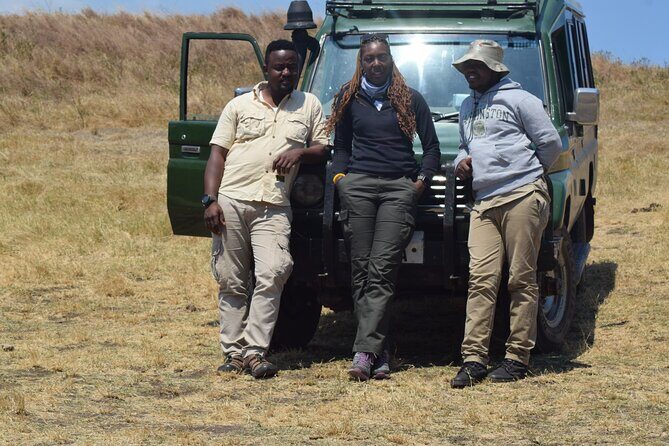
Day four keeps things simple and practical. You’ll have breakfast, then depart the Ngorongoro area for a final game drive through the conservation area. This is your last chance to catch those “maybe it happens today” sightings—without the pressure of having to do a full extra safari day.
After the final drive, you’ll head back to Arusha and arrive late afternoon. That late-day return is part of the package design. It means you don’t have to find extra logistics the next morning—your safari ends back at the meeting point.
If you like structure, this helps. You’re not scrambling for a transfer at the last minute. Still, keep your evening plans loose until you confirm the actual arrival time.
What $1,781 Covers: A Value Check That Actually Makes Sense
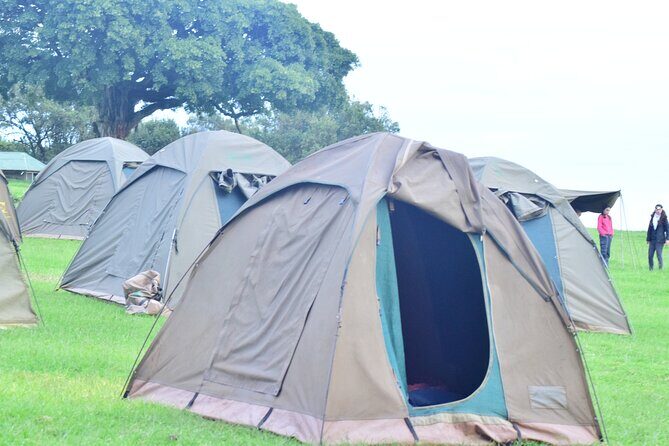
At $1,781 per person for about four days, you’re not just paying for vehicles and gas. The value comes from what’s included and how it reduces friction.
Here’s what’s covered:
- All fees and taxes
- Meals: lunch four times, breakfast three times, dinner three times
- Admission is shown as free for the safari blocks
- Private tour structure (only your group)
- Mobile ticket
What’s not included:
- Flights to/from Tanzania
- Travel medical insurance
- Travel insurance
- Hotel accommodation before and after the safari
- Airport pickup/drop-off
So the real question is: does it feel like a deal compared with booking everything separately? For most people, yes—especially because park-related costs and meals can add up fast when you piece trips together. The private format also matters: you’re paying to avoid the group hassle and to have a guide focused on your sightings and timing.
One more value point: this is positioned as a budget private safari, so it’s aiming for affordability without dropping the core experiences. That usually means you’re not getting luxury everything, but you are getting the big-ticket structure: Serengeti game drives, Ngorongoro crater descent, and meals that keep you going through long wildlife hours.
Who This Safari Fits Best (and Who Might Want More Time)
This safari is a strong match for you if:
- you want Serengeti + Ngorongoro in one compact trip
- you like being on the move for wildlife rather than staying in town
- you don’t want airport headaches included automatically
- you value a private guide and flexibility inside the safari framework
You might want to rethink if:
- you’re extremely focused on the Great Migration at a specific moment (because the migration timing isn’t guaranteed and the schedule is tight)
- you hate long driving days and early starts
- you’re sensitive to the idea of a fast itinerary where you spend most of your day in safari mode
Also, I’d treat it as a “very good first Tanzanian safari” rather than a “slow luxury once-in-a-lifetime marathon.” It gives you the essentials efficiently.
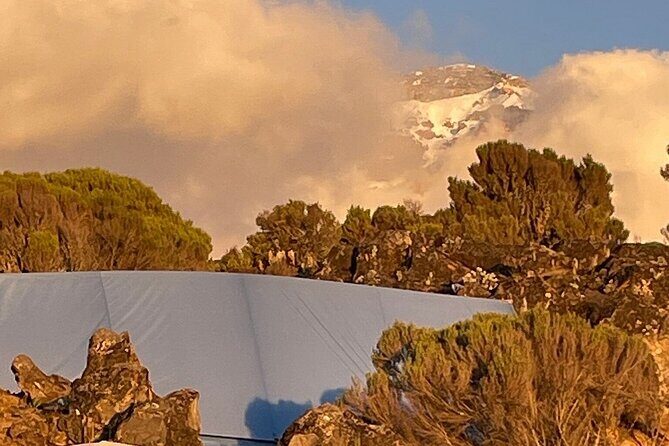
On the operator side, I saw a strong theme in their broader trekking feedback: caring teams, good pacing, and guides who focus on making the journey manageable. Even though that feedback came from mountain adventures rather than safaris, the underlying skill—reading people and keeping your day from becoming miserable—translates well to long wildlife days.
Practical Tips for a Smooth Safari Without Overthinking It
You’ll do a lot of hours outdoors, including drives that run until sunset. I’d plan for long seated time and bring what helps you stay comfortable in sun and shade.
A few practical ways to stay sane:
- Use your guide’s timing: if the guide says move now, it’s usually because the action window is happening.
- Keep water and snacks ready mentally: the itinerary includes meals, but long drives can stretch between food moments.
- Dress for layers: early mornings and later evenings can feel cooler than the middle of the day, especially around crater rim areas.
Also, note the tour is labeled as “near public transportation,” but that’s not the same as saying everything is walkable from your hotel. Your day-to-day movement is handled by safari transport, so your best move is to show up at the meeting point ready for departure at 7:30am.
And yes, this is a private tour. Only your group participates, so if you have questions, bring them up early so your guide can weave answers into the route.
Should You Book This 4-Day Budget Private Safari?
If you want a practical Tanzania highlight run—Serengeti game drives plus a Ngorongoro crater day—this is a smart way to spend four days without spiraling your budget. The mix of private guiding, meals included, and fees handled is what makes it feel efficient rather than “cheap” in a disappointing way.
Book it if:
- you’re comfortable with early starts and long wildlife days
- you want the Big Five crater experience even if it’s odds-based, not guaranteed
- you like the idea of adding a Maasai village stop without losing safari time
Skip or upgrade your thinking if:
- you need guaranteed migration sightings on a specific date
- you want more downtime or a less packed daily rhythm
FAQ
What time does the safari start, and where do I meet?
The safari starts at 7:30am, and you meet at Shoppers Supermarket in Arusha, Tanzania.
Is this tour private or shared?
This is a private tour/activity. Only your group will participate.
What’s included in the price?
The included items are all fees and taxes, lunches (4), breakfasts (3), and dinners (3). A mobile ticket is also included.
What is not included?
Not included are local and international flights, medical insurance, travel insurance, hotel accommodation before and after the safari, and airport pick up/drop off.
Are admission tickets included for the park activities?
Admission is listed as free for the safari activity blocks, and all fees and taxes are included.
What happens if the safari is canceled due to poor weather?
The experience requires good weather. If it’s canceled due to poor weather, you’ll be offered a different date or a full refund. The experience is otherwise non-refundable and cannot be changed for any reason.